


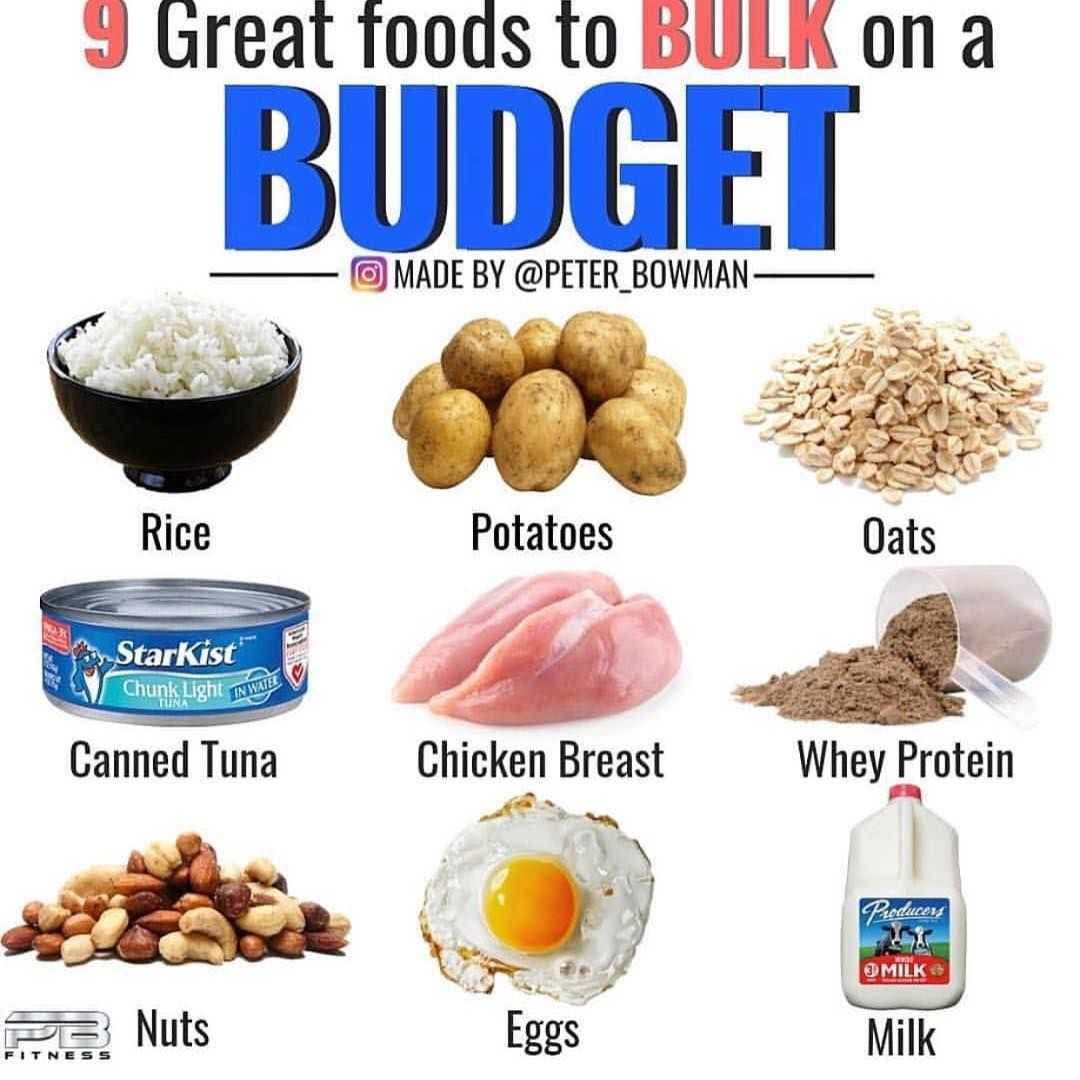
Looking to pack on muscle without breaking the bank? You’re in luck! A budget-friendly meal plan for muscle gain focuses on affordable, nutrient-dense foods that fuel muscle growth while keeping costs low. By prioritizing staples like eggs, beans, oats, chicken, and seasonal vegetables, you can create a balanced diet that supports your fitness goals without overspending. Planning meals ahead and buying in bulk can also save money and reduce waste. With a little strategic shopping and simple recipes, building muscle on a budget is totally doable and sustainable. Whether you’re just starting out or looking to optimize your current routine, this approach makes gaining muscle accessible and affordable for everyone who’s willing to put in the effort.

What is a budget-friendly meal plan for muscle gain?
A budget-friendly meal plan for muscle gain focuses on providing the right nutrients without overspending. It helps you build muscle efficiently while keeping your food costs low. This plan relies on affordable ingredients that are rich in protein, healthy fats, and complex carbohydrates.
Understanding the Basics of Muscle Gain Nutrition
To gain muscle, your body needs extra calories from nutritious sources. These calories support muscle repair and growth after workouts. The key nutrients for muscle gain include protein, carbohydrates, fats, vitamins, and minerals.
Protein is especially important because it supplies amino acids for muscle repair. Carbohydrates provide energy for intense workouts. Healthy fats support hormone production, which is essential for muscle growth.
Balancing Macronutrients on a Budget
Creating a meal plan that balances macronutrients within a budget involves choosing cost-effective sources. You want to aim for a diet with approximately 40% carbohydrates, 30% protein, and 30% fats. Adjustments can be made based on individual needs.
Affordable sources of each macronutrient include:
- Proteins: Eggs, canned beans, chicken thighs, Greek yogurt, canned tuna
- Carbohydrates: Brown rice, oats, sweet potatoes, whole wheat bread, pasta
- Healthy Fats: Nuts, seeds, olive oil, natural peanut butter, avocados
Creating a Weekly Meal Plan for Muscle Gain on a Budget
Designing a weekly meal plan involves selecting ingredients that are readily available and cost-effective. Planning meals ahead helps avoid impulsive purchases and food waste. Emphasize whole, minimally processed foods for better nutrition and savings.
Sample Daily Meal Breakdown
Here’s a simple example of what a budget-friendly day might look like:
- Breakfast: Oatmeal topped with peanut butter and sliced bananas
- Snack: Greek yogurt with mixed nuts
- Lunch: Grilled chicken thighs with brown rice and steamed broccoli
- Afternoon Snack: Apple with a handful of walnuts
- Dinner: Baked sweet potatoes with canned tuna and a side salad
Cost-Effective Shopping Strategies
To save money, buy in bulk when possible, especially staples like rice, oats, and beans. Look for sales and discounts on protein sources such as chicken or canned fish. Visiting local markets might also reduce costs compared to supermarkets.
Consider purchasing store brands for basic ingredients, which are often cheaper yet still quality. Planning meals around weekly deals ensures you stay within budget while meeting your nutritional needs.
Meal Prep Tips for Muscle Gain on a Budget
Meal prepping saves both time and money. Cook larger batches of rice, beans, or chicken and store portions in airtight containers. This prevents last-minute takeout or unnecessary grocery expenses.
Use versatile ingredients that can be incorporated into multiple meals. For instance, grilled chicken can be added to salads, wraps, or rice bowls throughout the week. Keep prepped ingredients accessible for quick assembly.
Incorporating Variety Without Increasing Costs
Even with a tight budget, include a variety of foods to ensure a broad spectrum of nutrients. Switch between different protein sources like eggs, canned fish, and legumes. Use different vegetables and grains to keep meals interesting and nutritious.
Avoid relying heavily on one or two high-cost ingredients by rotating your staples each week. This approach prevents monotony and enhances overall nutrient intake.
Supplementing Your Budget Meal Plan
Supplements are not necessary but can help reach daily protein goals economically. Consider affordable options like whey protein powder, which can be added to smoothies or oatmeal. However, prioritize whole foods for most nutrition.
| Supplement | Benefit | Cost-Effective Options |
|---|---|---|
| Whey Protein | Boosts protein intake efficiently | Buy in bulk or generic brands |
| Creatine | Supports strength and muscle growth | Affordable and effective |
| Multivitamins | Ensures micronutrient coverage | Opt for basic generic brands |
Monitoring Progress and Adjusting Your Meal Plan
Track your weight, body measurements, and workout performance regularly. If you’re not gaining muscle, consider increasing calorie intake slightly or adjusting macronutrient ratios. Keep meal costs in check by modifying ingredients based on seasonal discounts and local availability.
Stay flexible by swapping ingredients or meals to maintain variety and avoid boredom. Remember, consistency is key to seeing results, even on a budget.
Additional Tips for Building Muscle Economically
- Use leftovers wisely: Repurpose cooked meats and grains into new meals.
- Focus on whole foods: They are usually cheaper and more nutritious than processed foods.
- Cook at home: Dining out or ordering takeout can quickly inflate your food budget.
- Engage in community-supported agriculture (CSA): local farms may offer affordable seasonal produce.
Related Topics
Explore other aspects that support muscle gain on a budget such as effective workout routines, affordable gym memberships, and the importance of sleep and recovery. Combining proper nutrition with consistent training maximizes your muscle-building efforts while maintaining financial sustainability.
Following a well-structured, inexpensive meal plan for muscle gain makes it easier to stay committed and reach your goals. Focus on nutritious, affordable foods, plan meals carefully, and stay consistent to see the best results.
How To Build Muscle For $8/Day (Budget Friendly Meal Prep)
Frequently Asked Questions
What are some affordable sources of protein to include in a muscle-building meal plan?
Affordable sources of protein include eggs, canned tuna, beans, lentils, and chicken thighs. Incorporate these into your meals to meet your protein needs without overspending. Buying in bulk and choosing store brands can further reduce costs while providing high-quality nutrition.
How can I plan my grocery shopping to maximize my budget for muscle gain?
Create a shopping list focused on versatile, budget-friendly ingredients that offer high nutritional value. Look for sales and discounts on lean meats, grains, and frozen vegetables. Preparing meals at home and avoiding processed foods can also help you stick to your budget while supporting muscle growth.
What inexpensive carbohydrate options support muscle building?
Cost-effective carbohydrate sources include oats, brown rice, sweet potatoes, and whole wheat bread. These foods supply energy for workouts and aid muscle recovery. Buying in bulk and choosing seasonal produce can make these options more affordable.
Are there cost-efficient ways to add healthy fats to my meal plan?
Yes, include affordable healthy fats such as peanut butter, sunflower seeds, and cooking with olive or canola oil. These fats support hormone production and overall health, and purchasing in larger quantities reduces the price per serving.
How can meal prepping help maintain a budget-friendly muscle building diet?
Meal prepping allows you to buy ingredients in bulk, plan balanced meals, and avoid costly takeout or convenience foods. Preparing meals ahead of time ensures that you stick to your plan, reduces waste, and makes it easier to manage your grocery list within your budget.
Final Thoughts
A budget-friendly meal plan for muscle gain emphasizes affordability without sacrificing nutrition. Focus on simple, cost-effective ingredients like beans, rice, eggs, and affordable cuts of meat. Incorporate bulk foods and plan meals ahead to save money and reduce waste.
Opt for versatile foods that provide high protein content and essential nutrients to support muscle growth. Prepare meals in batches to make healthy eating convenient and economical. Stick to a consistent eating schedule to maximize muscle gains within your budget.
In conclusion, a budget-friendly meal plan for muscle gain balances cost and nutrition effectively. It relies on affordable, nutrient-dense foods and strategic planning. With clarity and consistency, you can achieve your muscle-building goals without overspending.
As an Amazon Associate, We earn from qualifying purchases. When you purchase a product through Amazon links on pulsefitguide.com, we may earn a small commission at no extra cost to you. This helps support the site and keep our content free.
