


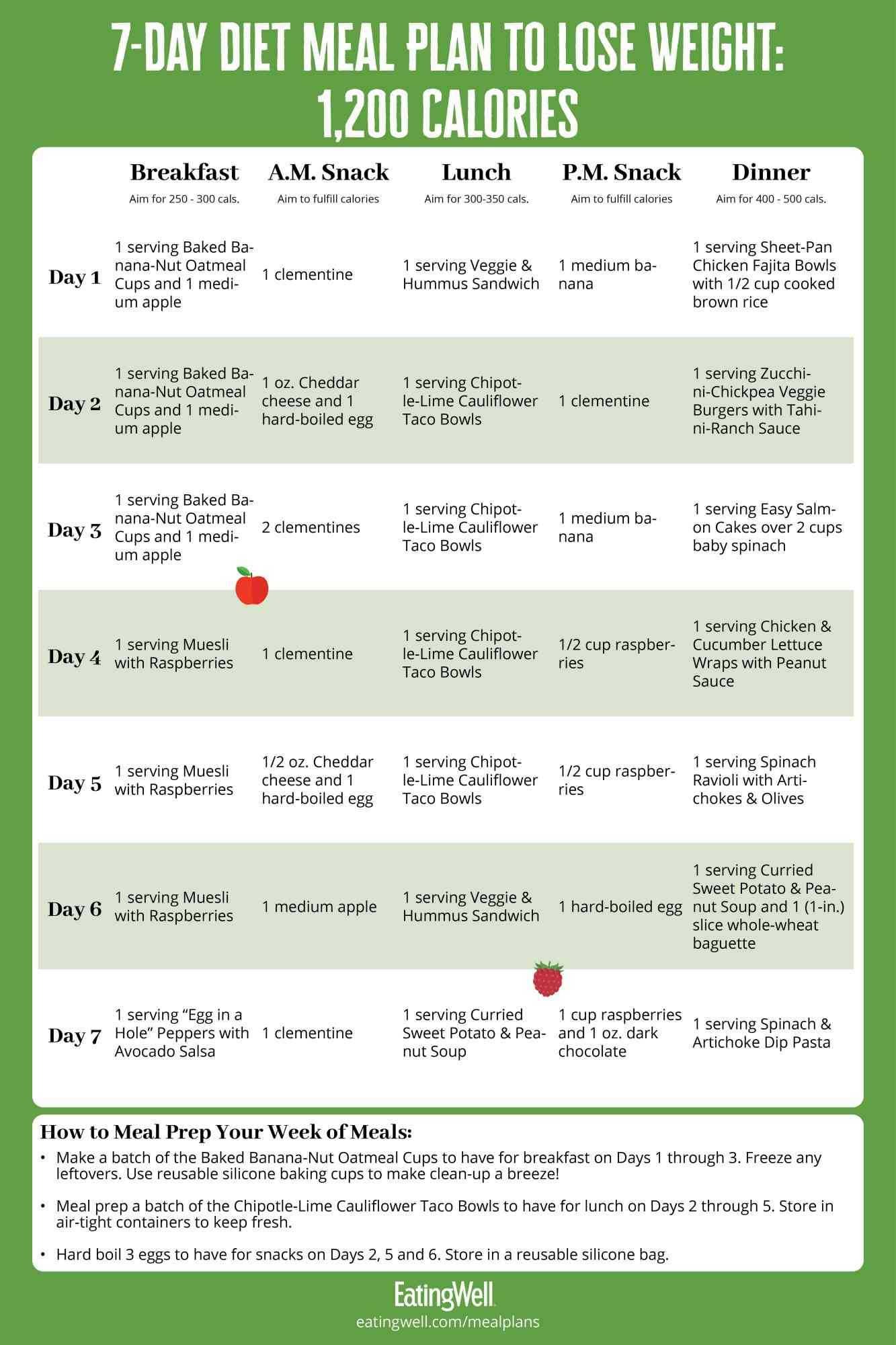
A 7-day weight loss meal plan typically includes balanced, calorie-controlled meals rich in lean proteins, vegetables, and healthy fats, designed to boost metabolism and promote fat loss. The plan emphasizes portion control and nutritious ingredients to help you stay satisfied and energized throughout the week. With a variety of delicious, easy-to-prepare dishes, this plan aims to make weight loss achievable without feeling deprived.
In just a week, a well-structured meal plan can help you shed pounds effectively by focusing on wholesome foods and moderation. It offers a clear roadmap with meal ideas for breakfast, lunch, dinner, and snacks, making your weight loss journey more manageable and less stressful. Consistency and mindful eating are key to seeing results.
Starting a weight loss journey can feel overwhelming, but a 7-day meal plan provides a simple, guided approach to help you stay on track. Instead of guessing what to eat, you’ll have a set menu that promotes calorie control while still satisfying your taste buds. This plan is designed to ease your transition into healthier eating habits, making it easier to stick with your goals and see progress. The focus is on nourishing your body with nutritious foods that support weight loss without sacrificing flavor or satisfaction.

What does a 7-day weight loss meal plan look like?
Understanding the Basics of a 7-Day Weight Loss Meal Plan
A 7-day weight loss meal plan is designed to help you shed pounds safely while keeping your body nourished. It focuses on balanced eating, portion control, and healthy food choices. The goal is to create a calorie deficit—consuming fewer calories than your body burns each day—without feeling deprived.
This meal plan emphasizes nutrient-dense foods that keep you full longer. It includes a variety of fruits, vegetables, lean proteins, whole grains, and healthy fats. Consistency over the week helps your body adapt to healthier habits and accelerates weight loss results.
Key Principles of a 7-Day Meal Plan for Weight Loss
Every effective plan shares some core principles:
- Calorie Control: You need to consume fewer calories than you burn. Typically, a deficit of 500 calories per day can lead to about one pound of weight loss weekly.
- Balanced Nutrition: Incorporating carbs, proteins, and fats ensures your body gets essential nutrients.
- Portion Sizes: Managing serving sizes prevents overeating even healthy foods.
- Meal Timing: Regular meals and snacks keep your metabolism active and prevent excessive hunger.
- Hydration: Drinking plenty of water supports digestion and reduces false hunger signals.
Sample 7-Day Meal Plan Overview
Below is a broad outline of what your weekly meals might look like, broken down by days and meal types:
| Day | Breakfast | Lunch | Dinner | Snacks |
|---|---|---|---|---|
| Day 1 | Oatmeal with fresh berries and a teaspoon of honey | Grilled chicken salad with mixed greens and vinaigrette | Baked salmon with steamed broccoli and quinoa | Apple slices with almond butter |
| Day 2 | Smoothie with banana, spinach, and almond milk | Turkey and veggie wrap with whole wheat tortilla | Stir-fried tofu with vegetables and brown rice | Carrot sticks with hummus |
This weekly layout covers all essential food groups and maintains variety. It helps prevent boredom and ensures you’re getting all necessary nutrients.
Breakfast Ideas for Weight Loss
Breakfast should be nutritious and filling, helping you start your day right. Focus on high-fiber, protein-rich options:
- Oatmeal topped with sliced fruits and a sprinkle of nuts
- Greek yogurt with berries and honey
- Scrambled eggs with spinach and whole-grain toast
- Fruit smoothie with protein powder and almond milk
Avoid high-sugar cereals or pastries, as they cause quick hunger spikes and crashes.
Healthy Lunch Choices
Lunch can be satisfying without being calorie-dense. Incorporate lean proteins and vegetables:
- Grilled chicken or turkey with a side of roasted vegetables
- Quinoa salad with chickpeas, cucumbers, and lemon vinaigrette
- Sushi rolls with brown rice and vegetables
- Vegetable soup with a wholegrain roll
Adding a small amount of healthy fats like avocado or olive oil boosts flavor and satiety.
Dinner Options for Effective Weight Loss
Dinner should be lighter but still satisfying. Focus on lean meats, fish, or plant-based proteins:
- Baked cod with asparagus and sweet potato
- Stir-fried tofu with mixed vegetables and brown rice
- Grilled shrimp with a side of cauliflower rice
- Vegetable and bean chili
Opt for steamed, grilled, or baked foods, avoiding fried or heavily processed dishes.
Smart Snack Choices
Snacks support your metabolism and prevent overeating at main meals. Keeps snacks healthful:
- Unsalted nuts like almonds or walnuts
- Fresh fruit such as berries, apples, or oranges
- Vegetable sticks with hummus
- Low-fat cheese or Greek yogurt
Limit high-calorie snacks like chips, candy, or baked goods.
Meal Prep Tips for Success
Preparing your meals in advance saves time and helps stick to your plan. Some useful tips include:
- Cook large batches of grains and proteins at once
- Portion out snacks into small containers
- Use freezer-friendly containers for leftovers
- Plan your weekly grocery list based on your menu
This way, you avoid impulsive choices and ensure healthy options are always available.
Foods to Avoid on a 7-Day Weight Loss Plan
Certain foods can hinder weight loss efforts:
- Refined sugars found in sweets and baked goods
- Fried foods and fast food
- White bread, pasta, and rice—opt for whole grain instead
- High-calorie drinks like soda and sugary coffee
- Processed snacks and snacks with added sugars or unhealthy fats
Limiting these foods helps maintain a calorie deficit and improves overall health.
The Role of Hydration and Exercise
Hydration is vital; aim for at least 8 glasses of water daily. It supports digestion, reduces hunger, and helps eliminate toxins. Combining the meal plan with regular physical activity enhances weight loss—aim for at least 150 minutes of moderate exercise weekly.
Adapting the Meal Plan to Your Preferences
Flexibility is key. If you dislike certain foods, replace them with similar nutritious options. Make sure your meals are enjoyable so you can stick with the plan long-term.
Monitoring Your Progress
Keep track of your meals, portions, and how you feel. Adjust your plan weekly based on progress and preferences. Staying mindful encourages healthy habits and sustainable weight loss.
By following these detailed guidelines and sticking to a structured 7-day meal plan, you’ll set yourself on a clear path toward your weight loss goals. Remember, consistency and balance are essential for lasting results.
The Best Meal Plan To Lose Fat Faster (EAT LIKE THIS!)
Frequently Asked Questions
What types of meals should I include in a 7-day weight loss plan?
Include a balance of lean proteins, whole grains, healthy fats, and plenty of vegetables in your meals. Breakfasts might feature options like oatmeal with fruit or eggs with vegetables. Lunches and dinners can consist of grilled chicken or fish paired with steamed vegetables and brown rice or quinoa. Incorporate snacks such as nuts, fruits, or yogurt to keep your energy levels steady throughout the day.
How can I ensure my portion sizes support weight loss during the week?
Control portion sizes by using smaller plates and measuring servings to avoid overeating. Focus on filling half your plate with vegetables, a quarter with lean protein, and a quarter with whole grains. Eating slowly and paying attention to your body’s hunger cues helps prevent consuming more calories than needed, which is essential for effective weight loss.
Is it necessary to include cheat meals in a week-long meal plan?
While strict dieting can be difficult to sustain, incorporating occasional indulgences in moderation can help maintain your motivation. You don’t have to eliminate all treats, but keep cheat meals small and infrequent, ensuring they don’t derail your overall calorie goals. Stick to a well-structured plan most days to achieve consistent progress.
How flexible should a 7-day meal plan be to fit individual preferences?
A good meal plan offers flexibility by allowing substitutions that suit your tastes and dietary restrictions. For example, if you’re vegetarian, replace meat with plant-based proteins like beans or tofu. Adjust portion sizes and meal timings to fit your schedule, making the plan easier to follow consistently without feeling deprived.
What are some tips for preparing meals in advance for the week?
Batch cook large portions of staples like grilled chicken, roasted vegetables, or quinoa at the start of the week. Store individual servings in airtight containers to save time on busy days. Pre-portion snacks, wash and chop fruits and vegetables, and prepare breakfast options to streamline your daily routine, helping you stick to your meal plan effortlessly.
Final Thoughts
What does a 7-day weight loss meal plan look like? Such plans typically include balanced meals with lean proteins, whole grains, and plenty of vegetables. They focus on portion control and nutritious choices to promote steady weight loss.
Each day offers variety to keep meals interesting, avoiding boredom and supporting long-term adherence. Incorporating healthy snacks helps maintain energy levels without over-eating.
In conclusion, a 7-day weight loss meal plan provides a structured approach to healthy eating that can lead to sustainable results.
As an Amazon Associate, We earn from qualifying purchases. When you purchase a product through Amazon links on pulsefitguide.com, we may earn a small commission at no extra cost to you. This helps support the site and keep our content free.
