


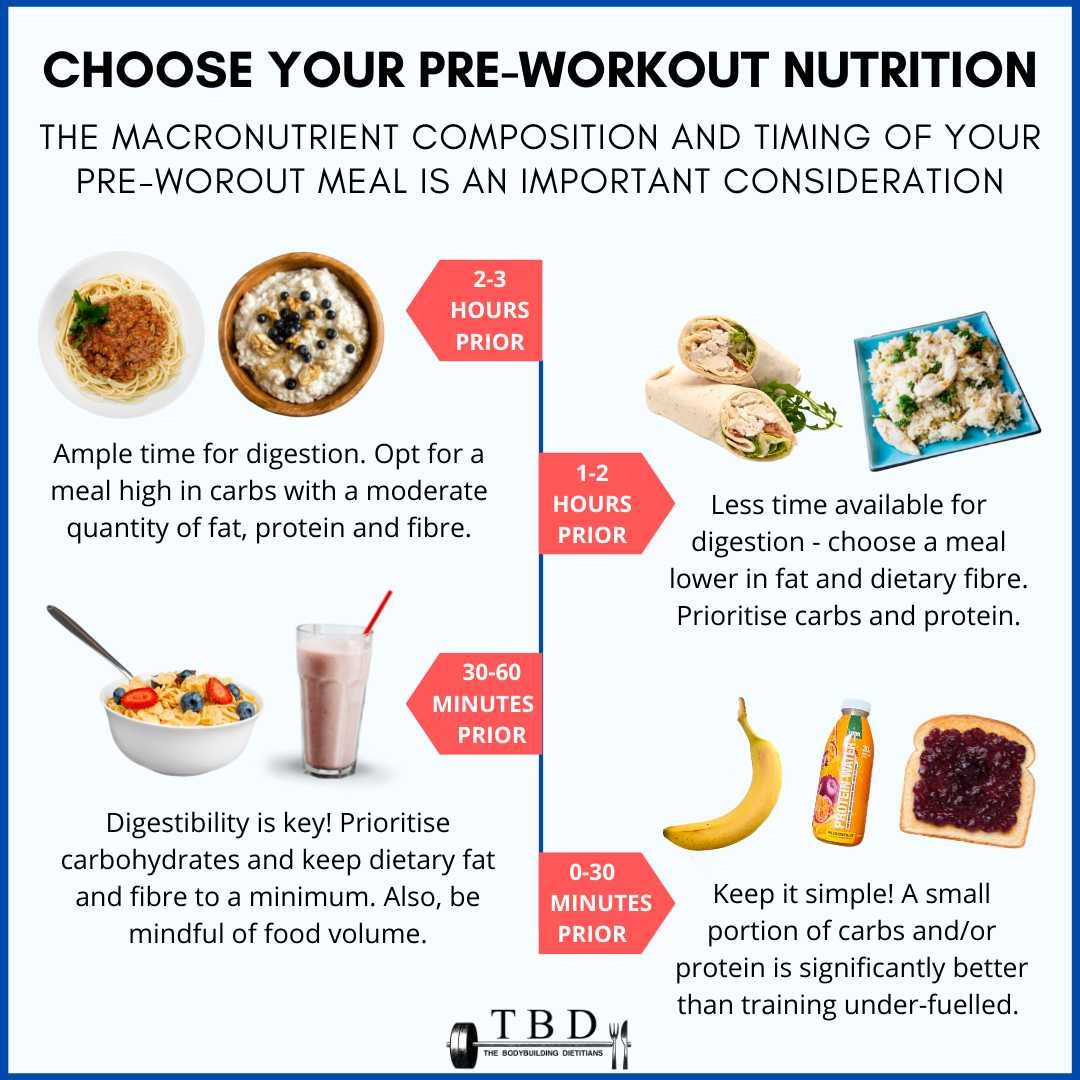
For most people, consuming about 20-50 grams of carbs 30-60 minutes before a workout provides enough energy without feeling too full. The exact amount depends on your workout intensity and personal goals. Too little won’t fuel your session; too much might lead to discomfort. A balanced approach helps optimize performance and recovery.
To determine how much pre-workout carbs you need, consider your workout duration, intensity, and personal digestion comfort. Generally, 20-50 grams of easily digestible carbs about half an hour before exercising is effective for most athletes. This helps boost energy levels, promote endurance, and prevent early fatigue, making your workout more productive and enjoyable.
Consuming the right amount of carbs before exercise can make a significant difference in your performance. Whether you’re hitting the gym for a quick session or training for a marathon, timing and carb type matter. In this article, we’ll explore how to determine the optimal pre-workout carbohydrate intake to maximize your results and keep you energized from start to finish.

How Much Pre Workout Carbs Do You Need for Optimal Performance?
Understanding the right amount of carbs before your workout can make a big difference in your energy levels and results. Carbohydrates serve as the main fuel for your muscles during exercise, especially in high-intensity or long-duration workouts. Getting the right quantity helps you perform better and recover faster after training.
Why Are Carbohydrates Important Before Exercise?
Carbohydrates are converted into glucose, which supplies energy to your muscles. When you eat carbs before working out, it enhances your stamina and prevents fatigue. They also help maintain blood sugar levels, giving you consistent energy throughout your session.
How Does the Body Use Carbohydrates During Workout?
During exercise, your body primarily uses stored glycogen and circulating glucose for energy. Consuming carbs beforehand replenishes glycogen stores and keeps blood sugar steady. This prevents early exhaustion and supports sustained performance.
Factors That Affect How Much Pre Workout Carbs You Should Take
Workout Duration and Intensity
If you plan a high-intensity or long workout, your carbohydrate needs increase. For sessions under 45 minutes, smaller carb portions might suffice. As the workout lengthens, more carbs are necessary to sustain energy levels.
Body Size and Metabolism
People with larger bodies or faster metabolisms may require more carbs to fuel their activities. Smaller individuals or those with slower metabolism may need less to achieve the same energy boost.
Timing Before Exercise
The window before exercise impacts carb intake. Eating too close to your workout might cause discomfort, while eating too early may decrease carb availability. The optimal time is usually 30 to 60 minutes prior.
How Much Carbohydrate Should You Consume Before Workout?
General Recommendations
For most people, consuming between 30 to 50 grams of carbs about 30 to 60 minutes before exercise works well. This amount supplies enough glycogen without causing discomfort or sluggishness.
Specific Intake Based on Workout Type
- Short, low-intensity workouts: 15 to 30 grams of carbs, 30 minutes before.
- Moderate workouts lasting 60 minutes: 30 to 50 grams of carbs, 30 to 60 minutes before.
- Long, high-intensity sessions: 50 to 75 grams of carbs, 1 to 2 hours before.
Optimal Carbohydrate Sources for Pre Workout Fuel
Simple Carbohydrates
These are quickly absorbed sugars like fruit, honey, or sports drinks. They provide rapid energy but should be balanced with other sources for sustained performance.
Complex Carbohydrates
Foods like oats, whole grain bread, or sweet potatoes release energy more gradually. For prolonged workouts, combining complex carbs with simple sugars can be effective.
When to Choose Which
- Before intense activity: Focus on simple carbs for quick energy.
- For longer sessions: Incorporate complex carbs to maintain energy levels over time.
Sample Pre Workout Carbohydrate Meal Ideas
- Small banana with a spoonful of honey
- Oatmeal topped with berries and a drizzle of maple syrup
- Whole grain toast with jam or peanut butter
- Low-fat yogurt with fruit and granola
- Rice cakes with honey or fruit spread
Timing and Frequency of Carbohydrate Intake
Eating carbs too early may lead to low blood sugar later, while eating too late can cause discomfort. A good rule is to consume your carbs approximately 30 to 60 minutes before your workout. During longer sessions, consider small carbohydrate snacks or drinks every 30 minutes.
Additional Tips for Pre Workout Nutrition
- Stay hydrated, as fluids help transport nutrients and prevent dehydration.
- Avoid high-fat or high-fiber foods close to your workout, as they may cause stomach discomfort.
- Listen to your body; some prefer lighter snacks, while others perform better with a larger meal.
Balancing Carbohydrate Intake with Other Nutrients
While carbs are essential, combining them with a small amount of protein or healthy fats can improve digestion and energy stability. For example, pairing a banana with a small dollop of peanut butter supplies both quick and sustained energy.
Monitoring and Adjusting Your Carbohydrate Intake
Pay attention to how your body responds to different carb amounts and sources. Keep a log of your intake, workout performance, and how you feel during and after exercise to fine-tune your pre workout nutrition plan.
Knowing how much pre workout carbs to consume ensures you have the energy needed for effective workouts. Tailoring your carbohydrate intake based on workout duration, intensity, body size, and personal preference helps you perform at your best. Incorporate a mix of simple and complex carbs at the right time, and adjust as you learn what works best for your body.
Frequently Asked Questions
How do I determine the right amount of carbs to eat before my workout?
To find the appropriate carbohydrate intake before exercising, consider your workout’s intensity and duration. Generally, consuming 1 to 4 grams of carbs per kilogram of body weight about 30 to 60 minutes before exercise provides adequate energy. Pay attention to how your body responds, and adjust quantities based on your performance and comfort levels.
Are there specific types of carbs recommended for pre-workout consumption?
Yes, opt for easily digestible carbs that quickly raise blood sugar levels, such as white bread, bananas, or sports drinks. These provide rapid energy without causing digestive discomfort during your workout. Complex carbs like oats or whole grain bread can be suitable if consumed 1-2 hours beforehand, offering sustained energy release.
Can consuming too many carbs before exercising negatively affect my workout?
Consuming excessive carbs right before exercise can lead to discomfort, bloating, or sluggishness. Overloading on carbs may also cause a spike in blood sugar followed by a crash, reducing your energy levels mid-workout. Aim for a moderate amount aligned with your body’s tolerance to maintain comfort and energy.
How does timing influence the amount of carbs I should consume before training?
The closer your intake is to your workout, the smaller the amount of carbs needed, focusing on quick-digesting sources. If you eat several hours before, you can include a larger, more complex meal. Adjust your carbohydrate intake based on how much time you have before exercising to optimize energy levels.
Should I include carbs in my pre-workout snack if I want to lose weight?
Including small amounts of carbs in your pre-workout snack can support exercise performance without significantly impacting weight loss goals. Focus on portion control and choose nutrient-dense carbs. Balancing carbohydrate intake with overall calorie consumption helps maintain progress while ensuring you have enough energy for your workout.
Final Thoughts
Knowing how much pre workout carbs to consume depends on your workout intensity and goals. Typically, 20-40 grams of carbs are sufficient to boost energy without causing discomfort. Adjust these amounts based on your body weight and workout duration. Consuming the right amount helps optimize performance and recovery, making your workout more effective.
As an Amazon Associate, We earn from qualifying purchases. When you purchase a product through Amazon links on pulsefitguide.com, we may earn a small commission at no extra cost to you. This helps support the site and keep our content free.
