


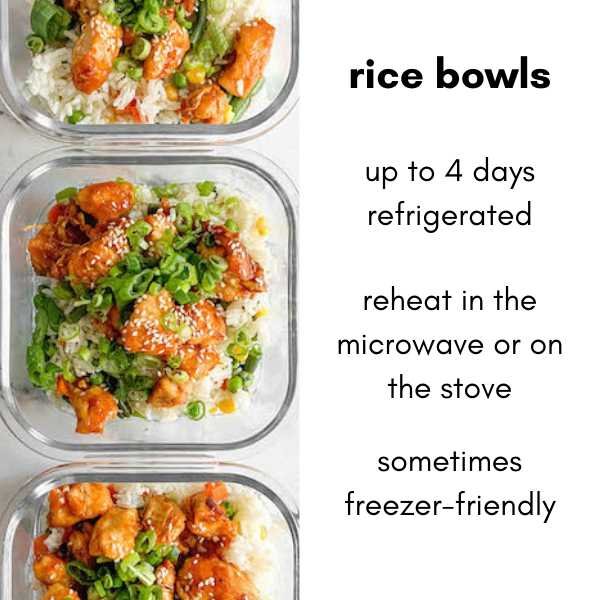
Meal prepping is a lifesaver for busy weekdays, but how long can you keep those pre-cooked meals safe and fresh in your fridge? The quick answer is typically 3 to 4 days for most cooked dishes, but this can vary depending on ingredients and storage conditions. It’s important to know the proper storage times to prevent foodborne illnesses and ensure your meals taste their best when you’re ready to eat. Properly stored, your meal prep can last a few days, but beyond that, the quality and safety may decline. Staying informed about food safety tips will help you enjoy nutritious, delicious leftovers without worry.
Keeping prepared meals in the fridge can be a great way to save time and reduce stress during the week, but it’s essential to understand how long they stay fresh. The shelf life of your meal preps mainly depends on the ingredients used and how well they are stored. Typically, cooked dishes last about 3 to 4 days in a fridge kept at or below 40°F (4°C). If you want your meals to stay tasty and safe, plan to consume them within this window. Some dishes with fewer perishable ingredients might last a bit longer, but always check for signs of spoilage before eating. Proper storage, such as airtight containers, also helps extend freshness and keep flavors intact, making your meal prep both convenient and safe.

How long does meal prep last in the fridge?
Understanding how long your prepped meals stay fresh is important for both safety and taste. Proper storage can prevent food waste and avoid foodborne illnesses. In this section, we will explore the typical shelf life of meal prep dishes, factors affecting freshness, and tips for keeping your meals safe to eat.
Basic Shelf Life of Meal Prep in the Fridge
Most cooked meals prepared in advance can typically last between three to four days in the fridge. This period ensures the food remains safe without losing its flavor or texture. After this time, bacteria tend to grow, increasing the risk of foodborne illnesses.
Why the Five-Day Rule is Common
Many health experts recommend eating stored meals within five days at most. This guideline balances safety and quality. Although some dishes may last slightly longer, it’s best to err on the side of caution for your health.
How to Know If Your Meal Is Still Good
Check for signs of spoilage such as:
- Unpleasant or sour smell
- Change in texture or appearance
- Mold growth or unusual discoloration
Always trust your senses before consuming leftover meal prep.
Impact of Meal Ingredients on Shelf Life
Different ingredients have different shelf lives. For example:
- Cooked vegetables usually last 3 to 4 days.
- Cooked meats like chicken or beef typically stay good for about 3 days.
- Casseroles with dairy may spoil faster, often within 3 days.
Understanding these differences can help you plan your meal prep better.
Factors Influencing How Long Meal Prep Lasts in the Fridge
Many variables affect how long your prepped meals stay fresh. Knowing these can help you extend shelf life and maintain food safety.
Temperature of the Refrigerator
A refrigerator should stay at or below 40°F (4°C). Temperatures higher than this speed up bacterial growth, reducing how long your meals are safe to eat. Use a fridge thermometer to monitor temperature regularly.
Storage Containers and Packaging
Use airtight containers to prevent moisture loss and contamination. Glass containers with tight-fitting lids are ideal because they keep food fresh longer. Avoid plastic wraps that are not sealed properly.
Meal Composition and Ingredients
Meals with high moisture content or dairy products spoil faster. Also, dishes containing seafood or cooked eggs have shorter shelf lives. Consider these factors when planning your meal prep schedule.
Preparation and Handling
Proper hygiene during preparation is crucial. Wash your hands and surfaces thoroughly. Cool cooked dishes quickly before refrigerating to slow bacterial growth.
Frequency of Refrigerator Opening
Frequently opening the fridge introduces warm air, raising internal temperature. Minimize door openings to keep the temperature consistent and prolong food safety.
Tips for Extending the Shelf Life of Meal Prep
While it’s best to consume meals within recommended times, some tips can help extend freshness.
Cool Down Food Quickly
After cooking, divide large batches into smaller portions and refrigerate within two hours. Leaving food out longer increases bacterial growth.
Use Freezing for Longer Storage
For meals you won’t eat within four days, freeze them. Properly stored, frozen meal prep can last from 1 to 3 months depending on the dish.
Label and Date Your Meals
Always label meals with the date they were prepared. This helps you keep track of freshness and avoid eating spoiled food.
Maintain Refrigerator Organization
Keep older meals at the front and newer ones at the back. This organization ensures you consume meals in the right order to prevent spoilage.
Check Storage Guidelines for Specific Dishes
Refer to trusted sources for specific foods. For example, cooked rice can be stored up to four days, but best within three.
Best Practices for Storing Different Types of Meal Prep
Proper storage methods vary based on the type of meal. Here are tips for common meal prep dishes.
Cooked Proteins
Store cooked chicken, beef, or fish in airtight containers. Consume within three days if refrigerated. For longer storage, freeze immediately after cooling.
Vegetable-Based Dishes
Vegetables last about 3 to 4 days in the fridge. Store in airtight containers to retain moisture and prevent spoilage.
Soups and Stews
Soup can last 3 to 4 days in the fridge. Use shallow containers for quick cooling. Remember to reheat thoroughly before eating.
Grains and Pasta
Cooked grains like rice or pasta stay good for 3 to 4 days. Keep them sealed to prevent drying out or absorbing fridge odors.
Salads and Fresh Items
Salads with mayonnaise or dairy should be eaten within 2 days to prevent spoilage. For longer shelf life, keep dressing separate until eating.
Handling Leftovers Safely
Food safety is crucial to avoid health issues. Follow these safety tips for leftovers.
Reheat Properly
Reheat leftovers to an internal temperature of 165°F (74°C). Use a food thermometer to ensure safety.
Divide and Store
Divide large batches into smaller portions for quick cooling and easy reheating. Store in shallow containers for even cooling.
Avoid Multiple Reheatings
Reheat only what you plan to eat. Repeatedly cooling and reheating leftovers increases the risk of bacteria growth.
Keep Your Fridge Clean
Regularly clean your refrigerator to prevent cross-contamination and mold growth, ensuring your meal preps stay safe longer.
Understand Food Labels and Expiry Dates
Always check for “use-by” and “sell-by” dates on ingredients. Fresh ingredients lead to better storage outcomes.
Summary
Storing meal preps in the fridge for the right amount of time hinges on proper storage, ingredient quality, and hygiene practices. Generally, cooked meals stay best within three to four days. For longer storage, freezing is your best option. Keeping your fridge at the right temperature, using airtight containers, and labeling meals can significantly extend freshness. Always trust your senses and follow safety guidelines to prevent foodborne illnesses and enjoy your meal preps at their best.
Storing Meal Prep and Keeping it Fresh
Frequently Asked Questions
How can I tell if my meal prep has gone bad in the fridge?
Look for signs like an unpleasant smell, visible mold, or a slimy texture. If the food’s color has changed significantly or if it develops an off-putting odor, it’s safest to discard it to avoid any risk of foodborne illness.
Are there specific types of meals that last longer in the fridge?
Meals with high protein content, such as cooked chicken or beef, tend to stay fresh longer than vegetable-based dishes. Soups and stews often last a bit longer due to their liquid nature, which helps preserve flavors and textures.
What storage practices can extend the freshness of my meal prep?
Store meals in airtight containers to prevent moisture loss and contamination. Keep your fridge at or below 40°F (4°C) and place the containers at the back of the fridge where temperatures are most consistent. Labeling your meals with the date helps you keep track of freshness.
How do refrigeration times vary between different types of ingredients?
Cooked meats typically last 3 to 4 days, while cooked vegetables and grains may stay fresh for up to 4 to 5 days. Dairy-based dishes like casseroles are best consumed within 3 to 4 days, depending on ingredients and storage conditions.
Should I consider freezing meal prep for longer storage?
Yes, freezing extends the shelf life significantly. Most cooked dishes can last 2 to 3 months in the freezer without losing quality. Be sure to use airtight containers or freezer bags to prevent freezer burn and label your meals with dates.
Final Thoughts
Meal prep can typically last in the fridge for 3 to 4 days. Proper storage in airtight containers helps keep food fresh longer.
Always check for any signs of spoilage before consuming leftovers.
How long does meal prep last in the fridge? It’s best to consume prepared meals within this timeframe to ensure safety and quality.
As an Amazon Associate, We earn from qualifying purchases. When you purchase a product through Amazon links on pulsefitguide.com, we may earn a small commission at no extra cost to you. This helps support the site and keep our content free.
