


The best time to work out after eating depends on what and how much you’ve eaten, but generally, waiting 30 minutes to 2 hours is ideal. Jumping into intense exercise immediately after a big meal can lead to discomfort or nausea, while working out too long after a light snack might reduce your energy levels.
In short, it’s best to wait about an hour after a large meal before exercising, and around 30 minutes after a small snack. Listening to your body is key—if you feel full or sluggish, give yourself more time. Understanding how your body responds will help you find the perfect balance for effective workouts without discomfort.
Getting your workout timing right after eating can boost your performance and keep you comfortable. Many people wonder how long they should wait to hit the gym or go for a run after a meal. The answer varies depending on the size and composition of your meal, but generally, giving yourself enough time to digest ensures an easier workout and avoids stomach upset. Whether you’re eager to burn calories or train hard, knowing the optimal window between eating and exercising can make all the difference.

How Long Do You Workout After Eating? A Complete Guide
Understanding the Timing of Exercise After Meals
Knowing when to exercise after eating is important for your comfort and performance. The timing depends on what you eat and the intensity of your workout. Generally, waiting a bit after eating can help prevent discomfort and digestion issues.
Why Does Timing Matter?
Your body focuses on digesting food when you eat. Exercising too soon can cause stomach discomfort, nausea, or cramping. Waiting allows your body to process food properly and improves your workout quality.
How Long Should You Wait After Eating?
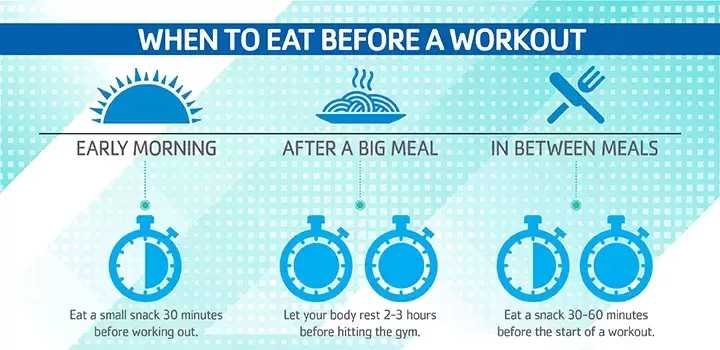
The ideal waiting time varies based on meal size and type. Here are general guidelines:
- Big or heavy meals: Wait about 2 to 3 hours.
- Small snacks or light meals: Wait approximately 30 to 60 minutes.
These times help your digestion process and reduce the risk of discomfort during exercise.
Different Types of Meals and Their Effects
Your meal’s content influences how long you should wait before exercising. Let’s explore various meal types.
High-Fat and Protein-Rich Meals
Foods rich in fats and proteins take longer to digest. These meals, such as cheeseburgers or fried foods, can stay in your stomach longer. It is best to wait at least 2 to 3 hours before working out after such meals.
Carbohydrate-Based Meals
Carbohydrates, like pasta or bread, digest faster than fats. You might only need 1 to 2 hours before exercising after eating these foods.
Snacks and Light Meals
Light snacks like fruit, yogurt, or a small sandwich digest quickly. A 30 to 60-minute wait is often enough for moderate-intensity activity.
The Impact of Exercise Intensity
The type of workout influences the timing as well. Low-intensity activities like walking or stretching can often be done sooner after eating. More intense workouts such as running or weightlifting may require a longer wait.
Light Activities
Light activities are less demanding on your digestive system. You can usually start these 30 minutes after eating a small snack.
High-Intensity Workouts
For vigorous activities, it is better to wait at least 1 to 2 hours after a light meal or snack. For large meals, wait the full 2 to 3 hours.
Signs You Might Be Ready to Work Out
Listen to your body to determine if you are ready to exercise:
- You feel comfortable and not overly full.
- You don’t experience nausea or stomach cramps.
- You have enough energy without feeling sluggish.
If you notice discomfort, it’s best to wait longer before exercising.
Tips to Make Exercise Comfortable After Eating
Here are some helpful tips:
- Avoid high-fat or greasy foods before workouts.
- Opt for smaller meals or snacks if you plan to exercise soon.
- Stay hydrated to support digestion and energy levels.
- If possible, do gentle activities immediately after eating, then increase intensity later.
Related Topics to Consider
Apart from timing, other factors can enhance your workout experience:
Hydration
Drinking enough water helps digestion and performance. Drink small sips before and after eating and during exercise.
Meal Composition for Optimal Performance
Eating a balanced meal with carbs, protein, and some healthy fats fuels your workout efficiently. Avoid foods that cause bloating or discomfort.
Special Considerations for Different Populations
Children, older adults, or people with health conditions may need tailored advice. Always consult a healthcare provider if unsure about timing or diet.
Summary
The best time to workout after eating depends on your meal size, contents, and workout intensity. Waiting 30 minutes to 3 hours generally works well to prevent discomfort and support exercise performance. Listening to your body’s signals can help you find your optimal timing for an enjoyable and effective workout.
This detailed overview should help you plan your exercise routine around your meals effectively. Remember, every person is different, so adjust based on how your body responds.
Can You Workout Immediately After Eating? | Nutrition Expert Advice
Frequently Asked Questions
What are the effects of working out immediately after a meal?
Working out right after eating can cause discomfort such as indigestion, nausea, or cramping. Your body directs blood flow to your digestive system after eating, so exercising soon after can reduce blood flow to your muscles, leading to decreased performance and potential stomach upset. It’s generally better to wait until your digestion progresses comfortably before exercising.
How can the timing of exercise after eating influence performance?
Exercising too soon after a heavy meal can lead to sluggishness and discomfort, which may hinder your ability to perform well. Waiting at least 30 minutes to 2 hours allows your body to digest food properly, ensuring you have adequate energy and feel comfortable during your workout. The timing depends on the size and composition of your meal.
What types of meals should I consider before working out if I want to exercise within a short window?
Opt for light, easily digestible foods that provide quick energy, such as a banana, yogurt, or a small piece of toast with peanut butter. These options help replenish glycogen stores without causing heaviness or discomfort. Avoid large, fatty, or high-fiber meals right before exercise, as they can cause gastrointestinal issues during your workout.
Is it better to avoid certain foods before exercising to prevent discomfort?
Yes, avoid foods that are greasy, spicy, or high in fiber before exercising, as they can lead to bloating or stomach upset. Instead, choose simple carbohydrates and moderate protein sources that are gentle on your stomach. Staying hydrated is also essential to support your workout without feeling sluggish or dehydrated.
What are some signs that I should wait longer after eating before working out?
If you experience stomach pain, nausea, bloating, or sluggishness during your workout, it indicates you may have eaten too recently. In such cases, waiting an additional 30 minutes to an hour can help your digestion progress, ensuring you feel more comfortable and energized during your exercise.
Final Thoughts
The best time to work out after eating depends on your meal size and type. Smaller, easily digestible snacks may only require a 30-minute wait, while large meals might need 1-2 hours.
Listen to your body, and avoid intense workouts immediately after big meals to prevent discomfort.
In summary, how long do you workout after eating? Typically, waiting 30 minutes to 2 hours is sufficient, depending on your meal. Staying mindful of your body’s signals ensures a comfortable and effective workout.
As an Amazon Associate, We earn from qualifying purchases. When you purchase a product through Amazon links on pulsefitguide.com, we may earn a small commission at no extra cost to you. This helps support the site and keep our content free.
