



Your body burns fat when it needs energy and doesn’t have enough readily available carbs. It’s a smart system that kicks in when you’re active or when your fuel stores are low. Let’s unlock those secrets together!
Hey there, fitness friend! Do you ever feel like you’re trying so hard, but not seeing the fat-burning results you want? Maybe you’re confused about when your body actually taps into those stubborn fat stores. It’s totally normal to feel that way when you’re just starting out! We’re going to break it all down in a way that makes total sense. Think of me as your workout buddy, here to guide you every step of the way. We’ll make fitness feel simple, fun, and totally achievable. Get ready to feel empowered and excited about what your amazing body can do!
Why Does Your Body Store Fat Anyway?
It’s not a bad thing! Your body stores fat as a backup energy source. It’s like packing a lunchbox for a long trip. If you don’t eat for a while, or if you use up your quick energy (carbs), your body can grab that stored fat and turn it into fuel. Pretty clever, right?
The Big Secret: Energy Balance!
The main reason your body decides to burn fat is simple: you need more energy than you’re currently taking in. This happens in a few key situations.
When You’re Moving More
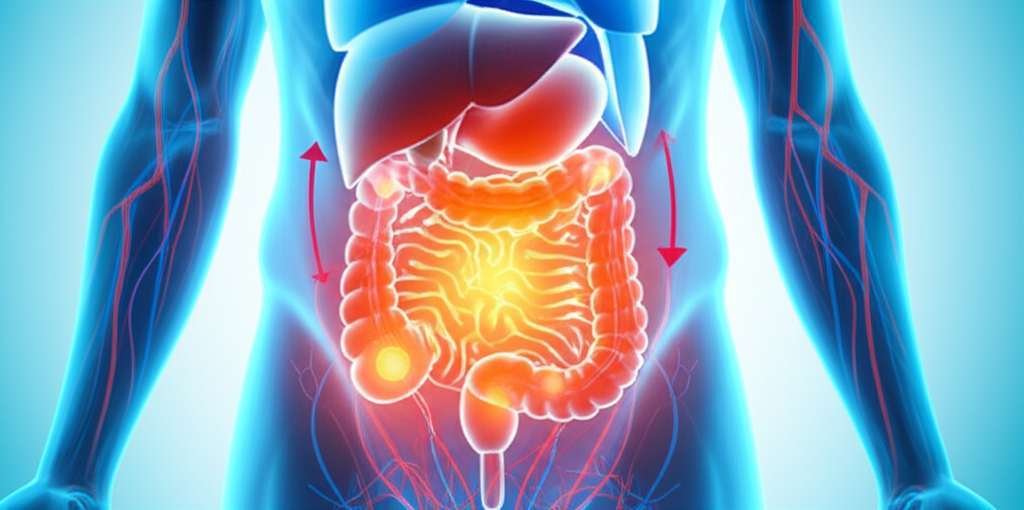
When you exercise, your muscles need energy. Your body first uses up the quick energy from carbohydrates (like those in bread, pasta, and fruits) that are stored in your muscles and liver. Once those stores start to get low, your body looks for another fuel source. That’s when it starts breaking down fat for energy. So, the more you move, the more energy you use, and the more likely your body is to burn fat!
When You Haven’t Eaten for a While
Think about what happens between dinner and breakfast. You’re sleeping, not eating. Your body is still using energy to keep you alive – breathing, repairing cells, and keeping your heart beating. Your carb stores get a little lower overnight. This is why exercising in the morning before eating can sometimes help your body tap into fat stores more easily.
When Your Carb Stores Are Low
This is where diet plays a huge role! If you eat a diet that’s lower in carbohydrates, your body won’t have as much quick energy readily available. This encourages your body to become more efficient at using fat for fuel, even during less intense activities.
How Your Body Signals “Burn Fat!”
It’s not like a little light flashes on, but your body has ways of telling itself to switch fuel sources.
Hormones are Key Players
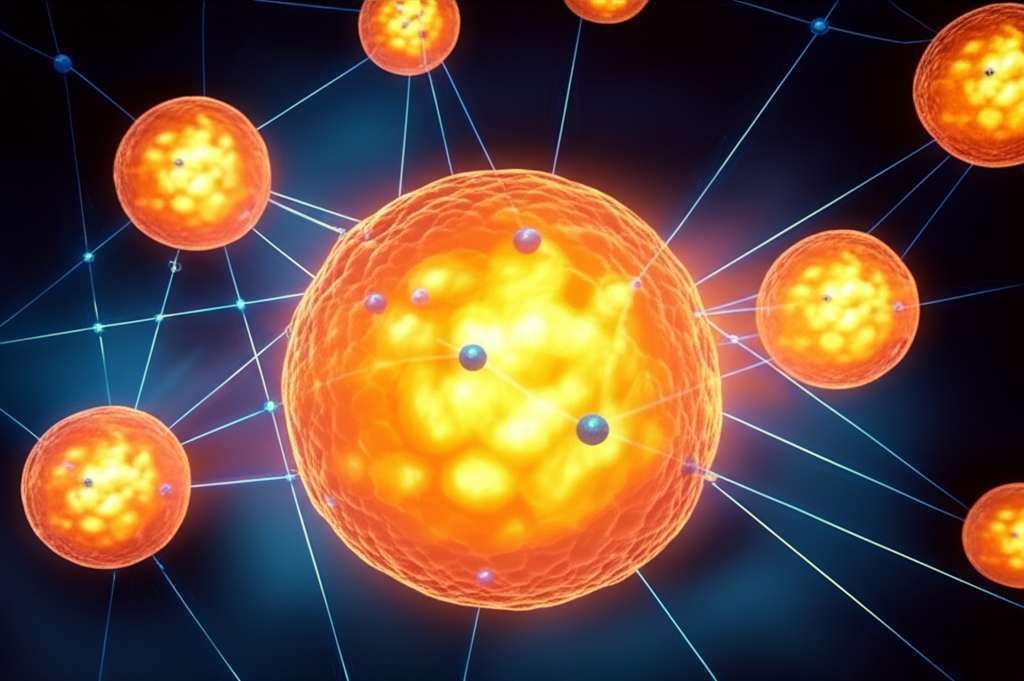
Hormones are like tiny messengers in your body. When your energy levels drop or your carb stores are low, certain hormones get released.
Glucagon: This hormone tells your liver to release stored sugar (glycogen). Once that’s used up, it signals the body to start breaking down fat.
Epinephrine (Adrenaline): This is your “fight or flight” hormone. It gets released during exercise and stress. It helps break down stored fat into fatty acids that your body can use for energy.
Growth Hormone: This hormone helps build muscle and also helps your body break down fat.
The Energy Meter is Low
Imagine your body has an energy meter. When the “quick energy” (carbs) part of the meter gets low, your body starts to rely more on the “backup energy” (fat) part. This happens naturally when you’re in an energy deficit.
Simple Ways to Tell Your Body to Burn Fat
You don’t need complicated science! Here are easy ways to encourage your body to burn more fat.
Get Moving!
This is the big one! Any movement helps, but some types are extra effective.
Cardio is King (and Queen!): Activities like brisk walking, jogging, cycling, swimming, or dancing all use energy and help burn fat. Aim for at least 30 minutes most days of the week.
Strength Training Builds Muscle: Lifting weights or doing bodyweight exercises (like push-ups and squats) builds muscle. More muscle means your body burns more calories, even when you’re resting! Try to do strength training 2-3 times a week.
HIIT It Up! High-Intensity Interval Training involves short bursts of intense exercise followed by brief rest periods. This is super effective for burning calories and can boost your metabolism for hours after your workout.
Eat Smart!
What you eat matters a lot. Focus on whole, unprocessed foods.
Lean Protein Power: Foods like chicken, fish, beans, and tofu help you feel full and support muscle growth.
Healthy Fats are Your Friends: Avocados, nuts, seeds, and olive oil are great for you and can help with fat burning.
Fiber-Rich Veggies & Fruits: These fill you up, provide essential nutrients, and keep your digestion happy.
Watch the Sugary Stuff: Limit sodas, candies, and pastries. These give you a quick energy spike but can lead to fat storage if you eat too much.
Manage Your Sleep and Stress
These might seem unrelated, but they’re super important!
Sleep Well: Aim for 7-9 hours of quality sleep each night. Poor sleep can mess with your hunger hormones, making you crave unhealthy foods and store more fat.
De-Stress: Chronic stress releases hormones that can promote fat storage, especially around your belly. Find healthy ways to relax, like deep breathing, meditation, or spending time in nature.
Fat-Burning Workouts: What Works Best?
Let’s look at different ways to move your body and how they help.
| Workout Type | How it Helps Burn Fat | Beginner Tip |
|---|---|---|
| Cardio (e.g., Walking, Jogging, Cycling) |
Burns calories during the activity. Improves heart health. | Start with 20-30 minutes of brisk walking 3-4 times a week. Gradually increase duration or speed. |
| Strength Training (e.g., Bodyweight squats, Push-ups, Lifting weights) |
Builds muscle, which increases your resting metabolism (burns more calories 24/7). | Start with 2-3 full-body workouts per week. Focus on proper form. Use lighter weights or just your bodyweight. |
| HIIT (e.g., Burpees, Jumping Jacks, High Knees in intervals) |
Burns a lot of calories in a short time. Creates an “afterburn” effect (EPOC) where your body continues to burn calories post-workout. | Start with short intervals, like 20 seconds of work followed by 40 seconds of rest. Do this for 10-15 minutes. Listen to your body! |
Your Daily Fat-Burning Habits
Making small changes every day can add up to big results!
Morning Boost
Drink a glass of water as soon as you wake up.
Consider a short walk or some stretching before breakfast.
Midday Movement
Take the stairs instead of the elevator.
Go for a short walk during your lunch break.
Stand up and move around every hour.
Evening Wind-Down
Prepare a healthy dinner.
Go for a relaxing evening stroll.
Practice a simple stretching routine before bed.
Throughout the Day
Stay hydrated! Drink water consistently.
Choose whole foods over processed snacks.
Practice mindful eating – pay attention to your hunger and fullness cues.
Simple Meal Ideas for Fat Burning
Fueling your body right is key! Here are some easy ideas.
Breakfast
Oatmeal with berries and a sprinkle of nuts.
Scrambled eggs with spinach and a side of whole-wheat toast.
Greek yogurt with fruit and chia seeds.
Lunch
Large salad with grilled chicken or chickpeas, lots of veggies, and a light vinaigrette.
Lentil soup with a side of whole-grain bread.
Tuna salad (made with Greek yogurt instead of mayo) on whole-wheat crackers.
Dinner
Baked salmon with roasted broccoli and quinoa.
Lean ground turkey stir-fry with mixed vegetables and brown rice.
Chicken breast with a large sweet potato and green beans.
Snacks
An apple with a tablespoon of almond butter.
A handful of almonds or walnuts.
Carrot sticks with hummus.
A hard-boiled egg.
Common Mistakes Beginners Make (And How to Avoid Them!)
It’s okay to make mistakes – it’s part of learning! Just be aware of these common pitfalls.
Trying to do too much too soon: This leads to burnout and injury. Start slow and build up!
Not eating enough: Your body needs fuel to function and burn fat. Drastic calorie cuts can backfire.
Focusing only on cardio: Strength training is crucial for building metabolism-boosting muscle.
Skipping sleep: Lack of sleep can sabotage your fat-burning efforts.
Giving up too easily: Progress takes time. Celebrate small wins and keep going!
Not drinking enough water: Water is vital for metabolism and overall health.
Believing in “magic pills” or quick fixes: Sustainable fat loss comes from consistent healthy habits.
Frequently Asked Questions (FAQs)
Got questions? I’ve got friendly answers!
How long does it take to burn fat?
It varies for everyone! You’ll start seeing changes and feeling better with consistent effort in as little as a few weeks. True fat loss is a journey, not a race. Focus on building healthy habits, and the results will follow.
What’s the best time to work out?
The best time is whenever you can actually do it consistently! Some people find morning workouts energizing, while others prefer evening sessions. Listen to your body and find what fits your schedule and energy levels best.
Do I need a gym to lose weight?
Absolutely not! You can achieve amazing results with bodyweight exercises at home, outdoor activities, or simple equipment like resistance bands. The most important thing is to move your body regularly.
How can I stay motivated every day?
Find an activity you genuinely enjoy! Set small, achievable goals. Track your progress and celebrate your successes. Find a workout buddy or join a supportive online community. Remind yourself why* you started.
What should I eat before or after exercise?
Before: A small, easily digestible carb-rich snack like a banana or a small handful of crackers about 30-60 minutes before can give you energy.
After: A meal or snack with protein and carbs within an hour or two helps with muscle recovery. Think chicken and veggies, or Greek yogurt with fruit.
How much water should I drink daily?
A good starting point is around 8 glasses (64 ounces) a day. However, this can change based on your activity level, the climate, and your individual needs. Listen to your thirst!
How many rest days should I take?
Rest days are super important for muscle repair and preventing burnout. Aim for 1-2 rest days per week, especially when you’re starting out. Active recovery like light walking or stretching on rest days is great too!
Putting It All Together: Your Fat-Burning Blueprint
Your body is an incredible machine! It knows when to burn fat by sensing your energy levels and hormone signals. By moving your body regularly, fueling it with good food, and taking care of your sleep and stress, you’re giving it the perfect conditions to tap into fat stores.
Remember, fitness is a journey, not a destination. Every step you take, every healthy choice you make, is progress. Don’t get discouraged by perfection; embrace the power of consistency. You’re building a stronger, healthier you, one day at a time. You’ve got this – one step, one day at a time!
As an Amazon Associate, We earn from qualifying purchases. When you purchase a product through Amazon links on pulsefitguide.com, we may earn a small commission at no extra cost to you. This helps support the site and keep our content free.
