


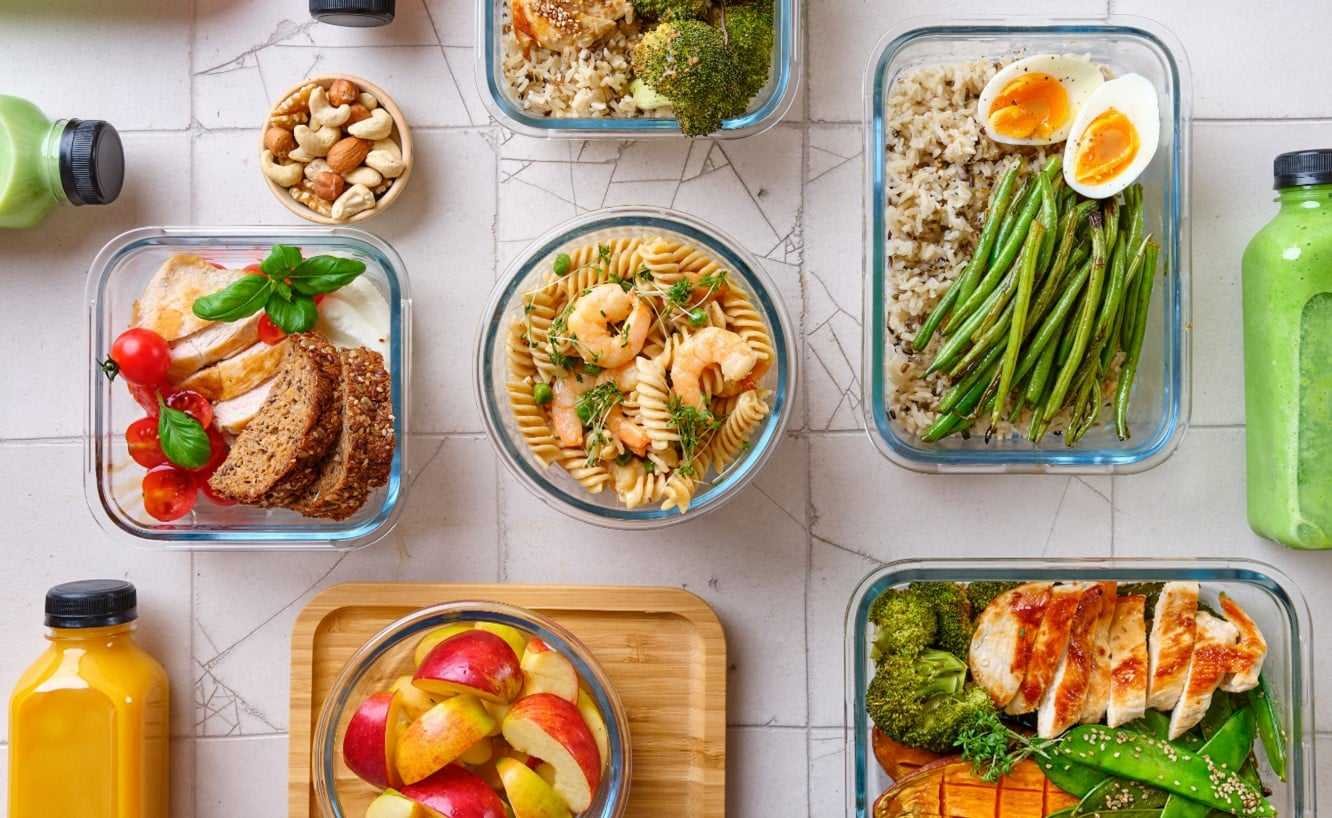
Want to eat healthier without breaking the bank or spending hours in the kitchen? The key to saving time and money with clean meal prep is planning ahead and choosing versatile ingredients that can be cooked in bulk. By organizing your meals for the week and shopping smart, you can streamline your cooking process, reduce waste, and stick to a budget. Preparing nutritious meals in advance not only keeps you on track with your health goals but also frees up more time for the things you love. In this article, you’ll learn simple yet effective strategies to make clean eating easier, more affordable, and less time-consuming, so you can enjoy delicious, wholesome food every day without the stress.

How do I save time and money with clean meal prep?
Understanding the Benefits of Clean Meal Prep
Clean meal prep involves preparing healthy, minimally processed foods ahead of time. This practice can save you hours each week and reduce your grocery bill. By planning and preparing your meals, you avoid last-minute takeouts and impulse purchases. Additionally, it helps you control portion sizes and ingredients, making healthier choices easier.
Planning Your Weekly Meals Effectively
Planning is the first step toward saving both time and money. Start by creating a simple meal plan for the week, focusing on nutritious ingredients you already enjoy. Make a detailed shopping list based on your plan to eliminate unnecessary items. This helps prevent impulse buying and reduces food waste.
Simple Meal Planning Tips
- Choose versatile ingredients that can be used across multiple meals
- Incorporate seasonal and sale items to cut costs
- Set aside time each week for meal planning and prep
A consistent plan ensures you always have ingredients on hand and reduces the time spent deciding what to eat.
Batch Cooking for Maximum Efficiency
Batch cooking involves preparing large quantities of food at once, then dividing it into portions for the week. This method minimizes cooking time daily and keeps your fridge stocked with ready-to-eat meals.
Best Foods for Batch Cooking
- Grains like rice and quinoa
- Legumes such as beans and lentils
- Roasted vegetables
- Cooked proteins like chicken breasts or tofu
These items store well and can be combined to create variety throughout the week.
Using Proper Storage Techniques
Storing prepped meals correctly prevents spoilage and maintains freshness. Use airtight containers to keep food secure and organized in your fridge or freezer. Label containers with dates to track freshness.
Storage Tips
- Divide large batches into individual portions for easy grab-and-go meals
- Freeze meals that won’t be eaten within a few days
- Keep fruits and vegetables in crisp drawers to extend shelf life
Good storage prevents food waste and saves money in the long run.
Smart Shopping for Cost Savings
Buying ingredients in bulk is a key strategy to lower grocery bills. Look for sales, discounts, and warehouse stores for pantry staples and proteins. Incorporating frozen and canned options can also be budget-friendly without sacrificing nutrition.
Tips for Budget-Friendly Shopping
- Compare unit prices to find the best deals
- Prioritize unprocessed, whole foods over processed snacks
- Use shopping lists and stick to them to avoid impulse buying
This disciplined approach keeps your grocery costs down while ensuring high-quality ingredients.
Minimizing Food Waste and Cost
Plan meals that utilize leftover ingredients or parts of vegetables and meats. Repurpose Sunday’s roasted vegetables into salads or wraps for busy weekdays. Regularly check your fridge for items nearing expiry and incorporate them into meals.
Tips to Reduce Waste
- Cook only what you need to prevent leftovers from spoiling
- Repurpose cooked ingredients creatively
- Share surplus food with family or neighbors if possible
Reducing waste directly cuts down on expenses and supports sustainability.
Incorporating Time-Saving Tools and Techniques
Using kitchen tools can speed up meal prep considerably. Slow cookers, pressure cookers, and food processors prepare meals faster and with less effort.
Must-Have Kitchen Gadgets
- Slow Cooker
- Instant Pot or Pressure Cooker
- Food Processor or Blender
- Meal Prep Containers
These devices help you prepare nutritious meals quickly, freeing up your schedule.
Building a Streamlined Meal Prep Routine
Establishing a routine reduces decision fatigue and creates consistency. Dedicate specific times each week for planning, shopping, and cooking. Seasoning and portioning meals ahead of time make daily routines smoother.
Sample Weekly Routine
- Sunday afternoon: Meal planning and shopping
- Monday morning: Batch cooking and portioning
- Midweek: Check and restock fresh produce
A steady routine takes the guesswork out of daily healthy eating.
Balancing Cost and Nutrition in Meal Prep
Focus on foods that deliver maximum nutrition for the lowest cost. Incorporate whole grains, seasonal produce, and affordable protein sources into your meal prep.
Cost-Effective Nutrient Sources
- Beans and lentils for plant-based protein
- Eggs as a versatile, affordable protein source
- Frozen vegetables for convenience and savings
- Whole grains like oats and brown rice
Enhancing meals with herbs and spices adds flavor without extra expense.
Related Topics for Further Savings and Health
- How to grow your own herbs and vegetables at home
- Meal prep on a budget for families
- Healthy snack prep to prevent costly vending machine visits
- Reducing food waste with composting and smart storage
Exploring these topics can give you more ideas to improve your meal prep routine and save resources.
By adopting these strategies, you can make your clean meal prep more efficient, cost-effective, and enjoyable. Preparing nutritious meals ahead of time leads to healthier eating habits and significant savings over time. Keep it simple, plan ahead, and use the right tools—these steps will help you get the most out of your meal prep sessions.
Frequently Asked Questions
How can planning meals in advance help me save both time and money?
Planning meals ahead allows you to buy ingredients in bulk, reducing overall grocery expenses. It also helps you avoid last-minute takeout or impulse purchases, saving money. Additionally, preparing meals based on a weekly plan ensures you use ingredients efficiently, minimizing waste and saving time during busy weekdays.
What are some cost-effective ingredients I should focus on for clean meal prep?
Opt for affordable, nutrient-dense ingredients like lentils, beans, frozen vegetables, and whole grains such as brown rice or oats. These items are budget-friendly and versatile, making it easier to prepare a variety of healthy meals without overspending. Purchasing seasonal produce also helps keep costs low while adding flavor and nutrition.
How does batch cooking contribute to saving time and money?
Batch cooking allows you to prepare large quantities of meals at once, reducing the number of cooking sessions throughout the week. This approach saves time, as you only cook on designated days, and cuts down on energy and ingredient costs. Stored properly, leftovers can serve multiple meals, further stretching your food budget.
Can using kitchen tools like slow cookers or meal prep containers help optimize my efforts?
Yes, using slow cookers enables you to cook large meals effortlessly with minimal attention, saving time and energy. Meal prep containers help organize and store meals efficiently, making grab-and-go options easier to access during busy days. These tools streamline your process, ensuring consistency and reducing waste.
What tips can help me shop more efficiently for clean meal prep without overspending?
Create a shopping list based on your meal plan to avoid unnecessary purchases. Stick to your list and buy in bulk when possible, especially for staples. Shop store brands and look for discounts or sales, and consider visiting farmers’ markets for fresh, affordable produce. Planning your shopping trips during sales can significantly lower your costs.
Final Thoughts
How do I save time and money with clean meal prep? Focus on planning your meals for the week to avoid last-minute shopping and impulse buys. Buy ingredients in bulk to reduce costs and minimize waste. Prepare meals in advance to cut down on daily cooking time and ensure healthy choices. Staying organized with a prep schedule helps maintain consistency and saves effort. By following these tips, you make clean meal prep easier, more affordable, and less time-consuming.
As an Amazon Associate, We earn from qualifying purchases. When you purchase a product through Amazon links on pulsefitguide.com, we may earn a small commission at no extra cost to you. This helps support the site and keep our content free.
