


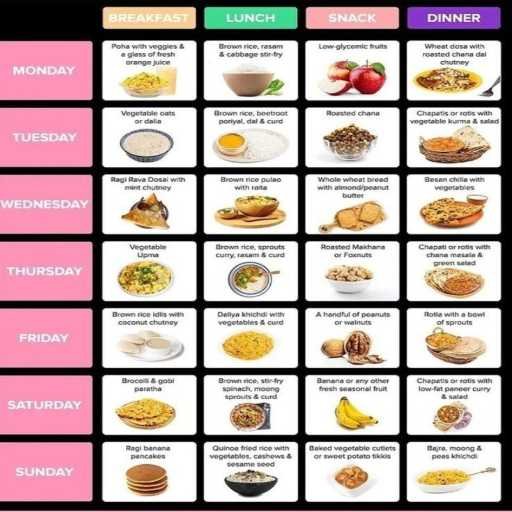
To create a 7-day meal plan for weight loss, focus on balancing nutritious foods, controlling portion sizes, and incorporating a variety of flavors to keep things interesting. Start by identifying your calorie needs, then plan meals that include lean proteins, whole grains, healthy fats, and plenty of vegetables. Keep track of your intake, stay hydrated, and allow yourself flexibility to prevent feeling deprived. By doing so, you’ll make sustainable changes that support your weight loss goals.
A well-designed 7-day meal plan helps you stay organized, reduce impulsive eating, and ensures you’re fueling your body with the right nutrients. It involves planning balanced meals ahead of time, considering your preferences, and making adjustments based on your progress and lifestyle. With some preparation, you’ll be on your way to achieving your weight loss goals more efficiently.
Jumping into a weight loss journey can feel overwhelming, but creating a simple, effective 7-day meal plan makes it manageable and even enjoyable. Instead of relying on last-minute decisions or fad diets, a structured plan ensures you’re eating nourishing foods that promote fat loss while keeping your energy levels high. The key is to plan ahead, choose wholesome ingredients, and make small tweaks to fit your tastes and schedule. This approach not only keeps you accountable but also helps you develop healthier eating habits that last long term.

How do I create a 7-day meal plan for weight loss?
Creating a 7-day meal plan for weight loss might seem challenging at first. However, with some simple steps and planning, you can develop a plan that helps you lose weight while still enjoying your meals. This section will walk you through the process and provide tips to make your meal plan effective and sustainable.
Understanding Your Caloric Needs
Before choosing what to eat, it’s essential to know how many calories your body needs each day. Your caloric needs depend on factors like age, gender, weight, height, and activity level. Use online calculators to estimate your daily calorie requirement for weight loss, which is usually a deficit of 500 to 1000 calories per day from your maintenance level. This deficit can help you lose about 1 to 2 pounds weekly safely.
Setting Realistic Goals
Set clear, achievable goals for your 7-day meal plan. For example, aim to lose 1 pound by the end of the week or reduce your daily calorie intake by a specific amount. Goals keep you motivated and help you stay on track. Remember to make your goals realistic to avoid frustration or feeling deprived.
Choosing Nutrient-Dense Foods
Focus on foods high in nutrients but lower in calories. Fruits, vegetables, lean proteins, whole grains, and healthy fats form the core of a healthy weight loss meal plan. These foods help you feel full longer and provide essential vitamins and minerals. Incorporate a variety of colors and textures to keep meals interesting.
Balancing Macros for Proper Nutrition
A balanced meal plan includes the right mix of carbohydrates, proteins, and fats. Generally, aim for:
- Carbohydrates: 45-55% of daily calories
- Proteins: 15-25% of daily calories
- Fats: 20-30% of daily calories
This balance supports energy levels and muscle preservation during weight loss.
Planning Breakfast, Lunch, Dinner, and Snacks
Divide your daily calories into three main meals and healthy snacks. Breakfast should be filling to start your day right. Lunch and dinner should be balanced, with plenty of vegetables, lean protein, and whole grains. Snacks can include nuts, fruit, or yogurt, helping prevent overeating during main meals.
Example Daily Calorie Breakdown
| Meal | Calories |
|---|---|
| Breakfast | 350 |
| Lunch | 450 |
| Dinner | 500 |
| Snacks | 200 |
| Total | 1500 |
Adjust these based on your specific caloric needs.
Creating Your Weekly Meal Plan
Start by listing meal options for each day, including breakfast, lunch, dinner, and snacks. Rotate foods to prevent boredom, but keep portions in check. Use simple recipes and batch cook when possible to save time. Incorporate your favorite healthy foods to stay motivated.
Sample 7-Day Meal Plan Structure
- Day 1: Oatmeal with berries, grilled chicken salad, baked salmon with vegetables, apple slices with almond butter.
- Day 2: Scrambled eggs with spinach, turkey sandwich on whole-grain bread, stir-fried tofu with rice, Greek yogurt with honey and nuts.
- Day 3: Smoothie with banana and spinach, quinoa salad with veggies, lean beef stir-fry, berries with cottage cheese.
Shopping List Essentials
Prepare a list based on your weekly meal plan. Stock up on whole foods like:
- Fresh fruits and vegetables
- Lean proteins (chicken, fish, tofu)
- Whole grains (brown rice, oats, quinoa)
- Healthy fats (avocado, nuts, olive oil)
Having everything on hand makes sticking to your plan easier.
Meal Prep Tips for Success
Meal prepping saves time and helps prevent unhealthy food choices. Batch cook your proteins and grains, chop vegetables ahead, and store portioned meals in containers. Keep healthy snacks accessible to avoid reaching for processed snacks when hungry.
Adjusting Your Meal Plan as Needed
Monitor your progress weekly and adjust your plan if necessary. If you’re not losing weight as expected, consider reducing portion sizes or increasing physical activity. Listen to your body’s hunger cues and avoid extreme restrictions to stay healthy and motivated.
Incorporating Hydration and Exercise
Drink plenty of water throughout the day—at least 8 glasses. Stay active with regular exercise, which enhances weight loss results. Combining a balanced meal plan with physical activity creates the best environment for sustainable weight loss.
Additional Tips for Maintaining Your Plan
Keep a food diary to track your meals and progress. Find healthy recipes that you enjoy to make meal planning fun. Remember, consistency is key; small daily changes lead to big results over time.
Creating a 7-day meal plan for weight loss involves understanding your calories, choosing nutrient-dense foods, balancing your macros, and planning meals thoughtfully. With preparation and commitment, you can reach your goals while still enjoying tasty, satisfying meals.
Mediterranean Diet Meal Plan | 7 days
Frequently Asked Questions
What essential nutrients should I include in my weekly meal plan for weight loss?
Ensure your meal plan includes a balance of protein, healthy fats, complex carbohydrates, vitamins, and minerals. Focus on lean proteins like chicken, fish, and beans; incorporate plenty of vegetables and fruits for fiber and nutrients; choose whole grains such as brown rice and oats; and include sources of healthy fats like avocados and nuts. This variety helps maintain energy levels, keeps you full longer, and supports overall health while aiming for weight loss.
How can I incorporate portion control into my 7-day meal plan?
Plan your meals with specific serving sizes based on your daily calorie goals. Use measuring tools or a food scale to keep portions in check, and be mindful of serving sizes when preparing meals. Incorporate smaller plates and bowls to naturally limit portions, and listen to your body’s hunger cues. Balancing each meal with appropriate portions ensures you create a caloric deficit necessary for weight loss without feeling deprived.
What strategies can I use to stay consistent with my meal plan throughout the week?
Prepare meals in advance by batch cooking and portioning them into containers for the week. Having healthy snacks on hand reduces the temptation to opt for less nutritious options. Set specific meal times and stick to them to develop a routine, and keep a food journal to track your intake. Maintaining consistency helps your body adjust to the plan, making it easier to stay committed and see results.
Final Thoughts
Creating a 7-day meal plan for weight loss starts with setting clear, realistic goals. Choose nutritious, satisfying foods that you enjoy to stay motivated. Focus on balanced meals with lean proteins, vegetables, and whole grains. Planning ahead reduces temptation and ensures you stick to your calorie target.
Remember to vary your meals to avoid boredom and ensure a range of nutrients. Adjust portion sizes based on your specific weight loss needs. Keep track of your progress and make gradual changes for long-term success.
How do I create a 7-day meal plan for weight loss? Focus on simplicity, consistency, and enjoyment to maintain your plan and achieve your goals effectively.
As an Amazon Associate, We earn from qualifying purchases. When you purchase a product through Amazon links on pulsefitguide.com, we may earn a small commission at no extra cost to you. This helps support the site and keep our content free.
