


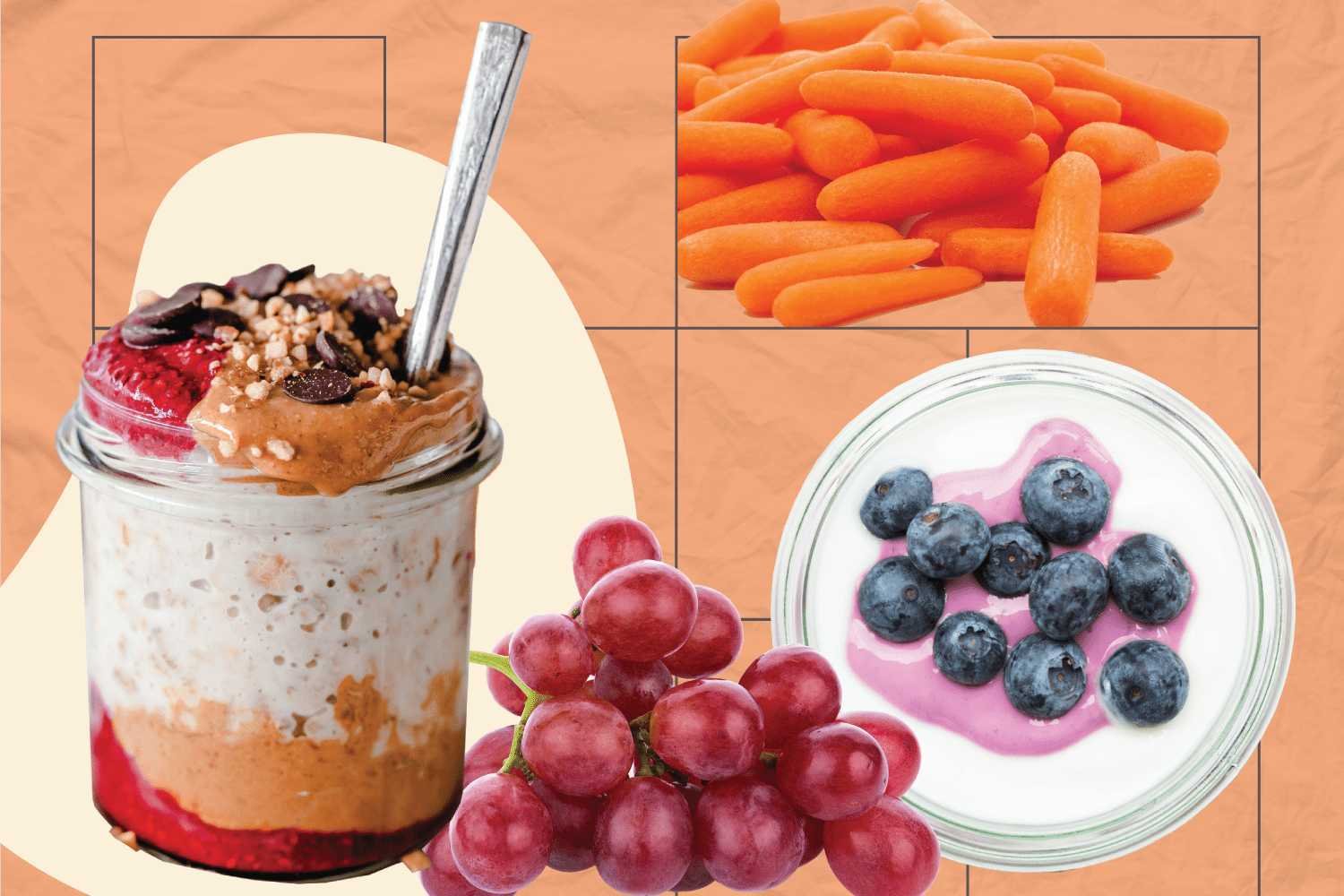
To kickstart a weekly meal plan for fat loss, focus on planning ahead, choosing nutrient-dense foods, and maintaining portion control. Starting with simple, balanced meals and tracking your progress can make the process manageable and effective. Remember, consistency and mindful eating are key to seeing results.
Crafting a successful weekly meal plan for fat loss doesn’t have to be overwhelming. The first step is to set clear goals, such as how much weight you want to lose or specific health improvements. Then, build your meal plan around whole, unprocessed foods—think lean proteins, vegetables, fruits, whole grains, and healthy fats. Prepare your meals in advance to avoid the temptation of unhealthy choices, and keep track of your intake to stay within your calorie goals. Most importantly, stay flexible and listen to your body’s signals. A well-structured plan paired with patience and persistence can help you reach your fat loss goals more smoothly.

How can I start a weekly meal plan for fat loss?
Understanding the Basics of a Fat-Loss Meal Plan
To begin a successful weekly meal plan for fat loss, it’s essential to understand the fundamentals. Fat loss occurs when you consume fewer calories than your body burns each day. Creating a calorie deficit helps your body use stored fat for energy.
A balanced meal plan should focus on nutrient-dense foods that satisfy your hunger and support overall health. These include lean proteins, whole grains, healthy fats, and plenty of vegetables and fruits. Planning ahead ensures you make smarter choices and avoid last-minute unhealthy options.
Determine Your Caloric Needs
Before designing your meal plan, find out how many calories you need daily. Use an online calculator to estimate your basal metabolic rate (BMR) and activity level. Subtract 500 to 750 calories from your maintenance level for safe, sustainable fat loss.
Tracking your daily intake with a food diary or app helps maintain awareness. Remember, a calorie deficit should be moderate to prevent muscle loss and fatigue. Adjust your plan as you progress to stay on track and avoid plateaus.
Setting Realistic Goals
Establish clear, achievable goals for your fat-loss journey. Focus on losing 1 to 2 pounds per week, which is safe and sustainable. Break your overall goal into smaller weekly targets to stay motivated.
Having measurable milestones helps you monitor progress. Celebrate small wins like sticking to your plan or fitting into a favorite pair of jeans. Keep your goals flexible to adapt to your lifestyle and avoid frustration.
Creating a Weekly Meal Schedule
A well-organized meal schedule simplifies your week. Start by choosing fixed meal times, such as breakfast, lunch, dinner, and healthy snacks. Spread your calorie intake evenly throughout the day to maintain energy levels.
Plan your meals on a calendar or spreadsheet. Include a variety of foods to prevent boredom and ensure you get a broad range of nutrients. Consider batch cooking or prepping ingredients in advance for convenience.
Meal Planning Tips for Fat Loss
- Include lean proteins like chicken, turkey, fish, and plant-based options such as beans and lentils to promote satiety.
- Choose complex carbohydrates like brown rice, oats, and sweet potatoes to provide lasting energy without spikes in blood sugar.
- Incorporate healthy fats from sources like avocados, nuts, seeds, and olive oil to support hormonal health.
- Fill half your plate with vegetables and fruits to boost fiber intake and reduce calorie density.
- Limit processed foods, sugary drinks, and high-calorie snacks that can sabotage your plan.
Sample Weekly Meal Plan Structure
The following is a basic outline to help you develop your own plan:
| Day | Breakfast | Lunch | Dinner | Snacks |
|---|---|---|---|---|
| Monday | Oatmeal with berries and nuts | Grilled chicken salad with mixed greens | Baked salmon with steamed broccoli | Greek yogurt with honey |
| Tuesday | Scrambled eggs with spinach | Quinoa and veggie stir-fry | Turkey meatballs with roasted sweet potatoes | Apple slices with almond butter |
| Wednesday | Greek yogurt with granola and fruit | Stuffed bell peppers with lean beef | Stir-fried tofu with vegetables | Carrot sticks with hummus |
This structure provides a clear model that balances calories, nutrients, and flavor.
Incorporating Flexibility and Variety
Variety keeps your meal plan interesting and sustainable. Rotate different proteins, grains, and vegetables weekly. Use herbs and spices to add flavor without extra calories.
Allow flexibility for special occasions or cravings to prevent feelings of deprivation. If you slip up, don’t get discouraged — simply return to your plan the next meal.
Grocery Shopping and Meal Prep
Creating a shopping list based on your meal plan saves time and reduces impulse purchases. Focus on whole foods and avoid processed items. Organize your list into categories like proteins, produce, grains, and snacks for efficiency.
Meal prepping involves cooking or prepping ingredients ahead of time. Store portions in labeled containers for quick access. This reduces the temptation of fast food and helps keep your calorie intake on track.
Tracking Progress and Making Adjustments
Regularly monitor your weight, measurements, or how your clothes fit. Use a journal or app to record your food intake and physical activity. If progress stalls, review your plan for hidden calories or portion sizes.
Adjust portion sizes, meal composition, or calorie intake as needed. Make your plan adaptable to changing activity levels or lifestyle events. Being flexible helps maintain motivation over the long term.
Combining Nutrition with Physical Activity
Remember that diet and exercise go hand-in-hand. Incorporate regular physical activity such as walking, strength training, or cardio workouts. Exercise boosts calorie burn and preserves muscle mass during fat loss.
Schedule workouts on days when your meals are planned to maximize energy and recovery. A balanced approach enhances overall health and aids in reaching your fat-loss goals faster.
Staying Motivated and Consistent
Set small, achievable goals and track your progress regularly. Surround yourself with supportive people or join groups with similar goals. Keeping a positive attitude helps you stay committed during challenges.
Remember, consistency is key. Focus on making sustainable changes rather than striving for perfection. Over time, your habits will reinforce the results you want.
Starting a weekly meal plan for fat loss requires understanding your calorie needs, making realistic goals, and planning balanced, varied meals. Prioritize nutrient-rich foods and prepare your meals ahead of time to stay on track. Combine your nutrition plan with regular activity and flexibility for lasting success. Keep tracking your progress, stay motivated, and enjoy the journey toward a healthier, leaner body.
The Best Meal Plan To Lose Fat Faster (EAT LIKE THIS!)
Frequently Asked Questions
What steps should I take to plan my weekly meals for fat loss?
Begin by assessing your daily caloric needs based on your current weight, activity level, and goals. Create a balanced meal plan that includes lean proteins, complex carbohydrates, healthy fats, and plenty of vegetables. Prepare a shopping list aligned with your plan to avoid impulse buys. Incorporate variety to prevent boredom and ensure a range of nutrients. Finally, set aside time each week to prepare and portion your meals to stay consistent.
How can I incorporate flexibility into my weekly meal plan for fat reduction?
Plan for some flexibility by including healthy, satisfying alternatives for your main meals and snacks. Allow yourself occasional treats in moderation to stay motivated and prevent feelings of deprivation. Use versatile ingredients that can be prepared in multiple ways, making it easier to adapt your meals if needed. Remember to listen to your body’s hunger cues and adjust your portions or food choices accordingly.
What tools or resources can help me stay on track with my weekly meal plan?
Utilize meal planning apps or journaling to keep track of your meals and progress. Keep a detailed shopping list to streamline grocery shopping and reduce the risk of deviations. Consider investing in portion control containers to manage serving sizes easily. Additionally, seek out online recipes and resources to keep your meal options interesting and aligned with your fat loss goals. Regularly reviewing your plan helps you stay accountable and make necessary adjustments.
Final Thoughts
To start a weekly meal plan for fat loss, begin by setting clear and realistic goals. Choose nutritious, satisfying foods that you enjoy to stay motivated. Plan meals ahead and prepare ingredients in advance to save time.
Track your progress and adjust portions as needed to stay on course. Consistency and mindful eating will support your fat loss journey. How can I start a weekly meal plan for fat loss? Focus on balanced, wholesome meals and stay committed to your plan for lasting results.
As an Amazon Associate, We earn from qualifying purchases. When you purchase a product through Amazon links on pulsefitguide.com, we may earn a small commission at no extra cost to you. This helps support the site and keep our content free.
