


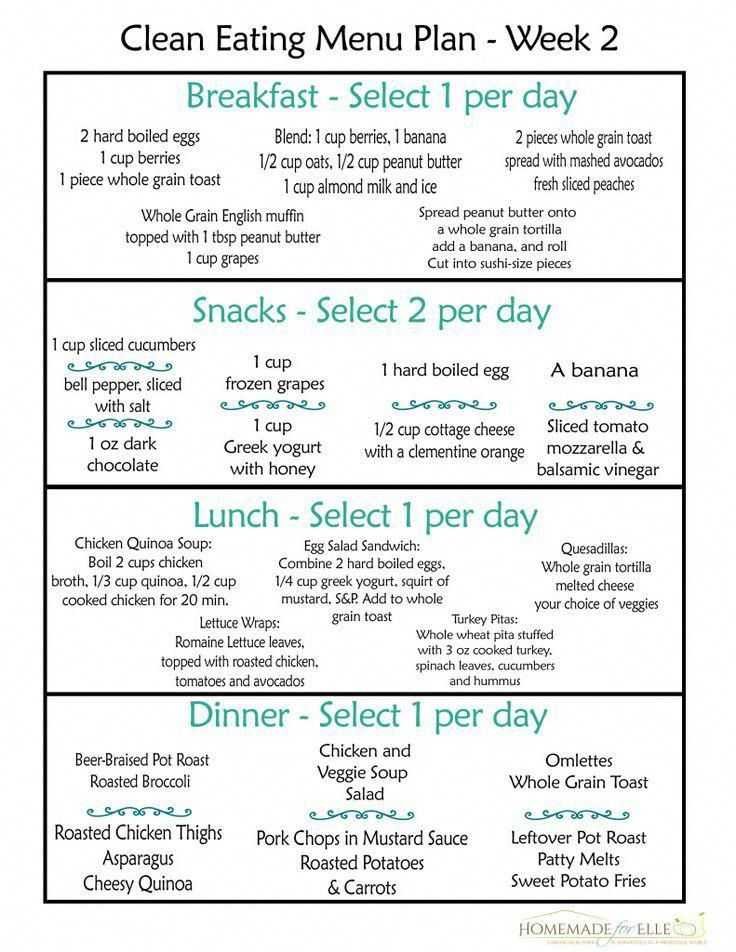
Looking to shed pounds without breaking the bank on fancy meal plans? You’re in luck! A free, healthy eating meal plan can help you lose weight effectively while sticking to your budget. By focusing on whole foods, portion control, and balanced nutrition, you can create satisfying meals that support your weight loss goals without costly ingredients or subscriptions.
In summary, a free healthy eating meal plan for weight loss emphasizes simple, nutrient-rich foods like vegetables, fruits, lean proteins, and whole grains. It encourages mindful eating and portion control to promote steady, sustainable weight loss, making it accessible and easy to follow without spending extra money.
Starting a weight loss journey doesn’t have to be complicated or expensive. You can achieve your goals with a straightforward, free meal plan that prioritizes nutritious, wholesome foods you likely already have at home. This approach not only helps you burn fat but also cultivates healthier eating habits that last a lifetime. Simply put, with a little planning and mindful choices, you can enjoy delicious, satisfying meals while losing weight effectively—all without spending a dime on costly diets or meal plans.

Free Healthy Eating Meal Plan for Weight Loss
Starting a weight loss journey can feel overwhelming, especially when you worry about expensive meal plans or special diets. The good news is that you can lose weight with a free healthy eating meal plan that’s easy to follow and budget-friendly. This guide will help you understand how to create a simple, nutritious meal plan without spending extra money. With the right approach, you can shed pounds while still enjoying tasty, satisfying foods.
Understanding the Basics of a Healthy Meal Plan for Weight Loss
Why Focus on Nutrition Over Calories
Nutrition is key to losing weight healthily. Eating a balanced diet rich in vegetables, fruits, whole grains, and lean proteins helps you feel full longer and boosts your energy. Simply counting calories doesn’t support your overall health and can lead to nutrient deficiencies.
How a Meal Plan Supports Your Goals
A well-designed plan provides structure and prevents impulsive eating. It helps you control portion sizes and ensures you consume enough nutrients daily. Having a plan also reduces the guesswork, making healthy choices easier each day.
Essential Components of a Free Healthy Eating Meal Plan for Weight Loss
Fruits and Vegetables
Aim for at least five servings of fruits and vegetables every day. They are packed with vitamins, minerals, and fiber, which aid digestion and help control hunger. Choose seasonal produce to save money and enjoy fresh flavors.
Whole Grains
Include options like brown rice, oats, and whole wheat bread. Whole grains provide fiber that keeps you feeling full longer and help stabilize blood sugar levels. They are a vital part of any weight loss plan.
Lean Proteins
Good sources include chicken breast, beans, lentils, and eggs. Protein helps to build muscle and keeps you satisfied between meals. Incorporate lean proteins into each meal for balanced nutrition.
Healthy Fats
Don’t forget healthy fats found in foods like nuts, seeds, avocados, and olive oil. They support brain health and help to keep hunger at bay. Use them in moderation as part of your daily meals.
Creating Your Free Meal Plan: Step-by-Step
Step 1: Plan Your Meals
Start by listing your favorite healthy foods from each group. Create a weekly menu that includes breakfast, lunch, dinner, and snacks. Keep it simple to ensure you will stick with the plan.
Step 2: Use Free Resources for Inspiration
Browse free online meal plans, blogs, and recipes tailored for weight loss. Many websites offer weekly printable plans that you can customize and adapt based on your preferences.
Step 3: Prepare Your Grocery List
Based on your plan, write a list of inexpensive ingredients. Focus on versatile foods that can be used in multiple meals to reduce waste and save money.
Step 4: Batch Cook and Meal Prep
Cook large portions ahead of time and store them in containers. This saves time during busy days and helps prevent unhealthy last-minute food choices. Batch cooking also minimizes waste and maximizes your grocery budget.
Sample Weekly Meal Plan for Free Healthy Eating and Weight Loss
| Day | Breakfast | Lunch | Dinner | Snacks |
|---|---|---|---|---|
| Monday | Oatmeal with berries | Grilled chicken salad with mixed greens | Stir-fried vegetables with tofu | A small handful of almonds |
| Tuesday | Scrambled eggs with spinach | Whole wheat sandwich with turkey and lettuce | Quinoa with roasted vegetables | Carrot sticks with hummus |
| Wednesday | Greek yogurt with sliced banana | Veggie wrap with hummus | Baked fish with broccoli | Apple slices with peanut butter |
| Thursday | Banana and almond butter smoothie | Lentil soup with whole grain bread | Chicken stir-fry with brown rice | Cucumber slices with cottage cheese |
| Friday | Whole grain toast with avocado | Quinoa salad with chickpeas and cucumbers | Vegetable omelet | Mixed berries |
| Saturday | Fruit salad with nuts | Vegetable and bean chili | Grilled shrimp with spinach | Celery sticks with hummus |
| Sunday | Oat pancakes with fresh fruit | Leftover stew or soup | Stuffed peppers with lean meat and rice | Yogurt with a few walnuts |
Additional Tips for Maintaining Your Free Meal Plan
Stay Hydrated
Drink plenty of water throughout the day to stay hydrated and reduce hunger. Sometimes, thirst can be mistaken for hunger, leading to unnecessary snacking.
Practice Portion Control
Use smaller plates and bowls to help control your portion sizes. Eating slowly allows your brain to recognize when you are full, preventing overeating.
Limit Processed Foods and Sugary Drinks
Avoid foods high in sugar, salt, and unhealthy fats. These can sabotage your weight loss efforts and lead to health issues.
Stay Active
Combine your healthy meal plan with regular physical activity. Simple exercises like walking, stretching, or cycling support your weight loss goals.
Benefits of a Free Healthy Eating Meal Plan for Weight Loss
- Cost-effective: Saves money by utilizing affordable ingredients and avoiding special diet products.
- Flexible: Adapt the plan based on your taste preferences and nutritional needs.
- Healthier habits: Encourages consistent healthy eating practices that last beyond weight loss.
- Time-saving: Meal prep and batch cooking make busy schedules manageable.
How to Adjust Your Meal Plan for Personal Needs
Allergies and Food Sensitivities
Substitute ingredients to avoid allergens, such as gluten or dairy. Focus on safe, nutritious alternatives that fit your lifestyle.
Specific Nutritional Goals
If you need to increase protein or reduce carbs, modify meal components accordingly. Consult a healthcare provider for personalized advice.
Meal Portion Sizes
Adjust portions based on your calorie needs, activity level, and weight loss goals. Smaller portions work well for some, while others may need larger servings.
Creating a free healthy eating meal plan for weight loss doesn’t have to be complicated or expensive. Focus on simple, nutritious foods that you enjoy, and plan ahead to stay on track. Remember, consistency is key, and small changes can lead to big results over time. Keep experimenting with different recipes and foods to keep your plan interesting and sustainable. By following these steps, you’ll be able to reach your goals without stress or extra costs. Happy eating and best of luck on your journey to a healthier you!
Frequently Asked Questions
How can I customize a free healthy eating meal plan to fit my personal dietary needs?
To personalize a meal plan, start by identifying your specific health goals, dietary restrictions, and preferred foods. Adjust portion sizes and include a variety of nutrient-dense ingredients that you enjoy. Incorporate foods that support your lifestyle, whether you’re vegetarian, have food allergies, or follow a particular diet. Tracking your progress and making small tweaks based on how your body responds ensures the plan remains effective and enjoyable.
What are some tips for sticking to a free healthy eating meal plan daily?
Set clear, achievable goals and prepare meals ahead of time to avoid last-minute temptations. Keep healthy snacks readily available to curb hunger, and stay hydrated throughout the day. Maintaining a balanced intake of carbohydrates, proteins, and fats supports energy levels and satisfaction. Additionally, tracking your meals can help you stay accountable and identify areas for improvement.
Are there specific foods I should include or avoid in my healthy meal plan for weight loss?
Focus on incorporating whole foods like fruits, vegetables, lean proteins, whole grains, and healthy fats. These foods provide essential nutrients and help you feel full longer. Limit or avoid processed foods, sugary drinks, and foods high in saturated fats and refined sugars. Choosing nutrient-rich options supports weight loss while nourishing your body.
How often should I plan and review my meal plan to ensure it remains effective?
Plan your meals weekly to stay organized and ensure variety. Review your progress at least every two weeks, and adjust your plan based on your changing needs, preferences, or progress. Regularly evaluating helps you stay motivated and ensures your meal plan continues to support your weight loss goals effectively.
Final Thoughts
A free healthy eating meal plan for weight loss provides a practical way to start your journey. It offers balanced nutrition without cost, making healthy choices accessible. Consistent adherence to such plans can lead to sustainable weight management. Taking advantage of this resource helps you stay committed to your health goals while enjoying tasty, wholesome meals.
As an Amazon Associate, We earn from qualifying purchases. When you purchase a product through Amazon links on pulsefitguide.com, we may earn a small commission at no extra cost to you. This helps support the site and keep our content free.
