


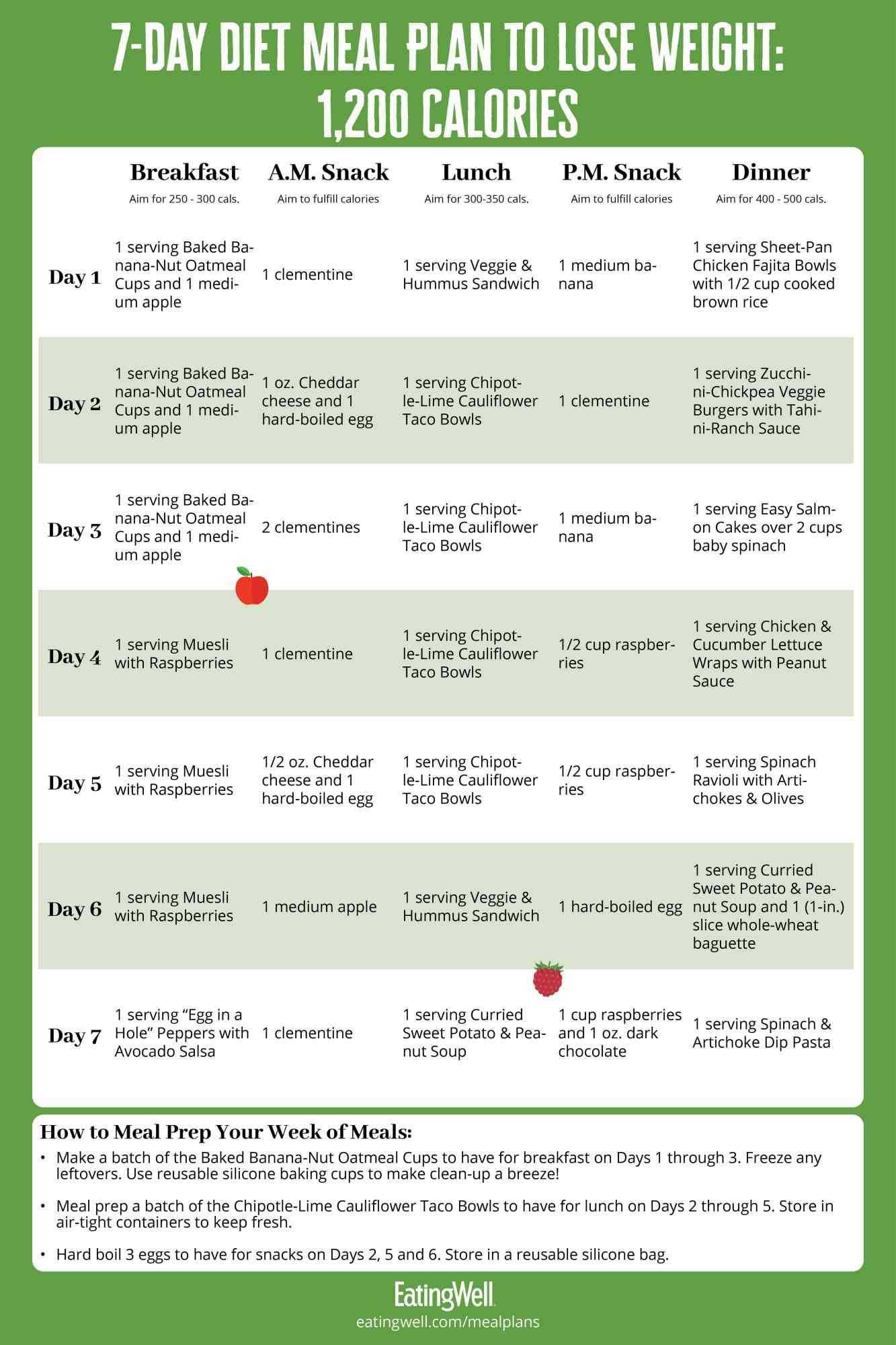
Looking to shed those extra pounds with a meal plan that actually works? The secret lies in customized, balanced nutrition that keeps you full and energized while promoting weight loss. A well-designed dietitian-approved meal plan offers the perfect blend of lean proteins, healthy fats, and fiber-rich carbs, making your weight loss journey both effective and sustainable.
A dietitian meal plan for weight loss focuses on portion control, nutrient-dense foods, and variety to keep cravings at bay. It’s tailored to individual needs, ensuring you get the right nutrients without overeating. By following a professional’s guidance, you can reach your goals faster and develop healthier eating habits for life.
Starting your weight loss journey can seem overwhelming, but with a dietitian’s expert guidance, you get a structured plan that simplifies decision-making and boosts your confidence. No more guessing which foods are best—just a clear, tasty roadmap to a healthier you. This plan emphasizes whole foods, balanced meals, and mindful eating to create sustainable results and help you achieve your weight loss goals with ease.

Dietitian Meal Plan for Weight Loss: A Comprehensive Guide
Creating a meal plan that helps with weight loss can feel overwhelming, especially with so much conflicting information out there. A dietitian-designed plan focuses on balanced nutrition and sustainable habits. This article provides an in-depth look at what a dietitian meal plan for weight loss involves and how to implement one effectively.
Understanding the Role of a Dietitian in Weight Loss
A dietitian provides personalized guidance based on your unique health profile and goals. They analyze your current eating habits, lifestyle, and medical history to develop a plan that promotes safe weight loss. Their expertise ensures your diet is nutritious, enjoyable, and achievable in the long term.
Key Principles of a Dietitian Meal Plan for Weight Loss
- Balanced Nutrition: Incorporate all food groups in appropriate portions.
- Calorie Control: Maintain a slight calorie deficit to promote fat loss without hunger or fatigue.
- Portion Management: Use specific serving sizes to prevent overeating.
- Food Quality: Prioritize whole, minimally processed foods.
- Meal Timing: Space meals evenly throughout the day to maintain energy levels.
Sample Daily Meal Plan for Weight Loss
Here’s an example of a well-rounded day of eating based on dietitian recommendations:
| Meal | Foods Included | Approximate Calories |
|---|---|---|
| Breakfast | Oatmeal with fresh berries and a teaspoon of honey, a boiled egg | 350 |
| Mid-Morning Snack | Greek yogurt with nuts | 150 |
| Lunch | Grilled chicken salad with mixed greens, cucumber, tomato, olive oil, and lemon dressing | 400 |
| Afternoon Snack | Apple slices with natural peanut butter | 200 |
| Dinner | Baked salmon, steamed broccoli, quinoa | 500 |
Total daily calories are approximately 1600-1700, suitable for weight loss in most adults. Adjustments depend on individual needs and activity levels.
Macronutrient Distribution and Its Importance
Proteins, Carbohydrates, and Fats
A healthy weight loss plan balances macronutrients effectively. Proteins help retain muscle mass and promote fullness. Carbohydrates provide energy, especially from complex sources like whole grains. Healthy fats support brain health and hormone production.
Recommended Macronutrient Ratios
- Proteins: 25-30% of daily calories
- Carbohydrates: 40-50% of daily calories
- Fats: 20-30% of daily calories
Incorporating Fiber and Hydration
High-fiber foods like fruits, vegetables, and whole grains enhance satiety and aid digestion, making it easier to stick to your plan. Drinking plenty of water throughout the day supports metabolism and helps control hunger. Aim for at least 8 glasses daily.
Smart Food Choices for Weight Loss
Foods to Include
- Lean Proteins: Chicken, turkey, fish, eggs, tofu
- Whole Grains: Brown rice, oats, whole wheat bread
- Healthy Fats: Avocado, nuts, seeds, olive oil
- Fruits and Vegetables: Berries, leafy greens, carrots, peppers
Foods to Limit or Avoid
- Refined Carbohydrates: White bread, pastries, sugary cereals
- Sugar-Sweetened Beverages: Sodas, sweetened coffee drinks
- Fried and Processed Foods: Chips, fast food, processed snacks
- High-Calorie Desserts: Ice cream, candies, baked sweets
Meal Preparation and Planning Tips
Meal prepping saves time and helps stick to your plan. Prepare ingredients in advance and portion meals into containers. This reduces temptation and ensures healthy options are always ready.
Batch Cooking Ideas
- Cook large batches of grains and proteins for the week
- Pre-cut vegetables for quick salads or stir-fries
- Make healthy snacks like energy balls or trail mix
Monitoring Your Progress
Track your meals and physical activity to stay accountable. Use apps or journals to record your intake and observe patterns. Regular check-ins with your dietitian can help adjust your plan as needed.
Addressing Common Challenges
Dealing with Cravings
Find healthier substitutes for your favorite treats. For example, enjoy fruit instead of candy or baked sweet potato fries instead of chips. Drinking water first can sometimes reduce the urge for snacks.
Managing Social Situations
Plan ahead by choosing healthier options or bringing your own dish. Practice mindful eating by savoring each bite without distractions. Remember, occasional indulgence is okay if balanced within your overall plan.
Creating a Sustainable Weight Loss Routine
Remember that consistency beats perfection. Small, manageable changes are more effective than drastic diets. Prioritize nourishing your body and developing habits you can stick to long-term.
Additional Tips for Success
- Set realistic, measurable goals
- Stay active alongside your diet plan
- Seek support from friends, family, or support groups
- Celebrate your progress, not just the scale
Implementing a dietitian meal plan for weight loss involves understanding your body’s needs and making informed choices. Focus on balanced, nutrient-dense foods, stay consistent, and be patient with your progress. This approach creates a foundation for lasting health and wellness.
Frequently Asked Questions
What are some examples of balanced meals recommended in a dietitian’s plan for weight loss?
A dietitian’s plan emphasizes meals that include a healthy balance of lean proteins, whole grains, vegetables, and healthy fats. For example, grilled chicken with quinoa and steamed broccoli or a salmon salad with mixed greens and avocado provide essential nutrients while helping control calorie intake. Incorporating variety ensures you receive all necessary vitamins and minerals, supporting overall health during weight loss.
How does portion control factor into a dietitian-approved meal plan for weight management?
Portion control is crucial in managing calorie intake without feeling deprived. A dietitian recommends using measuring tools, such as cups or a food scale, to accurately serve appropriate portions. Eating smaller, more frequent meals can also help regulate hunger and prevent overeating. By paying attention to serving sizes, you support steady weight loss and maintain energy levels throughout the day.
Can a dietitian’s meal plan be adapted to suit specific dietary restrictions or preferences?
Yes, a dietitian tailors meal plans to accommodate individual needs like vegetarian, gluten-free, or food allergy restrictions. They suggest alternative ingredients and recipes that still align with weight loss goals. Personal preferences are considered to promote sustained adherence, making it easier to incorporate healthy eating habits into everyday life while respecting your unique dietary needs.
Final Thoughts
A well-designed dietitian meal plan for weight loss offers balanced nutrition and manageable portions. It emphasizes whole foods, lean proteins, and vegetables, making it easier to stick to your goals. Consistency and variety keep your motivation high while promoting steady progress. By following a tailored plan, you set yourself up for long-term success in weight management.
As an Amazon Associate, We earn from qualifying purchases. When you purchase a product through Amazon links on pulsefitguide.com, we may earn a small commission at no extra cost to you. This helps support the site and keep our content free.
