


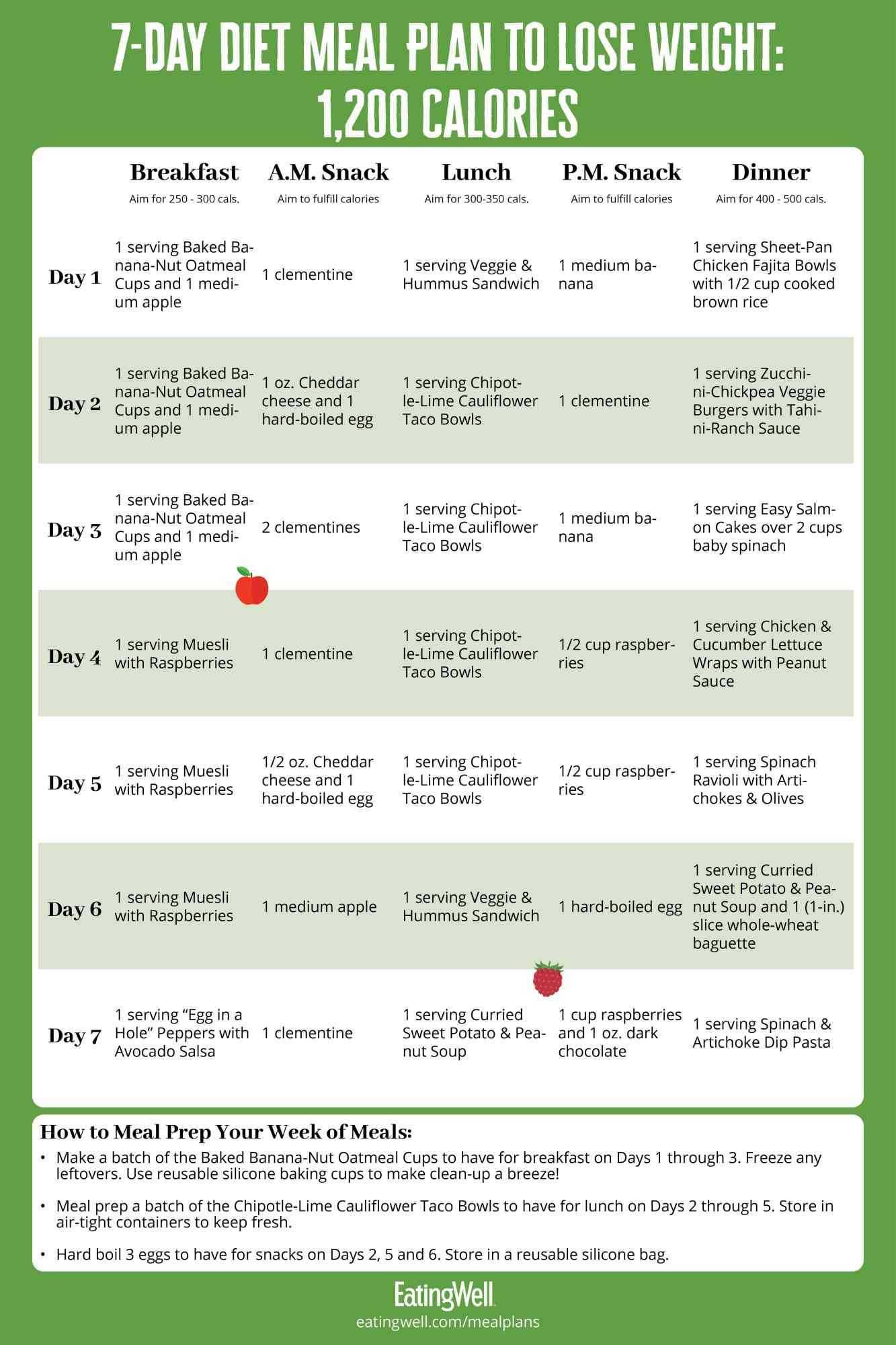
Looking for an effective way to shed those extra pounds? A personalized dietician meal plan can make all the difference, helping you lose weight safely and sustainably. The key is balancing nutrients, controlling portions, and choosing foods that keep you full and satisfied.
A well-crafted meal plan designed by a professional dietician ensures you get the right nutrients without feeling deprived. It promotes steady weight loss while supporting your energy levels and overall health. In this article, we’ll explore how a tailored dietician meal plan can help you reach your weight loss goals, with practical tips to incorporate into your daily routine. Whether you’re just starting your journey or looking to optimize it, a disciplined, enjoyable approach is the best way to succeed.

Dietician Meal Plan for Weight Loss: A Complete Guide
Understanding the Role of a Dietician in Weight Loss
A dietician creates personalized meal plans to help people lose weight safely and effectively. They consider factors like age, activity level, and health conditions. This professional guidance ensures a balanced approach that fits each person’s needs.
What Makes a Meal Plan Effective for Weight Loss?
An effective meal plan includes nutritious foods that promote fullness and prevent cravings. It balances calories, macronutrients (carbohydrates, proteins, fats), and micronutrients (vitamins and minerals). Consistency and portion control are also essential elements.
Key Components of a Dietician-Approved Meal Plan
A well-designed plan features a variety of foods from all food groups. It emphasizes whole, unprocessed foods and limits sugary snacks and high-fat items. Incorporating fiber-rich options helps improve digestion and keeps hunger at bay.
Breakfast Ideas for Weight Loss
Breakfast sets the tone for the day and can boost metabolism. Healthy choices include:
- Oatmeal topped with fresh berries and a sprinkle of nuts
- Whole-grain toast with avocado and boiled eggs
- Greek yogurt mixed with sliced fruit and chia seeds
These options provide fiber, healthy fats, and protein, which help you stay full longer.
Lunch Options That Support Weight Loss
Lunch should be satisfying but not heavy. Sample meals include:
- Grilled chicken salad with mixed greens and light vinaigrette
- Quinoa and vegetable stir-fry with tofu
- Turkey wrap with whole-grain tortilla and fresh vegetables
Adding lean proteins and vegetables increases satiety and minimizes calorie intake.
Dinner Meals for a Slimmer Waistline
Dinner choices should be light yet nourishing. Good options are:
- Baked salmon with roasted broccoli and sweet potatoes
- Stir-fried shrimp with mixed vegetables in olive oil
- Stuffed bell peppers with lean ground beef and brown rice
Opting for grilled or baked foods with vegetables helps control calorie consumption.
Healthy Snacks for Weight Loss
Snacks prevent hunger between meals and keep energy levels stable. Ideal snacks include:
- A handful of almonds or walnuts
- Fresh fruit like apples or oranges
- Baby carrots with hummus
Choose snacks rich in fiber and healthy fats, avoiding processed or sugary options.
Understanding Portion Control and Meal Timing
Controlling portion sizes prevents overeating and helps maintain calorie balance. Using smaller plates or measuring cups can assist in serving correct amounts. Eating at regular intervals, such as every three to four hours, keeps your metabolism active and reduces the chance of binge eating.
Hydration and Its Impact on Weight Loss
Drinking enough water supports digestion and helps manage hunger. Aim for at least eight glasses of water daily. Replacing sugary drinks with water or herbal teas can significantly reduce calorie intake.
Incorporating Physical Activity with Meal Planning
A balanced diet goes hand in hand with regular exercise. Even simple activities like walking or stretching boost calorie burn. Combining diet and movement accelerates weight loss and improves overall health.
Meal Prep Tips for Success
Preparing meals in advance saves time and ensures adherence to your plan. Batch-cook grains, chop vegetables, and portion snacks. Keep healthy options visible and accessible to avoid temptation.
Addressing Common Challenges in a Dietician Meal Program
You may encounter cravings or social eating situations. Planning ahead, practicing moderation, and choosing healthier alternatives can help. Support from friends or a community can also motivate consistency.
Monitoring Progress and Adjusting the Plan
Track your food intake, weight, and energy levels regularly. If progress stalls, consider adjusting portion sizes or food choices. Flexibility ensures the plan remains realistic and effective over time.
Additional Tips for a Sustainable Weight Loss Journey
Focus on habits rather than quick fixes. Eating mindfully, enjoying your food, and avoiding drastic restrictions foster long-term success. Celebrate small milestones to stay motivated.
Related Topics to Explore
Consider learning about:
- Meal planning for specific health conditions like diabetes
- Low-carb versus low-fat diets
- The importance of sleep in weight management
- Mindful eating techniques to reduce overeating
These areas complement your understanding of a balanced diet and support your weight loss goals.
Incorporating a dietician meal plan for weight loss involves more than just choosing healthy foods. It requires understanding your body’s needs, planning your meals carefully, and staying committed. By following expert guidance and making mindful choices, you can achieve your goals healthily and sustainably.
Frequently Asked Questions
How can I ensure my meal plan provides all essential nutrients while aiming for weight loss?
To receive all vital nutrients, incorporate a variety of food groups into your meal plan. Include lean proteins, whole grains, fruits, vegetables, and healthy fats. Regularly rotating food choices prevents nutrient deficiencies and keeps your meals interesting. Consulting a registered dietitian helps tailor your plan to meet your specific nutritional needs while supporting your weight loss goals.
What are some common mistakes to avoid when following a dietitian-designed meal plan for weight loss?
Avoid skipping meals, which can lead to overeating later. Don’t restrict yourself too severely, as it may cause nutritional gaps and cravings. Be cautious of portion sizes, and stay consistent with your meal timings. Also, limit processed foods and sugary drinks, which can hinder your progress. Regularly monitoring your intake and adjusting as needed helps you stay on track effectively.
How can I incorporate physical activity into my weight loss meal plan without feeling fatigued?
Balance your meals with adequate carbohydrates and proteins to fuel your workouts and aid recovery. Eating smaller, more frequent meals can provide consistent energy levels throughout the day. Hydrate well and include nutrient-rich snacks if needed. Listening to your body and adjusting your activity levels accordingly ensures that you stay energized without feeling overly exhausted.
Final Thoughts
A well-designed dietician meal plan for weight loss can help you achieve your health goals efficiently. Focus on balanced portions, nutrient-dense foods, and proper hydration to stay energized. Incorporate a variety of vegetables, lean proteins, and healthy fats to keep meals satisfying. Consistency is key in making sustainable progress and feeling good throughout the journey.
As an Amazon Associate, We earn from qualifying purchases. When you purchase a product through Amazon links on pulsefitguide.com, we may earn a small commission at no extra cost to you. This helps support the site and keep our content free.
