

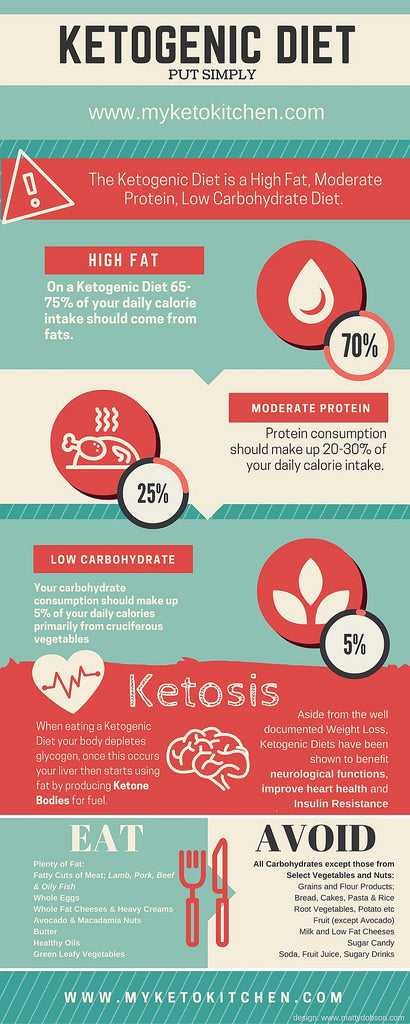
Yes, you can bulk on a low-carb diet, but it requires careful planning and adjustment to ensure you’re still gaining muscle without excess fat. While traditionally high-carb diets have been favored for bulking, many athletes and bodybuilders successfully build muscle on low-carb plans by focusing on adequate protein intake and strategic calorie increases. It’s all about finding the right balance and timing your carbs around workouts to optimize muscle growth.
Building muscle on a low-carb diet is entirely possible, but it’s different from traditional bulking methods. You’ll need to prioritize high-quality protein and healthy fats while managing your calorie surplus carefully. This approach can help you put on lean muscle without the extra fat often associated with high-carb bulks, making it a smart choice for those looking to stay lean while gaining mass.
Starting a bulk on a low-carb diet might seem counterintuitive, especially since carbs are often associated with energy and muscle growth. However, many people are now exploring low-carb and ketogenic diets for their fat-loss and energy benefits. If you’re considering bulking on low carbs, it’s important to understand how to maximize your protein intake, use targeted carbohydrate consumption around workouts, and monitor your calorie intake closely. With the right strategy, you can pack on muscle while maintaining a lean physique, ultimately proving that a high-carb diet isn’t the only way to build bulk.

Can you bulk on a low-carb diet?
Understanding the Basics of Low-Carb Diets
Low-carb diets focus on reducing carbohydrate intake to encourage the body to burn fat for energy. People typically eat more proteins and healthy fats instead of starchy foods. These diets are popular for weight loss, but many wonder if they can also support muscle growth during bulking.
Can You Build Muscle on a Low-Carb Diet?
Yes, it is possible to gain muscle on a low-carb diet, but it requires strategic planning. Building muscle depends on consuming enough calories and protein to support muscle repair and growth. While carbs are traditionally associated with energy for workouts, protein and fats can also fuel intense training sessions.
Key Components for Bulking on Low-Carb
To successfully bulk on a low-carb diet, focus on these essential elements:
- Protein: Crucial for muscle repair. Aim for 1.2 to 2 grams per kilogram of body weight daily.
- Healthy Fats: Provide energy and support hormone production. Include sources like avocados, nuts, and olive oil.
- Calorie Surplus: Consume more calories than you burn to facilitate muscle growth.
Adjusting Your Macros for Bulking
On a low-carb bulk, your daily macros might look like this:
| Macronutrient | Percentage of Daily Calories |
|---|---|
| Protein | 40% |
| Fats | 50% |
| Carbohydrates | 10% |
This distribution emphasizes protein and healthy fats while keeping carbs low. Adjust these ratios based on your personal goals and how your body responds.
Sources of Protein and Fats for Low-Carb Bulking
Choosing the right foods is vital for muscle gain on a low-carb diet:
Protein options include:
- Eggs and egg whites
- Chicken breast and turkey
- Beef, pork, and lamb
- Fish such as salmon and tuna
- Cheese and Greek yogurt (unsweetened)
Healthy fat sources include:
- Avocados
- Nuts and seeds
- Olive and coconut oils
- Fatty fish
- Nut butters (without added sugars)
Training Strategies While Bulking on Low-Carb
Strength training remains the backbone of muscle building. Emphasize compound movements like squats, deadlifts, and bench presses for maximum gains.
Timing Your Workouts
Try to perform high-intensity sessions during your higher-fat or higher-protein days. Some people find they perform better if they include a small amount of carbs pre or post-workout to boost energy and recovery.
Managing Energy Levels
Since carbs are limited, pay attention to how your body responds to the low-carb approach. Ensure you’re getting enough rest and hydration to support recovery and growth.
Overcoming Common Challenges
Many face hurdles when bulking on low carbs. Here are solutions to common issues:
Low Energy During Workouts
Adding a small amount of low-glycemic carbs before training can help. Examples include berries or a handful of nuts.
Difficulty Gaining Weight
Increase your calorie intake by eating more calorie-dense foods like nuts, oils, and full-fat dairy.
Maintaining Muscle Mass
Ensure your protein intake stays high and incorporate resistance training frequently.
Monitoring Your Progress
Track your weight, body measurements, and strength improvements regularly. Adjust your macros if you’re not gaining muscle or if you’re losing fat unintentionally.
Related Topics to Consider
Exploring topics like keto bulk, intermittent fasting for low-carb bulking, and supplement options can further optimize your results. For example, supplementing with branched-chain amino acids (BCAAs) may support muscle maintenance.
Real-Life Tips for Success
– Focus on whole, unprocessed foods for better results.
– Stay consistent with your training and diet plan.
– Use visual progress as motivation, but don’t solely rely on scale weight.
– Stay patient, as muscle gain on a low-carb diet may take longer but can be steady.
Bulking on a low-carb diet is entirely doable with proper planning and discipline. It requires a focus on high-quality proteins, healthy fats, and adequate calories. With consistent effort and smart nutrition, you can add muscle even while keeping carbs low. Remember, listening to your body and adjusting your plan over time can make all the difference in reaching your fitness goals.
Gaining Muscle on Low-Carb and Keto Diet
Frequently Asked Questions
What challenges might I face when trying to increase muscle mass on a low-carb diet?
Building muscle on a low-carb diet can be challenging because carbohydrates play a key role in muscle recovery and energy. Limited carb intake may reduce glycogen stores, leading to decreased workout performance and slower recovery. To overcome this, you might need to incorporate strategic carbohydrate refeeding or focus more on protein and fat to support muscle growth while maintaining your low-carb approach.
How can I adjust my training to support bulking on a low-carb diet?
Adjusting your training involves emphasizing strength training and resistance exercises that promote muscle growth. Since low-carb diets can cause lower energy levels, consider scheduling your most intense workouts when you have the highest energy availability, possibly after eating some carbs or adjusting your workout volume. Also, prioritize adequate rest and recovery to maximize muscle gains despite dietary restrictions.
Should I increase protein intake to compensate for lower carbohydrate consumption during bulking?
Yes, increasing your protein intake can support muscle growth and repair when you follow a low-carb diet. Consuming sufficient protein helps preserve muscle mass during a caloric surplus and can compensate for reduced carbohydrate intake. Aim for a balanced intake tailored to your body weight and activity level for the best results.
Is it necessary to track my calories carefully when bulking on a low-carb diet?
Tracking calories remains important regardless of your diet type. During a bulking phase, eating in a slight caloric surplus encourages muscle growth. Monitoring your intake ensures you avoid excessive fat gain while providing enough nutrients for muscle development. Precise tracking helps you adjust your diet as needed to meet your goals effectively.
Are there specific foods I should prioritize to support bulking on a low-carb diet?
Focus on consuming nutrient-dense, high-quality protein sources such as lean meats, fish, eggs, and dairy. Include healthy fats like nuts, seeds, avocados, and olive oil. Non-starchy vegetables provide fiber and essential nutrients without adding carbs. These foods help maintain energy, support recovery, and promote muscle growth while keeping carbs limited.
Final Thoughts
Oui, il est possible de faire du muscle sur un régime pauvre en glucides. Cela demande toutefois une attention particulière à votre apport en protéines et en calories. Il est essentiel de privilégier des sources de protéines de qualité pour favoriser la croissance musculaire.
Maintenir une alimentation équilibrée tout en limitant les glucides peut soutenir vos efforts de prise de masse.
Can you bulk on a low-carb diet? La réponse est oui, mais cela nécessite une planification précise pour atteindre vos objectifs.
As an Amazon Associate, We earn from qualifying purchases. When you purchase a product through Amazon links on pulsefitguide.com, we may earn a small commission at no extra cost to you. This helps support the site and keep our content free.