


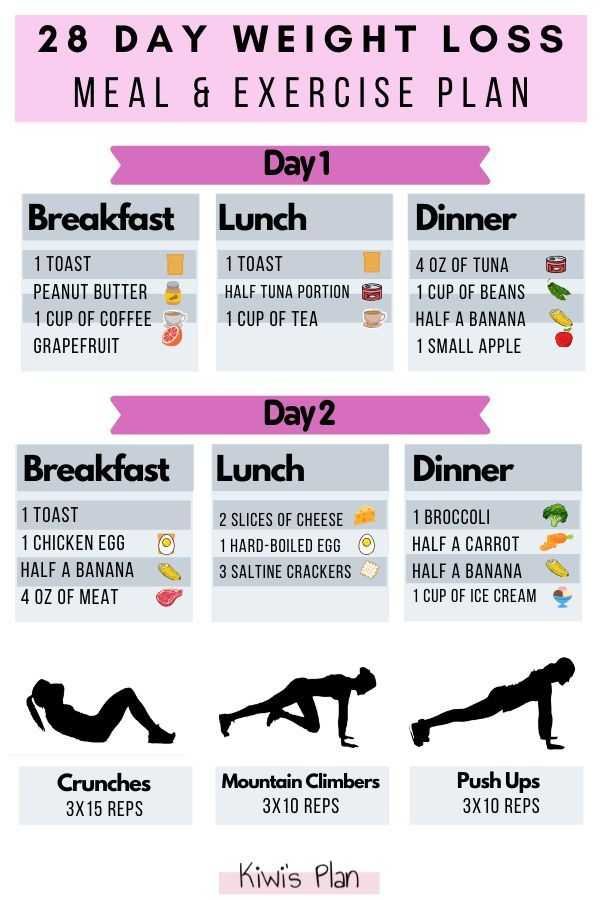
The secret to effective weight loss lies in combining the right workout routine with a balanced meal plan that keeps you energized and satiated. The best approach is one that you can stick to consistently, blending cardio, strength training, and wholesome, nutritious foods that promote fat burning. A personalized plan that fits your lifestyle and preferences will help you stay motivated and achieve lasting results.
A combined workout and meal plan focusing on regular exercise such as brisk walking, weight training, and interval sessions paired with a diet rich in lean proteins, vegetables, and healthy fats, is the most effective way to shed excess weight. Prioritizing consistency and balance is key to long-term success.
Losing weight effectively doesn’t mean starving yourself or spending hours in the gym. Instead, a sustainable approach involves engaging in a mix of cardio and strength workouts while eating nutritious, portion-controlled meals that support your body’s needs. This balanced plan encourages gradual, steady fat loss, improves energy levels, and helps establish healthy habits you can maintain for life.

Best Workout and Meal Plan for Weight Loss
Creating an Effective Workout Routine for Weight Loss
Achieving weight loss starts with a workout routine that burns calories and builds muscle. A balanced plan includes cardiovascular exercises, strength training, and flexibility workouts. Incorporate activities you enjoy to stay motivated and consistent. Aim for at least 150 minutes of moderate-intensity exercise each week. This helps in creating a calorie deficit essential for losing weight.
Cardiovascular Exercises to Burn Calories
Cardio exercises are great for increasing heart rate and burning calories quickly. Examples include brisk walking, running, cycling, swimming, and jumping rope. These activities help to shed body fat efficiently when done regularly. For best results, perform cardio workouts at least three times a week for 30 to 45 minutes.
Strength Training for Muscle Building
Lifting weights enhances muscle mass, which increases your resting metabolic rate. This means you burn more calories even when resting. Focus on full-body strength workouts with exercises like squats, deadlifts, push-ups, and lunges. Include strength training sessions two to three times weekly for optimal fat loss.
Flexibility and Recovery Workouts
Stretching and yoga improve flexibility and reduce injury risk. These workouts aid in muscle recovery and enhance overall performance. Dedicate 10 to 15 minutes after workouts to stretch or do yoga poses to stay limber and prevent soreness.
Designing a Meal Plan for Weight Loss
A balanced meal plan supports workout efforts and helps control hunger. Focus on nutrient-dense foods that fuel your body without excess calories. Incorporate a variety of fruits, vegetables, lean proteins, healthy fats, and whole grains into your daily meals.
Key Principles of a Healthy Meal Plan
- Portion Control: Keep servings moderate to avoid overeating.
- Balanced Macronutrients: Include proteins, carbs, and fats in every meal.
- Limit Processed Food: Reduce intake of sugar, refined grains, and unhealthy fats.
- Stay Hydrated: Drink plenty of water throughout the day.
Sample Daily Meal Plan for Weight Loss
| Meal | Examples | Notes |
|---|---|---|
| Breakfast | Oatmeal with berries, scrambled eggs, or Greek yogurt with honey | High in fiber and protein to keep you full |
| Lunch | Grilled chicken salad, quinoa bowl with vegetables, or turkey wrap | Focus on lean proteins and vegetables |
| Snack | Fresh fruit, nuts, or veggie sticks with hummus | Healthy fats and fiber |
| Dinner | Baked salmon with steamed broccoli, stir-fried tofu with vegetables, or lean beef stew | Include complex carbs and plenty of vegetables |
| Evening Snack (Optional) | Low-fat yogurt or a handful of almonds | Keep portion sizes small |
Importance of Consistency and Tracking Progress
Maintaining a consistent routine is vital for weight loss success. Use a food journal or mobile app to monitor calorie intake and exercise. Regularly weigh yourself or take measurements to track progress and adjust your plan as needed. Remember, small changes over time lead to lasting results.
Additional Tips for Success
- Set Realistic Goals: Focus on gradual weight loss for sustainable results.
- Get Enough Sleep: Aim for 7-8 hours to support metabolism and recovery.
- Stay Active Daily: Incorporate movement into your day outside of workouts.
- Find Support: Join fitness groups or seek encouragement from friends or family.
Combining Exercise and Nutrition for Maximum Results
Pairing a well-designed workout with a healthy meal plan doubles your chances of success. Before workouts, fuel your body with a small snack for energy. After exercise, eat a protein-rich meal to aid muscle repair. Consistent adherence to both aspects is crucial for steady weight loss.
Addressing Common Challenges
Weight loss journeys often face obstacles like plateaus, lack of motivation, and busy schedules. Adjust your workout intensity or try new activities to stay engaged. Prepare meals in advance to avoid unhealthy choices during busy days. Seek support when motivation wanes and celebrate small victories along the way.
Incorporating Rest and Recovery
Rest days allow muscles to recover and prevent burnout. Overtraining can hinder progress and cause injuries. Schedule at least one or two days of light activity or complete rest each week. Quality sleep and relaxation techniques help maintain a positive mindset.
Summary of the Best Workout and Meal Plan for Weight Loss
Combining regular cardio, strength training, and flexibility exercises with a nutritious, portion-controlled diet creates an effective plan. Staying consistent, tracking progress, and making adjustments are key to long-term success. Remember to listen to your body and prioritize health over rapid results. With dedication and patience, reaching your weight loss goals becomes achievable.
Frequently Asked Questions
What types of exercises are most effective for weight loss?
Cardio exercises such as brisk walking, running, cycling, and swimming help burn calories quickly and improve cardiovascular health. Incorporate strength training exercises like weight lifting, resistance bands, or bodyweight movements to build muscle, which increases your resting metabolic rate. Combining both types of workouts ensures effective fat burning and muscle preservation, leading to better weight loss results.
How can I plan my meals to support my weight loss goals?
Focus on eating nutrient-dense foods that are low in calories but high in vitamins and minerals, such as vegetables, fruits, lean proteins, and whole grains. Control portion sizes and avoid processed foods high in sugar and unhealthy fats. Incorporate regular meals and healthy snacks to prevent overeating and keep your energy levels steady throughout the day.
How often should I exercise to see noticeable weight loss?
Aim for at least 150 minutes of moderate-intensity aerobic activity or 75 minutes of vigorous activity each week, combined with two or more strength training sessions. Consistency matters; establish a routine that fits your schedule and gradually increase the intensity and duration to continue making progress. Regular exercise combined with proper nutrition accelerates your weight loss journey.
What are some common mistakes to avoid when following a workout and meal plan for weight loss?
Avoid skipping meals, as it can lead to overeating later. Don’t rely solely on exercise without paying attention to your diet, and vice versa. Stay away from fad diets or extreme calorie restrictions that are unsustainable. Also, be cautious about overtraining, which can cause injury and fatigue. Focus on balanced, sustainable habits that promote overall health.
How can I stay motivated and maintain my weight loss plan long-term?
Set realistic and specific goals to keep yourself focused. Track your progress to see tangible results and celebrate small achievements along the way. Find support from friends, family, or a community with similar goals. Vary your workouts and meals to keep things interesting, and remind yourself of the benefits to stay committed to your plan.
Final Thoughts
The best workout and meal plan for weight loss combines regular physical activity with balanced nutrition. Incorporating strength training and cardio helps burn calories effectively. Prioritize whole foods, lean proteins, and vegetables to support your goals. Consistency and dedication are key to achieving sustainable results.
As an Amazon Associate, We earn from qualifying purchases. When you purchase a product through Amazon links on pulsefitguide.com, we may earn a small commission at no extra cost to you. This helps support the site and keep our content free.
