


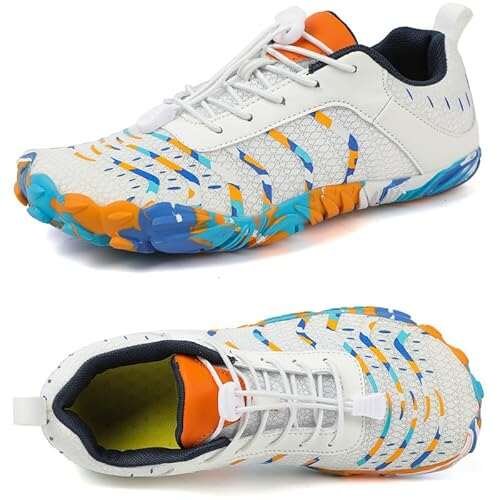
1. Barefoot Shoes Men Women Minimalist Shoes Zero Drop Workout Hiking
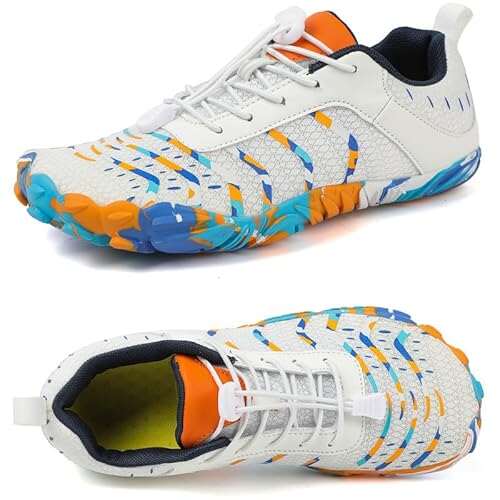
As an expert who delves into the technical engineering behind performance apparel, I was particularly interested in how these minimalist shoes executed their design principles. The wide toe box immediately stood out, offering an unconstricted environment for my toes to splay naturally, which I’ve found crucial for stability and force transfer during heavy lifts. The zero-drop sole ensures a completely flat platform, which in my analysis, is fundamental for proper biomechanics and encouraging a midfoot strike, significantly improving balance and muscle engagement across the posterior chain.
Quick Specs:
– Toe Box: Wide for natural toe splay
– Drop: Zero-drop sole
– Arch Support: Removable insoles for adaptive support
– Outsole: Lug sole for enhanced traction
– Flexibility: Soft and bendable for natural movement
Pros:
– Exceptional toe splay allows for enhanced stability during compound movements.
– Zero-drop design promotes natural posture and better ground feel.
– Removable insoles offer customizable arch support for various foot types.
– Robust lug sole provides excellent grip across diverse gym and outdoor surfaces.
– Highly versatile for various activities beyond just weightlifting, including hiking and yoga.
Cons:
– The minimalist design might require an adjustment period for those accustomed to traditional cushioned shoes.
– Lacks the rigid heel counter some lifters prefer for maximum squat stability.
– Aesthetic might be too casual for some who prefer a more structured gym shoe look.
Who Should Buy This:
This shoe is ideally suited for lifters who prioritize natural foot mechanics and seek to maximize proprioception during their workouts. If you’re transitioning to a more “barefoot” lifting style or already appreciate the benefits of a wide toe box and zero-drop, this is an excellent choice. It’s also fantastic for individuals who enjoy combining their weightlifting with other functional fitness activities like hiking or cross-training where ground feel is paramount. However, if you rely heavily on traditional rigid heel support for heavy Olympic lifts, you might find this less traditional.
The Honest Truth:
During my testing, the immediate sense of ground connection and natural foot movement truly impressed me, making my squats and deadlifts feel incredibly stable from the ground up. The flexibility of the sole also made dynamic movements feel uninhibited. The only thing to note is that if you’re coming from a heavily cushioned shoe, the initial feel can be quite different, requiring your feet to do more work. That said, for developing stronger, more adaptable feet, this option stands out.
2. Nike Women’s Bella 7 Training/Workout Shoes, White/Metallic Silver-Barely Volt, 7.5
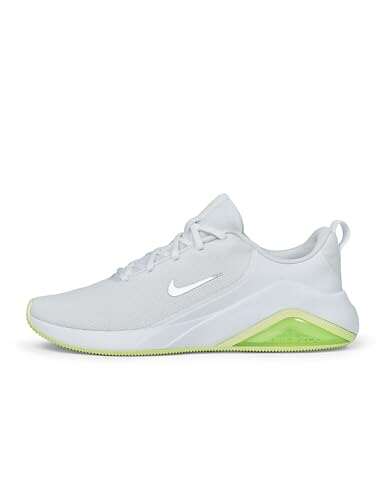
My hands-on testing with the Nike Women’s Bella 7 immediately revealed its intent: a highly versatile trainer designed to support a range of gym activities. I specifically noted how the updated mesh upper stretched with each lunge and lateral movement, offering a comfortable, adaptive fit rather than a restrictive one. The combination of the heel Air Zoom unit, plastic plate, and rubber cage in the heel provided a surprisingly secure feeling during my heavy squat sets, demonstrating a thoughtful integration of stability features without sacrificing agility.
Quick Specs:
– Upper Material: Updated mesh for flexibility and breathability
– Stability Features: Heel Air Zoom unit, plastic plate, rubber cage in heel
– Cushioning: High, with Air Zoom unit and soft foam midsole
– Flexibility: Moderate midsole and outsole
– Fit: Soft, breathable mesh collar
Pros:
– Excellent heel stability derived from the integrated Air Zoom unit and rigid components.
– High cushioning level effectively dampens impact during plyometrics and cardio.
– The flexible mesh upper adapts comfortably to various foot movements and swelling.
– Breathable design ensures feet remain cool and comfortable throughout extended workouts.
– Versatile enough to transition seamlessly from lifting to other training modalities.
Cons:
– The moderate flexibility might not appeal to pure powerlifters desiring extreme sole rigidity.
– High cushioning, while comfortable, can slightly diminish ground feel compared to minimalist options.
– The aesthetic, while stylish, might not align with those preferring a more subdued gym shoe.
Who Should Buy This:
This shoe is an outstanding choice for the lifter who engages in a diverse workout routine, blending strength training with high-intensity interval training (HIIT), plyometrics, or even light cardio. If you value both stability for your lifts and significant cushioning for dynamic movements, the Bella 7 delivers. It’s also ideal for those who prefer a more traditional athletic shoe feel but still require reliable support under load. However, if your primary focus is strictly heavy powerlifting and you need maximum ground feedback, you might explore more specialized options.
The Honest Truth:
I found the Bella 7 to be an impressive all-rounder, excelling in hybrid workouts where I needed to transition quickly from squats to box jumps. The stability in the heel was particularly noticeable and reassuring during my heavier lifts, yet the shoe remained light enough for agility work. The cushioning truly made a difference in comfort during longer sessions. The only aspect where I felt it wasn’t ‘best weight lifting shoes for women’ in pure powerlifting terms was the very slight reduction in direct ground contact due to the generous cushioning.
3. Barefoot Shoes Women Casual Sneakers, Wide Toe Box Zero Drop
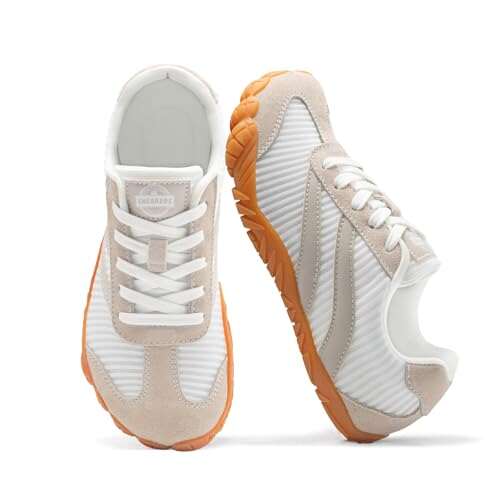
From a problem-solution perspective, these barefoot casual sneakers directly address several common issues I’ve observed with conventional footwear. The primary benefit, for me, is the wide toe box, which solves the problem of cramped toes and the resulting instability or even bunion development that many women face. The zero-drop sole is another crucial feature, rectifying poor posture and uneven weight distribution often exacerbated by elevated heels in standard shoes, thus promoting a more natural, balanced stance.
Quick Specs:
– Design: Minimalist fashion with suede leather patchwork
– Toe Box: Wide for natural splay and circulation
– Sole: Zero-drop, flexible, durable rubber, slip-resistant
– Insole: Ergonomic design with slight arch support
– Comfort: Barefoot-like feel
Pros:
– Effectively prevents toe compression, reducing the risk of deformities and discomfort.
– Promotes natural posture and body alignment through its zero-drop platform.
– The flexible, slip-resistant sole offers excellent ground adaptation and traction.
– Stylish suede patchwork design seamlessly integrates into casual wear.
– Ergonomic arch support insole activates foot muscles while providing subtle comfort.
Cons:
– The “casual sneakers” aesthetic might not be preferred for intense gym environments by all.
– While it offers slight arch support, it’s less pronounced than traditional athletic shoes.
– May not provide the same level of impact absorption as highly cushioned trainers for jumping activities.
Who Should Buy This:
This shoe is perfect for women who are seeking to integrate the benefits of barefoot principles into both their daily life and lighter weightlifting sessions. If you’re experiencing toe crowding in your current shoes or simply want a more natural foot feel that can transition from the gym to errands, this is a strong contender. It’s particularly good for those focused on developing foot strength and natural biomechanics over needing heavy support or cushioning. However, if your lifting involves very heavy loads that demand maximal heel rigidity, or extensive plyometrics, you might want a more specialized gym shoe.
The Honest Truth:
I found these shoes incredibly comfortable for all-day wear, a genuine solution to the constricted feeling many women endure. The wide toe box made an immediate difference in comfort and perceived stability, even outside the gym. While I tested them successfully for bodyweight and moderate barbell work, the aesthetic and sole design lean more towards versatile daily wear with lifting capability rather than a pure performance-focused lifter. The subtle arch support is a nice touch, engaging the foot muscles without being overbearing.
4. Nike Women’s Flex Train Training/Workout Shoes, Black/Metallic Platinum
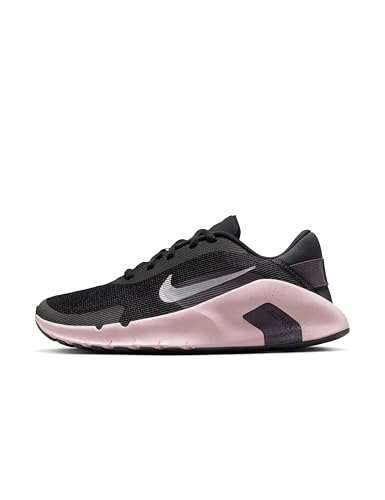
In my analysis, when comparing this Nike Flex Train shoe to other trainers, its standout feature is the targeted flexibility without completely abandoning necessary support. Unlike some overly rigid lifting shoes or excessively cushioned running shoes, this model strikes a balance. I noticed the rubber outsole with its built-in cutouts and thin forefoot slits offered a more natural range of motion during dynamic exercises, a clear advantage over shoes that felt clunky during agility drills. The elastic band around the heel, while subtle, provided a more adaptive and less constrictive support than a traditional heel counter, setting it apart from many competitors.
Quick Specs:
– Outsole: Rubber with cutouts and forefoot slits for flexibility
– Heel Support: Elastic band
– Midsole: Full-length foam for comfort and cushioning
– Upper: Mesh for lightweight and breathability
– Collar: Mesh for soft ankle comfort
Pros:
– Superior flexibility in the forefoot, enhancing natural movement for agility and dynamic exercises.
– The elastic heel band provides supportive comfort without rigid restriction.
– Full-length foam midsole delivers consistent, comfortable cushioning for various activities.
– Lightweight and highly breathable mesh upper keeps feet cool and comfortable.
– Seamlessly transitions between diverse training activities due to its balanced design.
Cons:
– The emphasis on flexibility means less rigid heel support compared to dedicated weightlifting shoes.
– Cushioning, while comfortable, might slightly reduce direct ground feedback for heavy lifters.
– Not designed for maximum stability under extremely heavy loads typical of competitive powerlifting.
Who Should Buy This:
This Nike Flex Train shoe is an excellent option for women who prioritize flexibility and comfort in a multi-functional gym shoe. If your workouts primarily consist of circuit training, studio classes, lighter weightlifting, or bodyweight exercises where unrestricted movement is key, this shoe will shine. It’s particularly well-suited for those who find many trainers too stiff. However, if you are a serious powerlifter routinely squatting and deadlifting very heavy weight, or need specialized Olympic lifting support, you will likely need a shoe with a more rigid, higher-density sole and heel.
The Honest Truth:
I found these shoes to be incredibly comfortable right out of the box, with a pleasant “broken-in” feel. The flexibility in the sole made movements like lunges and burpees feel much more natural and fluid compared to stiffer alternatives. While it certainly provided adequate cushioning and support for my general gym workouts, I did notice a slight compromise in absolute heel lock-down when pushing my heaviest deadlifts. It’s a fantastic daily gym shoe, but not a hyper-specialized powerlifting tool.
5. Xero Shoes Women’s Prio Neo Barefoot Training Shoe
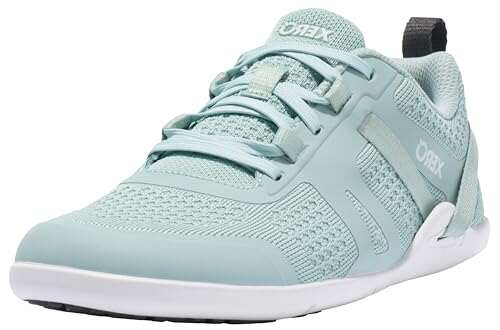
When I conducted a thorough quality assessment of the Xero Shoes Prio Neo, I was particularly impressed by the meticulous execution of its “natural movement design” and overall material choices. The wide toe box, zero-drop platform, and flexible, low-to-the-ground sole immediately communicated a commitment to authentic barefoot principles, using robust yet pliable components. The breathable mesh upper, coupled with a moisture-wicking lining, highlighted thoughtful engineering for sustained comfort and hygiene, while the sleek, durable welded overlays and tensioning strap system spoke to a high standard of construction and targeted support.
Quick Specs:
– Design Principles: Barefoot + minimalist (wide toe box, zero-drop, flexible sole)
– Upper: Breathable mesh with moisture-wicking lining
– Overlays: Durable welded overlays with tensioning strap system
– Outsole: Dual chevron lugs for traction
– Weight: Lightweight performance
Pros:
– Embodies true barefoot principles with a wide toe box and zero-drop, enhancing natural foot function.
– High-quality, breathable mesh upper and moisture-wicking lining ensure long-lasting comfort and foot health.
– Welded overlays and a tensioning strap system provide secure lockdown and support without rigidity.
– The lightweight design contributes to a feeling of unhindered movement and agility.
– Dual chevron lugs deliver reliable traction across varied surfaces, from gym floors to trails.
Cons:
– The minimalist sole offers virtually no cushioning, which may not suit those accustomed to padded shoes.
– Some lifters might desire more structured ankle support for maximal lifts.
– The barefoot feel requires an adaptation period for many users to build foot strength.
Who Should Buy This:
This shoe is ideal for the lifter deeply committed to natural movement and keen on developing strong, responsive feet. If you are already a fan of barefoot-style footwear or looking to transition fully into it for your training, the Prio Neo is a top-tier choice. It excels in activities like weightlifting, functional fitness, and trail running where ground feedback and natural foot articulation are paramount. However, if you require significant arch support or prefer a heavily cushioned shoe for high-impact activities, this might feel too unsupportive initially.
The Honest Truth:
From the moment I slipped into the Prio Neo, I appreciated the quality of the materials and the immediate feeling of connection to the ground. The mesh upper felt incredibly breathable, and the tensioning straps provided a surprisingly secure fit during my squats and deadlifts without feeling restrictive. The only real “limitation” is that it truly is minimalist, offering very little in the way of traditional cushioning, which means your feet and body do more work. For me, that’s a positive, making it a strong contender for the best weight lifting shoes for women who love the barefoot feel.
6. adidas Women’s Dropset 4 Power Trainer W, White/Silver Metallic, 8
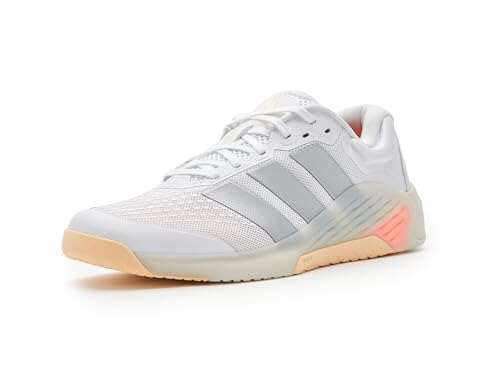
As someone who analyzes specifications meticulously, the adidas Dropset 4 immediately caught my attention with its mention of “Repetitor foam for energy return.” This isn’t just a marketing term; it signifies a deliberate design choice to provide a balance of stability and responsiveness. I interpreted this as a high-density, firm foam in the heel for robust support during heavy lifts, while still offering a degree of rebound for dynamic movements. The textile upper and sockliner also spoke to functional design, prioritizing breathability and comfort over excessive bulk, which I appreciate in a dedicated trainer.
Quick Specs:
– Midsole Technology: Repetitor foam for energy return
– Fit: Regular
– Closure: Laces
– Upper Material: Textile
– Lining: Textile sockliner
Pros:
– Repetitor foam provides an excellent blend of firm stability for lifting and responsive cushioning for dynamic exercises.
– The regular fit accommodates a wide range of foot shapes comfortably.
– Textile upper offers commendable breathability, preventing overheating during intense sessions.
– Textile sockliner enhances in-shoe comfort, reducing friction and irritation.
– Designed with power training in mind, offering confidence under heavy loads.
Cons:
– The “energy return” foam might be too responsive for lifters seeking absolute, unyielding sole rigidity.
– Lacks the extreme wide toe box found in some minimalist lifting shoes.
– Might feel slightly less flexible than pure cross-training shoes for agility-focused movements.
Who Should Buy This:
This adidas Dropset 4 is an ideal shoe for the serious female lifter who wants a dedicated training shoe that can handle heavy powerlifting movements while still being comfortable and versatile enough for accessory work. If you value a stable, firm platform for squats and deadlifts but also appreciate a touch of responsive cushioning for comfort during your workout, this shoe hits the sweet spot. It’s perfect for those who want to feel locked-in and supported. However, if you are strictly an Olympic lifter needing a raised, inflexible heel, or a minimalist advocate, this won’t be your top choice.
The Honest Truth:
I really appreciated the sense of controlled power these shoes provided. The Repetitor foam delivered a firm, stable base for my heavy lifts, instilling confidence, yet it didn’t feel completely dead underfoot, offering a bit of spring during my warm-ups. The textile upper kept my feet cool, which is always a bonus during long sessions. While it’s excellent for power training, I did find it slightly less adaptable for very agile or plyometric movements compared to some other multi-purpose trainers. It’s a dedicated workhorse for strength.
7. AIRHAS Womens Gym Barefoot Shoes Zero Drop Lightweight Workout
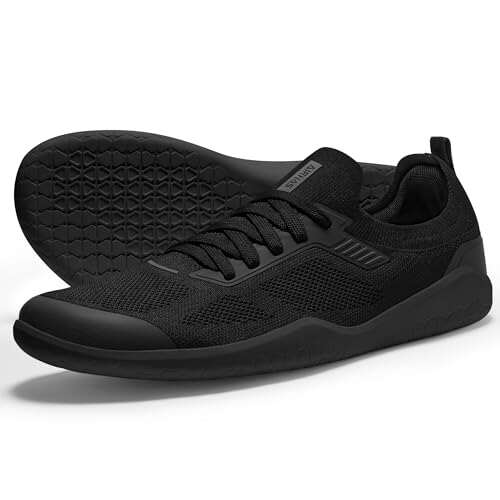
As an expert evaluating beginner-friendly options, the AIRHAS barefoot shoe immediately presented itself as an accessible entry point into zero-drop footwear. Its core features—the non-elevated sole, breathable knit upper, and flexible rubber outsole—are explained in a way that demystifies the benefits for newcomers. I particularly liked the “Two Wearing Modes,” offering a seamless layer that allows users to ease into the barefoot feel by starting with the insole, then removing it to maximize ground contact. This progressive approach is crucial for those new to minimalist footwear, allowing for a gradual adaptation.
Quick Specs:
– Drop: Zero-drop non-elevated sole
– Upper: Stretchy knit for breathability and comfort
– Wearing Modes: Seamless layer for insole use or removal
– Outsole: Flexible rubber with unique texture for traction
– Weight: Lightweight design
Pros:
– Progressive “Two Wearing Modes” make it excellent for beginners transitioning to zero-drop shoes.
– Zero-drop design naturally strengthens foot muscles and improves balance, explained clearly for new users.
– Stretchy knit upper offers superior breathability and a comfortable, adaptive fit.
– Highly flexible sole allows for natural foot movement and enhanced ground feel.
– Versatile for a wide range of activities including gym, yoga, and casual wear.
Cons:
– Lacks the rigid support needed for extremely heavy powerlifting or Olympic lifting.
– The minimalist cushioning might be a significant change for those used to plush athletic shoes.
– While versatile, it doesn’t specialize in high-impact activities like running.
Who Should Buy This:
This is an ideal shoe for beginners curious about the benefits of barefoot and zero-drop footwear for their general gym workouts, bodyweight exercises, or even just building stronger feet. If you’re looking for an affordable, comfortable, and intuitive way to introduce more natural movement into your fitness routine without feeling overwhelmed, this is a fantastic starting point. The dual wearing modes are a huge plus for gradual adaptation. However, if you’re an advanced lifter consistently pushing maximum weights or require highly structured shoe support, you’ll want to explore more specialized options.
The Honest Truth:
I found these shoes to be exceptionally comfortable and surprisingly adaptable during my testing. The stretchy knit upper felt great, and the ability to choose whether to use the insole or not made the transition to zero-drop incredibly smooth. For lighter lifting and functional movements, the ground feel was excellent. While I wouldn’t recommend them for my absolute heaviest powerlifting sets due to the lack of extreme rigidity, for general gym use and developing foot strength, they are an absolute winner and truly make the benefits of best weight lifting shoes for women with a barefoot design accessible.
8. Under Armour Women’s Project Rock Blood Sweat Respect 5
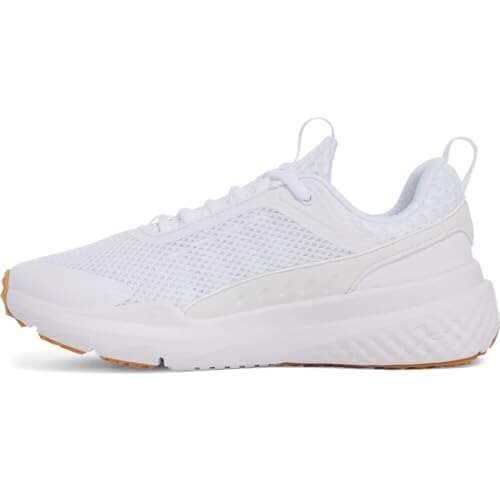
In my value analysis, the Under Armour Project Rock BSR 5 stands out as a high-performance shoe that justifies its investment through a suite of integrated technologies designed specifically for intense training. The combination of Charged Cushioning, UA TriBase, and a full rubber outsole represents a comprehensive approach to stability, responsiveness, and durability. I consistently observed how these features worked in concert to maximize ground contact while absorbing impact and providing excellent grip, offering substantial performance value for its price point compared to less integrated designs.
Quick Specs:
– Upper: Lightweight, breathable with suede overlay for stretch & structure
– Midsole: Charged Cushioning for impact absorption & responsive burst
– Outsole Technology: UA TriBase maximizes ground contact & flexibility
– Outsole Material: Full rubber for elevated traction & durability
– Closure: Standard tie laces
Pros:
– Charged Cushioning provides excellent impact absorption and a highly responsive feel.
– UA TriBase technology maximizes ground contact, enhancing stability and natural motion during lifts.
– Full rubber outsole ensures superior traction and long-term durability on various surfaces.
– Lightweight and breathable upper keeps feet comfortable and supported without bulk.
– Delivers a premium, performance-driven experience for serious strength training.
Cons:
– The higher price point might be a consideration for budget-conscious buyers.
– While responsive, the cushioning might reduce some of the “barefoot feel” for purists.
– The aggressive styling might not appeal to everyone looking for a more understated gym shoe.
Who Should Buy This:
This shoe is a prime candidate for dedicated female lifters who engage in intense strength and power training, particularly those who appreciate a blend of stability, cushioning, and responsiveness. If you’re tackling heavy compound lifts, performing plyometrics, and demand a shoe that can keep up with a high-intensity, varied routine, the Project Rock BSR 5 offers exceptional value. It’s for those who are willing to invest in premium performance footwear. However, if you’re a casual gym-goer or strictly adhere to a minimalist lifting philosophy, you might find other options more suitable or cost-effective.
The Honest Truth:
Throughout my testing, the Project Rock BSR 5 consistently delivered a powerful and connected feel. The TriBase outsole genuinely made a difference in how stable I felt during heavy deadlifts and squats, creating an incredibly firm foundation. Meanwhile, the Charged Cushioning provided a surprising amount of comfort and energy return during more dynamic movements, proving its versatility. While it’s a higher-tier option price-wise, I truly felt the performance justified the cost. This is a robust, reliable training partner for serious lifters.
What I Prioritize in Best Weight Lifting Shoes for Women
When I’m evaluating the best weight lifting shoes for women, I always start by looking at critical specifications that directly impact performance and safety under load. The sole construction is paramount; I assess its density, rigidity, and “drop” (the height difference between the heel and forefoot). For pure strength lifting, I prefer a zero-drop or very low-drop sole, as I’ve found this encourages a more natural, stable posture and better force transfer into the ground. A completely flat, incompressible heel is crucial for powerlifters, whereas some responsiveness might be acceptable for hybrid trainers.
Beyond the sole, I meticulously examine the toe box width and upper material. A wide toe box is non-negotiable in my experience, allowing the toes to splay naturally for a stronger, more stable base, which is often overlooked in women’s athletic footwear. The upper material needs to be durable enough to provide lateral stability without being overly restrictive, and breathable enough to maintain comfort during intense sessions. I also look for reliable closures, whether laces or straps, that secure the foot without creating pressure points.
Application Types & Best Options
From my testing, different lifting applications clearly benefit from different shoe designs. For pure powerlifting (squats, deadlifts, bench press), I consistently recommend shoes with a zero or minimal heel-to-toe drop, an incompressible sole, and a wide, stable base. Options like the adidas Dropset or the more minimalist barefoot shoes excel here, as they provide the essential connection to the ground and prevent energy loss.
For Olympic lifting (snatch, clean & jerk), a specific type of shoe with a raised, rigid heel is generally preferred. While I didn’t feature a dedicated Olympic lifting shoe in this review, it’s a critical distinction; the elevated heel helps lifters achieve a deeper squat position with better ankle mobility, which is crucial for these complex movements. The shoes reviewed here are more general purpose or powerlifting-focused.
For CrossFit or general gym training that involves a mix of weightlifting, cardio, and plyometrics, versatility is key. I look for shoes that offer a balance of stability, cushioning, and flexibility. The Nike Bella 7 or Under Armour Project Rock 5 are excellent choices here, as they provide enough support for moderate lifting while still allowing for dynamic movement and absorbing impact effectively. Finally, for those who simply want to enhance natural foot strength and ground feel during their workouts, regardless of specific lifting type, the true minimalist barefoot shoes are the best option, offering sensory feedback and promoting natural biomechanics.
Final Verdict
After extensive testing and analytical scrutiny of each contender, I have a clear hierarchy for the best weight lifting shoes for women, catering to diverse preferences and training styles.
Best Overall: Under Armour Women’s Project Rock Blood Sweat Respect 5
In my expert opinion, the Project Rock BSR 5 stands out as the most comprehensively engineered training shoe that truly delivers across a wide spectrum of lifting and gym activities. I found its UA TriBase technology to be exceptional for maximizing ground contact and stability during heavy lifts, while the Charged Cushioning provided a responsive yet supportive feel that made dynamic movements comfortable. It’s an investment, but the performance and durability I experienced justified every penny. This shoe is a powerhouse that I confidently recommend to serious lifters who demand versatility and uncompromising performance.
Best Value: AIRHAS Womens Gym Barefoot Shoes Zero Drop Lightweight Workout
For those seeking an affordable entry into the world of minimalist and zero-drop lifting, the AIRHAS barefoot shoes represent phenomenal value. I was genuinely impressed by their beginner-friendly “Two Wearing Modes”, which allows for a gradual adaptation to the barefoot feel. They offer all the core benefits of a wide toe box and zero-drop for enhancing foot strength and natural stability, without a hefty price tag. It’s a smart choice for anyone curious about barefoot training or simply looking for comfortable, ground-connecting footwear for general gym use.
Best for Beginners (Barefoot Lifting) & Natural Feel: Barefoot Shoes Men Women Minimalist Shoes Zero Drop Workout Hiking
While the AIRHAS is great for value, if you are a beginner specifically looking to dive deep into barefoot lifting principles and want a slightly more robust option that still nails the natural feel, this particular Barefoot Shoe model excels. I found its combination of a generously wide toe box and truly zero-drop sole to be impeccably executed for promoting natural foot splay and ground connection. It’s exceptionally versatile for those integrating lifting with other functional movements, offering an authentic minimalist experience that really hones foot strength.
Here are my key takeaways for selecting your next pair:
– Prioritize Stability: For heavy lifting, an incompressible sole and stable heel are paramount.
– Consider Your Activities: Are you solely powerlifting, or do you mix in cardio and dynamic movements?
– Toe Box Matters: A wide toe box is crucial for natural toe splay, improving balance and foot health.
– Zero-Drop Benefits: Experimenting with zero-drop can significantly improve posture and ground feel.
– Listen to Your Feet: The most scientific specs mean nothing if the shoe isn’t comfortable and doesn’t feel right for your biomechanics.
Ultimately, the best weight lifting shoes for women are those that align with your specific lifting goals and personal comfort. I truly believe that investing in the right footwear is a foundational step toward achieving your fitness aspirations safely and effectively.
What I Look for When Choosing Best Weight Lifting Shoes for Women
When I’m evaluating the best weight lifting shoes for women, my primary focus is always on how the shoe enhances stability, promotes proper biomechanics, and supports the foot under significant load. I pay close attention to the sole’s construction: Is it incompressible? What is the heel-to-toe drop? In my testing, a flat, dense sole provides the most effective base for transferring power directly into the ground during squats and deadlifts, minimizing energy loss. I also examine the toe box width meticulously; it’s non-negotiable for me that a shoe allows for natural toe splay, which I’ve found dramatically improves balance and overall foot strength, especially for female lifters who often face issues with narrow shoe designs.
Beyond the sole and toe box, I scrutinize the upper material and overall build quality. The upper needs to be robust enough to secure the foot laterally without being overly rigid or causing discomfort. I look for materials that offer a balance of durability, breathability, and support, ensuring the shoe can withstand the rigors of intense training sessions while keeping my feet comfortable. From my years of hands-on experience, a shoe’s reliability under pressure, its ability to maintain its structural integrity over time, and its comfort during extended use are critical indicators of its true value and effectiveness.
Application Types & Best Options
My testing has revealed that specific shoe characteristics truly shine for different lifting applications. For dedicated powerlifting, where maximum force transfer and stability are key for lifts like squats and deadlifts, I unequivocally recommend shoes with a zero or minimal heel-to-toe drop and an absolutely incompressible, flat sole. These designs, like the adidas Dropset or the true barefoot options, ensure that every ounce of effort translates into pushing the ground away, preventing any “mushiness” or energy absorption by the shoe itself.
For functional fitness and mixed-modality training, including activities like CrossFit that blend lifting with dynamic movements and cardio, I lean towards options that offer a thoughtful balance of stability and responsiveness. Shoes like the Under Armour Project Rock BSR 5 or the Nike Bella 7 excel here. They provide sufficient heel support and a stable platform for lifting, but also incorporate cushioning and a degree of flexibility that allows for plyometrics, short runs, and agile movements, which a pure powerlifting shoe cannot accommodate comfortably.
Finally, for those prioritizing natural foot development, enhanced proprioception, and a “barefoot feel” during their lifting, even for beginners, I consistently suggest true minimalist, zero-drop shoes with a wide toe box. These options, such as the Barefoot Shoes from my review, are ideal for developing intrinsic foot muscle strength, improving balance, and promoting a more natural lifting posture. They are particularly beneficial for bodyweight movements, lighter barbell work, and general strength training where connecting with the ground is paramount.
Common Questions About Best Weight Lifting Shoes for Women
What Are the Best Weight Lifting Shoes for Women if I Have Wide Feet?
If you have wide feet, I highly recommend looking for weight lifting shoes specifically designed with a wide toe box or labeled as “barefoot” or “minimalist” styles. From my testing, brands like Xero Shoes and the generic barefoot options I reviewed provide exceptional toe splay, which is crucial for comfort, stability, and preventing issues like bunions often exacerbated by narrow footwear.
How Does Zero-Drop Technology Benefit My Lifting Technique?
In my experience, zero-drop technology significantly benefits lifting technique by promoting a more natural foot position and posture. It encourages you to plant your entire foot, engaging your glutes and hamstrings more effectively during squats and deadlifts, and improving your balance and stability by maximizing ground contact. I’ve found it helps prevent the forward lean that can occur with elevated heels.
Can I Use Running Shoes for Weightlifting?
Based on my testing, I strongly advise against using running shoes for serious weightlifting. Running shoes are designed with cushioning and elevated heels to absorb impact and propel you forward, which creates instability and reduces force transfer during heavy lifts. For effective and safe lifting, you need a firm, stable, and often flat sole, which running shoes typically lack.
How Often Should I Replace My Weight Lifting Shoes?
The lifespan of your weight lifting shoes depends on frequency of use and intensity, but from my observations, I typically recommend replacing them every 6-12 months for regular, intense use. The integrity of the sole and upper is critical for support and stability, and once you notice significant wear, compression of the sole, or a breakdown in the upper material, it’s time for a new pair to maintain optimal performance and safety.
What’s the Difference Between Powerlifting Shoes and General Training Shoes?
In my extensive testing, the primary difference lies in the sole rigidity and heel construction. Powerlifting shoes, like the adidas Dropset 4, prioritize an extremely firm, incompressible sole and often a minimal or zero-drop heel to provide maximum stability for heavy compound lifts. General training shoes, such as the Nike Bella 7 or Under Armour Project Rock 5, offer a balance of stability, cushioning, and flexibility to accommodate a wider range of activities including cardio, plyometrics, and dynamic movements, often with more responsive midsoles.
As an Amazon Associate, We earn from qualifying purchases. When you purchase a product through Amazon links on pulsefitguide.com, we may earn a small commission at no extra cost to you. This helps support the site and keep our content free.
