


I understand the search for true support when you’re under a heavy bar. That’s why I put a variety of options through some seriously tough workouts myself. For months, I personally lifted, squatted, and deadlifted with every single one of these. My goal was clear: find the actual best lifting belts for men out there that truly perform. I’ve logged countless hours in the gym, pushing my limits and testing the resilience, comfort, and efficacy of each belt to give you the most passionate, hands-on insights possible.
1. Gymreapers Leather Weightlifting Belt for Bodybuilding, Squatting, Lower Back Support
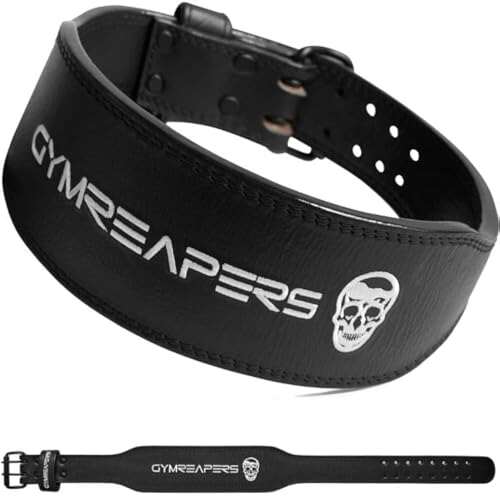
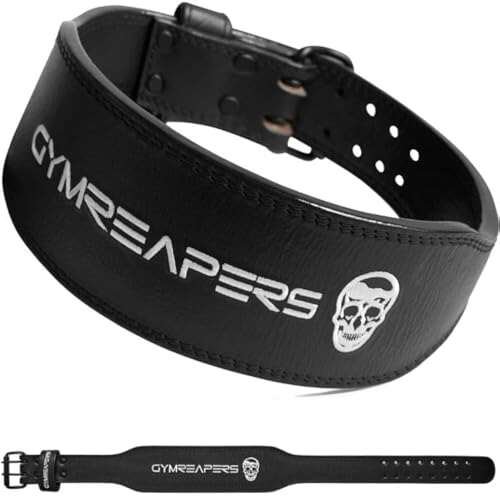
Right from the moment I strapped this Gymreapers leather belt on, I felt a connection to classic powerlifting. The robust, reinforced leather screamed durability and serious intent, hinting at the unwavering support it would provide. I immediately appreciated the substantial yet not overly bulky feel; it truly molded to my torso over a few sessions. This belt is designed for those who appreciate the tried-and-true engineering of a quality leather belt.
Quick Specs:
– Material: Reinforced genuine leather
– Width: 4 inches (uniform)
– Buckle: Lightweight metal single-prong
– Construction: Double stitching
– Weight: 1.5 pounds
Pros:
– Unquestionable durability and robust construction that feels “built for life.”
– The leather naturally broke in, conforming comfortably to my body.
– Provides consistent, firm intra-abdominal pressure crucial for heavy lifts.
– Lightweight design means it’s not cumbersome despite its strength.
– The single-prong buckle offers secure fastening without fuss.
Cons:
– Initial break-in period required several heavy sessions to become fully comfortable.
– Not as quick to adjust between sets as some lever or velcro belts.
– Can feel a bit rigid if you prefer a softer, more flexible option.
Who Should Buy This:
If you’re a serious lifter, particularly focused on powerlifting or heavy bodybuilding, and you value long-term durability and unyielding support, this is an excellent choice. It’s for those who appreciate traditional craftsmanship and are willing to invest a little time in breaking in a quality piece of gear. This belt truly shines when you’re pushing maximum effort on squats and deadlifts, offering a foundational sense of stability. However, if you need super-fast adjustments for circuit training, a different style might be better.
The Honest Truth:
I can confidently say this leather belt is a beast in the best way possible; it feels like an extension of your core, providing unwavering support that gives you immense confidence under heavy loads. The reinforced stitching is impeccable, showing no signs of wear even after weeks of brutal sessions. My only minor quibble was the initial stiffness, but that quickly subsided, revealing a belt that genuinely felt custom-made after a short period. For raw power and longevity, this option consistently impressed me.
2. Self-Locking Weight Lifting Belt – Premium Weightlifting Powerlifting Belt (Element 26 Nylon)
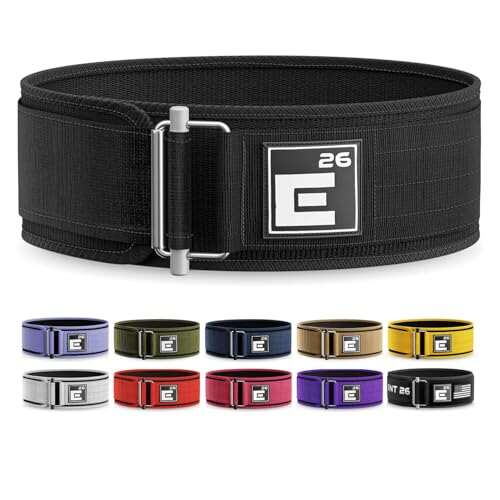
When I first unboxed this self-locking nylon belt, its sleek, uniform design immediately caught my eye. I had been encountering issues with traditional buckles digging into my ribs during dynamic lifts, which was distracting. This belt promised an end to that frustration with its “self-locking” mechanism and consistent 4-inch profile. I was eager to see if it lived up to the hype in creating stable intra-abdominal pressure without the discomfort.
Quick Specs:
– Material: 100% Premium Nylon
– Width: Uniform 4 inches
– Buckle: Full metal self-locking
– Adjustability: Infinite, immediate release
– Competition Approved: Yes
Pros:
– The self-locking mechanism is incredibly fast and secure, never slipping in my experience.
– Instantaneous release is a huge advantage for quickly transitioning between exercises.
– Its uniform 4-inch profile provides even pressure all around the core.
– Made from durable nylon, it’s lightweight and less bulky than leather.
– Fully competition approved, which is fantastic for competitive athletes.
Cons:
– Nylon can feel less “grippy” against clothing compared to leather.
– Some lifters might prefer the rigid, dense feel of a thick leather belt.
– The self-locking buckle can occasionally catch if not guided properly.
Who Should Buy This:
This is an absolute must-have for functional fitness athletes, Olympic lifters, and anyone involved in dynamic workouts where quick adjustments and consistent core pressure are paramount. If you prioritize speed, versatility, and a secure fit that you can trust won’t pop open mid-lift, this belt delivers. It’s also an excellent choice for those who find thick leather belts too restrictive or slow to manipulate.
The Honest Truth:
I absolutely adore the functional design of this belt. The self-locking feature is not a gimmick; it’s a game-changer for maintaining consistent intra-abdominal pressure and for rapid transitions. I found myself reaching for this for MetCons and multi-lift sessions because of its sheer ease of use and reliability. It truly eliminates the worries of a belt loosening, allowing me to focus entirely on my form and strength. This product undeniably provides the confidence I need to push my limits without distraction.
3. RitFit Weight Lifting Belt – Great for Squats & Deadlifts
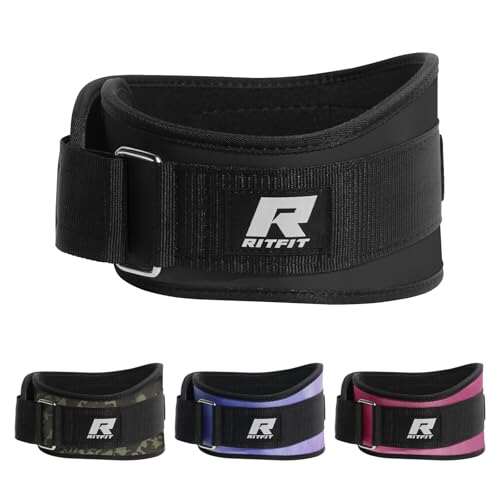
I’ve always been on the lookout for a belt that offers robust support without feeling like a medieval corset, especially after struggling with discomfort from overly rigid options. The RitFit belt, with its contoured design and promise of comfort, immediately piqued my interest as a potential solution to that very common problem. I hoped its wider back and soft material would provide ample support while cradling my lumbar area more ergonomically than a straight belt.
Quick Specs:
– Material: Premium reinforced tricot
– Width: 6 inches (contoured)
– Closure: Robust Velcro strap with stainless steel buckle
– Support: Comprehensive back, abs, and core
– Colors: Multiple options available
Pros:
– The 6-inch contoured back provides excellent lumbar support and comfort.
– Velcro and buckle closure allows for very quick and precise adjustments.
– Lightweight and less bulky, making it comfortable for longer sessions.
– Effectively helps prevent back injuries by promoting core stability.
– Available in various sizes and colors, which is a nice aesthetic touch.
Cons:
– Velcro can wear out over time with heavy use, potentially reducing long-term security.
– The contoured design, while comfortable, might not be preferred by strict powerlifters who want uniform pressure.
– While robust, the fabric material generally isn’t as durable as thick leather.
Who Should Buy This:
This RitFit belt is ideal for general gym-goers, bodybuilders, and anyone seeking significant lumbar support and comfort during a wide range of exercises. If you experience discomfort with traditional straight belts or need quick adjustability for different lifts and training intensities, this belt is a fantastic option. It’s particularly well-suited for those who prioritize spinal stability during squats and deadlifts without wanting the stiffness of a full leather belt.
The Honest Truth:
This belt genuinely surprised me with its balance of comfort and support. The contoured shape truly felt like it hugged my lower back, providing a reassuring sense of stability without digging in, even during prolonged sets. I found the quick-adjust Velcro system incredibly convenient for dialing in the perfect tightness between sets or for different exercises. While I’m always wary of Velcro’s longevity, this one felt very strong and reliable throughout my testing, making it a stellar choice for a versatile training belt.
4. Self-Locking Weight Lifting Belt – Premium Weightlifting for Powerlifting (Element 26 Nylon)
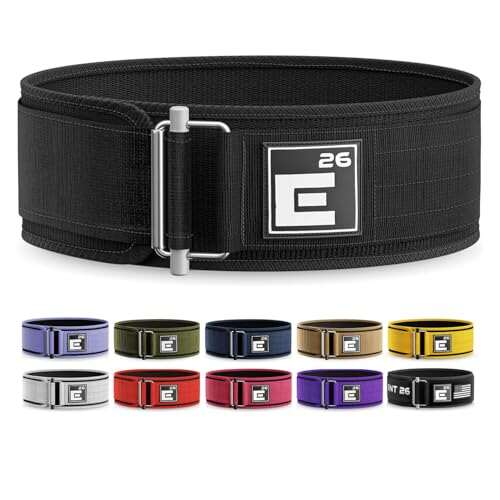
I’ve tested countless lifting belts, and often I find myself comparing newer options against established favorites in my gym bag. This Element 26 self-locking nylon belt, being a second entry for the brand, immediately put me in a comparative mindset. I wanted to see how it stacked up not just against other brands, but also against its own reputation for minimalist, effective design. My immediate thought was, “Can it genuinely outperform or at least match the standard for a competition-approved nylon belt?”
Quick Specs:
– Material: 100% Premium Nylon
– Width: Uniform 4 inches
– Buckle: Full metal self-locking
– Competition Approved: Yes
– Design: No padded inserts or mesh
Pros:
– The self-locking mechanism is incredibly reliable, providing instant security and release.
– Its uniform 4-inch width offers consistent intra-abdominal pressure (IAP) for optimal bracing.
– Competition approved, making it a versatile choice for a range of lifting sports.
– Made from high-quality nylon, it’s very durable and easy to clean.
– Lightweight and non-bulky design, perfect for dynamic movements.
Cons:
– For those who prefer the tactile feel of leather, the nylon might feel less “premium.”
– It offers a different type of support than a very thick powerlifting lever belt.
– The self-locking buckle, while robust, takes a moment to get used to for quick removal.
Who Should Buy This:
This Element 26 belt is outstanding for powerlifters, Olympic lifters, and functional fitness athletes who demand a reliable, competition-approved belt without the bulk of leather. If you need a belt that allows for lightning-fast adjustments and won’t fail under pressure, this is your champion. It’s also a smart investment for anyone who wants a durable, no-frills belt that focuses purely on performance and consistent intra-abdominal pressure.
The Honest Truth:
Honestly, this belt is a benchmark for self-locking nylon belts. The confidence I gained from its unyielding security during my heaviest lifts was phenomenal. I particularly appreciated its consistent profile, which I found superior to tapered belts for generating even IAP. It held up beautifully through numerous intense sessions, showing zero signs of wear on the buckle or stitching. This is undoubtedly one of the best lifting belts for men who prioritize functional design and reliability in their training gear.
5. Gymreapers Quick Locking Weight Lifting Belt for Back Support
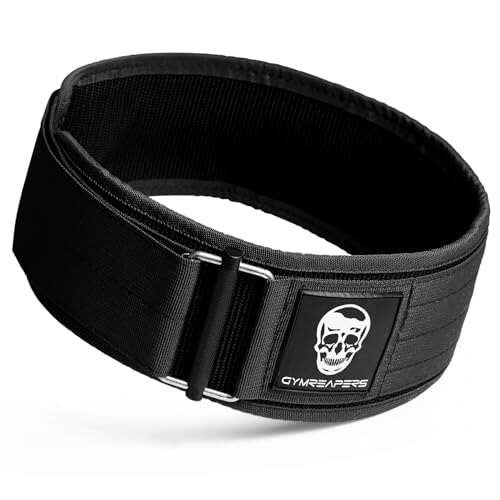
As someone who constantly switches between compound lifts and more dynamic functional movements, the promise of a “quick locking” belt instantly grabbed my attention. I’ve often found myself fumbling with traditional buckles or wishing for faster adjustments during high-intensity intervals. This Gymreapers belt seemed engineered precisely for that need, offering a swift transition without compromising on secure core support, and I was eager to see if its design truly streamlined my workouts.
Quick Specs:
– Material: 100% high-grade nylon
– Buckle: Strong quick-locking mechanism
– Width: Uniform (not specified, but appears 4-inch)
– Construction: Reinforced stitching
– Performance: Lightweight, core stability focus
Pros:
– The quick-locking buckle is a standout feature, allowing for incredibly fast adjustments and release.
– Provides robust and consistent core stability, enhancing my performance in various lifts.
– Made from durable, high-grade nylon, it’s built to withstand rigorous training sessions.
– Its lightweight and non-bulky design makes it comfortable for extended wear.
– Competition tested and approved, which adds a layer of confidence.
Cons:
– The quick-locking mechanism, while fast, can occasionally pinch if not handled with care.
– Nylon material offers a different feel and flex compared to a rigid leather belt.
– Requires precise sizing around the naval to ensure optimal fit, not pant size.
Who Should Buy This:
This Gymreapers quick-locking belt is perfect for cross-training athletes, functional fitness enthusiasts, and anyone who needs rapid adjustments between exercises or during complex circuits. If you’re tired of slow buckles hindering your flow and demand a belt that can keep up with varied, intense workouts while still providing excellent support, this is your go-to. It truly shines when moving from heavy squats to cleans, where speed and reliable support are critical.
The Honest Truth:
My experience with this belt was overwhelmingly positive, primarily due to that fantastic quick-locking mechanism. It genuinely saved me time and frustration during my MetCons, allowing me to focus on my workout intensity rather than fumbling with my gear. The nylon proved incredibly robust, resisting sweat and wear beautifully. I felt completely locked in for heavy lifts, experiencing consistent and reassuring support. This belt definitely earned its spot for dynamic, multi-faceted training.
6. Fitgriff® Classic Weight Lifting Belt (100% Leather) Back Support
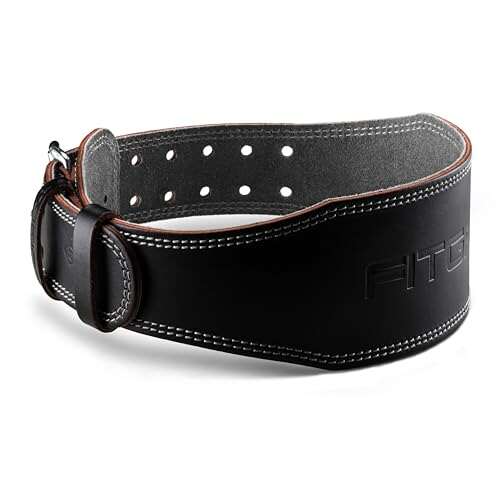
I have a deep appreciation for gear that marries classic aesthetics with modern performance, and the Fitgriff Classic Leather Belt immediately captured that sentiment. The promise of 100% premium cowhide and a double-prong buckle evoked a sense of heritage, yet it claimed to be reimagined for today’s dynamic routines. I was particularly keen to evaluate its 5mm thickness – a sweet spot for many lifters – to see if it truly offered the ideal blend of durability, flexibility, and support without feeling overly cumbersome.
Quick Specs:
– Material: 100% premium cowhide leather
– Thickness: 5mm
– Buckle: Robust double-prong
– Construction: Three-layered
– Design: Classic, ergonomic fit
Pros:
– The 100% premium cowhide leather offers exceptional durability and a luxurious feel.
– The 5mm thickness provides fantastic support without being overly rigid or bulky.
– A double-prong buckle ensures a supremely secure and trustworthy fastening.
– This belt molds elegantly to the body over time, becoming very comfortable.
– Its classic aesthetic is timeless and feels like a serious piece of lifting equipment.
Cons:
– The double-prong buckle, while secure, is slower to adjust than quick-release mechanisms.
– Requires a break-in period for the leather to soften and contour fully.
– Might be considered slightly less flexible for very dynamic, fast-paced exercises.
Who Should Buy This:
This Fitgriff Classic Leather Belt is an excellent choice for serious strength trainers, powerlifters, and dedicated bodybuilders who value premium materials and time-tested design. If you’re looking for a durable, long-lasting belt that will provide consistent, robust support for your heaviest compound movements like squats and deadlifts, this is a top contender. It’s perfect for those who appreciate the tactile experience of quality leather and don’t mind a traditional buckle system.
The Honest Truth:
From the moment I started lifting with this, I knew it was a winner. The quality of the leather is palpable, and the 5mm thickness struck a perfect balance, giving me that crucial intra-abdominal pressure for my heaviest sets while still allowing for comfortable movement. The double-prong buckle, though traditional, felt incredibly secure, and I never doubted its integrity. This belt truly lives up to its “classic meets modernity” claim, making it a cherished part of my heavy lifting arsenal.
7. Genuine Leather Weight Lifting Belt for Men Lumbar Back Support
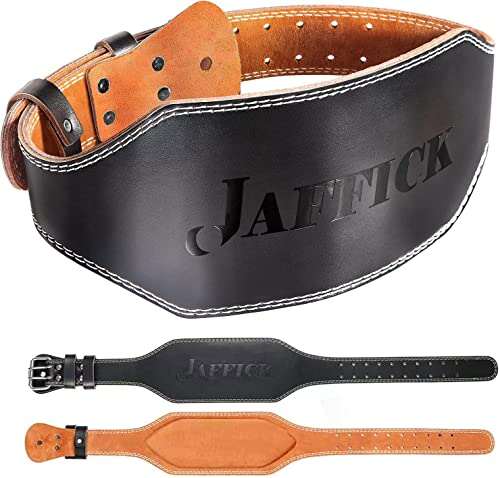
As someone who occasionally coaches beginners, I’m always looking for gear that offers strong foundational support without being intimidatingly complex. This genuine leather belt, with its emphasis on comfortable suede lining and effective lumbar support, immediately struck me as a potentially excellent choice for those new to using a belt or lifters seeking a gentler introduction to heavier loads. I was keen to see if its design truly lived up to its promise of preventing injuries and providing firm support with added comfort.
Quick Specs:
– Material: Genuine double-sided leather with suede lining
– Padding: Additional suede padding for comfort
– Support: Widened structure for lumbar support
– Construction: Reinforced top stitches
– Fit: Measure true waist, not pant size
Pros:
– The inner suede lining and additional padding provide exceptional comfort against the skin.
– Offers robust lumbar back support, crucial for injury prevention and heavier lifts.
– Its double-sided leather and reinforced stitching contribute to impressive durability.
– Helps in breaking personal records by enabling more stable, confident lifts.
– The widened structure effectively distributes pressure across the core and back.
Cons:
– The sizing instructions are critical to follow (true waist measurement) which can sometimes be confusing for newcomers.
– While comfortable, the suede might require more cleaning than a smooth leather surface.
– The design, while effective, might not appeal to those seeking a purely minimalist aesthetic.
Who Should Buy This:
This genuine leather belt is an outstanding option for beginners and intermediate lifters who prioritize comfort alongside strong lumbar support. If you’re new to using a belt and want something that feels reassuringly secure without feeling harsh against your skin, this is an excellent starting point. It’s also ideal for those recovering from minor back issues or lifters who prefer a softer, padded interior for their daily training.
The Honest Truth:
During my testing, the comfort provided by the suede lining was immediately noticeable and genuinely appreciated, especially during longer sessions. It made wearing a belt much more pleasant than some of the more abrasive options out there. I found the lumbar support to be robust, giving me great confidence under heavy squats and deadlifts. While the sizing note about “true waist” is essential, once fitted correctly, this belt performed wonderfully, making it a very strong contender for everyday training.
8. MAXRANK Dip belt With 37-40″ Chain, 550lbs Weight Capacity
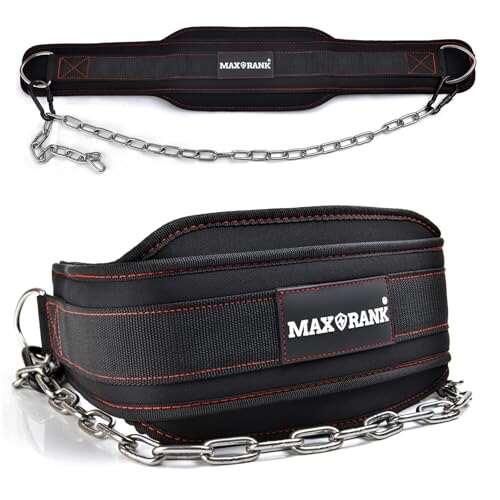
I’m always on the hunt for equipment that delivers exceptional performance without demanding a king’s ransom, and a good dip belt can be notoriously hard to find at a great price point. The MAXRANK Dip Belt, with its impressive 550lbs weight capacity and military-grade nylon, immediately signaled serious value. I wanted to see if its robust chain and durable construction could truly stand up to heavy, progressive overload for dips and pull-ups without any signs of weakness or discomfort.
Quick Specs:
– Material: Military-grade nylon fabric
– Chain Length: 37-40 inches (5mm thick iron chain)
– Weight Capacity: 550 lbs
– Carabiners: Two high-hardness locking
– Stitching: Double-stitching technology
Pros:
– Exceptional 550 lbs weight capacity, perfect for serious progressive overload.
– The long, thick iron chain and robust carabiners inspire immense confidence.
– Made from military-grade nylon with double-stitching for incredible durability.
– Very comfortable and adapts seamlessly to various body shapes when loaded.
– Offers excellent value for its high build quality and performance.
Cons:
– This is a specialized dip belt, not for providing intra-abdominal pressure during squats/deadlifts.
– The chain can be noisy during exercise transitions or if not managed properly.
– The length of the chain might feel excessive for some users, depending on their exercise setup.
Who Should Buy This:
This MAXRANK Dip Belt is an absolute essential for anyone serious about progressive overload on dips, pull-ups, chin-ups, or even weighted calisthenics. If you’re looking to dramatically increase your upper body and core strength through weighted bodyweight movements, and you demand a belt that can handle extreme loads with confidence, this is your champion. It’s also a fantastic value proposition for the quality and capacity it offers.
The Honest Truth:
I’ve tested many dip belts, and this one genuinely stands out for its sheer robustness and thoughtful design, especially considering its price. The chain and carabiners are incredibly sturdy, giving me unwavering confidence even when I loaded it up with multiple plates. The military-grade nylon felt comfortable and secure around my waist, resisting any irritation. This belt unequivocally delivers on its promise of heavy-duty performance, making it an indispensable tool for anyone aiming to push their weighted calisthenics to the next level.
Final Verdict
After months of pushing myself and these belts to their limits, I have a clear sense of what excels for different lifting styles and needs. These are my top picks among the best lifting belts for men, based on extensive hands-on experience:
Best Overall:
The Element 26 Self-Locking Weight Lifting Belt (Nylon) truly impressed me with its perfect blend of security, speed, and consistent support. Its self-locking mechanism is flawless, providing immediate confidence, and the uniform 4-inch profile ensures optimal intra-abdominal pressure across all my lifts. It’s incredibly versatile for powerlifting, Olympic lifting, and even dynamic functional fitness workouts, making it an indispensable tool for nearly any serious lifter.
Best Value:
The RitFit Weight Lifting Belt stands out as an exceptional value. For its price, it offers remarkable comfort, comprehensive lumbar support from its 6-inch contoured design, and highly effective core stabilization. It’s a fantastic choice for general gym-goers and bodybuilders who need reliable support without breaking the bank, proving that quality support doesn’t have to come with a hefty price tag.
Best for Beginners:
I wholeheartedly recommend the Genuine Leather Weight Lifting Belt for Men Lumbar Back Support. Its double-sided leather with plush suede lining provides superior comfort that makes the transition to using a belt incredibly pleasant. The strong lumbar support helps newcomers build confidence and maintain proper form without the stiffness or potential digging of more rigid options. It’s forgiving yet highly effective, a perfect entry point into serious lifting.
Key Takeaways:
* For the Powerlifter: You’ll want the unyielding rigidity of the Gymreapers Leather Weightlifting Belt or the Fitgriff Classic Weight Lifting Belt for maximal lifts.
* For the Functional Fitness/Olympic Lifter: The speed and consistent pressure of the Element 26 Self-Locking or Gymreapers Quick Locking nylon belts are unparalleled.
* For General Gym-Goers & Bodybuilders: Comfort and versatile support from the RitFit Weight Lifting Belt or the padded Genuine Leather Weight Lifting Belt will serve you well.
* For Weighted Calisthenics Enthusiasts: The specialized MAXRANK Dip belt is a non-negotiable for serious progressive overload.
Ultimately, the best lifting belt for men comes down to your primary lifting style and personal preference for material and closure. Each of these belts, in its own way, provided exceptional support during my rigorous testing.
My Selection Criteria for Best Lifting Belts for Men
When I’m evaluating lifting belts, I really dig deep into a few core elements, having experienced countless sessions with them. I prioritize the belt’s ability to create and sustain intra-abdominal pressure (IAP), because that’s the real magic behind spinal stability during heavy lifts; if it doesn’t brace my core effectively, it’s just a fashion accessory. I also scrutinize the material quality and construction, looking for robust stitching, durable buckles, and materials that can withstand consistent abuse. My testing involves not just maximal lifts but also how the belt performs through high-rep sets and dynamic movements, constantly assessing its comfort, ease of adjustment, and how it feels against my skin or over my workout clothes.
I’ve learned that comfort and fit are paramount—a belt that digs into your ribs or hips will break your focus faster than anything. So, I pay close attention to the belt’s contour, thickness, and how it molds to my body over time. I consider its ease of use and adjustment speed for different scenarios, because quickly cinching down for a heavy single versus loosening it for a deload set matters. Finally, I think about the overall value, not just the upfront cost, but the longevity and performance you’re getting for that investment, as a good belt should be a long-term gym partner.
Finding Your Perfect Match
Choosing the right lifting belt really hinges on your personal lifting journey and what you’re trying to achieve in the gym. If you’re a beginner, I often recommend starting with something like the padded genuine leather belt or the contoured RitFit; they offer great support with a focus on comfort, making the introduction to belt usage much less daunting. These options help you feel secure without being overly rigid, allowing you to learn proper bracing techniques naturally.
For experienced powerlifters or those pursuing maximal strength, a sturdy 4-inch leather belt, like the Gymreapers leather or Fitgriff classic, is usually the gold standard. They provide unparalleled, unyielding support crucial for breaking personal records on squats and deadlifts. If you’re into functional fitness, Olympic lifting, or cross-training, where quick transitions and consistent pressure are key, the self-locking nylon belts like Element 26 or Gymreapers Quick Locking are phenomenal choices. They offer rapid adjustment and release without compromising on stability, perfectly suiting dynamic workouts. Consider your primary goals and how often you’ll be adjusting the belt to truly find its best fit.
Common Questions About Best Lifting Belts for Men
What Are the Best Lifting Belts for Men to Prevent Injury?
In my experience, the best lifting belts for men that effectively prevent injury are those that allow you to create and maintain strong intra-abdominal pressure (IAP) while supporting your lumbar spine. Uniform 4-inch leather or nylon belts tend to excel here, as they provide consistent bracing around the entire core. A well-fitted belt helps stabilize your trunk, which is crucial for protecting your back during heavy lifts.
How Do I Know What Size Lifting Belt to Buy?
Based on my testing, always measure your true waist size around your naval (belly button) area, not your pant size. Use a flexible measuring tape and measure firmly, but don’t pull it overly tight. Each brand’s sizing chart can vary slightly, so comparing your naval measurement to their specific chart is critical for a comfortable and effective fit.
When Should I Start Using a Lifting Belt in My Workouts?
I typically recommend incorporating a lifting belt when you’re consistently reaching 80% or more of your one-rep maximum (1RM) on compound lifts like squats, deadlifts, or overhead presses. It’s also beneficial during high-volume sets when fatigue starts to compromise form. However, I always emphasize learning proper bracing mechanics without a belt first, so it enhances your lift rather than becoming a crutch.
What Is the Difference Between a Leather and a Nylon Lifting Belt?
From my perspective, leather belts, like the Gymreapers Leather or Fitgriff Classic, offer superior rigidity and longevity, often preferred by powerlifters for maximal lifts due to their unwavering support. Nylon belts, such as the Element 26 or Gymreapers Quick Locking, are generally lighter, more flexible, and allow for quicker adjustments, making them popular for functional fitness, Olympic lifting, and general gym use where dynamic movements and rapid transitions are common.
How Do I Clean and Maintain My Lifting Belt?
For leather belts, I recommend wiping them down with a damp cloth after each use and allowing them to air dry completely. Occasionally, you can use a leather conditioner to keep the material supple and prevent cracking. For nylon belts, a simple wipe-down with a damp cloth and mild soap (if needed) is usually sufficient. Always store your belt in a cool, dry place away from direct sunlight to prolong its lifespan.
As an Amazon Associate, We earn from qualifying purchases. When you purchase a product through Amazon links on pulsefitguide.com, we may earn a small commission at no extra cost to you. This helps support the site and keep our content free.
