


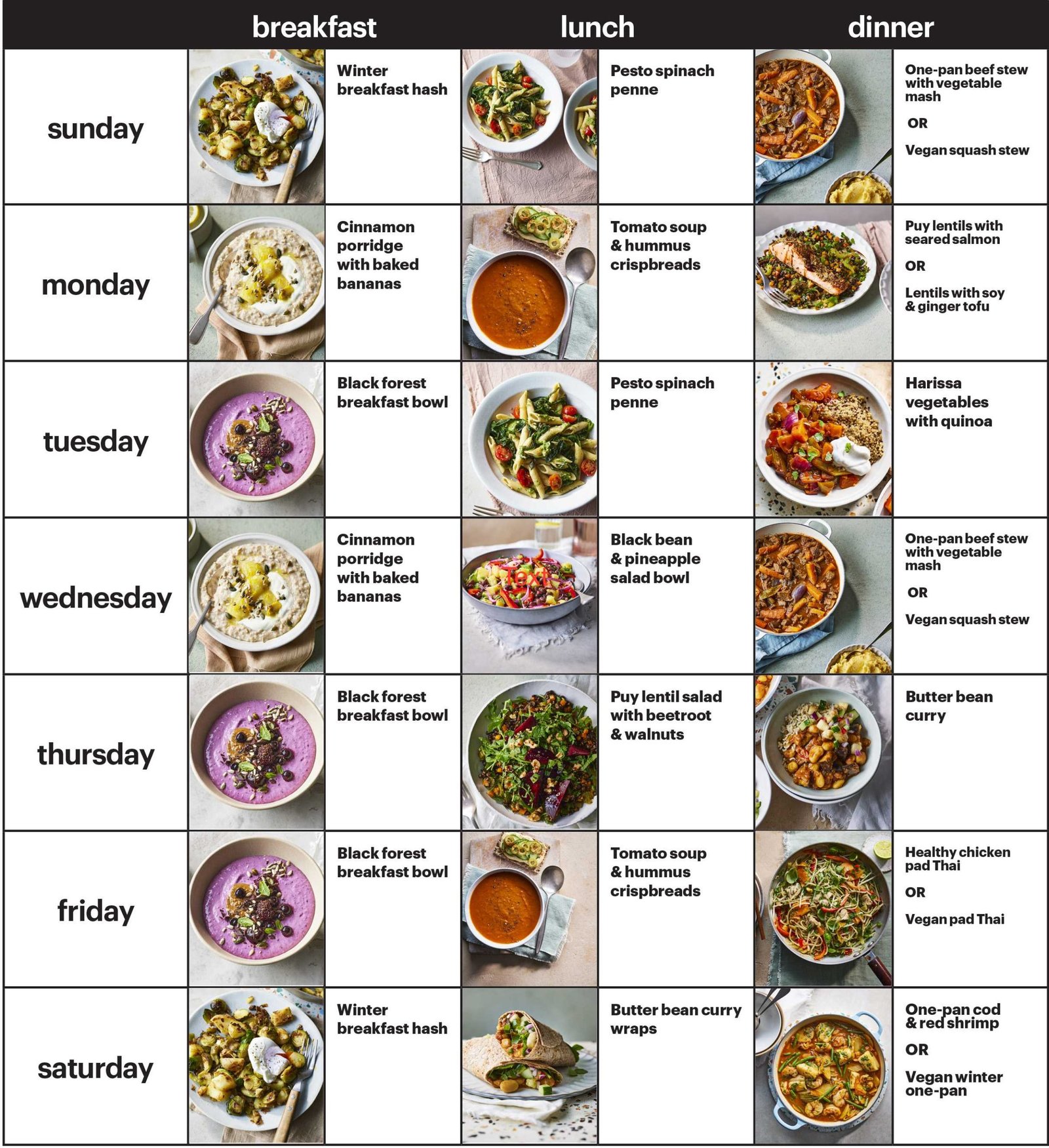
Start your weight loss journey today with a simple, delicious, and balanced meal plan! A well-rounded meal plan not only helps shed pounds but also keeps you energized and healthy. The key is to include the right mix of lean proteins, whole grains, healthy fats, and plenty of fruits and vegetables, all in moderation. This approach boosts your metabolism and curbs cravings without feeling deprived. With a little planning, you can enjoy satisfying meals that support your goals and improve your overall well-being. Keep reading to discover how to create a balanced meal plan that makes weight loss easier and more enjoyable.
A balanced meal plan for weight loss focuses on portion control and nutrient density, ensuring you get enough vitamins and minerals while reducing calorie intake. It emphasizes whole, unprocessed foods and mindful eating habits, making it sustainable long-term. By combining these principles, you can lose weight effectively while still enjoying the foods you love.
A balanced meal plan for weight loss combines the right proportions of proteins, carbs, and fats to support fat loss and maintain muscle mass. Incorporating plenty of vegetables, lean proteins, and whole grains ensures your body gets the nutrients it needs without excess calories. Planning ahead and choosing nutrient-dense foods are key to making weight loss both effective and enjoyable, helping you reach your goals without feeling hungry or deprived.

Balanced Meal Plan for Weight Loss
Understanding What a Balanced Meal Means
A balanced meal includes a variety of food groups in the right amounts. It provides essential nutrients like proteins, carbohydrates, fats, vitamins, and minerals. These nutrients work together to help your body function well and support weight loss goals.
Why a Balanced Meal is Important for Weight Loss
Eating a balanced meal helps control hunger and reduce cravings. It keeps your energy levels steady throughout the day. Plus, it ensures you get enough nutrients without overeating calories.
Key Components of a Balanced Meal
A well-rounded meal contains:
- Proteins: Lean meats, fish, eggs, beans, and nuts help build muscle and keep you full.
- Carbohydrates: Whole grains, fruits, and vegetables provide energy and fiber.
- Healthy Fats: Avocados, nuts, seeds, and olive oil support overall health.
- Vitamins and Minerals: Fruits and vegetables supply essential nutrients that promote recovery and immunity.
Designing a Daily Balanced Meal Plan for Weight Loss
Creating your meal plan involves selecting foods from each group and balancing portions. It’s about eating enough to fuel your body without excess calories. A typical day includes breakfast, lunch, dinner, and healthy snacks in between.
Breakfast Ideas
Start your day with a nutritious meal to jumpstart your metabolism. Some options include:
- Oatmeal topped with berries and a spoonful of almond butter
- Scrambled eggs with spinach and whole-grain toast
- Greek yogurt with mixed fruits and a sprinkle of nuts
Lunch Suggestions
Aim for a satisfying but light meal. Great choices are:
- Grilled chicken salad with mixed greens and vinaigrette
- Quinoa bowl with roasted vegetables and hummus
- Turkey and veggie wrap with a side of sliced cucumbers
Dinner Options
Dinner should be filling yet healthy. Consider:
- Baked salmon with steamed broccoli and sweet potatoes
- Stir-fried tofu with assorted vegetables and brown rice
- Lean beef stew with carrots, beans, and a small serving of whole-wheat bread
Healthy Snacks
Snacks can prevent overeating at mealtime. Healthy choices include:
- Fresh fruit like apples or oranges
- A handful of mixed nuts
- Carrot sticks with hummus
Portion Control and Meal Timing
Controlling portion sizes is crucial to stay within your calorie goals. Use smaller plates or bowls to help. Eating at regular intervals, every three to four hours, keeps your metabolism active and prevents binge eating.
Incorporating Hydration into Your Meal Plan
Drinking plenty of water supports digestion and helps control hunger. Aim for about 8 glasses a day, and avoid sugary drinks that add empty calories. Herbal teas and infused water are good alternatives.
Meal Preparation Tips for Success
Preparing meals ahead of time saves time and reduces temptation. Batch cooking vegetables, grilling proteins, or portioning snacks makes sticking to your plan easier. Keep healthy foods visible and accessible.
Sample Weekly Meal Plan
| Day | Breakfast | Lunch | Dinner | Snacks |
|——–|——————————|——————————|——————————|————–|
| Monday | Oatmeal with berries | Chicken salad | Baked salmon with vegetables | Apple slices |
| Tuesday | Eggs with spinach | Quinoa and vegetable bowl | Stir-fried tofu and brown rice | Nuts |
| Wednesday | Greek yogurt and fruit | Turkey wrap | Lean beef stew | Carrot sticks |
| Thursday | Smoothie with banana and spinach | Lentil soup with whole grain bread | Grilled chicken with sweet potatoes | Orange slices |
| Friday | Whole grain toast with avocado | Fish tacos with cabbage | Vegetable stir-fry | Mixed nuts |
Additional Tips for Maintaining a Balanced Meal Plan
– Limit processed foods and added sugars.
– Incorporate a variety of foods to prevent boredom.
– Listen to your body’s hunger and fullness cues.
– Adjust portions based on your activity level and progress.
A balanced meal plan is a foundation for healthy weight loss. It provides your body with all the necessary nutrients while keeping calories in check. Remember, consistency and mindful eating are key to seeing results and feeling good along the way.
Frequently Asked Questions
What are some essential components to include in a meal plan for effective weight loss?
A balanced meal plan for weight loss should include lean proteins like chicken, fish, or beans to promote muscle maintenance. Incorporate whole grains such as brown rice or oats to provide sustained energy. Include plenty of vegetables and fruits for vitamins, minerals, and fiber. Healthy fats from sources like nuts, seeds, or avocados also support overall health and satiety. Maintaining appropriate portion sizes and reducing processed foods contribute to successful weight management.
How can portion control enhance the effectiveness of a weight loss meal plan?
Controlling portion sizes helps prevent overeating and ensures you consume the right amount of calories for weight loss. Using smaller plates or measuring servings keeps portions in check. Eating slowly allows your body to recognize fullness cues, reducing the likelihood of consuming excess calories. Proper portion control compliments a balanced diet by helping you maintain a calorie deficit without feeling deprived.
What are some practical tips to stay consistent with a balanced meal plan for weight loss?
Plan meals ahead to avoid impulsive eating and to ensure nutritional balance throughout the week. Keep healthy snacks readily available to curb hunger between meals. Incorporate a variety of foods to prevent boredom and maintain interest in your diet. Stay hydrated by drinking plenty of water and avoid sugary beverages. Regularly tracking your progress can motivate you to stay on track and make necessary adjustments.
Final Thoughts
A balanced meal plan for weight loss provides essential nutrients while maintaining calorie control. Incorporate plenty of vegetables, lean proteins, and whole grains to stay full longer and support metabolism. Choose healthy fats and limit processed foods to enhance your results. Consistency and portion control are key to achieving sustainable weight loss. Following these guidelines makes your journey healthier and more effective.
As an Amazon Associate, We earn from qualifying purchases. When you purchase a product through Amazon links on pulsefitguide.com, we may earn a small commission at no extra cost to you. This helps support the site and keep our content free.
