


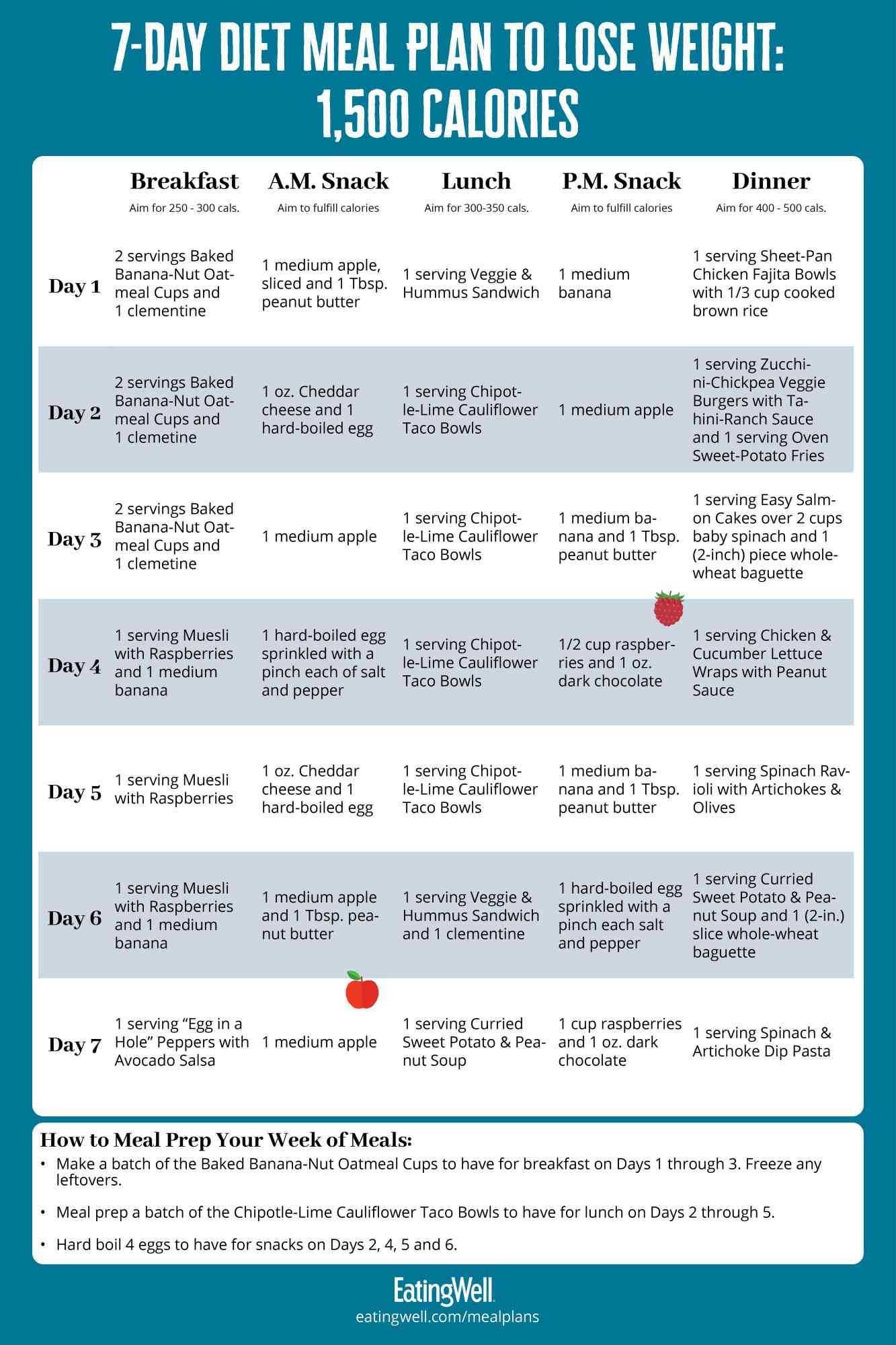
Looking to shed those extra pounds without feeling deprived? A well-balanced meal plan focusing on nutritious foods, portion control, and variety can make all the difference. The key is choosing whole, minimally processed ingredients that keep you full and energized while helping you lose weight steadily. Planning your meals ahead of time ensures you stay on track and avoid impulsive, unhealthy choices.
A good meal plan for weight loss emphasizes lean proteins, vegetables, healthy fats, and complex carbs, while limiting sugars and refined grains. It’s about creating sustainable habits that promote gradual, healthy weight loss without sacrificing flavor or satisfaction. With the right approach, losing weight becomes a manageable and even enjoyable journey.
Starting a weight loss journey doesn’t mean sacrificing delicious food; it’s about making smarter choices that fuel your body and support your goals. Imagine eating satisfying meals that help you lose weight while still feeling satisfied and energized—this is achievable with a balanced, mindful meal plan tailored to your needs.

A Good Meal Plan for Weight Loss
Understanding the Basics of a Good Meal Plan
A good meal plan for weight loss focuses on providing essential nutrients while maintaining a calorie deficit. It helps control hunger and boosts energy levels throughout the day. Balance is key, including proteins, healthy fats, and complex carbohydrates.
Why Meal Planning Supports Weight Loss
Planning meals prevents impulsive eating and reduces the temptation of unhealthy choices. It ensures portion control, promotes consistency, and helps track progress. A structured plan makes it easier to stick to your weight loss goals.
Key Elements of an Effective Meal Plan
- Calorie Control: Consuming fewer calories than you burn results in weight loss. Opt for a moderate deficit tailored to your needs.
- Macronutrient Balance: Incorporate the right mix of proteins, carbs, and fats to support metabolism and muscle preservation.
- Meal Frequency: Regular eating times help regulate blood sugar and prevent overeating.
Creating a Balanced Breakfast
Start your day with a nutrient-rich breakfast to kickstart your metabolism. Include options like oatmeal topped with fresh berries, scrambled eggs with vegetables, or Greek yogurt with nuts. Combining protein and fiber keeps you full longer.
Healthy Breakfast Ideas
- Oatmeal with sliced bananas and chia seeds
- Scrambled eggs with spinach and tomatoes
- Greek yogurt with honey, almonds, and blueberries
Lunch Tips for Weight Loss
Lunch should be filling but not overly heavy. Focus on lean proteins such as chicken, turkey, or fish, paired with lots of vegetables. Use healthy fats like olive oil or avocado for added flavor and satiety.
Healthy Lunch Options
- Grilled chicken salad with mixed greens and vinaigrette
- Quinoa bowl with roasted vegetables and hummus
- Turkey and veggie wrap with whole wheat tortilla
Dinner Strategies to Support Your Goals
Dinner should be light yet satisfying. Incorporate lean proteins and plenty of vegetables, avoiding heavy sauces and fried foods. Opt for baking, steaming, or grilling to keep meals healthy.
Healthy Dinner Ideas
- Baked salmon with steamed broccoli and sweet potatoes
- Stir-fried tofu with mixed vegetables and brown rice
- Grilled shrimp with zucchini noodles and cherry tomatoes
Snacks That Fit a Weight Loss Meal Plan
Healthy snacks can curb hunger and maintain energy between meals. Choose nutrient-dense options like nuts, seeds, fruits, or low-fat cheese. Keep portions small to avoid excess calorie intake.
Smart Snack Choices
- A handful of almonds or walnuts
- Sliced apple with peanut butter
- Carrot sticks with hummus
- Low-fat string cheese and a few whole-grain crackers
Hydration and Its Role in Weight Loss
Drinking plenty of water supports digestion and helps control appetite. Aim for at least 8 glasses a day, and include herbal teas or infused water if desired. Sometimes, thirst is mistaken for hunger.
Meal Preparation and Portion Control
Preparing meals ahead of time reduces stress and prevents unhealthy choices. Use measuring tools and portion containers to maintain control over serving sizes. Filling half your plate with vegetables helps keep calorie intake in check.
Tips for Effective Meal Prep
- Cook in batches to save time
- Use clear containers to visualize portions
- Incorporate a variety of colorful vegetables and lean proteins
Sample Weekly Meal Plan for Weight Loss
| Day | Breakfast | Lunch | Dinner | Snacks |
|---|---|---|---|---|
| Monday | Oatmeal with strawberries | Grilled chicken salad | Baked cod with asparagus | Carrot sticks and hummus |
| Tuesday | Greek yogurt with walnuts | Quinoa and veggie bowl | Stir-fried tofu with broccoli | Apple slices with peanut butter |
| Wednesday | Scrambled eggs with peppers | Turkey wrap with lettuce | Grilled shrimp and zucchini | Low-fat cheese with whole grain crackers |
Adjusting Your Meal Plan for Long-Term Success
Monitor your progress and modify your plan as needed. Incorporate variety to prevent boredom and ensure you get a broad range of nutrients. Remember, consistency and patience are essential for sustainable weight loss.
Additional Tips for Staying on Track
- Keep a food diary to track your intake
- Set realistic goals and celebrate small victories
- Find support from friends, family, or weight loss groups
- Incorporate physical activity into your routine
Understanding Common Pitfalls and How to Avoid Them
Avoid skipping meals, as it can lead to overeating later. Limit processed foods and sugary beverages that add empty calories. Focus on whole, unprocessed foods for lasting results.
Designing a good meal plan for weight loss involves balancing nutrients, controlling portions, and staying consistent. Planning ahead and choosing healthy foods make it easier to reach your goals. Remember, a sustainable approach keeps weight loss manageable and improves overall well-being.
Frequently Asked Questions
What are some essential components of a balanced meal plan for weight loss?
A balanced meal plan for weight loss should include a variety of nutrient-dense foods that promote satiety and support metabolic health. Incorporate lean proteins like chicken, fish, or beans to help build and repair tissues. Add complex carbohydrates such as whole grains, vegetables, and fruits to provide sustained energy. Include healthy fats from sources like avocados, nuts, and olive oil. Portion control and timing meals appropriately can also prevent overeating and maintain steady blood sugar levels.
How can I ensure my meal plan is sustainable for long-term weight management?
To create a sustainable meal plan, focus on flexibility and enjoyment. Include foods you like in reasonable portions and avoid overly restrictive diets that may lead to frustration. Incorporate a variety of flavors and recipes to keep meals interesting. Planning meals ahead of time helps prevent impulsive eating, and staying mindful of your hunger and fullness cues supports steady weight management. Regularly adjusting your plan based on progress and changing preferences keeps you motivated and engaged.
What strategies can I use to prevent overeating during weight loss?
Use mindful eating techniques by paying close attention to what and how you eat. Eat slowly, savor each bite, and avoid distractions like screens during meals. Keeping healthy snacks accessible helps curb sudden hunger without resorting to unhealthy options. Drinking plenty of water before and during meals can help you feel fuller. Establish regular meal times to regulate hunger levels and reduce the temptation to snack excessively. Additionally, focusing on nutrient-dense foods supports satiety and reduces the likelihood of overeating.
Final Thoughts
A good meal plan for weight loss focuses on balanced nutrition and portion control. Incorporate plenty of vegetables, lean proteins, and whole grains to stay full longer. Avoid processed foods and sugary drinks to reduce empty calories. Stay consistent and listen to your body’s hunger cues for sustainable results.
As an Amazon Associate, We earn from qualifying purchases. When you purchase a product through Amazon links on pulsefitguide.com, we may earn a small commission at no extra cost to you. This helps support the site and keep our content free.
