


If you’re aiming to lose weight while still enjoying satisfying meals, a well-balanced 2300 calorie meal plan might be just what you need. It’s all about creating delicious, nutritious dishes that keep you full and energized without exceeding your calorie goals. The key is to focus on nutrient-dense foods that support fat loss while satisfying your taste buds. This plan can fit into a busy lifestyle, providing enough variety to prevent boredom and help you stay on track. Whether you’re a beginner or someone looking to fine-tune your diet, understanding how to balance your meals within this calorie range can make your weight loss journey smoother and more enjoyable.
A 2300 calorie meal plan for weight loss involves carefully choosing foods that are rich in fiber, lean proteins, and healthy fats, while limiting processed sugars and refined carbs. It’s about striking the right balance to promote fat burning while keeping your energy levels high. By planning your meals thoughtfully, you can enjoy delicious food and reach your weight loss goals simultaneously.
Getting started with a 2300 calorie meal plan doesn’t mean sacrificing flavor or variety. It’s about smart choices that nourish your body and keep you satisfied throughout the day. This plan can be tailored to fit any lifestyle, making weight loss a sustainable and enjoyable experience. Whether you prefer quick meals or more elaborate dishes, focusing on whole foods and portion control is the secret to success. Ready to discover how to craft a meal plan that works for you? Let’s dive into the details!

2300 Calorie Meal Plan for Weight Loss
Understanding the 2300 Calorie Meal Plan
A 2300 calorie meal plan can help you lose weight when combined with regular physical activity. It provides enough energy to keep you active while creating a calorie deficit for fat loss. This plan works well for people with moderate activity levels who want to shed pounds healthily.
How a 2300 Calorie Meal Plan Works
The plan balances macronutrients—carbohydrates, proteins, and fats—so your body gets what it needs. It focuses on whole foods like vegetables, fruits, lean proteins, and healthy fats. Monitoring portion sizes and meal timing ensures you stay within your calorie limit without feeling deprived.
Benefits of a 2300 Calorie Meal Plan for Weight Loss
- Steady energy levels: Maintains energy without causing fatigue or hunger.
- Muscle preservation: Adequate protein intake helps keep muscle mass during weight loss.
- Reduced cravings: Balanced macronutrients minimize hunger pangs.
- Long-term sustainability: Flexibility makes it easier to stick with the plan.
Key Elements of a 2300 Calorie Meal Plan
A successful plan includes a variety of foods from all food groups. It emphasizes nutrient-dense foods that provide essential vitamins and minerals. Incorporating different textures and flavors prevents boredom and keeps motivation high.
Sample Daily Breakdown
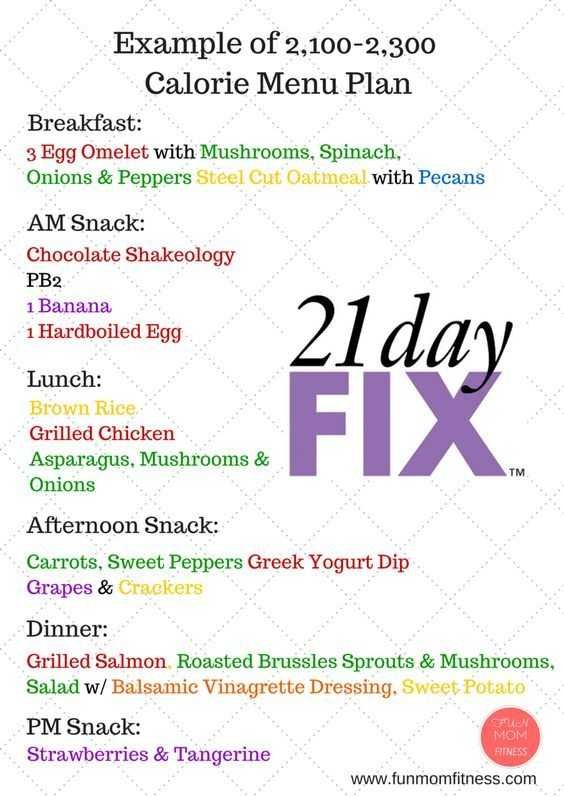
To visualize how your day might look, here is a typical breakdown:
| Meal | Calories | Suggested Foods |
|---|---|---|
| Breakfast | 550 calories | Oatmeal with berries and a boiled egg |
| Snack | 250 calories | Greek yogurt with honey and almonds |
| Lunch | 700 calories | Grilled chicken salad with olive oil dressing and whole grain bread |
| Snack | 250 calories | Carrot sticks with hummus |
| Dinner | 550 calories | Baked salmon with quinoa and steamed broccoli |
Meal Planning Tips for Success
- Plan meals ahead: Prepare shopping lists and cook in batches.
- Balance macronutrients: Ensure each meal contains carbs, proteins, and fats.
- Focus on whole foods: Avoid processed snacks and fast food.
- Stay hydrated: Drink plenty of water throughout the day.
- Practice mindful eating: Pay attention to hunger cues and avoid overeating.
Adjusting the Plan for Personal Needs
Every person is different, so personalize the meal plan based on activity levels and dietary preferences. For more active individuals, slightly increasing caloric intake may be beneficial. For those with specific health conditions, consult a healthcare provider or dietitian for tailored advice.
Sample Meal Swap Ideas
Keeping variety in your diet can prevent boredom. Here are some swaps:
- Instead of oatmeal, try whole grain toast with avocado.
- Replace chicken with turkey or tofu for different protein options.
- Swap white rice for brown rice or wild grains.
- Use different vegetables like spinach, peppers, or zucchini.
Incorporating Physical Activity
Pairing your meal plan with regular exercise boosts weight loss. Aim for at least 150 minutes of moderate activity weekly, such as brisk walking, cycling, or swimming. Strength training two to three times weekly helps preserve muscle mass.
Monitoring Your Progress
Track your food intake using apps or journals to stay within your calorie limit. Regular weigh-ins and physical measurements help assess progress. Make adjustments if weight loss plateaus or if you feel overly hungry or tired.
Dealing with Common Challenges
Many struggle with cravings and social eating. Preparing healthy snacks helps curb temptations. When dining out, choose dishes aligned with your plan and control portion sizes. Staying flexible reduces frustration and promotes adherence.
Meal Prep and Cooking Tips
Batch cooking makes sticking to your plan easier. Use simple recipes with measurable ingredients. Invest in quality storage containers to keep your meals fresh. Season foods with herbs and spices to enhance flavor without added calories.
In Conclusion
A 2300 calorie meal plan offers a balanced approach to weight loss that can be sustainable and enjoyable. It emphasizes nutritious, varied foods that support your health and fitness goals. Consistency, planning, and mindful choices will help you reach your desired results while feeling satisfied.
My 2300 Calorie Cutting Diet (200g Protein)
Frequently Asked Questions
Can a 2300 calorie meal plan support my weight loss goals?
Yes, a 2300 calorie meal plan can support weight loss if it creates a caloric deficit based on your daily energy expenditure. To determine if this plan is suitable, calculate your total daily energy needs and compare it to the calories you consume. Combining this plan with regular physical activity can enhance your weight loss results while ensuring you get essential nutrients.
How should I balance macronutrients within a 2300 calorie meal plan?
Balancing macronutrients involves distributing calories among carbs, proteins, and fats to support your health and goals. Typically, aim for around 45-55% of calories from carbohydrates, 20-25% from protein, and 20-30% from fats. Prioritize whole grains, lean proteins, healthy fats, and plenty of vegetables to promote satiety and maintain energy levels throughout the day.
What are some effective ways to ensure I feel full on a 2300 calorie meal plan?
To stay satisfied, focus on including high-fiber foods like fruits, vegetables, legumes, and whole grains. Incorporate lean proteins and healthy fats, which aid in keeping you full longer. Drinking adequate water and eating balanced meals at regular intervals can also prevent hunger and help you stick to your calorie limits comfortably.
Is it necessary to exercise while following a 2300 calorie meal plan for weight loss?
Exercise complements your calorie-controlled diet by increasing calorie expenditure and supporting overall health. While you can lose weight through diet alone, incorporating regular physical activity can accelerate your progress, improve muscle tone, and boost your metabolism. Find activities you enjoy to make exercise a consistent part of your routine.
How can I adjust the 2300 calorie plan for different activity levels?
If you lead a sedentary lifestyle, sticking closely to 2300 calories might be effective for weight loss. For more active individuals, you may need to increase your calorie intake slightly to fuel your activities and prevent hunger. Adjust portion sizes and include nutrient-dense foods to align your plan with your activity level while maintaining your weight loss goals.
Final Thoughts
A 2300 calorie meal plan for weight loss offers a sustainable and satisfying approach to shedding pounds. It balances macronutrients and emphasizes portion control, making it easier to stick with your goals. Consistency remains key, and choosing nutritious foods keeps energy levels high. This plan provides flexibility while supporting effective weight management.
As an Amazon Associate, We earn from qualifying purchases. When you purchase a product through Amazon links on pulsefitguide.com, we may earn a small commission at no extra cost to you. This helps support the site and keep our content free.
