


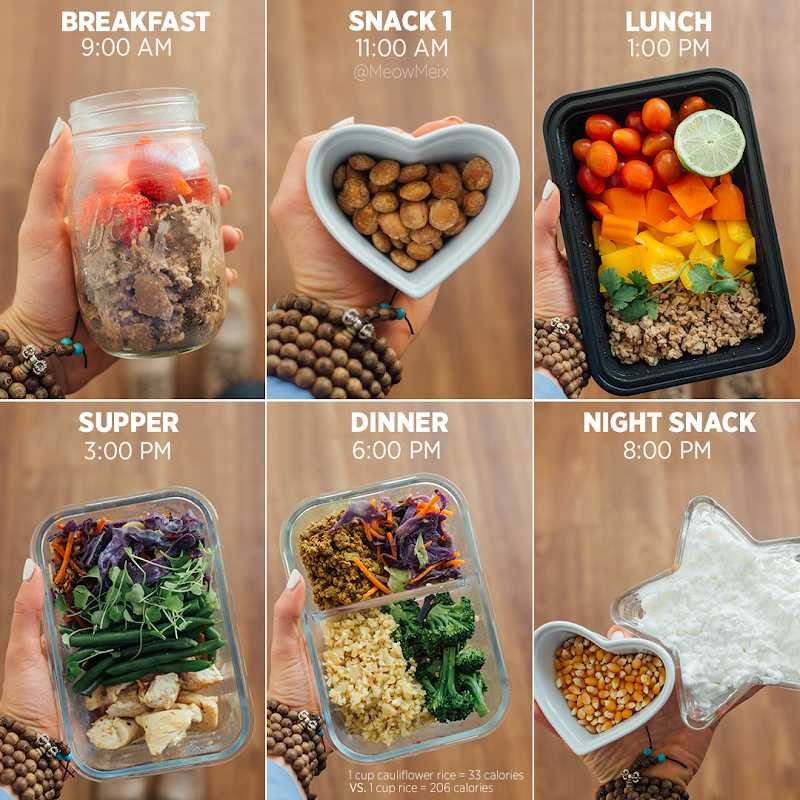
To lose weight effectively on an 1800-calorie meal plan, focus on balanced meals rich in lean proteins, whole grains, healthy fats, and plenty of vegetables. Staying within this calorie range helps create a sustainable calorie deficit, promoting steady weight loss without sacrificing nutrition. Planning your meals ahead ensures you stay on track and enjoy your food while reaching your goals.
An 1800-calorie meal plan is an excellent option for those seeking a manageable yet effective way to lose weight. It provides enough variety and nutrients to keep you satisfied and energized throughout the day. By strategically combining healthy ingredients, you can enjoy flavorful meals that support your weight loss journey.
Starting a weight loss journey can seem overwhelming, but having a clear 1800-calorie meal plan makes it manageable and enjoyable. You don’t have to starve yourself or give up your favorite foods — instead, you learn how to make smarter choices that nourish your body while helping you shed pounds. This plan balances taste, nutrition, and calorie control, making your path to a healthier you both achievable and sustainable.

1 800 Calorie Meal Plan for Weight Loss: A Complete Guide
Understanding the 1 800 Calorie Meal Plan
Adopting a 1 800 calorie meal plan can be an effective way to lose weight steadily. This plan provides a balanced intake of nutrients without feeling deprived. It involves carefully choosing foods that are nutrient-dense and satisfying.
Why Choose a 1 800 Calorie Diet?
An 1 800 calorie diet is often recommended for women and some men to support gradual weight loss. It helps create a calorie deficit while still supplying essential nutrients. It’s important to combine this plan with physical activity for best results.
Benefits of a 1 800 Calorie Meal Plan
- Supports sustainable weight loss without feeling hungry
- Balances energy levels throughout the day
- Provides essential vitamins and minerals
- Reduces risk of nutritional deficiencies
- Makes meal planning easier and more predictable
Daily Macronutrient Breakdown
The typical macronutrient distribution for an 1 800 calorie plan includes:
| Carbohydrates | Proteins | Fats |
|---|---|---|
| 45-55% of total calories | 20-25% | 20-30% |
This helps keep energy stable and supports muscle maintenance during weight loss.
Sample Meal Structure
An effective 1 800 calorie plan generally divides calories into three main meals and two snacks. For example:
- Breakfast: 400-500 calories
- Lunch: 500-600 calories
- Dinner: 500-600 calories
- Snacks: 200-300 calories
This distribution maintains steady blood sugar levels and prevents cravings.
Breakfast Options
Breakfast is crucial to kickstart your day and should include fiber, protein, and healthy fats.
Examples of Healthy Breakfasts
- Oatmeal topped with berries and a teaspoon of almond butter
- Scrambled eggs with spinach and whole grain toast
- Greek yogurt with honey and mixed nuts
Including protein in the morning helps you feel full longer and reduces overeating later.
Lunch Ideas
A balanced lunch keeps your energy high and keeps hunger at bay until dinner.
Healthy Lunch Recipes
- Grilled chicken salad with mixed greens and vinaigrette
- Quinoa bowl with roasted vegetables and hummus
- Tuna wrap with whole wheat tortilla and fresh vegetables
Adding fiber-rich vegetables is key to increasing satiety.
Dinner Suggestions
Dinner should be satisfying but not overly heavy to promote restful sleep.
Wholesome Dinner Dishes
- Baked salmon with steamed broccoli and brown rice
- Turkey stir-fry with colorful peppers and snap peas
- Vegetable and bean chili with a side of cornbread
Focus on lean proteins, healthy fats, and plenty of vegetables.
Healthy Snacks
Snacks between meals can prevent hunger and keep metabolism active.
Smart Snack Choices
- Fresh fruit with a handful of nuts
- Carrot sticks with hummus
- Low-fat cottage cheese with pineapple chunks
Limit snacks that are high in sugar and unhealthy fats.
Tips for Meal Prep and Planning
Meal prepping saves time and ensures you stick to your calorie goals. Batch-cook grains, wash vegetables in advance, and portion snacks ahead of time. Use a food diary or calorie-tracking app to stay accountable.
Incorporating Exercise into Your Routine
Combine your meal plan with regular physical activity for optimal results. Activities like walking, cycling, or strength training complement your calorie deficit. Aim for at least 150 minutes of moderate exercise weekly.
Monitoring Your Progress
Track your weight and body measurements weekly to assess progress. Adjust your meal portions or activity level if the scale stagnates for more than two weeks. Remember, gradual weight loss is healthier.
Handling Challenges and Staying Motivated
Plan for setbacks and don’t get discouraged. Prepare healthy snacks to avoid temptations and set realistic goals. Celebrate small achievements to keep your motivation high.
Additional Tips for Success
Stay hydrated by drinking plenty of water. Make sleep a priority as it supports weight loss. Limit alcohol intake, which can add empty calories. Lastly, seek support from friends or a community to stay on track.
Tracking Nutrient Intake
Use a nutrition app to monitor your macro and micronutrient intake. Ensuring a variety of colorful vegetables, fruits, lean proteins, and whole grains helps cover all essential nutrients. Balance is key to feeling energized and healthy.
Adjusting the Plan as Needed
Your calorie needs may change over time. Reassess your goals regularly and modify your plan accordingly. Consulting a healthcare professional can help tailor the diet to your specific health conditions.
Related Topics to Explore
- Healthy eating habits for long-term weight management
- Meal prepping tips and tricks
- Grocery shopping list for an 1 800 calorie meal plan
- Importance of hydration and water intake during weight loss
- Mindful eating techniques to prevent overeating
Following a structured 1 800 calorie meal plan provides a clear pathway towards your weight loss goals. It combines nutritious foods, balanced portions, and consistent habits. This approach not only helps shed pounds but also promotes overall health and well-being.
What to Eat on an 1,800 Calorie Diet
Frequently Asked Questions
How can I ensure I get enough nutrients on an 1,800 calorie meal plan?
To meet your nutritional needs, focus on including a variety of foods from all food groups. Incorporate plenty of vegetables, lean proteins, whole grains, and healthy fats in your meals. Planning balanced dishes helps you get essential vitamins and minerals without exceeding your calorie limit. Consider consulting a registered dietitian to customize your meal plan and ensure it covers all your nutritional requirements.
What are some healthy snack options on an 1,800 calorie diet?
Opt for nutrient-dense snacks such as fresh fruit, vegetable sticks with hummus, Greek yogurt, nuts, or a small portion of cheese. These options provide essential nutrients and help keep you full between meals without adding excessive calories. Preparing snacks ahead of time can make it easier to stick to your calorie goals throughout the day.
How can I adjust this meal plan if I have specific dietary restrictions?
If you have dietary restrictions, substitute ingredients to fit your needs while maintaining calorie balance. For example, replace dairy with plant-based alternatives if you’re lactose intolerant, or choose gluten-free grains if you have sensitivities. Keep track of your intake to ensure you stay within your daily calorie target and meet your individual health goals.
What strategies can help me stay on track with an 1,800 calorie plan during busy days?
Plan your meals and prepare ingredients in advance to avoid impulsive eating. Keep healthy, portion-controlled snacks handy, and set reminders for meal times. Staying hydrated and maintaining a consistent eating schedule also helps control hunger and prevent overeating, making it easier to follow your meal plan even on busy days.
Final Thoughts
Adopting an 1 800 calorie meal plan for weight loss provides a balanced approach to daily nutrition. It encourages portion control and mindful eating, making it easier to stay on track.
Sticking to this plan helps create a calorie deficit while ensuring you get essential nutrients. Consistency and smart choices are key to achieving your weight loss goals effectively.
As an Amazon Associate, We earn from qualifying purchases. When you purchase a product through Amazon links on pulsefitguide.com, we may earn a small commission at no extra cost to you. This helps support the site and keep our content free.
