


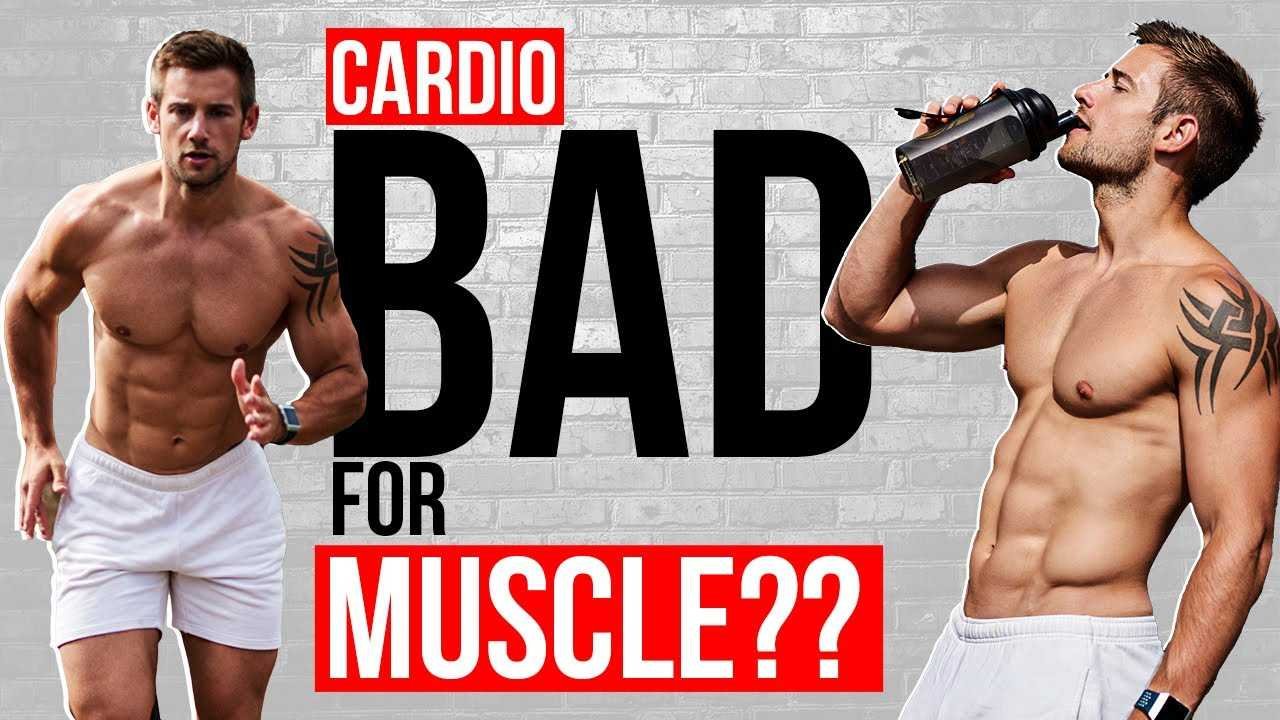
Absolutely! Cardio alone isn’t the best way to build muscle, but it can support your muscle growth goals when combined with strength training. Cardio improves cardiovascular health and endurance, helping you recover faster and train more effectively. However, if muscle building is your main aim, focusing on resistance exercises is essential, with cardio playing a complementary role.
Engaging in cardio exercises like running, cycling, or swimming can be beneficial, but they won’t directly lead to muscle growth. Instead, they help with fat loss and overall fitness, which can make your muscles more visible. To truly build muscle, prioritize strength training that challenges your muscles through resistance. Combining both cardio and weightlifting creates a balanced workout plan that boosts overall fitness while helping you develop muscle mass efficiently.

Will Cardio Build Muscle? Exploring the Truth Behind Cardio and Muscle Growth
Understanding Cardio and Its Basic Purpose
Cardio exercises, also known as aerobic workouts, mainly focus on increasing your heart rate and improving cardiovascular health. Common examples include running, cycling, swimming, and brisk walking. These activities strengthen your heart and lungs but are often associated with burning calories and losing weight.
Can Cardio Alone Build Muscle?
Many people wonder if doing cardio can help build muscle mass directly. The simple answer is that cardio alone is usually not enough to develop large muscles. While it improves endurance and stamina, it does not provide the resistance needed for significant muscle growth.
How Cardio Affects Muscle Mass
When you perform cardio regularly, your body primarily uses stored fat and carbohydrates for energy. Excessive cardio can sometimes lead to muscle loss if not combined with proper nutrition and strength training. However, moderate cardio can support muscle maintenance by improving blood flow and recovery.
Balancing Cardio and Strength Training
To build muscle while doing cardio, it is essential to create a balanced workout plan. Incorporate strength exercises such as weightlifting or resistance training along with your cardio routine. This combination ensures your muscles receive enough stimulus to grow and recover effectively.
Types of Cardio and Their Impact on Muscles
Different forms of cardio influence your muscles differently. For instance, high-impact exercises like running can strengthen leg muscles but may cause fatigue if overdone. Low-impact options like swimming or cycling are gentler on the joints and help preserve muscle tissue.
High-Intensity Interval Training (HIIT)
HIIT involves short bursts of intense activity followed by rest periods. This type of cardio can boost muscle endurance and promote muscle retention. It also helps burn calories efficiently, making it a popular choice for those seeking muscle definition and fat loss.
Steady-State Cardio
Steady-state cardio involves maintaining a consistent moderate effort for an extended period. While it improves cardiovascular endurance, it may not significantly contribute to muscle growth. Combining it with strength training yields better results for muscle development.
Nutrition and Cardio for Muscle Growth
Proper nutrition is crucial when trying to build muscle with cardio. Eating sufficient protein supports muscle repair and growth, especially after cardio sessions. Carbohydrates provide energy for workouts, while fats help regulate hormones essential for muscle development.
Optimal Workout Strategies for Building Muscle with Cardio
To maximize muscle growth, follow these strategies:
- Schedule strength training on separate days or after cardio workouts
- Include compound movements such as squats, deadlifts, and bench presses
- Maintain a slight caloric surplus for muscle gain
- Ensure adequate rest and recovery time
- Monitor your progress and adjust your routine accordingly
Common Mistakes to Avoid
Avoid overdoing cardio, which can hinder muscle growth. Also, neglecting strength training and poor nutrition can undermine your efforts. Balance is key: prioritize resistance exercises and consume enough calories and nutrients.
Sample Weekly Workout Plan Incorporating Cardio and Muscle Building
Here is a simple example:
| Day | Workout |
|---|---|
| Monday | Strength Training (Upper Body) + Short Cardio Warm-up |
| Tuesday | Steady-State Cardio (45 minutes) |
| Wednesday | Strength Training (Lower Body) |
| Thursday | HIIT Sessions (20 minutes) |
| Friday | Full Body Strength Training |
| Saturday | Active Recovery or Light Cardio |
| Sunday | Rest Day |
Muscle Building vs Fat Loss: How Cardio Fits In
While cardio aids in fat loss, it can sometimes compromise muscle mass if not done carefully. Focus on combining cardio with adequate protein intake and strength training. This strategy helps preserve and enhance muscle while reducing body fat.
In summary, cardio by itself does not significantly build muscle, but it plays an important role in overall fitness and muscle maintenance. To see muscle gains, combine cardio with resistance training and proper nutrition. Balancing these elements leads to better muscle development, improved health, and a fitter body.
How To Do Cardio (Without Losing Muscle)
Frequently Asked Questions
Can doing cardio help increase muscle size effectively?
While cardio exercises primarily improve cardiovascular health and endurance, they can support muscle growth when combined with strength training. Cardio increases blood flow to muscles, which helps deliver nutrients and promotes recovery. However, for significant muscle size gains, incorporating resistance training and adequate nutrition is essential, as cardio alone doesn’t provide the necessary stimulus for hypertrophy.
Does performing cardio interfere with muscle-building efforts?
Excessive cardio can sometimes hinder muscle growth if it leads to too much fatigue or a caloric deficit. To prevent this, balance your cardio sessions with strength workouts and ensure you consume enough calories and protein to support muscle repair and growth. Moderating cardio intensity and duration helps maintain the focus on building muscle while enjoying cardiovascular benefits.
How can I combine cardio and strength training to maximize muscle development?
To effectively combine both, schedule cardio on non-lifting days or separate sessions to prevent fatigue during resistance workouts. Incorporate moderate-intensity cardio sessions that last around 20-30 minutes, and focus on progressive overload during strength training. Proper nutrition, especially sufficient protein intake, will further enhance muscle gains while supporting cardiovascular health.
Final Thoughts
Cardio focuses on improving endurance and burning calories, but it alone doesn’t build significant muscle mass. Incorporating strength training alongside cardio effectively stimulates muscle growth. Proper nutrition also plays a crucial role in this process.
Will cardio build muscle? The answer is generally no if performed without resistance exercises. To develop muscle, athletes need targeted strength workouts combined with adequate rest and nutrition.
As an Amazon Associate, We earn from qualifying purchases. When you purchase a product through Amazon links on pulsefitguide.com, we may earn a small commission at no extra cost to you. This helps support the site and keep our content free.
