


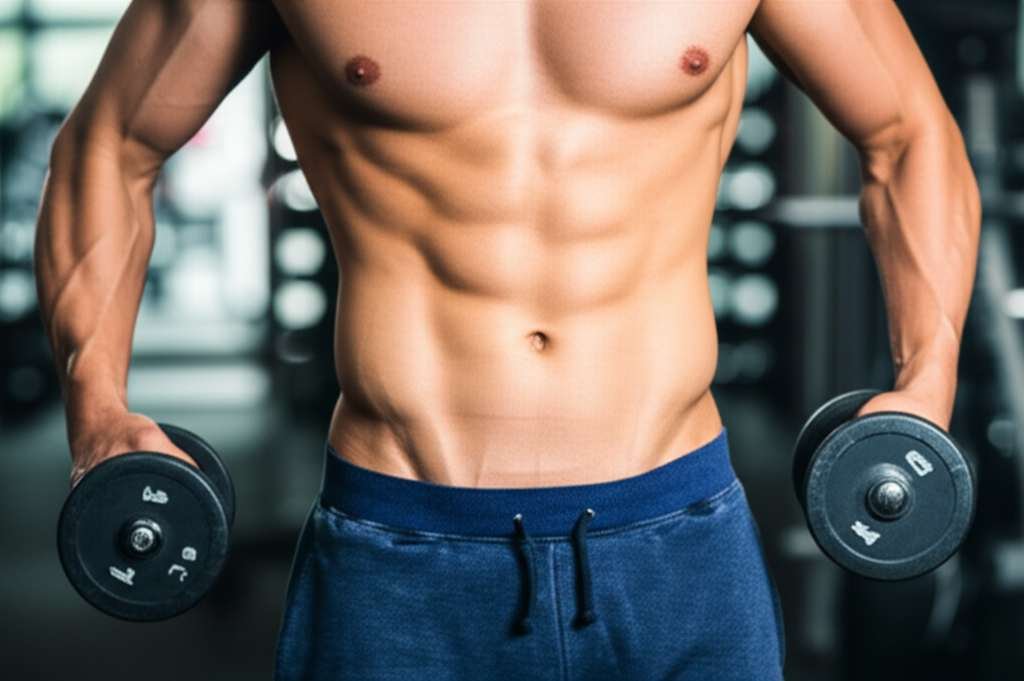
Muscles are fat-burning machines! The more muscle you build, the more calories you burn 24/7, even when you’re resting. It’s like turning your body into a super-efficient furnace. Let’s unlock this secret together!
Hey there, fitness friends! Feeling a bit lost on where to start with your weight loss journey? Maybe you’re tired of feeling sluggish, or you just want to feel stronger and more confident. I get it! It can feel overwhelming, but I’m here to tell you it doesn’t have to be complicated. We’re going to break down one of the coolest secrets to burning fat: your muscles! Get ready to feel energized and excited because we’re about to make fitness fun and super simple. Let’s dive in and discover how to make your muscles work for you!
Your Muscles: The Secret Fat-Burning Powerhouse!
Ever wonder why people talk so much about building muscle when trying to lose weight? It’s not just about looking toned! Your muscles are actually your body’s fat-burning engines. The more muscle you have, the more calories you burn, even when you’re just chilling on the couch. Pretty neat, right?
The Muscle-Metabolism Connection: It’s Like Magic!
Think of your muscles like tiny power plants inside your body. These power plants need energy to work. Where do they get this energy? From the calories you eat and, yep, from stored fat!
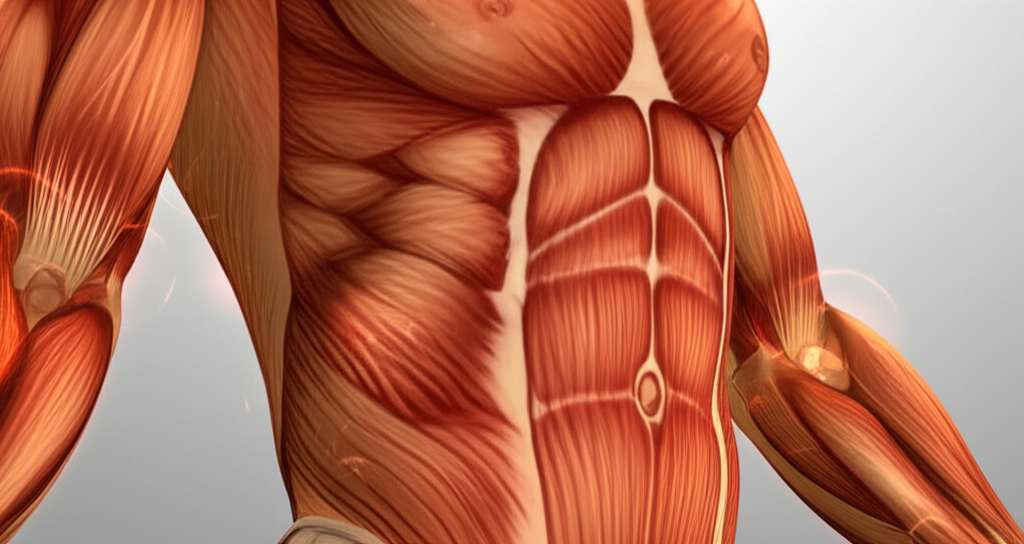
When you build more muscle, you’re essentially upgrading these power plants. More muscle means your body needs more fuel to keep everything running. This constant need for fuel ramps up your metabolism, which is your body’s calorie-burning rate. So, even when you’re not actively exercising, your body is working harder to maintain that extra muscle, burning more calories and fat.
Resting Metabolism: Burning Calories While You Sleep!
This is the “shocking truth” part! When you have more muscle, your resting metabolic rate (RMR) goes up. This means you burn more calories just by existing – while you’re sleeping, sitting, or even binge-watching your favorite show.
It’s like having a built-in calorie-burning buddy working for you around the clock. The more lean muscle mass you have, the higher your RMR, and the more fat your body can tap into for energy throughout the day.
How Building Muscle Boosts Fat Burning
Let’s break down exactly how this muscle-power works to help you burn fat. It’s all about efficiency and energy demands.
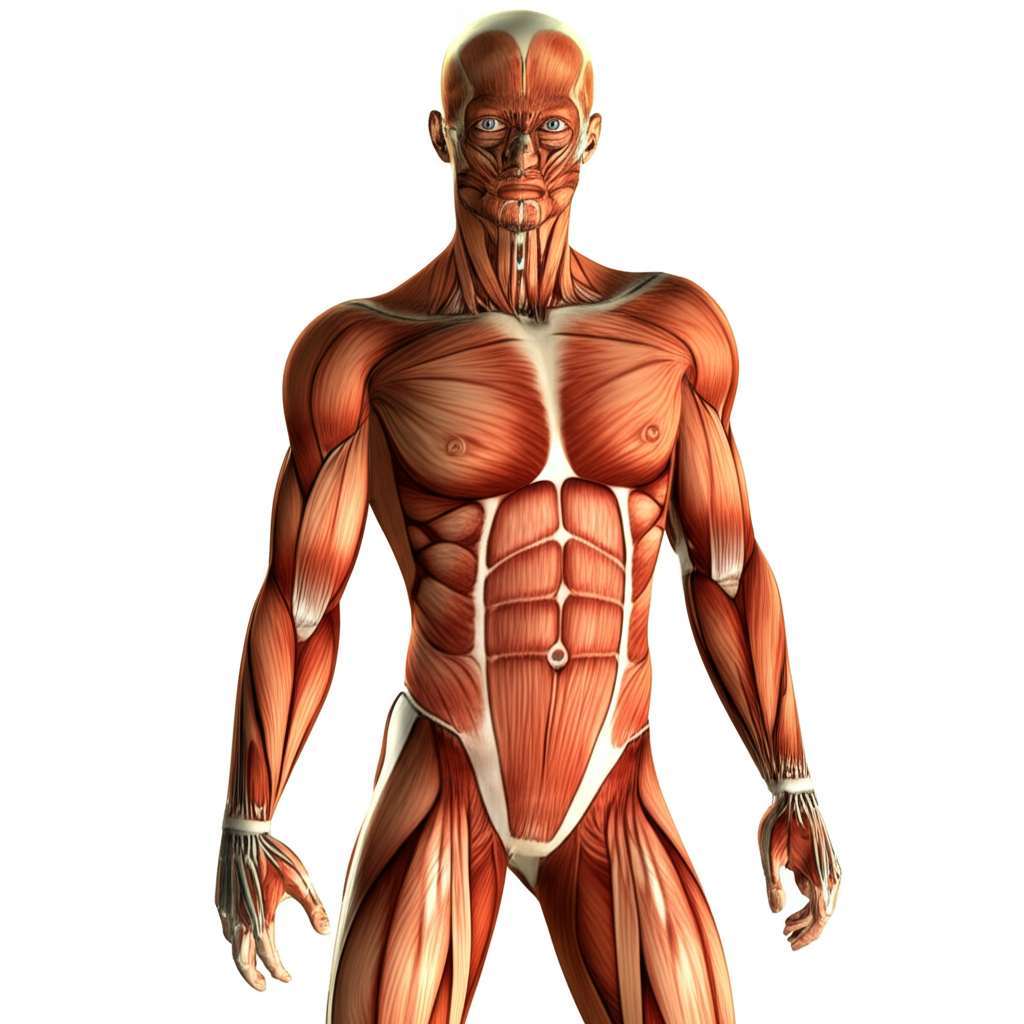
Muscle Tissue is Metabolically Active
Unlike fat tissue, which is mostly for storage, muscle tissue is alive and needs energy. It requires calories to maintain itself.
This “active” nature of muscle is key. Every pound of muscle burns more calories at rest than a pound of fat. This difference adds up significantly over time!
Increased Calorie Expenditure
When you engage in activities that build muscle, like strength training, you create tiny tears in your muscle fibers. Your body then works to repair and rebuild these fibers, which requires energy.
This repair process continues even after your workout is done, leading to a prolonged calorie burn. This is often called the “afterburn effect” or EPOC (Excess Post-exercise Oxygen Consumption).
Improved Insulin Sensitivity
Muscle plays a big role in how your body handles sugar (glucose). More muscle helps your body use insulin more effectively.
Better insulin sensitivity means your body is better at moving glucose from your bloodstream into your cells for energy, rather than storing it as fat. This is super important for overall health and weight management.
Simple Ways to Build Muscle and Burn Fat
Ready to get started? You don’t need fancy equipment or complicated routines. We’re focusing on simple, effective steps.
Strength Training: Your New Best Friend
This is the most direct way to build muscle. Don’t be intimidated! You can start with just your body weight.
Bodyweight Basics for Beginners
These moves are fantastic for building foundational strength and muscle without needing any equipment. Focus on good form!
- Squats: Stand with your feet shoulder-width apart. Lower your hips as if sitting in a chair, keeping your chest up and back straight. Push back up through your heels.
- Push-ups (on knees or toes): Start in a plank position. Lower your chest towards the floor, keeping your body in a straight line. Push back up. If regular push-ups are too tough, do them on your knees.
- Lunges: Step forward with one leg and lower your hips until both knees are bent at about a 90-degree angle. Your front knee should be over your ankle, and your back knee should hover just off the floor. Push off your front foot to return to the start. Alternate legs.
- Plank: Hold your body in a straight line from head to heels, supported on your forearms and toes. Engage your core to keep your hips from sagging.
- Glute Bridges: Lie on your back with knees bent and feet flat on the floor. Lift your hips off the ground, squeezing your glutes at the top. Lower back down slowly.
Adding Resistance (Optional but Great!)
Once you’re comfortable with bodyweight moves, you can add light dumbbells, resistance bands, or even household items like water bottles.
- Dumbbell Rows: With a dumbbell in one hand, hinge at your hips, keeping your back straight. Pull the dumbbell up towards your chest, squeezing your shoulder blade. Lower slowly.
- Bicep Curls: Hold a dumbbell in each hand, palms facing forward. Keeping your elbows tucked in, curl the weights up towards your shoulders. Lower slowly.
- Overhead Press: Hold dumbbells at shoulder height, palms facing forward. Press the weights straight up overhead. Lower slowly.
Cardio for Fat Burning
While strength training builds muscle, cardio is excellent for burning calories and improving heart health. It helps create that calorie deficit needed for fat loss.
Aim for a mix of moderate-intensity steady-state cardio and some higher-intensity bursts.
- Brisk Walking: A great starting point. Aim for 30 minutes most days.
- Jogging/Running: If you’re ready for more intensity.
- Cycling: Indoors or outdoors, a fantastic full-body workout.
- Swimming: Low-impact and great for endurance.
- Dancing: Fun and effective! Put on your favorite music and move.
High-Intensity Interval Training (HIIT)
HIIT involves short bursts of intense exercise followed by brief recovery periods. It’s a super-efficient way to burn calories and can even boost your metabolism for hours afterward.
Example HIIT Workout (Bodyweight):
- Jumping Jacks (30 seconds)
- Rest (30 seconds)
- High Knees (30 seconds)
- Rest (30 seconds)
- Burpees (or modified burpees) (30 seconds)
- Rest (30 seconds)
- Mountain Climbers (30 seconds)
- Rest (60 seconds)
Repeat this circuit 3-5 times. Listen to your body and adjust as needed!
Fueling Your Fat-Burning Muscles: Nutrition Tips
What you eat is just as important as how you move. Your muscles need the right fuel to grow and burn fat effectively.
Protein Power!
Protein is the building block for muscle. Make sure you’re getting enough!
- Lean Meats: Chicken breast, turkey, lean beef.
- Fish: Salmon, tuna, cod.
- Eggs: A complete protein source.
- Dairy: Greek yogurt, cottage cheese, milk.
- Plant-Based Sources: Lentils, beans, tofu, tempeh, nuts, seeds.
Don’t Fear Carbs!
Carbohydrates give you energy for your workouts. Focus on complex carbs that release energy slowly.
- Whole Grains: Oats, brown rice, quinoa, whole wheat bread.
- Fruits: Berries, apples, bananas.
- Vegetables: Broccoli, sweet potatoes, spinach, carrots.
Healthy Fats are Your Friend
Fats are essential for hormone production and overall health.
- Avocado
- Nuts and Seeds
- Olive Oil
- Fatty Fish (like salmon)
Hydration is Key
Water is crucial for every bodily function, including metabolism and muscle repair.
Aim to drink plenty of water throughout the day. A good starting point is about 8 glasses (64 ounces), but you’ll likely need more if you’re exercising.
Putting It All Together: A Sample Plan
Here’s a simple weekly plan to get you started. Remember, this is a template – adjust it to fit your life!
Weekly Workout Schedule Example
| Day | Focus | Activity Suggestion |
|---|---|---|
| Monday | Full Body Strength | Bodyweight circuit (Squats, Push-ups, Lunges, Plank) |
| Tuesday | Cardio | 30-40 minute brisk walk or light jog |
| Wednesday | Rest or Active Recovery | Light stretching, gentle yoga, or a leisurely walk |
| Thursday | Full Body Strength | Bodyweight circuit with added resistance if available |
| Friday | HIIT or Cardio | 20-minute HIIT workout or 30-minute cycling |
| Saturday | Active Fun | Go for a hike, play a sport, dance class |
| Sunday | Rest | Relax and recharge! |
Simple Meal Ideas for Energy
These are just ideas to give you a starting point. Focus on balanced meals with protein, healthy carbs, and fats.
- Breakfast: Oatmeal with berries and a scoop of protein powder, or scrambled eggs with spinach and whole-wheat toast.
- Lunch: Grilled chicken salad with mixed greens and a light vinaigrette, or a lentil soup with a side of whole-grain bread.
- Dinner: Baked salmon with roasted sweet potatoes and steamed broccoli, or lean ground turkey stir-fry with brown rice and mixed vegetables.
- Snacks: Greek yogurt with a handful of almonds, an apple with peanut butter, or a hard-boiled egg.
Common Mistakes to Avoid
We all make mistakes, but knowing them can help you avoid frustration and keep you on track!
- Skipping Strength Training: Relying only on cardio won’t build the muscle that keeps your metabolism high.
- Not Eating Enough Protein: Your muscles need protein to repair and grow.
- Overdoing It: Pushing too hard too soon can lead to injury and burnout. Start slow and build up.
- Ignoring Rest: Rest days are crucial for muscle recovery and growth.
- Focusing Only on the Scale: Muscle is denser than fat, so you might not see drastic changes on the scale initially, but your body composition is improving!
- Not Staying Hydrated: Dehydration can slow down your metabolism and affect workout performance.
Frequently Asked Questions (FAQ)
Got more questions? I’ve got simple answers for you!
How long does it take to burn fat?
Fat loss is a journey, not a race! You’ll start to see changes in a few weeks with consistent effort, but significant results usually take a few months. The key is consistency with exercise and nutrition.
What’s the best time to work out?
The best time is whenever you can stick to it! Some people love morning workouts to start their day energized, while others prefer evenings. Find what works best for your schedule and energy levels.
Do I need a gym to lose weight?
Absolutely not! You can build muscle and burn fat effectively with bodyweight exercises, resistance bands, or even household items at home. A gym offers more variety, but it’s not a requirement.
How can I stay motivated every day?
Celebrate small wins, find a workout buddy, mix up your routines to keep things interesting, set realistic goals, and remember why you started. Focus on how good you feel after moving your body!
What should I eat before or after exercise?
Before: A light snack with carbs for energy, like a banana or a small handful of almonds, about 30-60 minutes prior. After: A meal or snack with protein and carbs within an hour or two to help muscle recovery, like Greek yogurt or a protein shake.
How much water should I drink daily?
A general guideline is about 8 cups (64 ounces) per day. However, if you’re active, exercising, or in a hot climate, you’ll need more. Listen to your body – thirst is a good indicator!
How many rest days should I take?
Rest days are super important for your muscles to repair and grow stronger. For beginners, 1-2 rest days per week is usually a good starting point. You can also incorporate “active recovery” days with light activities like walking or stretching.
Your Muscles Are Your Allies!
So there you have it! Your muscles are incredible tools for burning fat and boosting your metabolism. It’s not about punishing yourself with endless cardio; it’s about building a stronger, more efficient body from the inside out. By incorporating simple strength training, balanced nutrition, and consistent movement, you’re setting yourself up for success.
Remember, every little step counts. Whether it’s doing an extra set of squats, choosing a healthier snack, or going for that walk, you’re making progress. Be patient with yourself, celebrate your efforts, and enjoy the journey of getting stronger and healthier. You’ve got this – one step, one day at a time!
As an Amazon Associate, We earn from qualifying purchases. When you purchase a product through Amazon links on pulsefitguide.com, we may earn a small commission at no extra cost to you. This helps support the site and keep our content free.
