


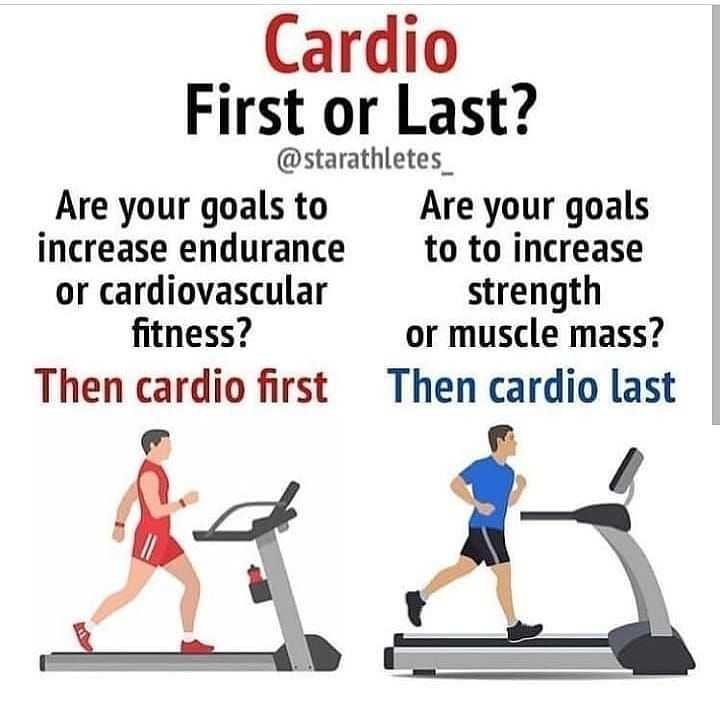
Doing cardio after your workout can boost fat burning, improve heart health, and help with recovery. It’s a simple addition that can maximize your fitness results and keep you feeling energized.
Adding cardio after your strength training session can be highly beneficial. It helps burn more calories, enhances circulation, and aids in muscle recovery. This post-workout step isn’t just about cooling down; it’s about making the most of your effort and setting the stage for your next workout.
Imagine finishing a weight session and immediately jumping into a quick brisk walk or light jog. That’s where cardio after a workout comes in—an effective way to extend calorie burn, reduce muscle soreness, and boost your overall endurance. Incorporating this routine can be a game-changer for your fitness journey, ensuring you recover faster and progress steadily toward your goals.

Why Cardio After Workout: The Benefits and Reasons Explained
Understanding Cardio Exercise
Cardio exercise, also known as aerobic exercise, involves activities that increase your heart rate and breathing. Examples include running, cycling, jumping rope, and swimming. These exercises make your heart and lungs work harder, improving your overall fitness.
The Role of Cardio After Strength Training
Many people wonder whether doing cardio after lifting weights is a good idea. It is, because it can help you burn more calories and boost your endurance. Plus, it can be a gentle way to cool down after intense strength sessions.
Burning More Calories
Fitness experts say that doing cardio after weight training can increase your total calorie burn. When you finish lifting, your body is already in a calorie-burning state. Adding cardio helps you use more energy and can aid in weight loss.
Enhancing Fat Loss
Performing cardio after your workout can promote fat loss because your body taps into fat stores once glycogen levels are depleted. This means your body turns to fat as a primary energy source during the post-workout cardio session.
Improving Cardiovascular Health
Adding cardio after workouts strengthens heart and lung health. Regular cardio exercise helps lower blood pressure, reduce bad cholesterol, and improve circulation. These benefits support overall heart health over time.
Increasing Endurance and Stamina
Cardio sessions after weight lifting help boost your stamina. Over time, your body adapts to longer periods of activity, allowing you to perform better in daily life or sports.
Reducing Post-Workout Soreness
Light cardio can help reduce muscle soreness after an intense workout. Gentle movement increases blood flow, which aids in delivering nutrients to muscles and removing waste products.
Maintaining Workout Balance
Incorporating cardio after strength training creates a balanced fitness routine. It addresses both **muscular strength** and **cardiovascular endurance** for overall health and fitness.
Types of Cardio Suitable After Workout
Different types of cardio exercises can be performed after weightlifting, depending on your goals and fitness level. Examples include:
- Walking on a treadmill at a steady pace
- Stationary cycling with moderate intensity
- Jump rope for 10-15 minutes
- Swimming laps at a relaxed pace
Optimal Duration and Intensity
To maximize benefits, aim for 15-30 minutes of moderate-intensity cardio. High-intensity sessions can also be effective but should be done with caution if you’re new to exercise or have health concerns.
Timing and Order of Cardio
Performing cardio immediately after strength training is generally recommended. This timing helps maintain workout momentum and allows your body to fully benefit from both types of exercise.
How to Incorporate Cardio After Workout
Start with a cool-down period after lifting weights. Then, gradually transition into your chosen cardio activity. Remember to stay hydrated and listen to your body’s signals throughout.
Common Mistakes to Avoid
Avoid doing high-intensity cardio right after lifting if you’re exhausted. Overdoing cardio can lead to fatigue and reduce strength gains. Balance is key to prevent overtraining and injuries.
Additional Tips for Success
- Stretch after your workout to prevent stiffness.
- Keep cardio sessions enjoyable to stay consistent.
- Adjust the intensity based on your fitness level.
- Combine cardio with proper nutrition for best results.
Related Topics to Explore
Further knowledge about fitness can include how to combine cardio with strength training effectively, recovery strategies, and nutritional advice to support your routine. All these factors contribute to better results and a healthier lifestyle.
Adding cardio exercise after your weight training session offers multiple benefits, from increased calorie burn to improved heart health. It complements strength training, helping to create a balanced and sustainable fitness plan. Remember to listen to your body, start slow, and gradually increase intensity for the best experience.
Cardio After Weight Training MISTAKE #shorts
Frequently Asked Questions
How does doing cardio after strength training benefit muscle recovery?
Engaging in light to moderate cardio after strength training increases blood flow, which helps deliver essential nutrients and oxygen to muscles. This process aids in removing metabolic waste products, reducing soreness, and speeding up the recovery process, allowing your muscles to repair and grow more effectively.
Why should I include cardio at the end of my workout rather than before?
Performing cardio after strength training ensures that you have enough energy for lifting heavier weights or performing high-intensity exercises with proper form. Doing cardio beforehand can fatigue your muscles, potentially decreasing your lifting capacity and increasing the risk of injury. Finishing with cardio allows you to maximize your strength training effort and then burn additional calories efficiently.
What impact does post-workout cardio have on fat burning?
When you do cardio after strength training, your body continues to burn calories at an increased rate, partially due to elevated metabolism from resistance exercises. This sequencing also encourages your body to utilize fat stores for energy during the cardio session, which can enhance overall fat loss compared to doing cardio alone or prior to weight training.
Can cardio after a workout help improve cardiovascular health?
Yes, incorporating cardio after strength training strengthens your heart and improves circulation over time. As your body adapts to regular cardio sessions, your heart becomes more efficient at pumping blood, and your overall endurance improves, supporting better cardiovascular health in the long run.
Is it better to do high-intensity or low-intensity cardio after workouts?
Low to moderate-intensity cardio is generally recommended after strength training because it allows you to recover without overtaxing your body. High-intensity cardio can be beneficial occasionally but may lead to fatigue that hampers recovery or increases the risk of injury if performed immediately after intense lifting. Choose the intensity based on your fitness level and specific goals.
Final Thoughts
Why cardio after workout stands out as an effective choice for many fitness enthusiasts. It helps in gradually lowering heart rate and preventing dizziness after intense lifting sessions. Cardio also aids in boosting metabolism and burning additional calories, supporting weight management goals.
Choosing to do cardio after your main workout ensures you prioritize strength training first, saving energy for it. This approach enhances overall fitness, promotes recovery, and maintains consistency.
In conclusion, why cardio after workout is recommended because it optimizes recovery, increases calorie burn, and complements strength routines.
As an Amazon Associate, We earn from qualifying purchases. When you purchase a product through Amazon links on pulsefitguide.com, we may earn a small commission at no extra cost to you. This helps support the site and keep our content free.
