


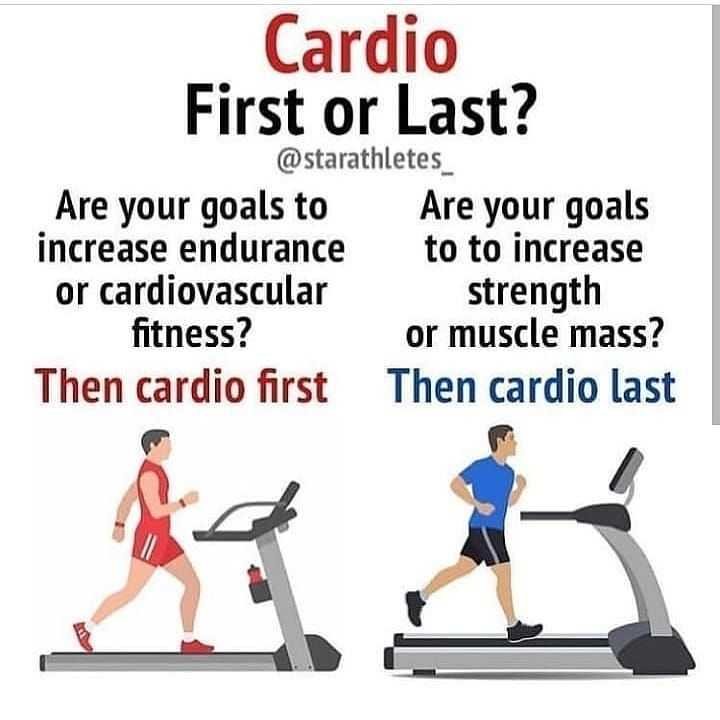
Doing cardio after weights can supercharge your workout, boost fat burning, and improve your overall fitness. It’s a simple method to maximize calorie burn and enhance your endurance, all while supporting muscle recovery.
Cardio after weights is effective because it helps to burn off the remaining calories, increases your metabolic rate, and promotes better cardiovascular health. By saving cardio for the end of your workout, you can focus on lifting heavier and maintaining good form, while still reaping the benefits of increased fat loss and improved heart health.
Starting your workout with weights or cardio is a common debate, but many find that ending with cardio creates a more efficient fat-burning session. When you lift first, your muscles are fresh, allowing you to lift heavier and perform better, while doing cardio afterward taps into your fat stores for energy. This sequence helps you make the most of your workout time and delivers a balanced approach to building strength and endurance.

Why Cardio After Weights: The Key Benefits and Reasons
Understanding the Sequence: Cardio Before or After Weights?
Many gym-goers wonder whether it’s better to do cardio before or after lifting weights. While both sequences can work depending on your goals, doing cardio after weights has specific advantages. When you lift weights first, your muscles are fresh, allowing you to focus on strength training effectively. Afterward, completing cardio can help with recovery and fat burning.
Boosts Fat Burning and Weight Loss
One of the main reasons to do cardio after weights is that it enhances fat burning. When you finish weight training, your body is in a state called “afterburn,” where it continues to burn calories at an elevated rate. Cardio after weights taps into this heightened calorie expenditure, making your workout more efficient for fat loss.
The Role of Afterburn Effect (EPOC)
The afterburn effect, also known as Excess Post-Exercise Oxygen Consumption (EPOC), is increased after resistance training. When you do cardio afterward, it prolongs this period, allowing your body to burn more calories even after you leave the gym. This process helps reduce body fat and improve your overall physique.
Preserving Muscle Strength and Mass
Doing cardio after weights helps prevent the depletion of glycogen stores that are crucial for muscle growth. If you perform cardio first, you may tire out your muscles, making it harder to lift heavy weights. By lifting weights first, you maximize muscle activation and minimize fatigue during strength exercises.
Enhancing Muscle Recovery
Light to moderate cardio after weight training can promote blood flow to your muscles. Increased circulation helps deliver nutrients and remove waste products, which can speed up recovery. This, in turn, reduces soreness and prepares your muscles for the next workout.
Improving Endurance and Cardiorespiratory Fitness
Adding cardio at the end of your session helps build your endurance. Over time, this improves your heart and lung health, which benefits overall fitness levels. It’s especially useful for athletes or those training for endurance events.
Types of Cardio Suitable After Weights
Different forms of cardio can be effective after weightlifting:
- Steady-State Cardio: Activities like jogging, cycling, or brisk walking
- High-Intensity Interval Training (HIIT): Short bursts of intense effort followed by rest
- Rowing or Swimming: Full-body workouts that enhance endurance and burn calories
Choosing the right type depends on your goals and fitness level.
Minimizing Muscle Loss During Cardio
Performing high-intensity cardio before weights can lead to muscle fatigue and potential loss. Doing cardio after weight training minimizes this risk because your muscles are already fatigued from lifting, reducing the chance of overtraining or injury.
Balancing Intensity and Duration
To prevent muscle breakdown, keep your cardio sessions moderate in intensity. Long, intense cardio sessions can deplete glycogen levels and lead to muscle catabolism. Aim for 20-30 minutes of steady-state cardio or shorter HIIT sessions for optimal results.
Supporting Overall Workout Goals
Whether your goal is fat loss, muscle building, or improving cardiovascular health, incorporating cardio after weights aligns well with many fitness plans. It allows you to prioritize strength training first without sacrificing cardiovascular benefits.
For Fat Loss
Doing cardio after weights maximizes calorie burn and afterburn effects, making it ideal for weight loss. It ensures you burn more calories during your workout session and beyond.
For Muscle Gain
Prioritizing weights helps you lift heavier and focus on muscle hypertrophy. Light cardio afterward supports recovery without interfering with muscle growth.
Additional Tips for Incorporating Cardio After Weights
To get the most benefits from your workout, consider the following:
- Keep cardio sessions moderate to prevent overtraining
- Hydrate well before, during, and after exercise
- Stretch after your workout to improve flexibility and reduce soreness
- Adjust the duration and intensity based on your specific goal
Listening to Your Body
Always pay attention to how your body responds. If you feel excessively exhausted, reduce the intensity or duration of your cardio. Rest and recovery are essential for consistent progress.
Related Topics: Combining Cardio and Weights Effectively
Combining different workout strategies can enhance results. For example, alternating cardio and weights on different days or integrating circuit training can keep your routine engaging and effective.
Sample Workout Plan
Here’s a simple example:
- Warm-up: 5 minutes of light cardio
- Weightlifting: 30-40 minutes focusing on major muscle groups
- Cardio: 20 minutes of moderate-paced jogging or cycling
- Cool-down: 5 minutes stretching
This plan balances strength and cardiovascular improvements.
Including cardio after weights can be a strategic choice depending on your fitness goals. It helps maximize fat burning, support muscle recovery, and improve endurance while preserving strength. Remember to tailor the intensity and duration of your cardio to suit your needs and avoid overtraining. With the right approach, adding cardio after weights can lead to better overall fitness and health.
Cardio After Weight Training MISTAKE #shorts
Frequently Asked Questions
How does doing cardio after weightlifting affect muscle recovery?
Engaging in cardio after weight training can aid in circulation, which helps deliver nutrients to your muscles and remove metabolic waste products. This process can promote faster recovery and reduce soreness, allowing you to prepare better for your next workout session.
What is the impact of cardio after strength training on fat burning?
Performing cardio following strength exercises can maximize fat oxidation by utilizing stored fat as fuel once your glycogen stores are partially depleted. This approach can enhance overall fat loss without compromising muscle gains.
Does doing cardio after weights help improve cardiovascular endurance?
Yes, incorporating cardio after weight training can boost your cardiovascular capacity. Over time, this routine can increase your stamina and endurance, making everyday activities and other sports feel easier.
Can cardio after weights cause muscle fatigue or affect strength gains?
While some muscle fatigue may occur, doing moderate-intensity cardio after weights should not significantly hinder strength development. Adjusting the duration and intensity can help balance endurance and muscle growth goals.
Why might athletes prefer cardio after strength training over before?
Many athletes choose to do cardio after lifting because performing weight training first preserves energy for lifting heavier and maintaining proper form. Cardio afterward also ensures they prioritize their strength goals while still benefiting from improved cardiovascular fitness.
Final Thoughts
Cardio after weights helps burn fat more effectively by increasing calorie expenditure once your muscles are fatigued. It also enhances recovery by improving blood flow, which delivers nutrients to your muscles. Additionally, doing cardio afterward prevents interference with your strength training.
Choosing to perform cardio after weights optimizes your workout, ensuring both strength gains and cardiovascular health. This approach allows you to maximize your time and effort, making your fitness routine more efficient.
In conclusion, why cardio after weights is beneficial because it boosts fat burning, aids recovery, and preserves strength gains. Incorporating this sequence can lead to better overall fitness results.
As an Amazon Associate, We earn from qualifying purchases. When you purchase a product through Amazon links on pulsefitguide.com, we may earn a small commission at no extra cost to you. This helps support the site and keep our content free.
