


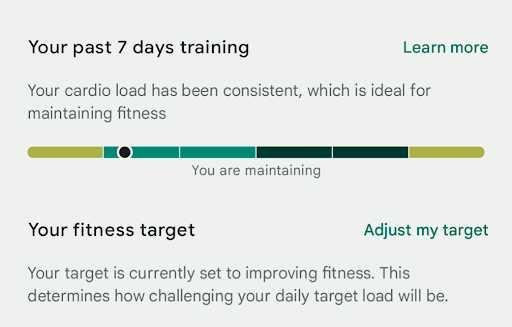
Cardio load on Fitbit can be found easily in the app’s dashboard, giving you a clear picture of your cardiovascular effort during workouts. To locate it, open your Fitbit app, navigate to your daily stats, and look for the heart or activity section. This metric helps you understand how hard your heart is working and guides your fitness journey.
In short, the cardio load feature is accessible through the Fitbit app under daily activity or heart zones, providing insights into your workout intensity. It’s designed to help you monitor your cardiovascular health and optimize your exercise routines effectively.
If you’re wondering where to find cardio load on your Fitbit, don’t worry—it’s straightforward. When you open your app, go straight to the dashboard or activity tab, and you should see the cardio load metric highlighted alongside other fitness stats. Whether you’re tracking a specific workout or your daily activity, Fitbit makes it easy to keep an eye on how much effort your heart is putting in, helping you stay motivated and on track.

Where is Cardio Load on Fitbit? A Complete Guide
If you’re trying to track your fitness progress, finding the cardio load on your Fitbit is essential. Many users wonder exactly where this metric appears and how to interpret it. Understanding cardio load can help you optimize your workouts and stay motivated.
Understanding Cardio Load: What Is It?
Cardio load measures how much your heart works during exercise sessions. It reflects the intensity and duration of your physical activities. Fitbit uses this data to give you insights into your cardiovascular health before, during, and after workouts.
This metric is part of your overall fitness profile and helps identify whether you’re training effectively. By monitoring cardio load, you can prevent overtraining and ensure you stay within safe exercise limits.
Where to Find Cardio Load on Fitbit Devices
Most Fitbit models integrate cardio load data within the Fitbit app, making it accessible across devices. The exact location varies depending on your device and the app version.
Typically, you will find cardio load details in the ‘Health Metrics’ or ‘Workout’ sections of the Fitbit app. Some Fitbit devices display this information directly on their screens during or after workouts.
Cardio Load in the Fitbit Mobile App
Open the Fitbit app on your smartphone and log in to your account. Navigate to the ‘Today’ tab or tap on your profile picture for more options.
Look for the ‘Health Metrics’ dashboard or similar section. Here, you should see ‘Cardio Load’ as part of your activity summaries and health insights.
If you don’t see it immediately, ensure your app is updated and that your device supports this feature.
Cardio Load on Fitbit Devices
Devices like Fitbit Charge series, Versa, and Sense show cardio-related data either on the screen or during the workout summary. For example, the Fitbit Versa and Sense can display real-time heart rate zones and cardio load indicators during exercise.
On some devices, you may need to access specific workout modes or fitness dashboards to view this data directly on your device.
How Fitbit Calculates Cardio Load
Fitbit uses heart rate data combined with activity duration to compute cardio load. The algorithm considers the intensity at which you exercise, using your heart rate zones as a guide.
There are several heart rate zones, including moderate and vigorous, which contribute differently to your cardio load score. The higher the heart rate and the longer you exercise at high intensity, the greater your cardio load.
Heart Rate Zones and Their Role
- Resting Heart Rate: The lowest heart rate during inactive periods.
- Fat Burn Zone: Moderate intensity, usually 50-70% of your max heart rate.
- Cardio Zone: Higher intensity, around 70-85% of your max heart rate.
- Peak Zone: Very high intensity, above 85% of your max heart rate.
Fitbit emphasizes the cardio zone for calculating cardio load, helping you see how much time you spend in this effective workout range.
Monitoring and Interpreting Your Cardio Load Data
Once you locate your cardio load, understanding what it means is key. A higher cardio load indicates more intense exercise or longer sessions. Conversely, lower levels suggest lighter activity.
Tracking your cardio load over time helps identify patterns and improvements in fitness. For example, increasing your load steadily shows progress, while sudden drops may signal fatigue or overtraining.
Using Cardio Load for Better Workout Planning
Set realistic goals based on your cardio load data. If you aim to improve cardiovascular health, gradually increase your cardio load week by week.
Make sure to balance cardio workouts with rest days to prevent burnout. Fitbit’s insights can guide you in achieving optimal training without risking injury.
Benefits of Tracking Cardio Load on Fitbit
Regularly monitoring your cardio load offers several advantages. It keeps you aware of your activity levels and helps you avoid overexertion.
It also promotes consistency, motivating you to reach new fitness milestones while maintaining safety. Over time, these insights can lead to better overall health and endurance.
Other Related Metrics on Fitbit
- VO2 Max: Shows your maximum oxygen consumption during intense exercise.
- Heart Rate Variability: Measures the variation in time between heartbeats, indicating recovery and stress levels.
- Steps and Active Minutes: Keeps track of daily activity levels outside workouts.
All these metrics, combined with cardio load, give a comprehensive picture of your fitness journey.
Common Challenges and How to Overcome Them
Some users find it difficult to locate or interpret cardio load data. To address this, ensure your device firmware and app are always updated.
If your Fitbit doesn’t display cardio load, double-check compatibility, as some models may have limited metrics. Contact Fitbit support if you’re unsure about your device’s capabilities.
Consistency is key — wearing your device regularly and syncing data frequently will improve the accuracy of your cardio load tracking.
Summary
In summary, the cardio load on Fitbit is usually found within the Fitbit app under health or workout sections. Depending on your device, it may also be viewable directly on the device during activity sessions.
This metric helps you understand how much your heart is working during exercise and guides you toward healthier training routines. Regular review of your cardio load can help you improve endurance and overall fitness levels.
By paying attention to where the cardio load is displayed and how it’s calculated, you gain valuable insights for smarter, safer workouts. Keep tracking, stay motivated, and enjoy the progress on your fitness path.
Fitbit gets Cardio Load & Target Load
Frequently Asked Questions
How can I view my cardio load data on my Fitbit device?
To see your cardio load data, open the Fitbit app and navigate to the ‘Health Metrics’ or ‘Fitness’ section. From there, select ‘Cardio Load’ if it’s available. If you can’t find it directly, check under the ‘Dashboard’ or ‘All Day’ activity summaries. Some Fitbit models may display this information within the ‘Exercise’ or ‘Workouts’ section.
Where does Fitbit store information related to cardio load over time?
Fitbit stores your cardio load details within the app’s history and metrics dashboards. You can view this data over different periods, such as weekly or monthly summaries. Access the ‘Health Metrics’ section and select ‘Cardio Load’ to review how your fitness level has changed over time.
Why isn’t my cardio load showing up on my Fitbit app?
If your cardio load isn’t displaying, ensure your Fitbit device syncs properly with the app. Check your Bluetooth connection and sync your device manually if needed. Additionally, make sure your Fitbit app has the latest update and that your device software is current. Some features might also be limited based on your device model or subscription plan.
Can I customize the display of cardio load data on my Fitbit dashboard?
Yes, you can customize your Fitbit dashboard to better display cardio load information. Open the app, go to your profile, and select your device. Look for options to personalize your dashboard or select which metrics to show. Adding cardio load to your dashboard allows quick access to this data during your daily activities.
Does all Fitbit models support cardio load tracking?
No, not all Fitbit devices track cardio load directly. Devices with advanced heart rate monitoring and activity tracking capabilities are more likely to offer this feature. Check your specific model’s specifications or user manual to confirm if it includes cardio load measurement and how to access it.
Final Thoughts
Cardio load on Fitbit helps track your exercise intensity over time. To find it, open the Fitbit app and navigate to the “Health Metrics” or “Workout” section. It provides valuable insights into your cardiovascular effort during activities.
In summary, cardio load on Fitbit is accessible within the app and offers a clear view of your fitness progress. Where is cardio load on Fitbit? You can locate it in the app’s health or activity metrics, making it easy to monitor your workout intensity consistently.
As an Amazon Associate, We earn from qualifying purchases. When you purchase a product through Amazon links on pulsefitguide.com, we may earn a small commission at no extra cost to you. This helps support the site and keep our content free.
