


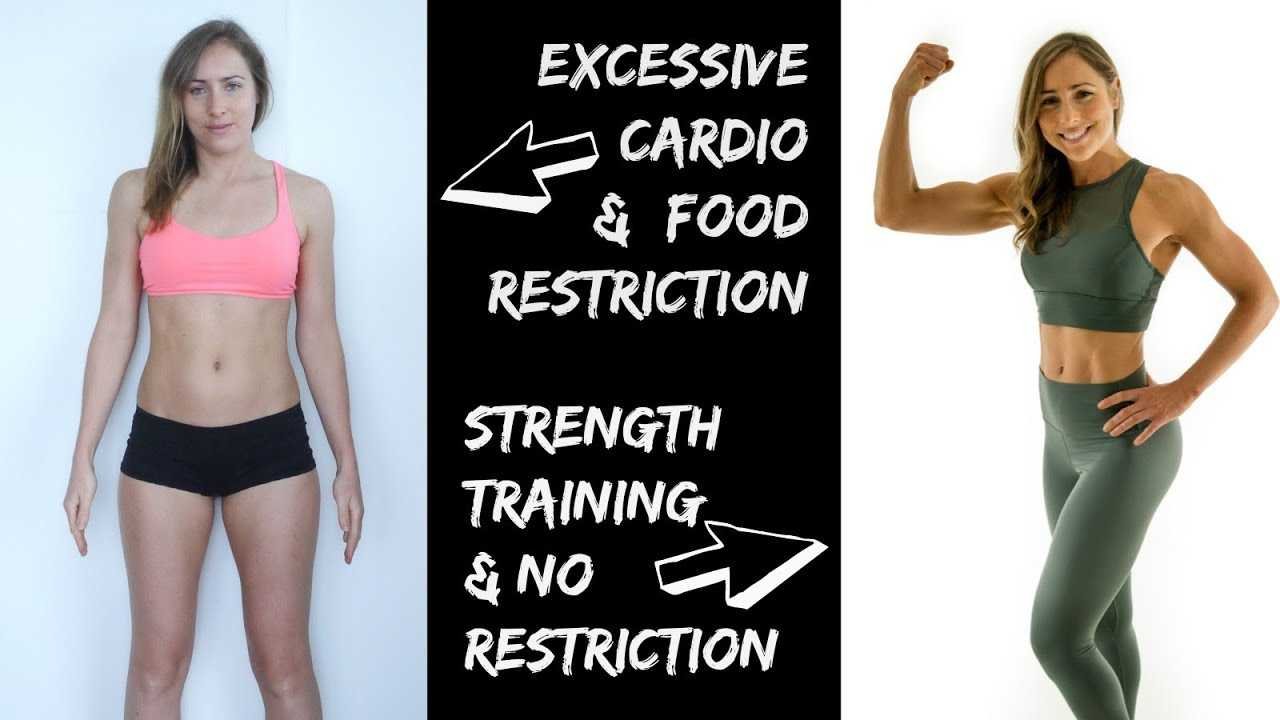
Exercising too much cardio can quickly turn from a health booster into a source of fatigue and injury. Recognizing the signs of overdoing it is crucial to prevent setbacks and maintain a balanced fitness routine. When your workouts leave you exhausted, sore beyond normal, or struggling to recover, you might be pushing too hard.
In short, cardio becomes excessive when it leads to persistent fatigue, unusual pain, or reduced immunity. It’s important to listen to your body and balance cardio with rest and strength training to optimize results without risking burnout or injury.
If you’re passionate about cardio but want to avoid overtraining, understanding your limits and paying attention to your body’s signals can make all the difference. This article will explore the telltale signs that your cardio sessions are too much and how to find the right balance for sustainable fitness progress.

Understanding When Cardio is Too Much
Cardio exercises are great for improving heart health and increasing stamina. However, doing too much cardio can actually be harmful. It’s important to recognize the signs that indicate you might be overdoing it. Knowing the right balance helps keep your body healthy and energized.
What Counts as Excessive Cardio?
Excessive cardio means doing more physical activity than your body can handle comfortably. This varies from person to person, but generally, working out more than an hour a day or doing high-intensity sessions frequently can be too much. It’s not just about time but also about how your body responds during and after exercise.
Signs of overdoing cardio include:
- Persistent fatigue or tiredness
- Increased resting heart rate
- Frequent muscle soreness
- Difficulty sleeping
- Decrease in performance
- Feeling stressed or anxious
- Increased injuries or muscle strains
The Risks of Too Much Cardio
Overtraining Syndrome
If you push your body too hard without adequate rest, you risk overtraining syndrome. This condition can cause fatigue, irritability, and even depression. It can also weaken your immune system, making you more prone to illnesses.
Muscle Loss and Fatigue
Excessive cardio can lead to muscle loss because your body starts breaking down muscle tissue for energy. Instead of building strength, you might find yourself feeling weaker and more tired over time.
Hormonal Imbalances
Too much cardio can disrupt hormone levels, especially cortisol and testosterone. High stress hormones can lead to increased belly fat, poor sleep, and decreased libido.
How to Know if Your Cardio Routine is Too Much
Pay Attention to Your Body
Notice how you feel during and after workouts. If you experience dizziness, faintness, or excessive soreness that doesn’t go away, it’s a sign to cut back. Also, if your motivation drops and workouts feel like a chore, you might need to rest more.
Monitor Your Resting Heart Rate
A rising resting heart rate over several days can indicate your body is stressed or not recovering fast enough. Ideally, your resting heart rate should stay consistent or decrease with regular exercise.
Track Your Performance
If your endurance and strength decline even though you’re working out regularly, this could be a sign of overtraining. Track your progress and listen to your body’s feedback.
Ways to Avoid Overdoing Cardio
Incorporate Rest Days
Rest days are essential for recovery. Schedule at least one or two days each week where you do light activity or rest completely. This helps your muscles repair and prevents burnout.
Mix Up Your Workouts
Instead of doing only high-impact cardio, include strength training, stretching, and low-impact activities like walking or swimming. Variety reduces the risk of injury and overuse.
Follow a Balanced Routine
Balance cardio with other fitness elements such as flexibility and strength. A well-rounded program ensures comprehensive health benefits without overtaxing any single area.
How to Listen to Your Body
Recognize Fatigue
If you feel unusually tired or sluggish, your body may need more rest. Don’t ignore these signs just to complete a workout.
Manage Stress and Sleep
High stress and poor sleep can make it harder for your body to recover from exercise. Ensure you get enough quality sleep and practice stress-relieving activities.
Adjust Intensity and Duration
If you notice negative signs, reduce the length or intensity of your sessions. Gradually increase activity levels instead of jumping into vigorous routines immediately.
The Role of Nutrition and Hydration
Fuel Your Body Properly
Eating a balanced diet rich in proteins, healthy fats, and complex carbohydrates supports recovery. Proper nutrition helps prevent fatigue and muscle breakdown.
Stay Hydrated
Dehydration can impair performance and recovery. Drink water before, during, and after workouts to stay hydrated and avoid fatigue.
Related Topics to Consider
Importance of Cross-Training
Engaging in different types of exercise reduces repetitive stress on muscles and joints. Cross-training can make your fitness routine safer and more effective.
Signs You Need a Break
Beyond physical symptoms, mental signs like boredom or lack of motivation indicate the need for a rest period. Listening to your mental state is as vital as physical signs.
Creating a Sustainable Workout Plan
Design routines that fit your lifestyle and physical abilities. Sustainable plans promote consistency without risking injury or burnout.
Consulting a Fitness Professional
Getting personalized advice from trainers or healthcare providers can help tailor exercises to your needs. Expert guidance prevents overtraining and ensures safe progress.
Remember, exercise should make you feel stronger, healthier, and happier. Pushing yourself is good, but knowing when to slow down is just as important.
What Too Much Exercise Does To Your Body And Brain
Frequently Asked Questions
What are the signs that I am overdoing cardio during my workouts?
Signs of overdoing cardio include persistent fatigue, soreness that doesn’t improve, increased heart rate at rest, difficulty sleeping, and a decline in performance. If you experience frequent dizziness or shortness of breath, it’s a clear indicator to reduce intensity and allow your body to recover.
How can excessive cardio affect my muscle recovery and growth?
Too much cardio can interfere with muscle recovery because it increases overall fatigue and depletes energy stores. This can hinder muscle repair, slow down growth, and increase the risk of injury. Balancing cardio with strength training and proper rest helps maintain muscle health.
What is the impact of high volumes of cardio on my immune system?
Engaging in excessive cardio can suppress your immune response, making you more susceptible to infections and illnesses. Overtraining causes stress hormones to rise, which hampers your immune defenses. Incorporating rest days and monitoring your body’s signals can help protect your immune health.
Can too much cardio lead to mental fatigue or decreased motivation?
Yes, overtraining with excessive cardio can cause mental fatigue, decreased motivation, and even burnout. These mental signs often accompany physical exhaustion and can lead to decreased workout consistency. Ensuring adequate rest and variety in your training keeps your mind engaged and motivated.
What precautions should I take to avoid the negative effects of excessive cardio?
Set realistic goals and listen to your body signals. Incorporate rest days into your routine, vary your workout intensity, and prioritize proper nutrition and hydration. Consulting with a fitness professional can also help design a balanced plan that prevents overtraining and promotes overall health.
Final Thoughts
When cardio is too much, it can lead to overtraining, fatigue, and increased injury risk. Listening to your body is crucial to avoid burnout and maintain progress. Balance your workouts to include strength training and rest days for optimal health. Recognizing the signs of excessive cardio ensures you stay on track without compromising your well-being.
As an Amazon Associate, We earn from qualifying purchases. When you purchase a product through Amazon links on pulsefitguide.com, we may earn a small commission at no extra cost to you. This helps support the site and keep our content free.
