

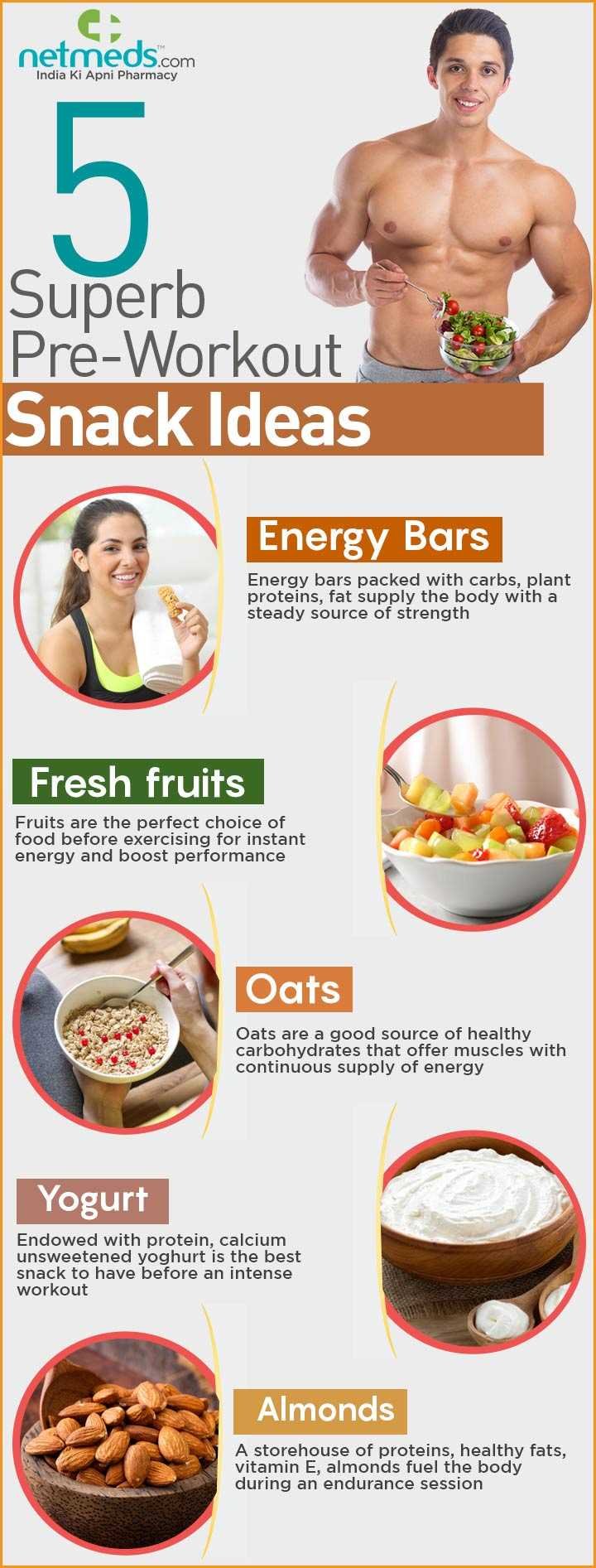
A well-balanced pre-exercise meal can boost your performance and keep you energized throughout your workout. The key is to focus on easily digestible carbs for quick energy, moderate protein to support muscle function, and a small amount of healthy fats. Avoid heavy, greasy foods that can cause discomfort and sluggishness.
In short, your pre-exercise meal should include simple carbohydrates, a moderate amount of protein, and minimal fats. Timing is also important—eat about 1 to 3 hours before exercising to allow proper digestion and maximize energy levels. Choosing the right combination can help you stay focused, improve endurance, and reduce the risk of fatigue or stomach upset during your workout.
Jumping into exercise without proper fuel can leave you feeling drained and less motivated. A smart pre-workout meal is all about providing your body with quick, sustainable energy sources while supporting muscle health, so you can perform at your best and recover faster.

What should a pre exercise meal consist of?
Understanding the Importance of a Pre Exercise Meal
A proper pre exercise meal fuels your body and improves workout performance. It provides energy, helps prevent fatigue, and aids recovery afterward. Eating the right foods before exercise can make a big difference in how you feel during your workout.
Timing Your Pre Exercise Meal
The timing of your meal depends on how long before your workout you eat. Generally, aim to eat a meal about two to three hours before exercising. For smaller snacks, eating 30 to 60 minutes prior works well.
What Macronutrients to Include
A balanced pre workout meal includes carbohydrates, proteins, and healthy fats. Carbohydrates provide quick energy, proteins help with muscle repair, and healthy fats support sustained energy release.
Carbohydrates: The Main Energy Source
Carbohydrates are your body’s primary fuel during exercise. Focus on complex carbs like oats, whole grain bread, fruits, and vegetables for sustained energy. Simple carbs like bananas or honey can give quick energy if eaten closer to your workout.
Proteins for Muscle Support
Including a moderate amount of protein helps muscles recover and grow. Good options include yogurt, eggs, lean meats, and plant-based sources like beans or nuts.
Healthy Fats for Long-Lasting Energy
Healthy fats slow digestion and provide steady energy. Examples include avocados, nuts, seeds, and olive oil. Keep fat intake moderate to avoid feeling sluggish during exercise.
Hydration is Key
Drinking water before your workout helps prevent dehydration and keeps your energy levels up. Be sure to hydrate adequately in the hours leading up to your exercise session. If you’re exercising intensely or for a long duration, consider adding electrolytes.
Sample Pre Exercise Meals
Here are some practical meal ideas to try before working out:
- Oatmeal topped with fresh berries and a spoonful of almond butter
- Whole grain toast with avocado and a boiled egg
- Banana with a handful of nuts
- Greek yogurt with sliced fruit and honey
- Grilled chicken wrap with vegetables
Choose meals that are familiar, easy to digest, and meet your energy needs.
Foods to Avoid Before Exercising
Certain foods can cause discomfort or sluggishness during your workout. Avoid high-fat, fried, or greasy foods that slow digestion. Also, limit spicy foods that might upset your stomach, and avoid large quantities of caffeine or sugary snacks.
Common Foods to Limit or Avoid
- Fast food and fried snacks
- High-fat pastries and desserts
- Large servings of cheese or processed meats
- Sugary drinks and candy
- Excessively spicy or greasy foods
Special Considerations for Different Exercise Types
Your ideal pre workout meal may vary based on your activity. For high-intensity or long-duration exercises, prioritize carbs and stay well-hydrated. For low-impact activities, smaller meals with moderate carbs and protein suffice.
Pre Exercise Meals for Endurance Training
Endurance athletes should focus on carb-loading with foods like pasta, rice, or oats. Complement these with light protein and hydration strategies.
Pre Workout for Strength Training
Choose a meal with a good balance of carbs and protein to help support muscle exertion and recovery. Include foods like turkey sandwiches, eggs, or smoothies.
Portion Sizes and Personal Needs
Portion sizes should match your body size, workout duration, and intensity. Smaller snacks work well if you’re short on time, while larger meals support longer sessions. Listen to your body to find what feels best.
Pre Exercise Meal Tips and Tricks
Here are some tips to optimize your pre workout nutrition:
- Plan meals ahead of time to avoid last-minute choices.
- Eat familiar foods to prevent digestive issues.
- Maintain hydration—sip water regularly.
- Incorporate easily digestible foods to prevent discomfort.
- Adjust your meal timing based on your workout schedule.
Summary of Key Points
To sum up, a good pre exercise meal should include:
- Complex carbohydrates for sustained energy
- Moderate protein for muscle support
- Healthy fats for overall energy
- Plenty of water for hydration
Remember, everyone’s needs are different. Experiment with different foods and timing to find what works best for you. Eating the right foods before exercise will help you perform better, recover faster, and enjoy your workouts more.
The Best Pre & Post-Workout Meals (According To Science)
Frequently Asked Questions
Which types of carbohydrates are most beneficial before a workout?
Consuming complex carbohydrates like oats, whole grain bread, or brown rice provides a steady release of energy during exercise. These foods help maintain blood sugar levels and prevent fatigue. Incorporating a small portion of fruit, such as a banana or apple, can also give a quick energy boost due to their natural sugars.
How much protein should I include in my pre-exercise meal?
Including an adequate amount of protein, such as yogurt, eggs, or lean meats, supports muscle function and recovery. Aim for a moderate portion that complements your carbohydrate intake, typically around 10-20 grams, depending on the intensity and duration of your workout.
Is it better to eat a large meal or a small snack before exercising?
Opt for a light snack or small meal about 30 minutes to an hour before your workout. A heavy meal may cause discomfort or sluggishness, while a smaller, easily digestible snack provides enough energy without burdening your stomach. Focus on foods that combine carbs and a bit of protein for optimal performance.
What should I avoid eating prior to exercise to prevent discomfort?
Avoid high-fat, greasy foods, and foods rich in fiber right before working out, as they can cause digestive issues like bloating or cramping. Also, limit sugary snacks or drinks that may lead to a quick energy spike followed by a crash. Stick to light, easily digestible options for better comfort.
Are liquids or solid foods more effective as pre-exercise nourishment?
Both can work depending on your preferences and the timing of your workout. Liquids like smoothies or sports drinks are quickly absorbed and can be convenient for a fast energy source. Solid foods take longer to digest but can provide sustained energy. Choose what feels best for your body’s response and workout schedule.
Final Thoughts
A pre exercise meal should primarily include easily digestible carbohydrates to provide quick energy. Pairing carbs with a moderate amount of protein supports muscle maintenance without causing discomfort. Keep fats and fiber intake low to prevent gastrointestinal issues during exercise.
What should a pre exercise meal consist of? Focus on simple, nutritious foods that fuel your activity and keep you comfortable throughout your workout. A balanced approach ensures you perform at your best and recover efficiently.
As an Amazon Associate, We earn from qualifying purchases. When you purchase a product through Amazon links on pulsefitguide.com, we may earn a small commission at no extra cost to you. This helps support the site and keep our content free.