



Quick Summary: The fat-burning zone uses lower intensity exercise to burn a higher percentage of fat, while the cardio zone uses moderate to high intensity to burn more total calories. Both are valuable for fitness, but understanding the difference helps you choose the right workout for your goals and maximize your potential.
Figuring out how to exercise for weight loss can feel like a puzzle. You hear terms like “fat-burning zone” and “cardio zone,” and it’s easy to get confused. Which one is better? Do you have to stick to one? It’s a common question, and the good news is, it doesn’t have to be complicated!
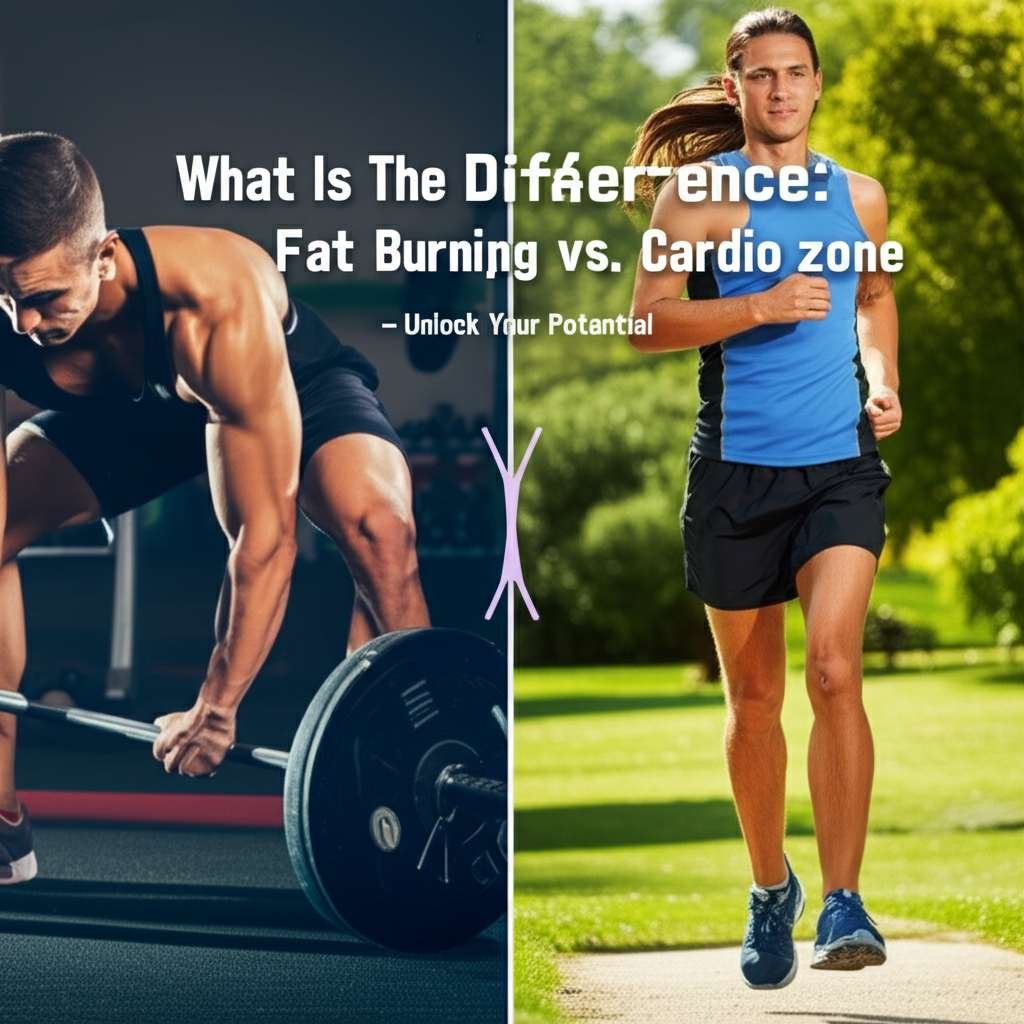
Many people think one zone is the magic bullet for shedding pounds. But the truth is, both have their unique benefits. Understanding the science behind them can help you make smarter choices for your workouts and see better results.
This guide will break down the difference between the fat-burning zone and the cardio zone in simple terms. We’ll show you how to find them and when to use them, so you can feel confident about your fitness journey.
Understanding Heart Rate Zones: Your Workout Compass
Think of your heart rate zones as different gears on a bike. Each gear helps you go at a different speed and tackles different terrain. In exercise, your heart rate is a great indicator of how hard your body is working.
Your heart rate zones are based on your maximum heart rate (MHR). This is the highest number of times your heart can beat in one minute during intense exercise. A common way to estimate your MHR is to subtract your age from 220. For example, if you are 30 years old, your estimated MHR would be 220 – 30 = 190 beats per minute (bpm).
Using heart rate zones helps you tailor your workouts to specific goals, whether it’s building endurance, improving your cardiovascular health, or targeting fat loss. It’s like having a personal coach telling you how hard to push.
The Fat-Burning Zone: Gentle on the Gas, High on Fat Percentage
The “fat-burning zone” is typically the lower end of your heart rate intensity. It’s usually considered to be around 50% to 70% of your maximum heart rate. At this intensity, your body becomes more efficient at using fat as its primary fuel source.
When you exercise in this zone, your body has enough oxygen to break down fat for energy. This means a larger percentage of the calories you burn come from fat stores. It feels less intense, allowing you to sustain activity for longer periods.
This zone is excellent for building a solid aerobic base, improving endurance, and recovering from tougher workouts. It’s also a great starting point for beginners because it’s less demanding on the body.
What Does the Fat-Burning Zone Feel Like?
When you’re in the fat-burning zone, you should be able to hold a conversation comfortably. You’ll feel like you’re working, but you won’t be out of breath. Your breathing will be deeper and more regular, but you won’t be gasping for air.
Activities like brisk walking, light jogging, cycling at a moderate pace, or using the elliptical at a relaxed setting often fall into this zone. It feels sustainable and enjoyable, making it easier to stick with your exercise routine.
The Cardio Zone: Pushing the Pace for More Calories
The “cardio zone,” often called the aerobic or endurance zone, is a bit more intense. It generally ranges from 70% to 85% of your maximum heart rate. While your body still uses fat for fuel, it starts relying more on carbohydrates as the intensity increases.
The key difference here is that at higher intensities, you burn more total calories per minute. Even though a smaller percentage of those calories come from fat, the sheer volume of calories burned can be higher, which is also crucial for weight loss.
This zone is fantastic for improving your heart health, boosting your stamina, and increasing your overall calorie expenditure. It’s where you really challenge your cardiovascular system and build significant fitness gains.
What Does the Cardio Zone Feel Like?
In the cardio zone, you’ll notice your breathing becoming heavier. You can still speak, but only in short sentences. You’ll feel a good challenge, and your muscles might start to feel a bit fatigued.
Examples of activities in this zone include running, swimming laps, cycling uphill, dancing energetically, or playing sports like basketball or soccer. It requires more effort but delivers powerful fitness benefits.
Finding Your Zones: Formulas and Tools
Knowing your heart rate zones is essential for targeting your workouts effectively. There are a few ways to figure out where you fall.
Estimating Your Maximum Heart Rate (MHR)
As mentioned, the simplest way is the age-based formula: MHR = 220 – Age. This is a good starting point, but it’s an estimate. Individual variations can exist.
For example, a 25-year-old might have an estimated MHR of 195 bpm (220 – 25 = 195).
From this MHR, you can calculate your zone ranges:
- Fat-Burning Zone (50-70% of MHR): For a 25-year-old with MHR of 195 bpm, this zone is 98 bpm to 137 bpm.
- Cardio Zone (70-85% of MHR): For a 25-year-old with MHR of 195 bpm, this zone is 137 bpm to 166 bpm.
Using Perceived Exertion (RPE)
Sometimes, you don’t need a machine to know how hard you’re working. The Rate of Perceived Exertion (RPE) scale is a subjective measure of how hard you feel you are working. It ranges from 1 to 10, where 1 is very light activity and 10 is maximal effort.
A simple RPE scale often looks like this:
- Fat-Burning Zone: RPE of 3-5 (Light to Moderate Effort). You can talk easily.
- Cardio Zone: RPE of 6-8 (Moderate to Hard Effort). You can talk in short sentences.
This method is great when you don’t have a heart rate monitor or when your heart rate might be affected by factors like caffeine or stress.
Heart Rate Monitors and Fitness Trackers
Modern fitness trackers and smartwatches make it incredibly easy to monitor your heart rate in real-time. Many devices will even show you which heart rate zone you are currently in during your workout.
These devices can provide valuable data to help you stay within your target zone. They also track other metrics like calories burned, distance, and pace, giving you a comprehensive view of your activity. Many popular fitness brands offer these tools, making them accessible.
Fat Burning vs. Cardio Zone: The Key Differences
Let’s put it all together. The main distinction lies in the intensity of the exercise and what your body prioritizes for fuel at that intensity.
Fueling Your Workout: Fat vs. Carbs
At lower intensities (fat-burning zone), your body has plenty of oxygen. This allows it to efficiently break down stored body fat to create energy. So, a higher percentage of the calories burned during these workouts comes from fat.
As you increase the intensity (cardio zone), your body needs energy faster. It starts to rely more on carbohydrates (stored as glycogen in your muscles and liver) because they can be converted into energy more quickly than fat. Therefore, a lower percentage of calories comes from fat, but you burn more total calories overall in the same amount of time.
Intensity and Duration
The fat-burning zone allows for longer workouts because the intensity is lower and more sustainable. You can go for an hour or more without feeling completely exhausted.
The cardio zone, being more intense, typically means shorter workout durations. You might push hard for 30-45 minutes, feeling challenged but accomplished. Pushing beyond this in the cardio zone can lead to overtraining or injury if not managed well.
Goals and Benefits
Both zones offer significant benefits, but they cater to slightly different goals:
- Fat-Burning Zone: Great for building aerobic fitness, improving endurance, aiding recovery, managing stress, and for beginners who are just starting out. It’s also beneficial for those who want to increase their body’s ability to use fat as fuel, which can be helpful for long-term weight management.
- Cardio Zone: Excellent for improving cardiovascular health, boosting metabolism, increasing stamina and power, and burning a higher number of total calories in a shorter time. This is crucial for significant weight loss and improving athletic performance.
Calories Burned: Percentage vs. Total
This is where the confusion often arises. Imagine two people, Alex and Ben, working out for 30 minutes.
- Alex is in the fat-burning zone (60% MHR). Alex burns 300 calories, and 60% of those (180 calories) come from fat.
- Ben is in the cardio zone (80% MHR). Ben burns 450 calories, and 40% of those (180 calories) come from fat.
In this example, both Alex and Ben burn the same amount of calories from fat (180 calories). However, Ben burned significantly more total calories (450 vs. 300) by exercising at a higher intensity. This higher total calorie burn is often more impactful for overall weight loss.
Here’s a table summarizing the key differences:
| Feature | Fat-Burning Zone (50-70% MHR) | Cardio Zone (70-85% MHR) |
|---|---|---|
| Intensity | Low to Moderate | Moderate to High |
| Primary Fuel Source | Fat (higher percentage) | Carbohydrates (higher percentage), Fat (lower percentage) |
| Total Calories Burned (per minute) | Lower | Higher |
| Duration Potential | Longer (e.g., 60+ minutes) | Shorter (e.g., 30-45 minutes) |
| Perceived Exertion (RPE) | 3-5 (Easy to Talk) | 6-8 (Talk in Short Sentences) |
| Key Benefits | Aerobic base, endurance, recovery, fat utilization efficiency | Cardiovascular health, stamina, higher total calorie burn, metabolism boost |
When to Use Each Zone for Maximum Impact
The best approach for most people, especially beginners, is to incorporate both zones into their fitness routine. It’s not about choosing one over the other, but understanding when each serves you best.
For Beginners: Start in the Fat-Burning Zone
If you’re new to exercise, your body needs time to adapt. Starting in the fat-burning zone is a smart way to:
- Build a foundation of cardiovascular fitness without overexerting yourself.
- Reduce the risk of injury.
- Make exercise a sustainable habit rather than a chore.
- Allow your body to become more efficient at using fat for energy, which is a valuable skill for long-term weight management.
Think of activities like walking, leisurely cycling, or light swimming. Consistency is key here, so aim for regular sessions, perhaps 3-5 times a week.
Incorporating the Cardio Zone for Progress
Once you’ve established a regular exercise habit and your body feels stronger, you can gradually introduce intervals or sessions in the cardio zone. This is where you’ll see significant improvements in your fitness and can boost your calorie burn.
You can do this in a few ways:
- Dedicated Cardio Workouts: Schedule 1-2 sessions per week that focus on moderate-to-high intensity exercise.
- Interval Training: This is a highly effective method. You alternate between short bursts of high intensity (cardio zone) and periods of lower intensity recovery (fat-burning zone). For example, sprint for 30 seconds, then walk or jog for 60 seconds, and repeat. This method is excellent for burning a lot of calories in a shorter time and improving your V02 max. You can learn more about interval training on the American Heart Association’s website.
- Adding Intensity to Existing Workouts: If you usually go for a brisk walk, try adding a few short, faster bursts of walking or gentle jogging into your routine.
Mixing It Up for Optimal Results
A balanced approach often yields the best results for weight loss and overall health. A common recommendation is to get at least 150 minutes of moderate-intensity aerobic activity or 75 minutes of vigorous-intensity aerobic activity per week, or a combination of both. Both zones contribute to these guidelines.
For example, a weekly plan might look like this:
- Monday: 45-minute brisk walk (Fat-Burning Zone)
- Tuesday: 30-minute run with intervals (Cardio Zone bursts)
- Wednesday: Rest or light stretching
- Thursday: 40-minute cycling class (mostly Cardio Zone)
- Friday: 50-minute swim (Fat-Burning Zone)
- Saturday: Active recovery like yoga or a leisurely walk
- Sunday: Rest
This mix ensures you’re challenging your body in different ways, promoting both fat utilization and overall calorie expenditure, while also allowing for recovery. Remember to listen to your body and adjust as needed.
Common Myths About Fat Burning vs. Cardio
There are many misunderstandings about how exercise affects weight loss. Let’s clear up a few common myths.
Myth 1: You MUST stay in the fat-burning zone to lose fat.
Truth: While the fat-burning zone burns a higher percentage of fat, the cardio zone burns more total calories, including fat calories. For overall weight loss, a higher total calorie deficit is usually more important. Both zones contribute to fat loss by burning calories.
Myth 2: Cardio is the only way to burn fat.
Truth: Strength training is also incredibly effective for fat loss. Building muscle increases your resting metabolic rate, meaning you burn more calories even when you’re not exercising. Combining cardio with strength training is a powerful strategy.
Myth 3: If you’re not sweating a lot, you’re not burning fat.
Truth: Sweating is your body’s way of cooling down, and its intensity depends on many factors like temperature, humidity, and individual physiology, not just workout intensity. You can be burning fat effectively in lower-intensity workouts where you might not sweat as much.
Myth 4: The “cardio zone” is only for athletes.
Truth: Anyone can benefit from working in the cardio zone. It’s about gradually increasing intensity as your fitness improves. Even short bursts of higher-intensity exercise can be beneficial and are often more time-efficient.
Beyond the Zones: Other Factors for Weight Loss
While understanding heart rate zones is helpful, it’s just one piece of the weight loss puzzle. Sustainable weight loss involves a holistic approach.
Nutrition is Key
You can’t out-exercise a bad diet. To lose weight, you need to create a calorie deficit, meaning you burn more calories than you consume. Focusing on whole, unprocessed foods, lean proteins, plenty of vegetables, and healthy fats will help you feel full and satisfied while managing your calorie intake.
Consider consulting a registered dietitian or nutritionist for personalized dietary advice. Organizations like the Academy of Nutrition and Dietetics offer resources to find qualified professionals.
Consistency and Patience
Weight loss is a journey, not a race. It’s more important to be consistent with your exercise and healthy eating habits over the long term than to strive for drastic, unsustainable changes. Celebrate small victories and be patient with yourself.
Listen to Your Body
Pay attention to how your body feels. If you’re feeling overly fatigued, sore, or experiencing pain, it might be a sign you need more rest or a lower intensity workout. Overtraining can lead to burnout and injury, hindering your progress.
Sleep and Stress Management
Adequate sleep (7-9 hours per night) is crucial for hormone regulation, including those that control appetite and metabolism. High stress levels can also lead to weight gain. Finding healthy ways to manage stress, such as meditation, yoga, or spending time in nature, is vital.
Frequently Asked Questions (FAQ)
Q1: Which zone burns more fat overall?
A1: The cardio zone burns more total calories, and therefore more total fat calories, in a given amount of time. However, the fat-burning zone burns a higher percentage of its calories from fat.
Q2: Do I need a heart rate monitor to use these zones?
A2: No, you don’t necessarily need a heart rate monitor. You can use the Rate of Perceived Exertion (RPE) scale to estimate your intensity. However, a monitor or fitness tracker can provide more precise data.
Q3: How often should I exercise in the cardio zone?
A3: For beginners, starting with 1-2 sessions per week in the cardio zone is often recommended, alongside sessions in the fat-burning zone. As your fitness improves, you can gradually increase the frequency and duration.
Q4: Will exercising only in the fat-burning zone prevent muscle loss?
A4: The fat-burning zone is good for aerobic fitness, but to preserve muscle mass while losing weight, it’s important to include strength training in your routine. Muscle is metabolically active tissue that helps burn calories even at rest.
Q5: Can I calculate my zones without knowing my maximum heart rate?
A5: Yes, the Rate of Perceived Exertion (RPE) scale is a good alternative. You can also use online calculators that estimate your heart rate zones based on age, or consult with a fitness professional for personalized guidance.
Q6: What’s the best way to transition from the fat-burning zone to the cardio zone?
A6: Start by gradually increasing the duration or intensity of your workouts. You can also try incorporating short intervals of higher intensity within your longer, lower-intensity sessions. Listen to your body and progress slowly.
Conclusion
Understanding the difference between the fat-burning zone and the cardio zone empowers you to train smarter, not just harder. The fat-burning zone is your friend for building endurance and utilizing fat efficiently at lower intensities, while the cardio zone is your powerhouse for boosting overall calorie burn and cardiovascular health.
The most effective strategy for unlocking your potential, especially for beginners, is to embrace both. Start by building a solid base in the fat-burning zone, and then gradually introduce the intensity of the cardio zone through dedicated workouts or interval training. Remember that a balanced approach, combined with mindful nutrition, consistent effort, and adequate rest, is the key to achieving sustainable weight loss and a healthier, fitter you.
Don’t get caught up in the idea that only one zone matters. By strategically using both, you can create a dynamic and effective fitness routine that supports your goals and keeps you motivated on your journey to a healthier lifestyle.
As an Amazon Associate, We earn from qualifying purchases. When you purchase a product through Amazon links on pulsefitguide.com, we may earn a small commission at no extra cost to you. This helps support the site and keep our content free.
