


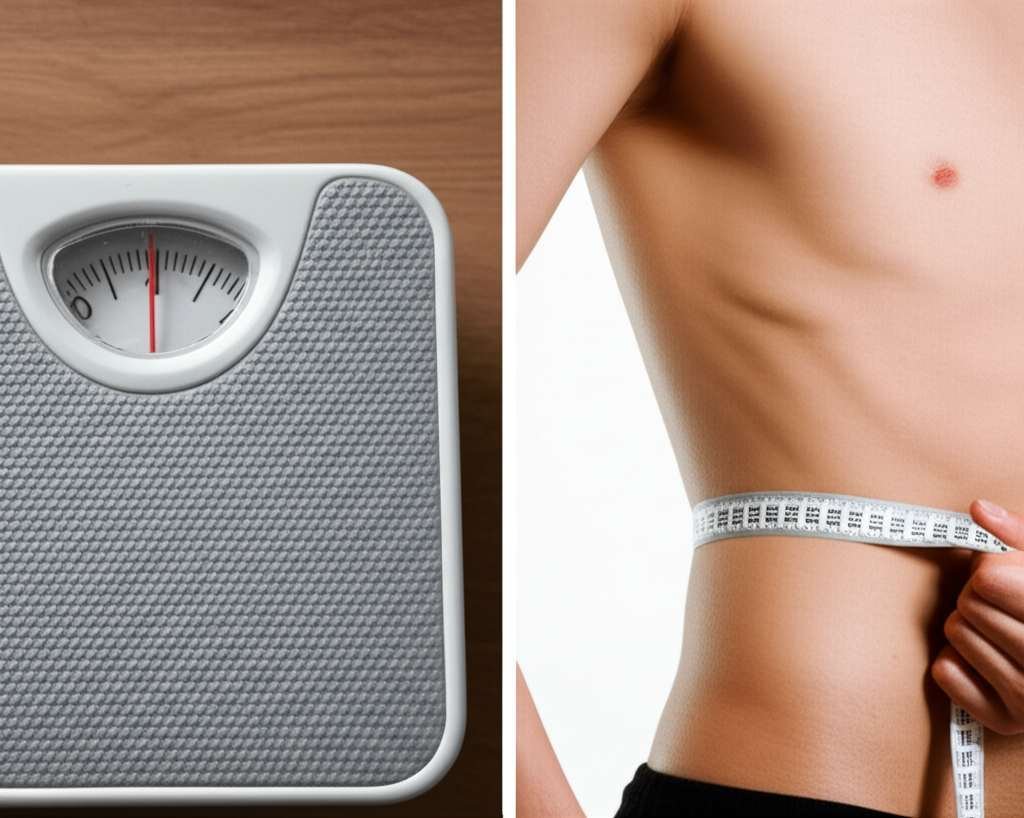
Fat loss is shedding pounds, while body recomposition builds muscle and burns fat at the same time. Both are awesome goals, and we’ll break down how to get there the easy way!
Hey there, fitness friends! Do you ever feel a little lost when it comes to your fitness goals? Like, what’s the real difference between just losing weight and actually getting stronger and leaner? It can get confusing with all the fitness talk out there. But don’t worry, we’re going to clear things up together, nice and simple. Think of me as your workout buddy, here to guide you every step of the way. We’ll make fitness feel fun and totally doable. Get ready to feel amazing and learn how to reach your best body ever, one happy step at a time!
Fat Loss vs. Body Recomposition: What’s the Big Deal?
Let’s dive into what these two popular fitness terms actually mean. It’s not as complicated as it sounds, I promise!
What is Fat Loss?
Fat loss is all about reducing the amount of fat your body is carrying. This usually means your weight on the scale goes down. You’re aiming to burn more calories than you consume. When you do this, your body taps into its fat stores for energy.

What is Body Recomposition?
Body recomposition is a bit more of a balancing act. It means you’re trying to lose body fat while building muscle mass. So, the number on the scale might not change much, or it might even go up a little, but your body shape changes. You’ll look leaner and more toned.
The Key Difference: Scale vs. Shape
Think of it like this:
Fat Loss: Focuses on the number on the scale dropping. You’re primarily aiming to shrink.
Body Recomposition: Focuses on changing your body’s composition – less fat, more muscle. You’re aiming to reshape.
Why Does This Matter for You?
Knowing the difference helps you pick the right approach for your goals. Are you aiming for a big weight drop, or do you want to get stronger and look more sculpted without necessarily seeing the scale plummet?
Let’s Talk Goals: Which One Is Right for You?
It’s totally okay to have either goal! Let’s figure out which one fits you best.
When to Focus on Fat Loss
You might want to focus on fat loss if:
You have a significant amount of weight you want to lose.
Your primary goal is to see the number on the scale decrease.
You’re just starting out and want to build a foundation of healthy habits.
You want to feel lighter and have more energy.
When to Focus on Body Recomposition
Body recomposition is a great choice if:
You’re already at a weight you’re happy with but want to look more toned.
You want to build muscle to boost your metabolism and get stronger.
You’re okay with the scale not moving much, as long as your body is changing.
You enjoy strength training and want to see those muscles develop.
How to Achieve Fat Loss: Your Simple Steps
Ready to start shedding some fat? It’s all about creating a healthy calorie deficit and moving your body!
Step 1: Eat a Little Less, But Smarter
You don’t need to starve yourself! Just make small, smart choices about what you eat. Focus on whole, unprocessed foods that keep you feeling full and energized.
Step 2: Move Your Body Regularly
This is where the magic happens! Exercise burns calories and helps your body use up stored fat. A mix of cardio and strength training is super effective.
Step 3: Stay Hydrated!
Drinking enough water is key. It helps with metabolism, keeps you feeling full, and is just plain good for you. Aim for at least 8 glasses a day.
Step 4: Get Enough Sleep
Seriously, sleep is a superpower for fat loss! When you’re well-rested, your body functions better, and your hormones that control hunger and fat storage stay balanced.
Step 5: Be Patient and Consistent
Fat loss takes time. Don’t get discouraged if you don’t see results overnight. Keep up your healthy habits, and you will see progress.
How to Achieve Body Recomposition: Your Easy Guide
Want to build muscle while burning fat? This is where we focus on nutrition and strength training.
Step 1: Fuel Your Muscles with Protein
Protein is like the building blocks for your muscles. Make sure you’re getting enough protein at every meal. This helps your muscles repair and grow after workouts.
Step 2: Lift Weights!
Strength training is non-negotiable for body recomposition. It tells your body to build muscle. Don’t be scared; start with simple exercises you can do at home or at the gym.
Step 3: Eat Enough Calories (But the Right Ones!)
This is a bit different from strict fat loss. For recomposition, you want to eat enough to support muscle growth, but still be in a slight calorie deficit or at maintenance. Focus on nutrient-dense foods.
Step 4: Timing Your Nutrition
Consider when you eat, especially around your workouts. Eating protein and some carbs before and after your training sessions can help fuel your muscles and aid recovery.
Step 5: Consistency is Your Best Friend
Just like with fat loss, body recomposition is a journey. Stick with your training and nutrition plan, and celebrate the small changes you see and feel.
Fat Burning vs. Muscle Building: What’s Happening Inside?
Let’s peek under the hood at what your body is doing.
When You’re Focused on Fat Loss
Your body is in a calorie deficit. This means you’re using energy from the food you eat. If you don’t eat enough, your body starts breaking down stored fat for that extra energy.
When You’re Focused on Body Recomposition
This is a more advanced state. Your body is getting enough fuel to build muscle, but you’re also creating a slight calorie deficit to encourage fat burning. Strength training signals your body to build muscle, and the calorie deficit helps it tap into fat for energy.
Workout Wonders: Fat Burning vs. Muscle Building
The type of exercise you do plays a big role!
Fat-Burning Workouts
These are great for creating that calorie deficit.
Cardio: Think jogging, cycling, swimming, dancing. These get your heart rate up and burn a lot of calories.
HIIT (High-Intensity Interval Training): Short bursts of intense exercise followed by brief rest periods. It’s super effective for burning calories in a short time.
Muscle-Building Workouts
These are all about challenging your muscles to grow.
Strength Training: Lifting weights, using resistance bands, or doing bodyweight exercises like push-ups and squats.
Compound Movements: Exercises that work multiple muscle groups at once, like squats, deadlifts, and overhead presses.
Here’s a little table to help visualize:
| Workout Type | Primary Goal | Example Exercises | Benefits |
|---|---|---|---|
| Cardio | Calorie Burning, Heart Health | Running, Cycling, Swimming | Improves endurance, burns fat |
| HIIT | High Calorie Burn (Short Time), Metabolism Boost | Sprints, Burpees, Jump Squats | Efficient fat burning, post-workout calorie burn |
| Strength Training | Muscle Building, Strength | Weightlifting, Squats, Push-ups | Increases metabolism, improves body composition, stronger bones |
Nutrition Nuggets: Fueling Your Goals
What you eat is just as important as how you move!
Nutrition for Fat Loss
Focus on a calorie deficit with nutrient-dense foods.
Lean Proteins: Chicken breast, fish, beans, tofu.
Lots of Veggies: Broccoli, spinach, bell peppers, carrots.
Healthy Fats: Avocado, nuts, seeds, olive oil.
Whole Grains: Oats, quinoa, brown rice.
Limit: Sugary drinks, processed snacks, excessive fried foods.
Nutrition for Body Recomposition
This is about balancing protein intake with controlled calories.
Higher Protein Intake: Aim for protein at every meal to support muscle repair and growth.
Moderate Carbs: Focus on complex carbs for energy, especially around workouts.
Healthy Fats: Essential for hormone function and overall health.
Slight Calorie Deficit or Maintenance: You’re not aiming for a huge deficit, but enough to encourage fat loss while fueling muscle growth.
Putting It All Together: Sample Plans
Let’s see how this looks in action!
Sample Fat Loss Weekly Plan
This plan focuses on creating a calorie deficit through diet and exercise.
Monday: 30-40 minutes of brisk walking or jogging.
Tuesday: Full-body strength training.
Wednesday: Active rest day – light stretching or a leisurely walk.
Thursday: 20-30 minutes of HIIT.
Friday: Full-body strength training.
Saturday: Longer cardio session (e.g., hiking, cycling for 60 minutes).
Sunday: Rest.
Sample Body Recomposition Weekly Plan
This plan emphasizes strength training with adequate protein intake.
Monday: Strength training: Lower body (squats, lunges, deadlifts).
Tuesday: Cardio: 20-30 minutes of moderate intensity (e.g., cycling, elliptical).
Wednesday: Strength training: Upper body (push-ups, rows, overhead press).
Thursday: Active rest or light cardio.
Friday: Strength training: Full body or focus on core and smaller muscle groups.
Saturday: Longer cardio session or a sport you enjoy.
Sunday: Rest.
And here’s a simple meal idea table:
| Meal | Fat Loss Focus | Body Recomposition Focus |
|---|---|---|
| Breakfast | Oatmeal with berries and a small handful of almonds. | Scrambled eggs (2-3 whole) with spinach and a slice of whole-wheat toast. |
| Lunch | Large salad with grilled chicken breast and light vinaigrette. | Salmon fillet with quinoa and steamed broccoli. |
| Snack | Apple slices with a tablespoon of peanut butter. | Greek yogurt with a few berries. |
| Dinner | Baked cod with roasted vegetables (zucchini, bell peppers). | Lean ground turkey stir-fry with lots of veggies and a small portion of brown rice. |
Common Mistakes to Avoid
Let’s steer clear of these pitfalls!
Not eating enough: This can slow your metabolism and make you feel tired.
Doing too much too soon: Start slow to prevent injury and burnout.
Ignoring strength training for fat loss: Muscle helps burn fat even when you’re resting!
Focusing only on the scale: Remember that scale number isn’t the whole story!
Not getting enough sleep: It’s crucial for recovery and hormone balance.
Skipping protein: Essential for muscle repair and satiety.
Not drinking enough water: Dehydration can impact your energy and metabolism.
Your Frequently Asked Questions (FAQs)
Got more questions? I’ve got simple answers for you!
How long does it take to burn fat?
It really depends on your starting point and how consistent you are. Some people see changes in a few weeks, while for others it might take a few months. The key is to stick with it!
What’s the best time to work out?
The best time is whenever you can consistently do it! Some people love morning workouts to start their day, while others prefer evenings to de-stress. Listen to your body and find what works for you.
Do I need a gym to lose weight?
Absolutely not! You can achieve amazing results with home workouts, bodyweight exercises, resistance bands, or even just going for walks and runs.
How can I stay motivated every day?
Set small, achievable goals. Track your progress (not just the scale!). Find a workout buddy. Remind yourself why you started. Celebrate every little win!
What should I eat before or after exercise?
Before: A small, easily digestible snack with carbs for energy, like a banana or a piece of toast. After: Focus on protein to help your muscles recover. A protein shake, chicken breast, or Greek yogurt are great options.
How much water should I drink daily?
A good general rule is about 8 glasses (64 ounces) a day. You might need more if you’re exercising a lot or it’s hot. Listen to your body – if you’re thirsty, drink up!
How many rest days should I take?
Rest days are super important for muscle recovery and preventing burnout. Aim for 1-2 rest days per week. Your body needs time to repair and get stronger.
The Takeaway: You’ve Got This!
Whether your goal is to shed some pounds or transform your body by building muscle and losing fat, the journey is exciting and totally achievable. Remember, it’s all about making consistent, healthy choices that feel good for you. Don’t get caught up in perfection; focus on progress. Every healthy meal you choose, every workout you complete, and every time you choose to move your body, you’re making a difference.
You’re stronger than you think, and you’re capable of amazing things. Keep showing up for yourself, stay positive, and enjoy the process of becoming your best self. You’ve got this — one step, one day at a time!
As an Amazon Associate, We earn from qualifying purchases. When you purchase a product through Amazon links on pulsefitguide.com, we may earn a small commission at no extra cost to you. This helps support the site and keep our content free.
