

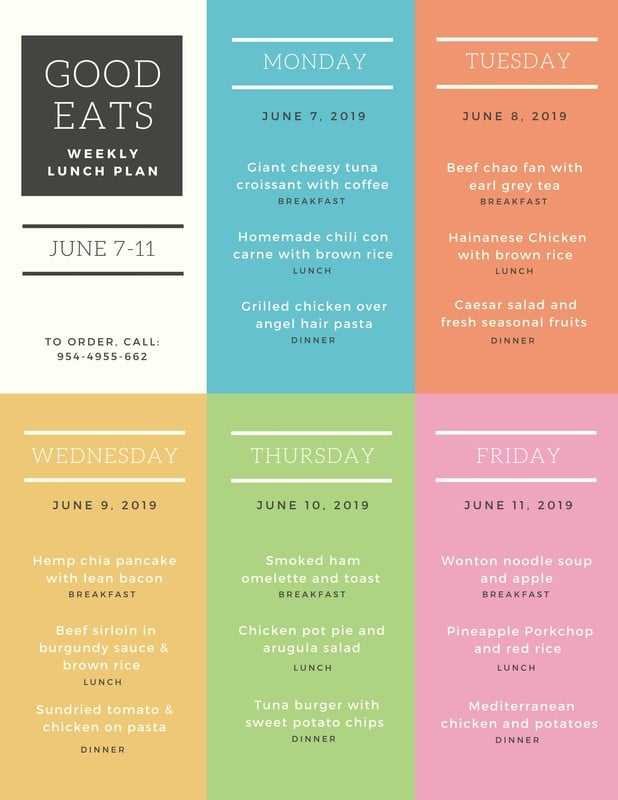
The best planner for weekly meals and groceries is one that combines ease of use, customization, and organization. It helps you save time, reduce waste, and make healthier choices by keeping your meal plan and shopping list streamlined and accessible. Whether you prefer digital tools or paper planners, the right system can transform your weekly routine and make meal prep stress-free.
A top meal planner should be user-friendly, adaptable to your dietary needs, and integrate your grocery list seamlessly. The ideal choice varies based on personal preferences, but a good planner will help you stay organized, save money, and enjoy more variety in your meals.
Having a reliable weekly meal and grocery planner is a game-changer for busy households or anyone looking to streamline their cooking routine. Finding the right tool means less last-minute scrambling, better meal planning, and more time to enjoy your meals without stress. Let’s explore the best options available to make your planning effortless and effective!

What is the best planner for weekly meals and groceries?
Understanding the Importance of a Meal and Grocery Planner
A good meal and grocery planner helps families save time and money. It keeps everyone organized and ensures healthy eating habits. Without a proper plan, it is easy to forget essentials or buy unnecessary items. Therefore, choosing the right planner is key to a smooth weekly routine.
Types of Meal and Grocery Planners
There are several types of planners available to suit different lifestyles. Each has its advantages, and selecting the best depends on individual needs.
Digital Planners
Digital planners include apps and online tools that can be accessed on smartphones or tablets. They offer flexibility and instant updates. Popular options include meal planning apps that sync with shopping lists.
Physical Planners
Physical planners are paper-based notebooks, pads, or binders. They are ideal for those who prefer writing by hand and avoiding screen time. They often include pre-designed templates for weekly meal planning.
Hybrid Systems
Some people combine digital and physical planning tools. They may use an app for quick updates and a printed planner for detailed notes. This offers the benefits of both worlds.
Features to Look for in a Weekly Meal and Grocery Planner
Choosing a planner involves assessing key features to ensure it meets your needs.
Ease of Use
A planner should be simple to understand and navigate. Clear layouts and intuitive interfaces make planning less of a chore.
Customization Options
Flexibility to add personal recipes, favorite meals, or special notes adds value. Custom templates can help tailor the planner to your routine.
Meal Scheduling Capabilities
Look for planners that allow easy scheduling of breakfast, lunch, dinner, and snacks. Color coding or icons can help distinguish meal types quickly.
Grocery List Integration
The best planners automatically generate shopping lists based on your meal plan. This saves time and reduces forgotten items.
Inventory Tracking
Some planners include features to track pantry inventory. Knowing what you already have can prevent overbuying.
Portability
A portable planner is essential if you shop in multiple stores or need to carry your plan to different locations.
Top Digital Meal and Grocery Planning Apps
Digital tools have gained popularity for their convenience and versatility. Here’s a closer look at some top options.
Mealime
Mealime allows users to select dietary preferences and create personalized meal plans. It generates shopping lists automatically and offers recipe options for the week. It also provides nutritional details for each meal.
Yummly
Yummly offers an extensive recipe database and lets users plan weekly menus easily. Its shopping list feature compiles ingredients from selected recipes, making grocery shopping smoother.
AnyList
This app combines meal planning with grocery list management. It supports multiple users, perfect for families. You can also organize items by store sections for efficient shopping.
Paprika Recipe Manager
Paprika allows users to save recipes, plan weekly meals, and create shopping lists. Its ability to sync across devices makes it suitable for busy households.
Plan to Eat
Plan to Eat offers drag-and-drop meal planning with a built-in recipe database. It generates shopping lists and tracks your pantry to avoid duplications.
Popular Physical Meal and Grocery Planners
Physical planners remain popular for their tactile experience and simplicity.
Daily Organizer Notebooks
These notebooks often feature weekly planning pages, space for recipes, and grocery lists. They are customizable and reusable with erasable markers.
Printables and Printable Planners
Many websites offer downloadable printable templates. These include grid layouts, checklists, and meal planning charts that can be reused weekly.
Bullet Journals for Meal Planning
Bullet journals provide a flexible solution for those who prefer a creative approach. Users create custom sections for meals, shopping, and pantry inventory.
How to Choose the Best Planner for Your Needs
Deciding on the ideal planner depends on your lifestyle, preferences, and budget.
Assess Your Routine
Consider how often you cook at home and how organized you want to be. Families may need more comprehensive tools than individuals.
Determine Your Budget
Digital apps often have free versions with optional upgrades. Physical planners vary in price, from affordable printables to premium notebooks.
Think About Ease of Use
Select a planner that aligns with your comfort level with technology or writing. If you dislike digital tools, a paper planner might be better.
Identify Must-Have Features
Make a list of features you can’t live without, such as inventory tracking or meal prep tracking, to filter options effectively.
Additional Tips for Effective Meal and Grocery Planning
A great planner alone isn’t enough; follow these tips for optimal results.
Create a Weekly Routine
Set a specific day and time to plan your meals and shop for groceries each week, ensuring consistency.
Plan for Flexibility
Leave room for impromptu meals or leftovers. Flexibility prevents stress when plans change unexpectedly.
Use Seasonal Ingredients
Incorporate seasonal produce into your plan. This can reduce costs and increase meal freshness.
Batch Cook and Prep
Preparing ingredients or meals ahead of time saves time during busy weekdays and minimizes last-minute shopping.
Involve Family Members
Encourage family participation in planning and shopping. It can make meals more enjoyable and reduce your workload.
Additional Tools to Enhance Your Meal Planning
Using supplementary tools can improve your planning experience.
- Recipe Databases: Save favorite recipes for quick access and plan menus around them.
- Shopping List Apps: Use apps that sync with your meal plan for real-time updates.
- Pantry Inventory Trackers: Maintain a list of what you have to avoid unnecessary purchases.
Balancing Meal Variety and Nutritional Needs
A good planner helps include a variety of foods, ensuring a balanced diet. Incorporate fruits, vegetables, proteins, and grains throughout the week. This keeps meals exciting and healthy.
Incorporating Special Diets and Preferences
Whether you follow a gluten-free, vegetarian, or keto diet, choose a planner that accommodates your dietary needs. Many apps offer filters for specific restrictions.
Evaluating the Overall Cost and Benefits
Investing in a good planner can save money over time. It reduces impulse buys, food waste, and last-minute takeouts by keeping you organized.
Finding the best planner for weekly meals and groceries involves considering your unique lifestyle and preferences. Whether you prefer digital tools, physical notebooks, or a mix of both, the right planner simplifies shopping and meal preparation. By focusing on features like ease of use, customization, and grocery list integration, you can create a more efficient, less stressful routine. Implementing a consistent planning method can lead to healthier eating habits, less food waste, and more quality time around the table.
MEAL PLAN WITH ME + Grocery Haul | How I Meal Plan for the Week
Frequently Asked Questions
What features should I look for in a meal planning app to manage weekly grocery shopping effectively?
Choose an app that allows you to create and customize meal plans, generate shopping lists automatically, and categorize ingredients for easier shopping. Features like syncing across devices, recipe storage, and barcode scanning can make your planning more efficient and convenient.
How can a physical planner assist with weekly meal and grocery organization?
A physical planner offers tactile control over your meal schedules and shopping lists. It allows you to jot down ideas, track ingredients, and make adjustments on the go. Many find that writing things down helps them remember and stick to their plans better.
Are there digital tools that integrate meal planning with nutritional tracking?
Yes, some digital platforms let you plan meals and monitor nutritional intake simultaneously. These tools can help you balance your diet, track calories, and ensure you meet dietary goals while planning your weekly meals and groceries efficiently.
What considerations should I keep in mind when choosing a planner for family meal planning?
Select a planner that supports multiple user profiles and offers sharing options. It should allow you to organize meals for different family members, include reusable shopping lists, and sync with apps or devices used by other family members to coordinate plans seamlessly.
Can customizable templates improve my weekly meal and grocery planning process?
Yes, customizable templates help you tailor your planning system to fit your specific routines and preferences. They provide structure while allowing flexibility, making it easier to plan consistently and adjust as your needs change week to week.
Final Thoughts
The best planner for weekly meals and groceries combines ease of use with customization to suit individual needs. It should help you organize shopping lists, meal ideas, and schedules efficiently.
Choosing the right planner makes meal planning less stressful and more enjoyable. To sum up, what is the best planner for weekly meals and groceries? It is the one that fits your lifestyle while keeping you organized and prepared.
As an Amazon Associate, We earn from qualifying purchases. When you purchase a product through Amazon links on pulsefitguide.com, we may earn a small commission at no extra cost to you. This helps support the site and keep our content free.