

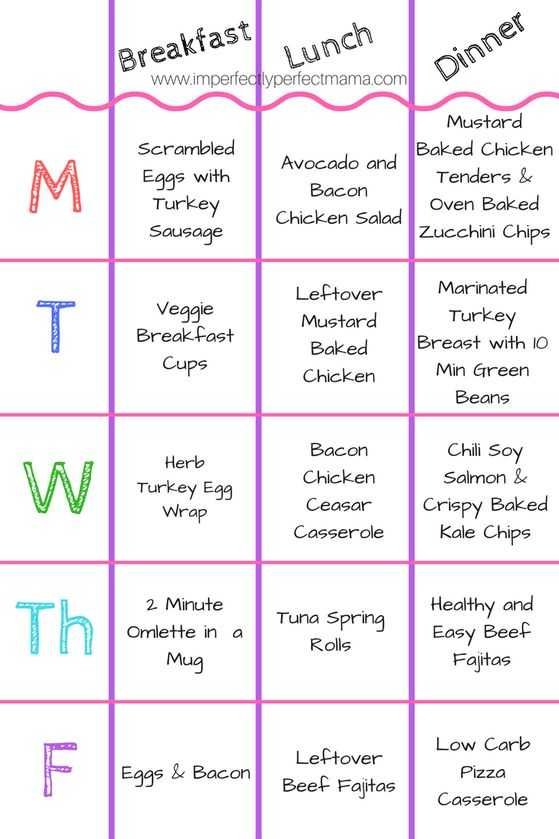
A weekly clean eating plan for low-income families is a structured yet affordable way to prioritize healthy, whole foods throughout the week. It helps stretch every dollar while ensuring your family enjoys nutritious meals. The key is to focus on simple, budget-friendly ingredients like fruits, vegetables, whole grains, and lean proteins, planning meals ahead to minimize waste and maximize savings. Such a plan empowers families to eat clean without breaking the bank and promotes overall well-being.
A clean eating plan for low-income families involves selecting affordable, minimally processed foods and preparing meals with them throughout the week. It emphasizes balance, simplicity, and cost-effectiveness to support a healthy lifestyle on a tight budget.
Eating healthy often feels out of reach for families with limited income, but a well-structured weekly clean eating plan can change that. By focusing on affordable whole foods and smart shopping strategies, families can enjoy nutritious meals without overspending. This approach not only improves health but also encourages better eating habits, making it a practical solution for low-income households striving to maintain a balanced diet amid financial constraints. Planning ahead, buying seasonal or bulk produce, and cooking at home are essential steps to make clean eating achievable and sustainable for everyone.

What is a weekly clean eating plan for low-income families?
A weekly clean eating plan is a structured guide to help families eat healthier while sticking to a budget. It emphasizes whole, unprocessed foods like fruits, vegetables, whole grains, and lean proteins. For low-income families, this plan offers a way to enjoy nutritious meals without overspending.
Understanding how to create and follow such a plan can improve health, save money, and simplify grocery shopping. This section explores the core idea behind a clean eating plan tailored for families with limited income.
Defining Clean Eating
Clean eating focuses on consuming foods that are minimally processed and free from artificial additives. It encourages choosing natural foods that provide essential nutrients. Unlike fad diets, it promotes sustainable eating habits that benefit long-term health.
For low-income families, clean eating means making smart choices within a budget. It prioritizes affordable, nutritious options over convenience foods high in sugar, sodium, and unhealthy fats.
Why a Weekly Plan Matters
Having a weekly eating plan helps families organize meals ahead of time. It reduces impulse purchases and minimizes food waste. Planning also ensures household members get balanced meals every day.
A weekly plan creates structure, making it easier to stick to healthy eating goals. It also saves time during busy weekdays by knowing exactly what to cook each day.
Key Components of a Clean Eating Weekly Plan
- Whole grains such as oats, brown rice, and whole wheat bread
- Fresh fruits and vegetables that are in season or on sale
- Lean proteins like beans, eggs, chicken, and fish
- Nuts, seeds, and healthy oils in moderation
- Limited processed foods and sugary snacks
Focusing on these basics can help families stay within their budget while nourishing their bodies.
Creating a Budget-Friendly Weekly Meal Plan
Designing a clean eating plan for low-income families requires strategic shopping and meal preparation. It involves balancing nutritional value with affordability.
Tips for Affordable Grocery Shopping
- Buy in bulk when possible to save money on staples like rice and beans
- Choose store brands over name brands for cost savings
- Shop seasonal fruits and vegetables as they are cheaper and fresher
- Utilize local farmers’ markets for deals on fresh produce
- Plan meals around weekly sales and discounts
These habits help stretch a food budget and ensure a variety of healthy foods in meals.
Meal Planning Strategies
Meal planning involves selecting recipes ahead of time and creating a shopping list accordingly. It prevents last-minute buys of unhealthy or expensive options.
Start by choosing simple recipes that use ingredients in multiple meals to reduce waste and costs. For example, a roasted chicken can be used for dinner and later in salads or sandwiches.
Sample Weekly Meal Plan
Monday
- Breakfast: Oatmeal topped with banana slices
- Lunch: Lentil soup with whole wheat bread
- Dinner: Stir-fried vegetables with brown rice
Tuesday
- Breakfast: Scrambled eggs with spinach
- Lunch: Chickpea salad with assorted veggies
- Dinner: Baked chicken with roasted sweet potatoes
Adapting this style for the entire week ensures variety and balanced nutrition.
Smart Meal Preparation and Batch Cooking
Cooking in batches saves time and money, making it easier to stick to a clean eating plan. Preparing large quantities of affordable staples allows families to have ready-made meals during busy days.
Benefits of Batch Cooking
- Reduces cooking time during weekdays
- Prevents reliance on processed or takeout foods
- Ensures control over ingredients and portion sizes
- Helps avoid food waste by using leftover ingredients Smartly
For example, cooking a big pot of beans or grains at the start of the week can serve as a foundation for multiple dishes.
Batch Cooking Tips
- Select recipes that store well in the fridge or freezer
- Use airtight containers to keep foods fresh longer
- Label containers with dates to track freshness
- Repurpose leftovers into new meals to prevent boredom
This approach keeps meals varied and engaging while maintaining affordability.
Incorporating Affordable, Nutrient-Dense Foods
Focusing on nutrient-dense foods ensures families get essential vitamins and minerals without overspending. It emphasizes the value of foods that pack a nutritional punch at a low cost.
Inexpensive Nutrient Powerhouses
- Beans and lentils: rich in protein and fiber
- Frozen vegetables: nutritious and cost-effective
- Canned tomatoes and fruits: versatile and affordable
- Sweet potatoes and carrots: affordable sources of vitamins
- Eggs: an inexpensive source of high-quality protein
Including these in meals boosts nutrition without breaking the budget.
Tips for Maximizing Nutrition on a Budget
- Eat a variety of colorful fruits and vegetables
- Incorporate whole grains instead of refined options
- Limit processed snacks and sugary drinks
- Use herbs and spices to enhance flavor without extra calories or cost
Smart choices like these ensure healthy eating habits become routine.
Dealing with Common Challenges
Low-income families might face challenges like limited access to fresh produce or lack of kitchen appliances. Overcoming these obstacles is possible with creativity and resourcefulness.
Overcoming Limited Grocery Options
Look for discount stores, farmer’s markets, or community-supported agriculture programs. Growing some vegetables at home, even in small containers, can supplement shopping.
Managing Limited Kitchen Equipment
Focus on simple recipes that require minimal appliances. A basic stove, a pot, and a knife can handle most healthy meals.
Addressing Time Constraints
Batch cooking on weekends can free up weekday time. Preparing ingredients ahead of time makes quick assembly during busy days easier.
Additional Resources for Low-Income Families
Many communities offer free cooking classes, nutritional assistance programs, and grocery aid. Utilizing these resources can support a healthier lifestyle.
Community and Government Support
Programs like SNAP and WIC provide financial assistance for purchasing healthy foods. Local food banks often distribute fresh produce and other essentials.
Free Online Resources
Websites and apps offer meal plans, shopping lists, and cooking tutorials tailored for budget-conscious families. These tools help simplify healthy eating.
By understanding the core principles of a weekly clean eating plan, low-income families can create sustainable, nutritious, and affordable meals. Consistent planning, smart shopping, and resourcefulness make healthy eating achievable for everyone.
Turning $55 into 20 healthy meals- full list will be in description! #healthyliving #healthyrecipe
Frequently Asked Questions
How can families plan weekly meals that are both nutritious and affordable?
Planning weekly meals involves creating a shopping list based on affordable, nutritious ingredients. Focus on versatile staples like rice, beans, seasonal vegetables, and affordable proteins such as eggs or canned tuna. Preparing meals at home and batch cooking can save money and time. Also, using coupons, buying store brands, and shopping during sales help reduce costs without sacrificing nutrition.
What role do food budgets play in designing a clean eating plan for low-income households?
Maintaining a proper food budget ensures families can buy healthy foods consistently. Setting a weekly spending limit helps prioritize purchasing nutrient-dense items. Planning meals around sales and discounted items helps stretch the budget further. This approach prevents overspending while ensuring families receive the necessary nutrients for a balanced diet.
How can families incorporate fresh produce into their weekly meals on a tight budget?
Families can incorporate affordable fresh produce by choosing seasonal fruits and vegetables, which tend to cost less. Visiting local farmers’ markets near closing times often offers discounts on produce. Growing some herbs and vegetables at home also provides access to fresh ingredients at low or no cost. Incorporating frozen and canned vegetables with no added salt or sugar offers cost-effective alternatives without compromising nutrition.
What are some cost-effective protein sources suitable for a clean eating plan?
Affordable protein options include eggs, canned legumes like lentils and chickpeas, and frozen chicken or fish. Incorporating plant-based proteins such as tofu or soy products can also provide variety at a lower price. Buying in bulk and portioning these proteins can stretch the budget further while maintaining a focus on nutritious meals.
How do batch cooking and meal prepping benefit families with limited resources?
Batch cooking allows families to prepare large quantities of meals in one session, saving time and reducing waste. Meal prepping ensures that healthy options are readily available, decreasing the temptation to buy processed or less nutritious foods. These strategies help control portion sizes and budget spending, making healthy eating more manageable over the week.
Final Thoughts
A weekly clean eating plan for low-income families provides affordable, nutritious meals with simple ingredients. It encourages planning ahead to reduce waste and save money.
Focusing on whole foods such as vegetables, grains, and lean proteins helps maintain a balanced diet. Consistent meal prepping makes healthy eating manageable and sustainable.
In summary, a weekly clean eating plan for low-income families offers practical guidance to eat healthily without overspending. It keeps families nourished and energized while respecting budgets and time constraints.
As an Amazon Associate, We earn from qualifying purchases. When you purchase a product through Amazon links on pulsefitguide.com, we may earn a small commission at no extra cost to you. This helps support the site and keep our content free.