

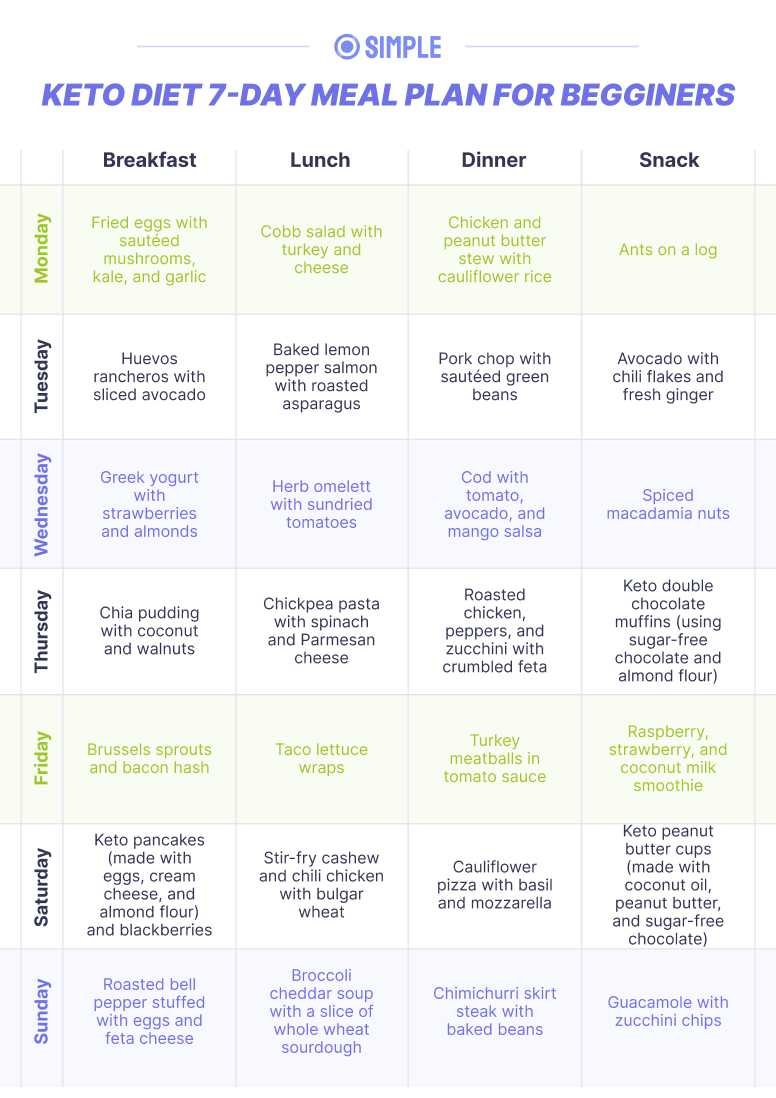
Looking to shed pounds efficiently? A keto weekly meal plan offers a structured way to achieve weight loss by focusing on high-fat, moderate-protein, and very low-carb foods that help your body burn fat for energy. This plan keeps your metabolism active and reduces cravings, making it easier to stick with healthy habits.
In essence, a keto weekly meal plan for weight loss is a carefully crafted schedule of meals designed to keep your carbohydrate intake very low while emphasizing fats and proteins. It guides you through daily eating routines that promote fat burning and energy stability, helping you reach your weight loss goals faster and more sustainably.
Starting a keto weekly meal plan means understanding which foods fit into this low-carb, high-fat approach. It involves planning your meals ahead, selecting tasty recipes, and staying consistent throughout the week. With a bit of preparation, you can enjoy delicious meals while effectively losing weight and improving your overall health.

What is a keto weekly meal plan for weight loss?
A keto weekly meal plan is a carefully organized schedule that helps you follow a ketogenic diet for weight loss. It provides a clear guide on what to eat each day, making it easier to stay on track. This plan focuses on high-fat, moderate-protein, and very low carbohydrate foods.
Understanding the basics of a keto diet
The keto diet aims to shift your body into a state called ketosis. In ketosis, your body burns fat instead of carbohydrates for energy. To reach this state, you need to limit your daily carb intake typically to less than 20 to 50 grams.
Following a keto weekly meal plan ensures you consume the right balance of nutrients. It emphasizes healthy fats like avocados, nuts, and olive oil, along with sufficient protein from sources like eggs, fish, and poultry.
Why choose a weekly meal plan for keto?
Having a weekly plan reduces decision fatigue and prevents unhealthy choices. It helps you stay organized and ensures you get variety in your meals while maintaining ketosis.
Planning ahead makes grocery shopping more efficient and saves time. A good meal plan keeps you motivated and accountable during your weight loss journey.
Components of a keto weekly meal plan
Meal structure
Typically, a keto meal plan includes three main meals per day — breakfast, lunch, and dinner — along with optional snacks. Each meal is crafted to be rich in healthy fats, moderate in protein, and low in carbs.
Macronutrient ratios
The ideal macro ratios for a keto plan are roughly:
- Fat: 70-75%
- Protein: 20-25%
- Carbohydrates: 5-10%
This balance supports ketosis and helps promote fat loss while preserving muscle mass.
Sample weekly meal plan structure
| Day | Breakfast | Lunch | Dinner |
|---|---|---|---|
| Monday | Eggs with avocado and spinach | Grilled chicken salad with olive oil | Baked salmon with asparagus |
| Tuesday | Greek yogurt with nuts and berries | Turkey lettuce wraps | Stir-fried shrimp with vegetables |
Suggestions for variety and substitution
You can swap ingredients to keep your meals interesting. For example, replace salmon with mackerel or chicken with turkey. Use different vegetables and herbs to add flavor without increasing carbs.
Meal prep tips for success
Preparing meals in advance saves time and helps you stick to your plan. Cook proteins and chop vegetables ahead of time. Store meals in portion-sized containers for convenience.
Use versatile ingredients across different meals to reduce shopping lists and cooking effort. For example, cooked chicken can be used in salads, wraps, or stir-fries.
Addressing common challenges
Some people find it hard to stay within carb limits. Focus on nutrient-dense foods and be mindful of hidden carbs in sauces, dressings, and processed foods.
If cravings occur, opt for high-fat snacks like cheese or nuts, which can curb hunger without breaking ketosis. Drinking plenty of water and adding electrolytes can also prevent side effects like the keto flu.
Monitoring your progress
Track your food intake using apps or journals to ensure you’re meeting your macro goals. Regularly check your weight and ketone levels if possible. Adjust your plan as needed based on your progress and how you feel.
Benefits of a well-balanced keto weekly meal plan
Following a structured plan supports steady weight loss, increased energy, and better mental clarity. It also helps stabilize blood sugar levels and reduce hunger throughout the day.
Consistency is key, and a good meal plan eliminates guesswork, making it easier to stick with your weight loss goals long-term.
Risks and precautions
While a keto meal plan can be effective, it may not be suitable for everyone. Consult with a healthcare professional before starting, especially if you have underlying health conditions.
Ensure the plan includes a variety of nutrient-dense foods to prevent deficiencies. Listen to your body and seek guidance if you experience adverse symptoms.
Further advanced tips for keto meal planning
- Incorporate intermittent fasting with your meal plan for enhanced fat burning.
- Use spices and herbs to add flavor without carbs.
- Experiment with keto-friendly baked goods and snacks for variety.
- Stay hydrated and replenish electrolytes regularly to maintain energy levels.
Related topics to explore
- Best keto-friendly snacks for weight loss
- Understanding ketosis and how to measure it
- Meal prepping tips for busy schedules
- Common mistakes to avoid on a keto diet
Developing a comprehensive keto weekly meal plan requires understanding your nutritional needs, making smart ingredient choices, and preparing ahead. With consistency and dedication, this approach can effectively support your weight loss goals while enjoying delicious, satisfying foods.
Nutritionist Shares Meal Plan For Doing Keto Over The Long Term
Frequently Asked Questions
How does a weekly keto meal plan support consistent weight loss efforts?
A weekly keto meal plan helps you stay on track by providing structured meals that maintain your carbohydrate intake low and fats high, which encourages your body to burn fat for energy. Planning meals ahead reduces impulsive eating and keeps you focused on your weight loss goals throughout the week.
What types of foods are typically included in a keto weekly meal plan?
A keto meal plan usually includes foods rich in healthy fats such as avocados, nuts, and olive oil, along with moderate amounts of protein like eggs, fish, and poultry. It emphasizes low-carb vegetables like leafy greens and broccoli while limiting grains, sugar, and high-carb fruits to keep carbohydrate levels low.
How can I ensure my meal plan provides enough variety and nutrients?
You can maintain variety by incorporating different sources of healthy fats, proteins, and low-carb vegetables throughout the week. Including a range of foods prevents diet boredom and ensures you receive essential vitamins and minerals necessary for overall health during your weight loss journey.
What are some practical tips for sticking to a weekly keto meal plan?
Prepare meals in advance and keep a shopping list to avoid impulse buys. Stick to your plan even during social events by choosing keto-friendly options. Tracking your meals can help you stay within your carbohydrate limits and make adjustments as needed to continue progressing.
How does a weekly meal plan help manage difficulty with meal prep and decisions?
By outlining meals for the entire week, a meal plan simplifies grocery shopping and reduces the daily decision-making process. This organization saves time, minimizes meal anxiety, and ensures you consistently follow your ketogenic diet without last-minute choices that might derail your progress.
Final Thoughts
A keto weekly meal plan for weight loss provides structure and consistency, making it easier to stay on track. It focuses on low-carb, high-fat foods that promote ketosis and fat burning. By planning meals ahead, you reduce temptations and ensure a balanced intake of nutrients.
This approach helps maintain motivation and simplifies grocery shopping, saving time. Overall, a well-designed keto weekly meal plan for weight loss supports sustainable results and healthier habits.
As an Amazon Associate, We earn from qualifying purchases. When you purchase a product through Amazon links on pulsefitguide.com, we may earn a small commission at no extra cost to you. This helps support the site and keep our content free.