

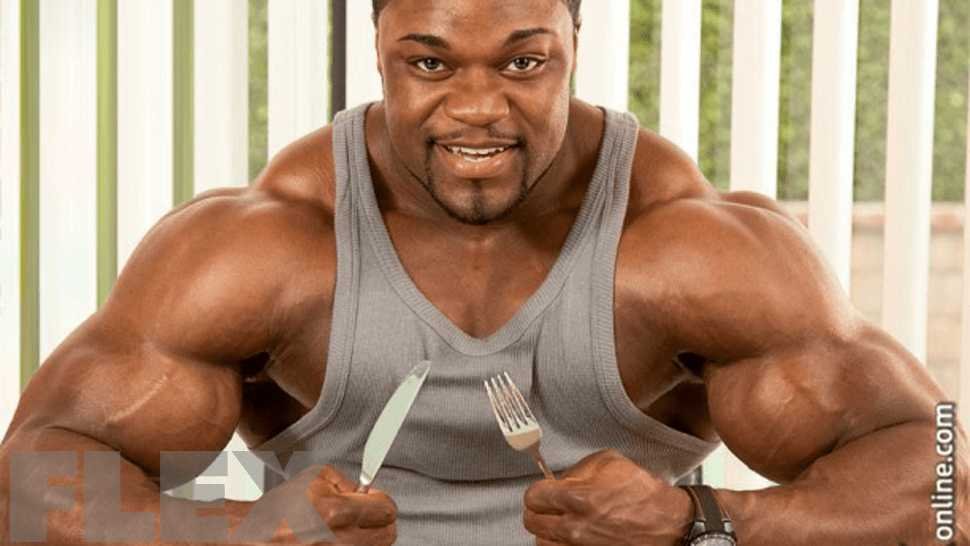
A good beginner meal plan for muscle gain revolves around balanced, protein-rich foods paired with healthy carbs and fats, ensuring your muscles get the fuel they need to grow. Consistency and proper portions make all the difference when starting out, helping you see progress without feeling overwhelmed. For beginners, focusing on whole foods like lean meats, eggs, dairy, vegetables, fruits, nuts, and whole grains can lay a solid foundation for building muscle effectively.
In short, a muscle-gain meal plan should prioritize high-quality protein sources, include moderate carbs to fuel workouts, and incorporate healthy fats. Staying consistent, eating enough calories, and managing portion sizes are key to seeing results while enjoying your meals.
Starting your muscle-building journey can feel daunting, but having a simple, effective meal plan makes all the difference. When you’re new to lifting or nutrition, knowing what to eat can be confusing, but focusing on whole, nutrient-dense foods will help you maximize gains and stay energized. This plan is easy to follow and adaptable, making it perfect for beginners eager to see progress while still enjoying their food.

What is a good beginner meal plan for muscle gain?
Starting a meal plan for muscle gain can be exciting but also overwhelming. It is important to focus on the right foods and portion sizes to support muscle growth effectively. Making smart choices early helps build a strong foundation for your fitness journey.
Understanding Your Calorie Needs for Muscle Gain
To gain muscle, you need to consume more calories than your body burns daily. This creates a calorie surplus, which supplies energy for muscle repair and growth. Calculating your Total Daily Energy Expenditure (TDEE) helps determine how many calories you should eat.
Use online calculators to estimate your TDEE based on age, weight, height, and activity level. Add approximately 250 to 500 calories to that number to start gaining muscle without gaining excess fat.
Macronutrients: Balancing Proteins, Carbohydrates, and Fats
Protein
Protein is essential for muscle repair and growth. Aim for about 1.2 to 2.0 grams of protein per kilogram of body weight daily. Good sources include chicken, turkey, lean beef, eggs, dairy, fish, and plant-based options such as beans and tofu.
Carbohydrates
Carbohydrates provide the energy needed for workouts. Include complex carbs like brown rice, oats, whole wheat bread, and sweet potatoes. These carbs provide sustained energy and help replenish glycogen stores.
Fats
Healthy fats support hormone production and overall health. Incorporate sources like nuts, seeds, avocados, and olive oil. Fats should make up about 20-30% of your daily calorie intake.
Sample Daily Meal Plan for Beginners
| Meal | Food Choices | Approximate Calories |
|---|---|---|
| Breakfast | Oatmeal with berries and a boiled egg | 400 |
| Mid-Morning Snack | Greek yogurt with nuts | 300 |
| Lunch | Grilled chicken with brown rice and steamed broccoli | 600 |
| Afternoon Snack | Apple with peanut butter | 250 |
| Dinner | Baked salmon, roasted sweet potatoes, mixed vegetables | 700 |
| Evening Snack | Cottage cheese with sliced almonds | 200 |
| Total | approx. 2,500 |
This meal plan provides a balanced approach, emphasizing protein intake, healthy fats, and complex carbs essential for muscle growth.
Meal Timing and Frequency
Eating every 3 to 4 hours can help maintain energy levels and supply your muscles with a steady stream of nutrients. Incorporate 4 to 6 small meals throughout the day, which aids in better digestion and sustained muscle repair.
Don’t forget to include a source of protein with each meal. Pre- and post-workout nutrition are especially important for maximizing muscle gains.
Hydration and Its Role in Muscle Growth
Staying well-hydrated supports muscle function and recovery. Aim to drink at least 8 glasses of water daily, more if you sweat heavily during workouts. Proper hydration also helps prevent fatigue and improves overall performance.
Snack and Supplement Ideas for Beginners
Healthy Snacks
- Hard-boiled eggs
- Mixed nuts and seeds
- Fresh fruit with nut butter
- Protein smoothies with banana and spinach
Supplements to Consider
- Whey protein powder for convenient protein intake
- Creatine to enhance strength and muscle size
- BCAAs to support recovery during workouts
- Multi-vitamins to fill nutritional gaps
Adjusting Your Meal Plan Over Time
As you progress, monitor your weight, strength, and how your body responds. Gradually increase your calorie intake if muscle gain plateaus. Also, adjust your macronutrient ratios based on your evolving fitness goals.
Tracking your food intake with apps can help ensure consistency and accuracy. Be patient and give your body time to adapt to your new eating habits.
Additional Tips for Beginners
- Prioritize whole foods over processed options
- Maintain variety to prevent boredom and ensure nutrient diversity
- Pair your meals with strength training routines for best results
- Limit sugary drinks and snacks that can hinder muscle gains
Remember, building muscle takes time and effort. A consistent, well-balanced meal plan coupled with regular training is key to seeing progress.
How To Build Muscle For $8/Day (Budget Friendly Meal Prep)
Frequently Asked Questions
What types of foods should I include in my meal plan to support muscle growth?
Focus on incorporating lean proteins like chicken, turkey, fish, eggs, and plant-based options such as beans and tofu. Include complex carbohydrates such as brown rice, oats, sweet potatoes, and whole-grain bread. Don’t forget healthy fats from sources like avocados, nuts, seeds, and olive oil. Eating a variety of these nutrient-dense foods provides the building blocks your muscles need to grow and recover effectively.
How often should I eat to maximize muscle gain as a beginner?
Eat regularly throughout the day, aiming for five to six smaller meals or snacks. This approach provides a continuous supply of nutrients and energy to your muscles, helps prevent hunger, and supports consistent calorie intake. Spacing meals every 2-3 hours ensures your body has a steady stream of fuel for muscle repair and growth.
What portion sizes are appropriate for someone starting a muscle-building meal plan?
Portion sizes should align with your individual calorie needs, which depend on your current weight, activity level, and goals. As a beginner, focus on balancing your plate with adequate protein, carbs, and healthy fats. A general guideline includes approximately 20-30 grams of protein per meal, along with enough carbs to fuel workouts and support recovery. Consulting a nutritionist can help tailor portion sizes specifically to your needs.
Can I include supplements in my beginner meal plan for muscle gain?
Supplements can complement your diet if used appropriately, but they should not replace whole foods. As you start, prioritize getting nutrients from diverse, wholesome foods. Protein powders, creatine, and amino acids may be useful to support your efforts, but always check with a healthcare professional before adding new supplements to ensure they fit your health picture and goals.
What hydration strategies support muscle development for beginners?
Stay well-hydrated by drinking water consistently throughout the day, especially around workouts. Proper hydration helps optimize muscle function, aids in recovery, and prevents dehydration-related fatigue. Aim for at least 8-10 glasses of water daily, and increase intake if you sweat heavily during exercise or in hot environments.
Final Thoughts
A good beginner meal plan for muscle gain focuses on balanced nutrition, including lean proteins, complex carbs, and healthy fats. Incorporate foods like chicken, fish, oats, and nuts to support muscle growth and recovery.
Eat regularly, aiming for 4-5 small meals daily to maintain energy levels. Stay consistent and adjust portions as your training intensity increases.
In conclusion, what is a good beginner meal plan for muscle gain? Prioritize nutrient-dense foods, stay consistent, and listen to your body’s needs. This approach sets a strong foundation for gaining muscle effectively.
As an Amazon Associate, We earn from qualifying purchases. When you purchase a product through Amazon links on pulsefitguide.com, we may earn a small commission at no extra cost to you. This helps support the site and keep our content free.