


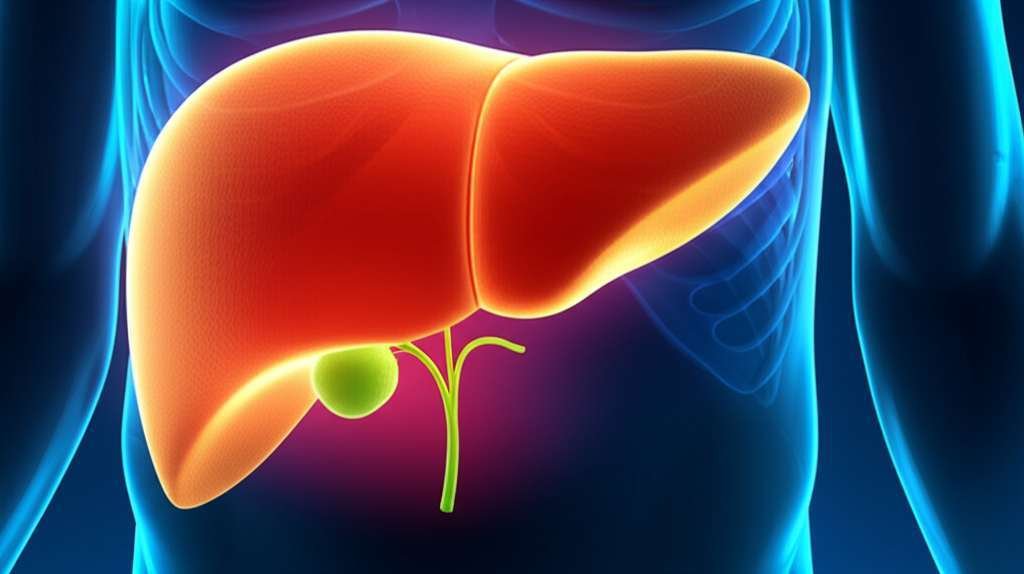
Quick Summary: Feeling tired or having tummy troubles? These could be signs of a fatty liver. But don’t worry! Simple lifestyle changes like moving more and eating healthy can make a huge difference. Let’s get you feeling great!
Hey There, Fitness Friend!
Feeling a bit off lately? Maybe tired all the time or just not feeling your best? It’s easy to brush these things off, but sometimes our bodies are trying to tell us something important. You don’t need complicated plans to feel good. We’re going to break down something super important in a way that makes total sense. Let’s get ready to feel energized and in control of your health!
What’s This “Fatty Liver” Thing?
So, you’ve heard the term “fatty liver” and wondered what it means. It sounds a little scary, right? But here’s the cool part: it’s more common than you think, and it’s often something we can tackle with simple, positive changes. Think of your liver as your body’s amazing cleanup crew. When too much fat builds up there, it can slow down its work.
The “shocking truth” isn’t about being scared; it’s about being empowered with knowledge! Knowing the signs helps you take action early. It’s like spotting a little speed bump on your road to feeling awesome. We can navigate it together!
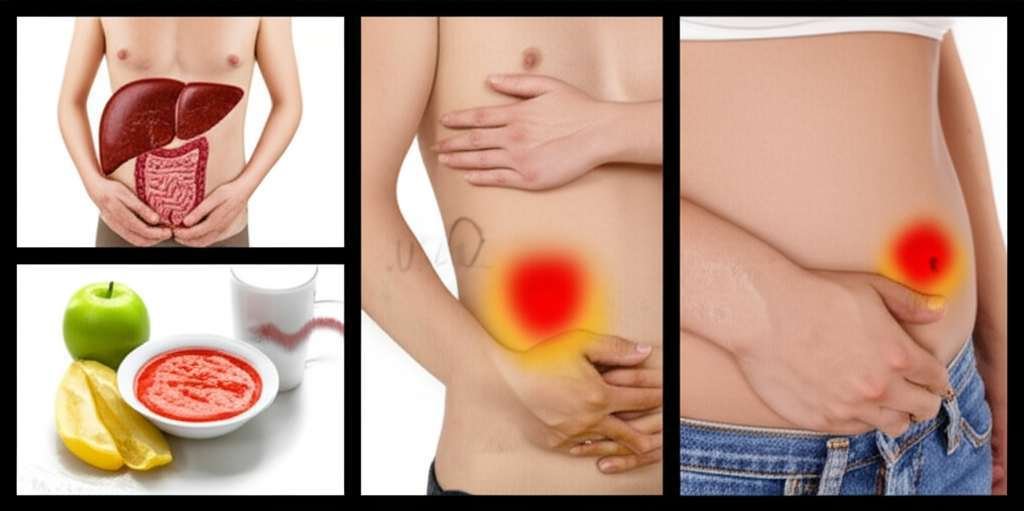
Spotting the Signs: Your Body’s Signals
Your body is super smart and often gives us clues when something’s up. The key is learning to listen. For fatty liver, there are a few common signals that pop up. They aren’t always obvious, but once you know what to look for, you’ll be able to connect the dots.
Sign #1: That Persistent Tiredness
Ever feel like you’ve hit a wall, even after a good night’s sleep? This constant fatigue can be a big sign. Your liver plays a huge role in processing energy from food. When it’s overloaded with fat, it can’t do its job as efficiently. This means your body might not be getting the energy it needs, leaving you feeling drained.
Think about it: if your car’s engine isn’t running smoothly, it won’t perform at its best. Your liver is like that engine for your body! When it’s working overtime to deal with excess fat, it can make you feel sluggish and just plain tired.
Sign #2: The Unexplained Tummy Troubles
Is your stomach feeling a bit… off? Things like bloating, discomfort, or even a dull ache in your upper right belly area can be clues. This is where your liver hangs out, and when it’s enlarged or inflamed due to fat buildup, it can cause these sensations.

It’s not always a sharp pain, but more of a persistent feeling of fullness or pressure. Sometimes, it might feel like indigestion that just won’t go away. Pay attention to these signals; they are your body’s way of saying, “Hey, let’s check things out!”
Sign #3: Unexpected Weight Changes or Difficulties
This one might sound a bit backward, but sometimes unexplained weight gain or the struggle to lose weight can be linked to fatty liver. When your liver isn’t processing fats and sugars properly, it can affect your metabolism. This can make it harder for your body to burn fat and easier to store it.
Have you found yourself working out and eating fairly well, but the number on the scale isn’t budging? Or maybe you’ve noticed a bit of a belly pooch that wasn’t there before? These changes, especially when combined with other signs, are worth exploring.
Putting the Signs Together
It’s important to remember that these signs can also be caused by many other things. That’s why it’s always a good idea to chat with your doctor if you’re concerned. They can help you figure out exactly what’s going on.
But by being aware of these three key signals – that constant tiredness, those tummy troubles, and those tricky weight changes – you’re taking a big step in understanding your body better. Knowledge is power, and in this case, it’s power to make healthy choices!
Let’s Get Moving: Your Action Plan!
Okay, so we know the signs. Now, what can we do about it? The great news is that the best ways to help your liver are also fantastic for overall fitness and fat burning! It’s a win-win situation. We’re going to focus on simple, fun activities that you can easily fit into your day.
Step 1: Embrace the Power of Movement
Moving your body is one of the most effective ways to help your liver. Exercise helps your body use up fat for energy and improves how your body handles sugar. You don’t need to run a marathon tomorrow! Small, consistent steps make a huge difference.
Start with Walking: Aim for a brisk 30-minute walk most days of the week. Put on your favorite playlist or a podcast and just enjoy the fresh air!
Add Some Fun: Think about activities you actually enjoy. Dancing in your living room? A bike ride? Playing with your kids or pets outdoors? That counts as great exercise!
Consistency is Key: Even 10-15 minutes a day is better than nothing. Try to build it into your routine, like a morning walk before breakfast or an evening stroll after dinner.
Step 2: Fuel Your Body with Goodness
What you eat plays a massive role. We’re not talking about strict diets here. It’s about making smarter, healthier food choices more often. Focus on whole, unprocessed foods that give your body the nutrients it needs.
Load Up on Veggies and Fruits: Aim to fill half your plate with colorful vegetables and fruits at every meal. They are packed with vitamins, minerals, and fiber.
Choose Lean Proteins: Think chicken, fish, beans, and lentils. Protein helps you feel full and supports muscle growth.
Healthy Fats are Your Friends: Avocados, nuts, seeds, and olive oil are great! They help your body function and can be very satisfying.
Watch the Sugary Stuff: Cut back on sugary drinks, processed snacks, and desserts. These can really add up and contribute to fat buildup.
Hydrate, Hydrate, Hydrate: Drink plenty of water throughout the day. It’s essential for everything your body does, including helping your liver!
Step 3: Make Sleep a Priority
Getting enough quality sleep is crucial for your liver and your overall health. When you sleep, your body repairs itself. Aim for 7-9 hours of good sleep each night.
Create a Relaxing Bedtime Routine: Wind down before bed. Read a book, take a warm bath, or do some gentle stretching.
Keep Your Bedroom Dark and Cool: This helps signal to your body that it’s time to rest.
Limit Screen Time Before Bed: The blue light from phones and computers can interfere with sleep.
Fat-Burning Fun: Your Workout Menu
Let’s look at some simple ways to get your heart pumping and burn fat. Remember, the best workout is the one you’ll actually do!
| Workout Type | What It Is | How It Helps | Beginner Tip |
|---|---|---|---|
| Brisk Walking | Walking at a pace that makes you breathe a little harder. | Great for burning calories, improving heart health, and is easy on joints. | Start with 20 minutes, 3 times a week. Gradually increase time and pace. |
| Bodyweight Strength | Exercises using your own body weight for resistance (like squats, push-ups on knees, lunges). | Builds muscle, which boosts your metabolism to burn more fat even at rest. | Try 2-3 sets of 8-10 reps for exercises like squats and modified push-ups. |
| Dancing | Moving your body to music! | A fun way to get your heart rate up and burn calories while boosting your mood. | Put on your favorite upbeat songs and dance for 15-20 minutes! |
| Stair Climbing | Walking up and down stairs. | A fantastic cardio workout that also strengthens your legs and glutes. | Use stairs at home or find a safe set of stairs in a park for 10-15 minutes. |
Simple Swaps for a Healthier Liver
Making small changes to your diet can have a big impact. Here are some easy swaps you can make starting today!
- Instead of sugary sodas, try sparkling water with a squeeze of lemon or lime.
- Swap white bread for whole-wheat bread or other whole grains.
- Choose baked or grilled chicken and fish instead of fried options.
- Snack on a handful of nuts or a piece of fruit instead of chips or cookies.
- Add a side salad or extra veggies to your lunch and dinner.
Your Daily Feel-Good Routine
Here’s a simple routine to help you get started. Remember, it’s about progress, not perfection!
- Morning: Start your day with a big glass of water. Do 5-10 minutes of gentle stretching or a short walk.
- Mid-day: Eat a balanced lunch. Try to include plenty of vegetables. Take a short walk during your break if possible.
- Evening: Enjoy a healthy dinner. Aim to finish eating a couple of hours before bedtime.
- Before Bed: Relax and wind down. Aim for 7-9 hours of sleep.
Common Mistakes to Dodge
It’s easy to stumble when starting something new. Here are a few common pitfalls to watch out for on your fitness journey:
- Trying to do too much too soon: This can lead to burnout and injury. Start slow and build up gradually.
- Being too hard on yourself: Everyone has off days. Don’t let one slip-up derail your progress. Just get back on track with your next meal or workout.
- Skipping meals: This can actually slow down your metabolism. Eat regular, balanced meals.
- Ignoring how you feel: Listen to your body! If you’re in pain, rest. If you’re feeling extremely tired, it might be time for a rest day.
- Focusing only on the scale: Weight is just one measure of progress. Pay attention to how your clothes fit, your energy levels, and how strong you feel!
Frequently Asked Questions (FAQ)
Q: How long does it take to burn fat and see results?
A: Great question! It varies for everyone, but you can start feeling more energetic in just a few weeks with consistent effort. Visible changes usually start showing in 1-3 months. The key is to be patient and celebrate every little win along the way!
Q: What’s the best time to work out?
A: The best time is whenever you can actually do it consistently! Some people love morning workouts to get them energized for the day. Others prefer evenings to de-stress. Find what fits your schedule and makes you feel good.
Q: Do I need a gym to lose weight or get healthy?
A: Absolutely not! You can get amazing results with home workouts, walking, bodyweight exercises, and making healthy food choices. A gym can be helpful, but it’s definitely not a requirement for success.
Q: How can I stay motivated every day?
A: Motivation can be tricky! Try setting small, achievable goals, finding a workout buddy, rewarding yourself for milestones, and reminding yourself why* you started. Also, remember that consistency is more important than motivation – just show up for yourself!
Q: What should I eat before or after exercise?
A: Before exercise, a small, easily digestible snack like a banana or a handful of almonds can give you energy. After exercise, focus on a meal or snack with protein and carbs to help your muscles recover, like yogurt with fruit or chicken with sweet potato.
Q: How much water should I drink daily?
A: A good general guideline is about 8 glasses (64 ounces) of water a day, but it can vary based on your activity level and climate. Listen to your body – if you’re thirsty, drink up!
Q: How many rest days should I take?
A: Rest days are super important for muscle repair and preventing burnout. Aim for 1-2 rest days per week, especially when you’re starting out. Your body will thank you!
You’ve Got This!
Feeling informed is the first step to feeling better. Remember those three signs – fatigue, tummy troubles, and tricky weight changes – are signals, not sentences. By embracing movement, nourishing your body with good food, and prioritizing rest, you’re doing amazing things for your liver and your overall health.
This isn’t about being perfect; it’s about making progress, one healthy choice at a time. Keep that energy high, celebrate your efforts, and know that you are capable of achieving your fitness goals. You’ve got this – one step, one day at a time!
As an Amazon Associate, We earn from qualifying purchases. When you purchase a product through Amazon links on pulsefitguide.com, we may earn a small commission at no extra cost to you. This helps support the site and keep our content free.
