


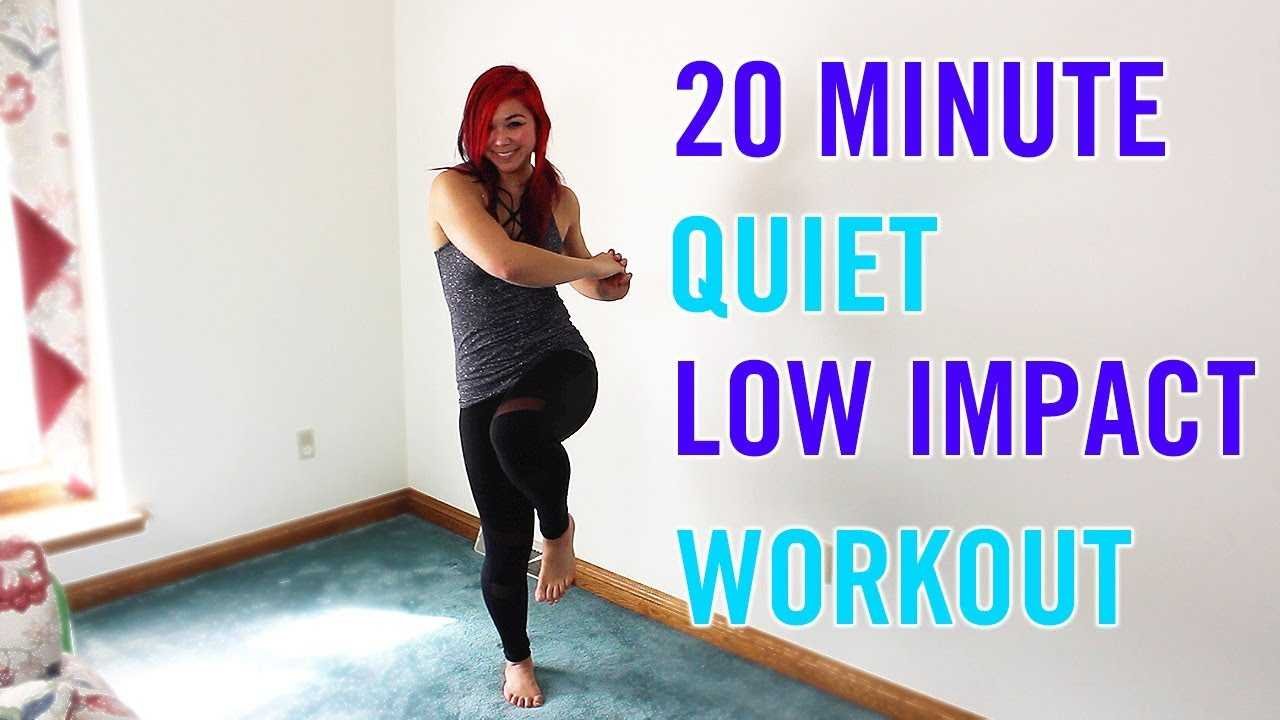
Looking for ways to stay fit without disturbing your neighbors or family in a tiny apartment? Quiet workouts are the perfect solution for small spaces—allowing you to exercise effectively without noise or heavy equipment. These routines typically involve low-impact movements, bodyweight exercises, or gentle yoga that are easy to do in limited areas. They help you stay active, reduce stress, and improve fitness while maintaining peace in your home.
In summary, quiet workouts for small spaces include exercises like yoga, Pilates, bodyweight routines, and stretching that produce minimal noise and require little to no equipment. They’re ideal for those living in tight quarters who want to stay motivated and healthy without disturbing others.
Living in a small space doesn’t mean you have to give up your fitness goals. Many effective, quiet workouts adapt perfectly to confined environments, whether you’re in an apartment, studio, or shared living situation. With just a few minutes a day, you can boost your energy and strength without loud thuds or noisy equipment. The key is choosing gentle, space-efficient activities that can be done quietly while still delivering real benefits. From calming yoga flows to simple bodyweight exercises, there are plenty of options to keep your routine active and enjoyable without sacrificing peace.

What Are Quiet Workouts for Small Spaces?
If you live in a small apartment or have limited space at home, working out can sometimes feel challenging. You might worry about disturbing your neighbors or disturbing others in your household. That’s where quiet workouts for small spaces come in. These exercises are designed to be effective without creating loud noises or requiring large equipment.
Benefits of Quiet Workouts in Small Spaces
Quiet workouts help you stay consistent with your fitness goals without worrying about noise. They are perfect for early mornings or late evenings when silence is appreciated. Additionally, these workouts often focus on bodyweight movements and low-impact exercises that protect your floors and furniture.
Another benefit is that quiet workouts usually require minimal equipment, making them accessible and easy to start. They also tend to be gentle on joints, ideal for beginners or those recovering from injuries. Overall, incorporating quiet workouts into your routine can boost your mental well-being and physical health.
Types of Quiet Exercises Suitable for Small Areas
Bodyweight Exercises
- Squats
- Push-ups
- Lunges
- Planks
- Bird-dogs
Bodyweight exercises are silent and highly effective. They target multiple muscle groups without making noise, and you can perform them anywhere.
Yoga and Stretching
- Sun Salutations
- Pigeon Pose
- Child’s Pose
- Seated Forward Bend
- Cat-Cow Stretch
Yoga promotes flexibility and relaxation. It’s perfect for small spaces because it requires only a mat and minimal movement.
Isometric Exercises
- Wall Sit
- Glute Bridge Hold
- Plank Variations
- Superman Hold
Isometric exercises involve holding a static position to tighten muscles. They are quiet and can be done discreetly anywhere in your home.
Low-Impact Cardio Options for Small Spaces
Plié Squats and Gentle Marching
This type of cardio involves slow, controlled movements that increase your heart rate quietly. Plié squats, for example, are performed with a wide stance and are gentle on the joints.
Seated Aerobics
Seated exercises involve bouncing or moving while sitting on a chair, making them ideal for small, shared spaces. These can include seated leg lifts, arm raises, and torso twists.
Dance and Movement Routines
Light dance routines or simple movement patterns can be done softly, especially with music at a low volume. Focus on slow, controlled movements instead of jumping or stomping.
Equipment-Free Quiet Workouts
Resistance Bands
Resistance bands are compact, affordable, and produce minimal noise. They add intensity to workouts like bicep curls, rows, and leg presses without disturbing neighbors.
Foam Rollers and Exercise Balls
Foam rollers help with stretching and muscle recovery silently. Exercise balls can be used for balance training and core workouts, keeping movements smooth and quiet.
Minimal Equipment Workouts
Use household items like chairs for step-ups or tables for incline push-ups to increase exercise variety without making noise.
Tips for Maintaining Quiet Workouts in Small Spaces
- Perform movements slowly and with control to avoid noise and protect your floors.
- Choose soft flooring or add yoga mats or carpets to reduce impact noise.
- Use headphones or a speaker at low volume if you want music during your workout.
- Be mindful of your surroundings and avoid high-impact jumps or stomping.
- Incorporate breathing exercises and meditation to complement your physical routine quietly.
Creating a Quiet Workout Environment
Designating a corner or small area for exercise can help you stay organized and motivated. Add soft mats, plants, and calming lighting to make this space inviting and peaceful. Keeping your workout area clutter-free minimizes distractions and noise.
Incorporating Quiet Workouts into Daily Routine
Short sessions throughout the day can be more manageable and less noisy. For example, doing five-minute stretches in the morning, a quick yoga flow during lunch, and a few strength moves in the evening creates a balanced routine. Consistency is key, even if workouts are brief.
Additional Resources for Quiet Workouts
Many apps and online videos specialize in low-impact, quiet exercises. Search for beginner-friendly yoga, Pilates, or gentle cardio routines designed specifically for small spaces. These resources often include modifications to suit all fitness levels.
Quiet workouts for small spaces prove that you don’t need a gym or loud equipment to stay active. They emphasize mindful movement, low-impact exercises, and creative use of space and household items. Incorporating these routines can help you stay healthy and stress-free without disturbing others around you.
Quiet Cardio 🤫 (apartment-friendly)
Frequently Asked Questions
What types of exercises are suitable for small, quiet spaces?
Activities like yoga, Pilates, bodyweight exercises, and stretching routines work well in small areas without creating noise. These exercises focus on slow, controlled movements, which keep sound levels low and require minimal space.
How can I minimize noise while working out in a tight space?
Use soft mats or carpets to absorb impact, avoid loud jumping or bouncing movements, and opt for silent equipment like resistance bands or small weights. Performing exercises at a moderate pace also helps keep noise levels down.
Are there any equipment options for quiet workouts in limited space?
Yes, resistance bands, small dumbbells, and stability balls are excellent choices. These items generate minimal noise and are easy to store, making them perfect for workouts in confined areas.
What are some tips for staying motivated to exercise quietly at home?
Set clear goals, create a dedicated workout space, listen to calming music at low volume, and schedule regular sessions. Keeping a workout journal or tracking progress also helps maintain motivation without disturbing others.
Final Thoughts
Quiet workouts for small spaces include activities like yoga, Pilates, and bodyweight exercises. These routines require minimal equipment and create little noise, making them perfect for confined areas.
Opt for quick sessions such as stretching or resistance training, which can fit into busy schedules. Incorporate quiet movements to stay active without disturbing others.
In conclusion, quiet workouts for small spaces provide effective ways to stay fit while respecting your environment. Focus on these silent exercises to maintain your fitness routine comfortably.
As an Amazon Associate, We earn from qualifying purchases. When you purchase a product through Amazon links on pulsefitguide.com, we may earn a small commission at no extra cost to you. This helps support the site and keep our content free.
