


To lose 3 kgs by walking, focus on consistent daily walks of 30-60 minutes at a brisk pace, combined with mindful eating. Aim for 7,000-10,000 steps daily, adjusting intensity and duration as you progress. This guide provides a simple, step-by-step plan to achieve your weight loss goal through effortless walking and healthy habits.
Feeling confused about how to shed those extra kilos? You’re not alone! Many people find weight loss a puzzle, with conflicting advice everywhere. But what if I told you a simple, enjoyable activity could be your secret weapon? Walking is one of the most accessible and effective ways to start your weight loss journey. It’s gentle on your body, easy to fit into your day, and doesn’t require expensive equipment.
This guide is designed to make losing 3 kgs through walking feel effortless. We’ll break down exactly what you need to do, step by step, in a way that’s easy to understand and follow. Get ready to discover how consistent walking can transform your body and boost your confidence, all without feeling like a chore. Let’s get started on making weight loss simple and achievable!
Understanding Weight Loss: The Simple Science
Losing weight boils down to a simple principle: burning more calories than you consume. This is often called creating a “calorie deficit.” When your body uses more energy (calories) than it takes in through food and drinks, it starts to tap into stored fat for fuel, leading to weight loss. Even a small, consistent deficit can make a big difference over time.
For instance, losing 1 kilogram of fat requires burning approximately 7,700 calories. To lose 3 kgs, you’d need to create a deficit of around 23,100 calories. Walking is a fantastic way to contribute to this deficit because it burns calories and can be easily increased as you get fitter. It’s about making small, sustainable changes that add up.
How Walking Contributes to Calorie Deficit
Walking burns calories, and the number of calories burned depends on a few factors. These include your body weight, the intensity of your walk (how fast you’re going), and how long you walk. A heavier person will generally burn more calories than a lighter person walking the same distance at the same pace. Similarly, a brisk walk burns more calories than a leisurely stroll.
Think of it like this: every step you take uses energy. By increasing your daily steps and walking at a brisk pace, you’re increasing the amount of energy your body uses. This consistent energy expenditure helps create that crucial calorie deficit needed for weight loss. It’s a natural and healthy way to support your body’s fat-burning processes.
How Much Should I Walk to Lose 3 Kgs? The Step-by-Step Plan
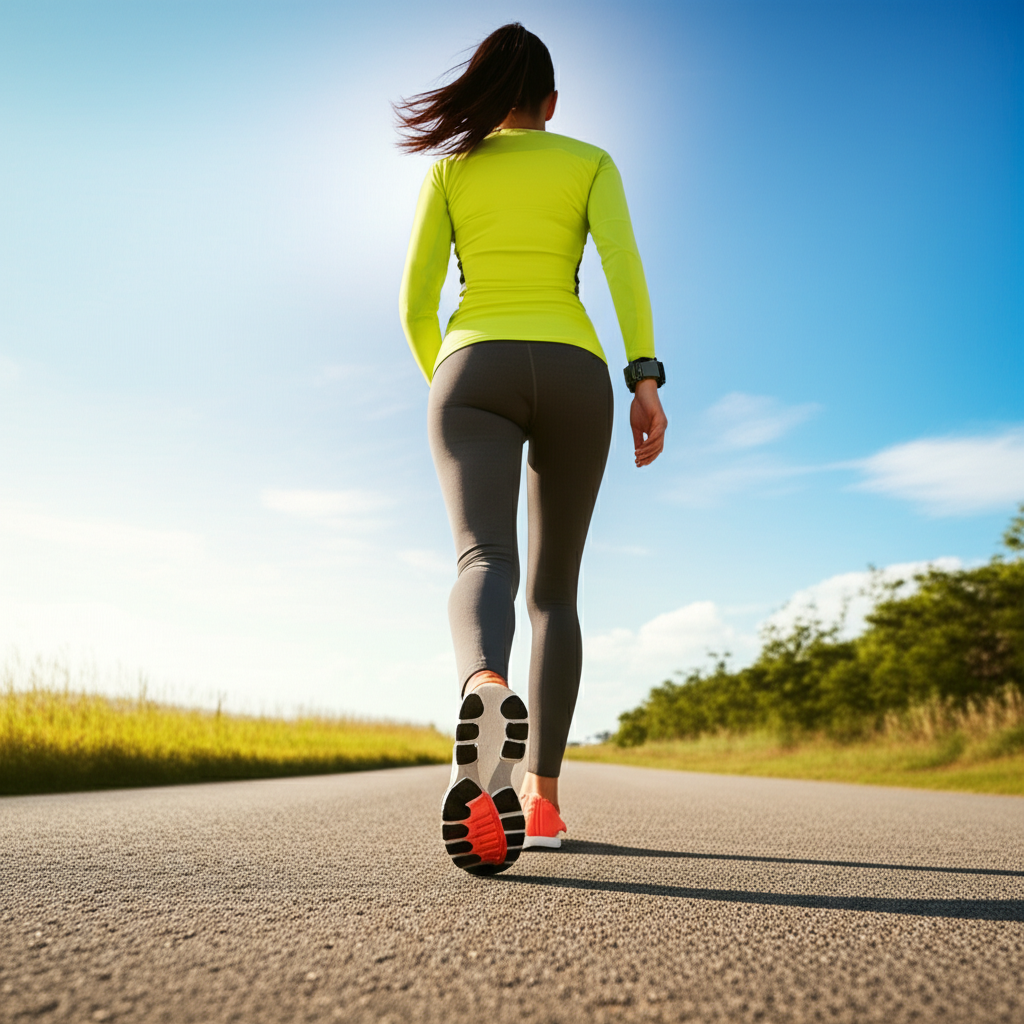
So, how much walking is enough to help you lose 3 kgs? It’s not just about distance; it’s about consistency and intensity. We’ll break this down into manageable steps to make it feel achievable. Remember, the goal is to build a sustainable habit, not to push yourself to exhaustion.
Step 1: Assess Your Starting Point
Before you lace up your shoes, it’s helpful to know where you’re starting. How active are you currently? Do you walk regularly? Using a pedometer or a fitness tracker app on your phone can give you a baseline of your daily steps. Many smartphones have built-in pedometers that track your activity throughout the day.
For example, if you currently walk around 3,000 steps a day, your goal will be to gradually increase that. If you’re already quite active, you might need to focus more on the intensity and duration of your walks rather than just the step count. Understanding your current habits helps us set realistic goals.
Step 2: Set Your Daily Step Goal
A common recommendation for general health and weight management is to aim for 10,000 steps per day. However, to actively work towards losing 3 kgs, you might need to aim a bit higher or ensure your steps are taken at a brisk pace. A good starting goal for weight loss could be to aim for 7,000-10,000 steps daily.
The key is to gradually increase your steps. If you’re starting from 3,000 steps, don’t jump straight to 10,000. Add 1,000 steps each week. This gradual increase helps your body adapt and prevents injury or burnout. Consistency is more important than hitting a high number every single day.
Step 3: Determine Your Walk Duration and Intensity
While step count is important, the duration and intensity of your walks also play a significant role in calorie burn. A brisk walk, where you can talk but not sing, is ideal for maximizing calorie expenditure. Aim for at least 30-60 minutes of brisk walking most days of the week.
If you can’t dedicate a full hour, break it up! Three 20-minute brisk walks throughout the day can be just as effective. The goal is to get your heart rate up and keep it elevated for a sustained period. This also improves cardiovascular health.
Step 4: Calculate Your Calorie Burn (Approximate)
Let’s look at a general idea of how many calories you might burn. This is an approximation, as individual calorie burn varies. The U.S. Department of Health and Human Services offers guidelines on physical activity and calorie expenditure.
For example, a person weighing 70 kg walking at a brisk pace (around 5.6 km/h or 3.5 mph) burns approximately 280-330 calories in 60 minutes. If you do this 5 times a week, that’s roughly 1400-1650 calories burned from walking alone.
Calorie Burn Estimates Per Hour of Brisk Walking (Approximate)
| Body Weight (kg) | Calories Burned per Hour (approx.) |
|---|---|
| 50 | 200-250 |
| 60 | 240-300 |
| 70 | 280-330 |
| 80 | 320-380 |
| 90 | 360-430 |
Remember, these are estimates. You can use online calculators or fitness trackers for more personalized estimates. The important takeaway is that consistent, brisk walking contributes significantly to your calorie deficit.
Step 5: Integrate Walking into Your Routine
Making walking a habit is key. Look for opportunities to walk more throughout your day. This could mean parking further away from your destination, taking the stairs instead of the elevator, or going for a walk during your lunch break. Small changes add up!
Here are some practical ways to add more steps:
- Morning Walk: Start your day with a 20-30 minute walk before breakfast.
- Lunchtime Stroll: Use part of your lunch break for a brisk walk.
- Evening Walk: Unwind after dinner with a family walk.
- Active Commute: If possible, walk or bike part of your commute.
- Weekend Adventures: Explore local parks or trails for longer walks.
Step 6: Combine Walking with Mindful Eating
While walking is powerful, combining it with healthier food choices will accelerate your progress. You don’t need a restrictive diet, just a focus on nutrient-dense foods. This means increasing your intake of fruits, vegetables, lean proteins, and whole grains, while reducing processed foods, sugary drinks, and excessive unhealthy fats.
For example, swapping a sugary soda for water, a bag of chips for an apple, or a fried meal for grilled chicken with vegetables can significantly reduce your calorie intake without making you feel deprived. Focus on eating when you’re truly hungry and stopping when you’re comfortably full. This practice is known as mindful eating.
Step 7: Track Your Progress and Adjust
Monitor your weight loss, step count, and how you feel. Weigh yourself once a week, at the same time of day. If you’re not seeing the results you expect after a few weeks, you might need to increase the duration or intensity of your walks, or further refine your eating habits. Celebrate small victories along the way!
For instance, if you’ve been consistently walking 7,000 steps a day for two weeks and haven’t lost any weight, consider increasing your daily steps to 8,000 or adding an extra 10 minutes to your walks. Small adjustments can make a big difference.
The Benefits of Walking for Weight Loss
Walking offers a multitude of benefits beyond just calorie burning, making it an ideal choice for beginners and anyone looking for a sustainable weight loss method. Its simplicity and low impact are huge advantages.
Low Impact and Accessible
Unlike high-impact exercises like running, walking is gentle on your joints. This makes it suitable for people of all fitness levels, ages, and even those with certain physical limitations. You don’t need special training or equipment to start walking. All you need is a comfortable pair of shoes and a desire to move.
The Centers for Disease Control and Prevention (CDC) highlights walking as a great way to improve cardiovascular health and manage weight, emphasizing its accessibility for most people.
Improves Cardiovascular Health
Regular brisk walking strengthens your heart and lungs, improving blood circulation. This can lead to lower blood pressure, reduced risk of heart disease, and better overall stamina. A healthier cardiovascular system means your body becomes more efficient at using oxygen, which can indirectly help with energy levels and calorie burning.
Boosts Mood and Reduces Stress
Walking is a fantastic mood booster. Physical activity releases endorphins, which are natural mood lifters and pain relievers. It can help reduce stress, anxiety, and symptoms of depression. Taking a walk outdoors can also provide a much-needed mental break and fresh air, contributing to overall well-being.
Sustainable and Easy to Maintain
The biggest advantage of walking for weight loss is its sustainability. Because it’s enjoyable and not overly demanding, it’s easier to stick with long-term compared to more intense or restrictive programs. Building a consistent walking habit is the foundation for lasting weight management.
How to Maximize Your Walking Workouts
To get the most out of your walking sessions and speed up your 3 kg weight loss journey, consider these tips:
1. Invest in Good Footwear
Comfortable, supportive shoes are essential. They prevent blisters, reduce the risk of injury, and make your walks more enjoyable. Go to a reputable shoe store and get fitted for walking shoes if possible.
2. Vary Your Routes
Keep things interesting by exploring different paths. Walking in varied environments, like parks, trails, or even different neighborhoods, can prevent boredom and challenge your body in new ways. Some terrain, like hills, can also increase calorie burn.
3. Incorporate Intervals
To boost calorie burn and improve fitness, try incorporating interval training into your walks. This means alternating between periods of brisk walking and slightly slower recovery paces. For example, walk fast for 1 minute, then walk at a moderate pace for 2 minutes, and repeat.
4. Listen to Your Body
While consistency is key, it’s also important to listen to your body. If you feel pain, take a rest day. Pushing too hard can lead to injury, which will set you back. Rest and recovery are just as important as the exercise itself.
5. Stay Hydrated
Drink plenty of water throughout the day, especially before, during, and after your walks. Proper hydration is crucial for energy levels, muscle function, and overall health. It also helps with satiety, which can aid in weight management.
Sample Walking Schedule for 3 Kgs Weight Loss
Here’s a sample weekly schedule to help you reach your goal. Remember to adjust it based on your current fitness level and availability. This schedule assumes you are starting with moderate activity and aiming to increase your walking.
Week 1-2: Building the Foundation
- Monday-Friday: 30-minute brisk walk (aim for 7,000-8,000 steps).
- Saturday: 45-minute moderate-paced walk.
- Sunday: Rest or light activity (e.g., leisurely stroll).
Week 3-4: Increasing Intensity and Duration
- Monday-Friday: 40-minute brisk walk (aim for 8,000-9,000 steps), include 2-3 days of interval walking.
- Saturday: 60-minute brisk walk, perhaps with some inclines.
- Sunday: Rest or light activity.
Week 5-6: Reaching the Goal and Maintaining
- Monday-Friday: 45-minute brisk walk (aim for 9,000-10,000 steps), continue with interval training 2-3 times a week.
- Saturday: 60-75 minute varied walk (hills, faster pace).
- Sunday: Rest or light activity.
By the end of 6 weeks, with consistent walking and mindful eating, you can realistically aim to lose around 3 kgs. This schedule provides a framework, and you can always adjust the pace, duration, and frequency to suit your personal progress.
Frequently Asked Questions About Walking for Weight Loss
Here are answers to some common questions beginners have about using walking to lose weight:
Q1: How many calories does walking burn?
The number of calories burned varies based on your weight, pace, and duration. Generally, a 70kg person walking at a brisk pace for 60 minutes can burn around 280-330 calories. For more precise estimates, use a fitness tracker or an online calculator.
Q2: Is walking enough to lose 3 kgs?
Yes, walking can be enough to lose 3 kgs, especially when combined with a slight calorie deficit from your diet. Consistency is key. Aim for daily brisk walks of 30-60 minutes, alongside making healthier food choices, to effectively create the calorie deficit needed.
Q3: How fast do I need to walk?
You should aim for a “brisk” pace. This means you can talk but would find it difficult to sing. Your heart rate should be elevated. A brisk pace is typically around 5-6.5 kilometers per hour (3-4 miles per hour).
Q4: How long will it take to lose 3 kgs by walking?
Losing 3 kgs typically takes about 4-6 weeks with a consistent walking routine and mindful eating. This allows for a healthy and sustainable weight loss rate of about 0.5-1 kg per week. It depends on your starting weight, diet, and how consistently you walk.
Q5: What if I have knee pain? Can I still walk?
Yes, walking is often recommended for those with knee pain because it’s low-impact. Ensure you have supportive shoes and start with shorter, slower walks. If pain persists, consult a doctor or physical therapist. You might need to focus on walking on softer surfaces like grass or a track.
Q6: Should I walk every day?
While walking every day can be beneficial, it’s also important to allow your body rest and recovery. Aim for 5-6 days of walking per week. If you walk intensely, incorporating rest days is crucial to prevent overexertion and injury.
Q7: How do I stay motivated to walk?
Stay motivated by setting realistic goals, tracking your progress, finding a walking buddy, listening to music or podcasts, exploring new routes, and rewarding yourself for milestones. Remind yourself of the health benefits and how good you feel after a walk.
Conclusion: Your Effortless Journey to a Lighter You
Losing 3 kgs through walking is not just possible; it’s an achievable and enjoyable goal. By focusing on consistent, brisk walks, gradually increasing your daily step count, and pairing it with mindful eating, you’re setting yourself up for success. Remember, this journey is about building healthy, sustainable habits that benefit your entire well-being, not just your weight.
Walking is a powerful tool because it’s accessible, low-impact, and profoundly effective when done consistently. You don’t need extreme measures or complicated plans. Start where you are, take it one step at a time, and celebrate every small victory. Embrace the process, enjoy the movement, and look forward to the lighter, healthier, and more confident you!
As an Amazon Associate, We earn from qualifying purchases. When you purchase a product through Amazon links on pulsefitguide.com, we may earn a small commission at no extra cost to you. This helps support the site and keep our content free.
