

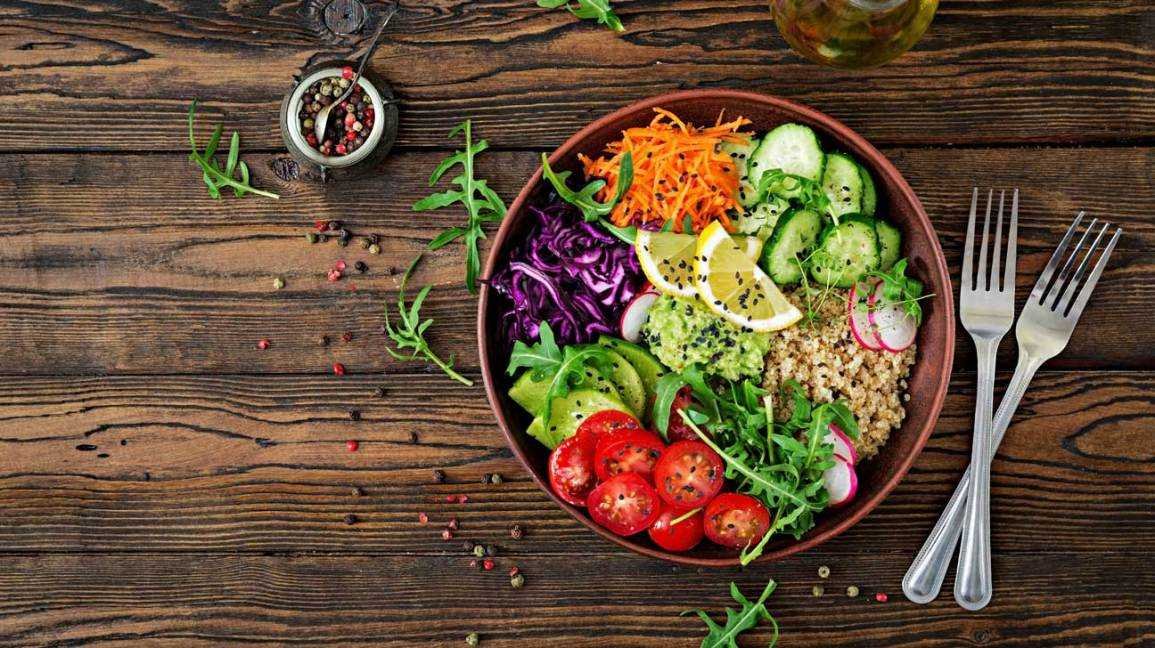
Looking for a delicious, balanced vegetarian meal plan that ensures you get all your essential nutrients without sacrificing flavor? A well-crafted weekly vegetarian meal plan can help you stay healthy, energized, and satisfied, all while enjoying a variety of tasty dishes. The key is incorporating a diverse range of vegetables, grains, legumes, nuts, and seeds to cover your protein, vitamins, and minerals needs. With a thoughtful plan, you won’t have to worry about nutritional gaps or repetitive meals—just vibrant, wholesome food that fuels your body. Whether you’re a vegetarian veteran or just exploring meatless options, this guide will give you practical ideas to create a complete, nutritious weekly menu that’s easy to follow and enjoyable.
A vegetarian weekly meal plan that includes a variety of plant-based foods can provide all necessary nutrients like protein, iron, calcium, and vitamin B12 through smart food combinations. It offers balanced meals that support overall health and cater to different taste preferences, making it easy to maintain a healthy lifestyle without meat. With this approach, you’ll enjoy delicious, nourishing meals every day while meeting your nutritional goals effortlessly.

Vegetarian Weekly Meal Plan with Complete Nutrition
Creating a Balanced Vegetarian Meal Plan
A well-planned vegetarian meal plan provides all essential nutrients you need for good health. It focuses on a variety of fruits, vegetables, grains, nuts, and legumes. This variety helps ensure your body gets enough protein, vitamins, and minerals every day.
Start by dividing your meals into breakfast, lunch, dinner, and snacks. Incorporate different food groups to prevent nutrient gaps. Remember, balance is key to maintaining energy levels and supporting overall well-being.
Key Nutrients in a Vegetarian Diet
Vegetarians need to pay attention to certain nutrients often found in animal products. These include protein, iron, calcium, vitamin B12, omega-3 fatty acids, and zinc.
To meet your needs:
- Opt for plant-based proteins like beans, lentils, tofu, and tempeh.
- Include leafy greens like spinach and kale for iron and calcium.
- Eat fortified foods or supplements for vitamin B12.
- Consume flaxseeds, chia seeds, and walnuts for omega-3s.
A diverse diet ensures you get these nutrients naturally or through fortified foods and supplements if necessary.
Sample Daily Meal Breakdown
Creating daily meal templates helps keep your diet varied and nutritious. Here’s a simple example:
Breakfast
- Oatmeal topped with fresh berries and chopped nuts
- Glass of fortified plant-based milk
Lunch
- Quinoa salad with chickpeas, cucumber, cherry tomatoes, and tahini dressing
- Side of sliced avocado
Dinner
- Vegetable stir-fry with tofu, broccoli, bell peppers, and brown rice
- Small mixed greens salad with lemon vinaigrette
Snacks
- Hummus with carrot and celery sticks
- Fresh fruit or a handful of mixed nuts
This plan provides a mixture of carbohydrates, healthy fats, and plant-based proteins with ample micronutrients.
Weekly Meal Planning Tips
To build your weekly vegetarian meal plan, consider these helpful tips:
Variety is Essential
Eat different vegetables, grains, and protein sources each week. This prevents boredom and ensures you get a broad spectrum of nutrients.
Meal Prep and Batch Cooking
Prepare larger quantities of grains and legumes to save cooking time during busy days. Store pre-cooked foods for quick assembly.
Incorporate Seasonal and Local Produce
Choose seasonal fruits and vegetables for better flavor and freshness. Local produce is often more affordable and nutrient-rich.
Balance Macronutrients
Aim for meals that contain a good balance of carbohydrates, proteins, and fats. This supports sustained energy and overall health.
Meal Planning for Special Dietary Needs
Some vegetarians may have additional dietary considerations like gluten intolerance or food allergies. Adjust your plan accordingly by:
- Replacing wheat-based products with gluten-free grains like rice or millet.
- Using allergy-friendly protein sources such as beans or lentil pasta.
- Ensuring you avoid cross-contamination in meal prep.
Consult with a dietitian for personalized guidance if you have specific health concerns or restrictions.
Smart Shopping for a Vegetarian Meal Plan
Effective shopping is key to maintaining your vegetarian diet successfully. Focus on:
- Buying in bulk dried beans and grains to save money.
- Choosing fresh, organic produce when possible.
- Reading labels to avoid processed foods high in sugar, salt, and unhealthy fats.
Create a shopping list based on your weekly meal plan to avoid last-minute trips and ensure you have all ingredients.
Sample Weekly Vegetarian Meal Plan Table
Here’s an example of a weekly meal plan table to help visualize your week:
| Day | Breakfast | Lunch | Dinner | Snacks |
|---|---|---|---|---|
| Monday | Chia pudding with fruit | Lentil soup with whole grain bread | Stir-fried vegetables with tofu | Almonds and apple slices |
| Tuesday | Whole wheat toast with avocado | Quinoa and black bean burrito bowl | Vegetable curry with rice | Carrot sticks and hummus |
Adjust recipes and ingredients based on your preferences and nutritional needs to keep your meal plan exciting.
Snack Ideas for a Vegetarian Diet
Snacks keep your energy steady throughout the day. Choose nutrient-dense options such as:
- Mixed nuts and seeds
- Fresh fruit like bananas, oranges, or berries
- Vegetable sticks with hummus or guacamole
- Whole grain crackers with nut butter
- Yogurt made from plant-based milk with added chia seeds
These options offer healthy fats, fiber, and protein to satisfy your hunger.
Adaptations for Different Lifestyles
Vegetarian meal plans can adapt to various lifestyles, whether you are busy with work, do fitness training, or have children. Prepare quick meals for busy days or hearty dishes for family dinners.
Incorporate portable snacks for on-the-go needs and batch cook meals on weekends for convenience. Flexibility helps maintain consistency and keeps your diet enjoyable.
Planning a vegetarian weekly meal plan with complete nutrition involves variety, balance, and thoughtful preparation. Focus on incorporating a wide range of plant foods to meet all your dietary needs. Keep experimenting with different recipes and ingredients to keep your meals exciting and nourishing. With proper planning, a vegetarian diet can support your health and provide delicious, satisfying meals every day.
The Ultimate High-Protein Vegetarian Meal Plan (60 gms) | High Protein Diet Plan – Dr. Hansaji
Frequently Asked Questions
What are some essential nutrients to include in a vegetarian weekly meal plan?
A well-rounded vegetarian weekly meal plan should include nutrients like protein from sources such as legumes, tofu, and nuts. Incorporate a variety of fruits and vegetables to ensure intake of vitamins and minerals like vitamin C, iron, and calcium. Whole grains provide fiber and energy, while plant-based fats from avocados and seeds support overall health. Including fortified foods or supplements can help cover nutrients that are harder to obtain from a vegetarian diet, such as vitamin B12.
How can I ensure my vegetarian meals meet my daily protein needs?
To meet daily protein requirements, include a diverse range of plant-based protein sources in your meals, such as lentils, chickpeas, quinoa, tempeh, and nuts. Combining different protein sources throughout the day ensures you get all essential amino acids. Incorporate protein-rich snacks like hummus with vegetables or nut butter on whole-grain bread to boost your intake and maintain energy levels.
What are some quick and nutritious vegetarian dishes for busy weekdays?
Quick vegetarian meals include stir-fries with tofu and vegetables, quinoa salads with mixed greens and beans, or wraps filled with hummus, vegetables, and cheese. Preparing ingredients in advance, like pre-cooking grains and chopping vegetables, helps assemble meals rapidly. These dishes provide balanced nutrition and fit easily into a busy schedule without sacrificing quality or health benefits.
How can I balance my meal plan to prevent nutritional deficiencies?
Balancing your meal plan involves including a variety of food groups each day. Incorporate different fruits, vegetables, grains, legumes, nuts, and seeds to cover a broad spectrum of nutrients. Regularly add fortified foods or supplements for nutrients like vitamin B12 and vitamin D if necessary. Monitoring portion sizes and nutrient intake helps avoid deficiencies and supports overall health.
Are there any specific foods I should limit in a vegetarian diet to promote better health?
Limit highly processed vegetarian foods, such as snack foods, fried items, and sugary desserts, to reduce intake of unhealthy fats and added sugars. Avoid excessive consumption of refined grains and trans fats, which can impact heart health. Instead, focus on whole, minimally processed plant-based foods to maintain balanced nutrition and promote long-term well-being.
Final Thoughts
A vegetarian weekly meal plan with complete nutrition provides a balanced approach to healthy eating. It ensures you get essential vitamins, minerals, and proteins without relying on animal products. By planning meals carefully, you enjoy variety and prevent nutritional gaps.
Consuming a mix of vegetables, legumes, grains, and dairy supports overall well-being. It encourages sustainable habits while satisfying taste buds. Following such a plan simplifies grocery shopping and meal prep, making healthy living easier.
In summary, a vegetarian weekly meal plan with complete nutrition promotes health and convenience. It offers a practical way to meet dietary needs while enjoying delicious, plant-based dishes.
As an Amazon Associate, We earn from qualifying purchases. When you purchase a product through Amazon links on pulsefitguide.com, we may earn a small commission at no extra cost to you. This helps support the site and keep our content free.