


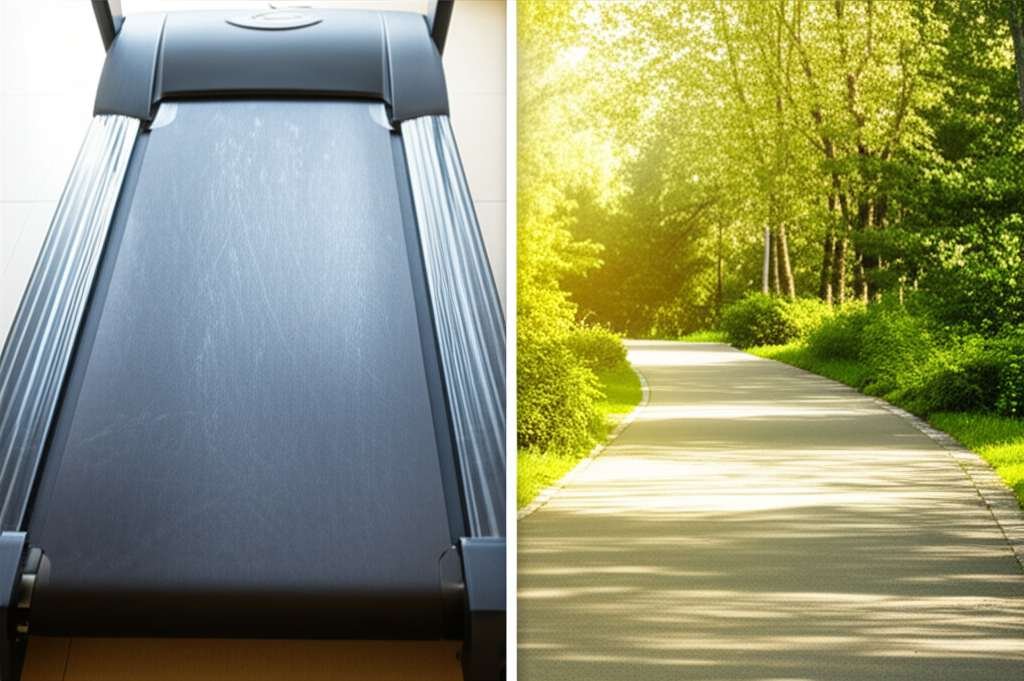
Quick Summary: For seniors, both treadmill and outdoor walking offer excellent benefits. Treadmills provide controlled safety and convenience, while outdoor walking offers fresh air and varied scenery. The “amazing choice” depends on individual needs, preferences, and health goals. Choose what you enjoy most and can stick with for consistent health improvements.
As we get older, staying active becomes more important than ever. It helps us keep our bodies strong, our minds sharp, and our spirits high. Two of the most popular and accessible ways to do this are walking on a treadmill and walking outdoors. You might be wondering which one is better for you. It’s a common question, and thankfully, there’s no single “right” answer!
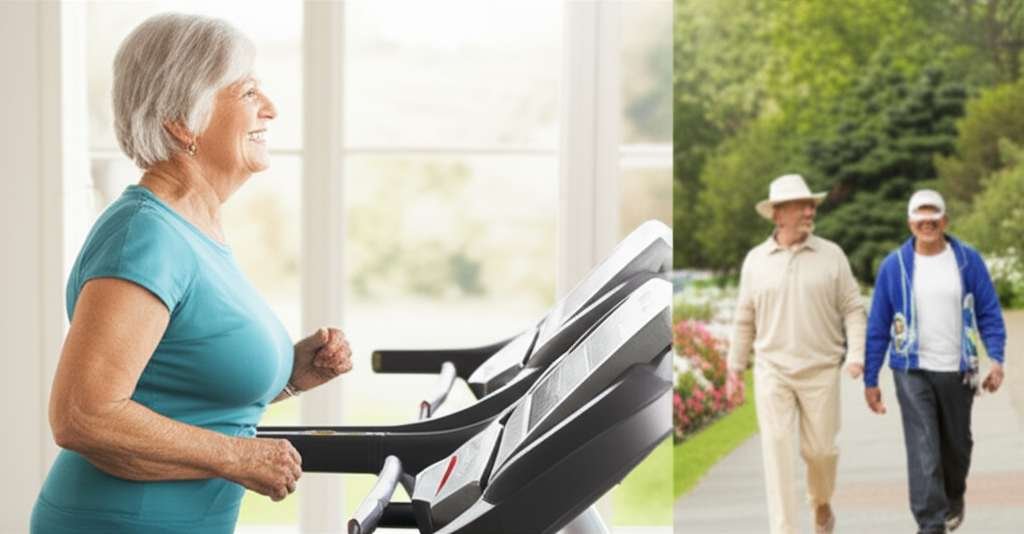
Both options have fantastic advantages, and the best choice is the one that fits your lifestyle and helps you feel your best. We’re going to break down the pros and cons of treadmill walking versus outdoor walking, especially for seniors, so you can make an informed and confident decision.
Treadmill vs Outdoor Walking For Seniors: An Amazing Choice for Health
Choosing between a treadmill and outdoor walking is a fantastic decision for any senior looking to boost their health and well-being. Both activities are excellent low-impact exercises that can significantly improve cardiovascular health, muscle strength, balance, and mood. The key is finding the option that best suits your personal circumstances, preferences, and any physical limitations.
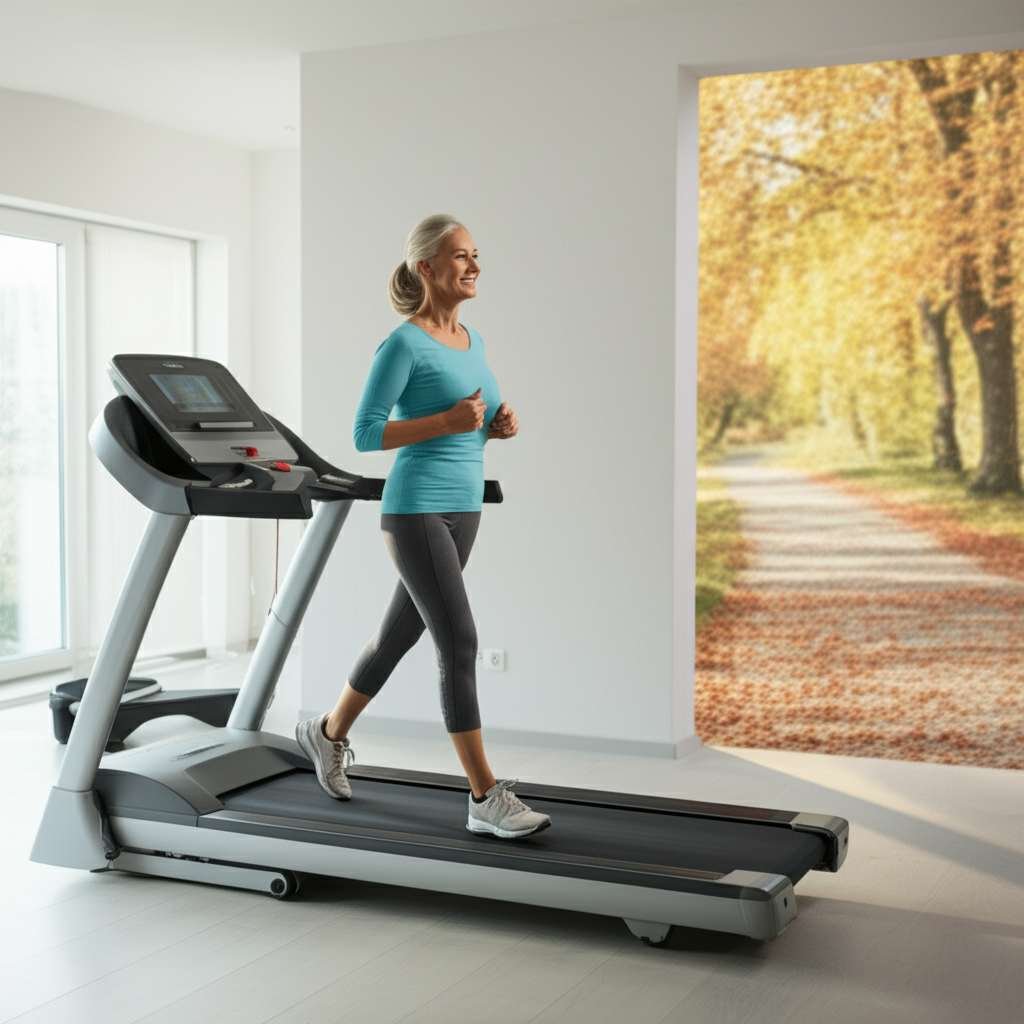
Let’s explore what each offers to help you decide which path to a healthier you is the most “amazing choice” for your unique situation.
The Case for Treadmill Walking
Treadmills offer a controlled and predictable environment for your walking workouts. This can be a major advantage for seniors, providing safety and convenience that outdoor walking might not always offer.
Benefits of Treadmill Walking for Seniors
- Safety and Predictability: Treadmills eliminate the risks associated with uneven surfaces, obstacles, weather conditions, and traffic. The flat, stable surface reduces the chance of trips and falls.
- Controlled Environment: You can set a specific speed, incline, and duration for your workout, allowing for precise control over intensity. This is ideal for rehabilitation or for those who need to monitor their exertion carefully.
- Convenience and Accessibility: No matter the weather outside – rain, snow, extreme heat, or cold – you can get your walk in. It’s also available anytime, fitting easily into your schedule without needing to travel to a park or trail.
- Built-in Features: Many treadmills come with features like heart rate monitors, pre-set programs, and calorie counters, which can help you track your progress and stay motivated.
- Reduced Impact: Modern treadmills often have cushioned decks that absorb shock, making them gentler on joints like knees and hips compared to walking on hard pavement.
Potential Downsides of Treadmill Walking
- Cost: Purchasing a good quality treadmill can be a significant investment. Gym memberships also incur ongoing costs.
- Monotony: Some individuals find walking in the same spot day after day to be boring, which can lead to a loss of motivation.
- Lack of Fresh Air and Scenery: You miss out on the natural environment, fresh air, and sunlight that many find invigorating.
- Space Requirements: Treadmills can take up a considerable amount of space in your home.
- Power Dependency: Treadmills require electricity to operate.
The Case for Outdoor Walking
Walking outdoors connects you with nature and provides a dynamic environment that can be incredibly beneficial for both physical and mental health. It’s a classic and beloved form of exercise for a reason.
Benefits of Outdoor Walking for Seniors
- Mental Health Boost: Exposure to sunlight helps your body produce Vitamin D, which is crucial for bone health and mood regulation. Being in nature has been shown to reduce stress, anxiety, and depression.
- Variety and Stimulation: New sights, sounds, and smells can make walking more engaging and less monotonous. Exploring different parks, neighborhoods, or trails can keep your routine fresh and exciting.
- Natural Terrain: Walking on varied outdoor surfaces, such as grass or trails, can help improve balance and proprioception (your body’s awareness of its position in space) more effectively than a flat treadmill.
- Fresh Air and Oxygen: Breathing in fresh, clean air can be invigorating and is generally better for your respiratory system than indoor air.
- Free and Accessible: The vast majority of outdoor walking is free. All you need are comfortable shoes and a safe place to walk.
- Social Opportunities: Walking with friends, joining a walking group, or simply interacting with people you meet can provide valuable social connection.
Potential Downsides of Outdoor Walking
- Weather Dependency: Unfavorable weather conditions like rain, snow, ice, extreme heat, or strong winds can make outdoor walking difficult or unsafe.
- Safety Concerns: Uneven sidewalks, potholes, traffic, and potential encounters with others can pose risks, especially for seniors with mobility issues.
- Inconsistent Surface: While beneficial for balance, uneven terrain can also increase the risk of trips and falls for some individuals.
- Pollution: In urban areas, air pollution can be a concern, especially for those with respiratory conditions.
- Limited Control: You have less control over the intensity of your workout unless you choose specific routes with hills or stairs.
Making Your Choice: Factors to Consider
The “amazing choice” between treadmill and outdoor walking isn’t about which is objectively superior, but which is the best fit for you. Here are some key factors to help you decide:
1. Health and Mobility Status
Your current health and how easily you move are primary considerations. If you have balance issues, are recovering from an injury, or have a condition that makes falls a significant risk, a treadmill might offer a safer starting point. For instance, the National Institute of Arthritis and Musculoskeletal and Skin Diseases (NIAMS) emphasizes that regular physical activity is crucial for seniors, but it must be done safely.
If you have good balance and mobility, outdoor walking can be a fantastic way to challenge yourself on varied terrain. However, even with good mobility, being aware of your surroundings outdoors is always important.
2. Weather and Climate
Do you live in an area with extreme weather for much of the year? If your climate is characterized by harsh winters, scorching summers, or frequent rain, a treadmill offers a reliable indoor alternative. If you live somewhere with mild, pleasant weather year-round, outdoor walking becomes much more appealing and practical.
3. Personal Preferences and Enjoyment
The most effective exercise is the one you actually do. Think about what you enjoy more. Do you like the predictability and comfort of your home, or do you crave the stimulation of being outside? Some people thrive on the quiet focus of a treadmill, while others feel energized by nature. Consider which activity you’re more likely to stick with long-term.
4. Accessibility and Convenience
How easy is it for you to access a treadmill? Do you have one at home, or is there a gym nearby with a membership you can afford? If a treadmill isn’t readily accessible, or if you prefer not to pay for one, outdoor walking is the most convenient and cost-effective option. Think about how much time you have and how much effort you want to put into getting to your exercise location.
5. Goals for Exercise
What do you hope to achieve with your walking routine? If your primary goal is precise control over your workout intensity for rehabilitation or specific training, a treadmill might be better. If you’re looking to improve mood, get fresh air, and enjoy a more varied experience, outdoor walking excels.
Here’s a table to help visualize the key differences:
| Feature | Treadmill Walking | Outdoor Walking |
|---|---|---|
| Safety | High (controlled, no external hazards) | Moderate to High (depends on environment, weather, personal caution) |
| Convenience | High (anytime, any weather) | Moderate (weather & daylight dependent) |
| Environment Control | High (speed, incline, duration) | Low (dependent on terrain, pace varies) |
| Mental Stimulation | Low (can be monotonous) | High (new sights, sounds, nature) |
| Physical Stimulation | Moderate (can simulate inclines) | High (varied terrain challenges balance) |
| Cost | High (purchase or membership) | Low (free) |
| Vitamin D/Sunlight | None | Yes |
| Social Interaction | Low (unless with a friend) | Moderate to High (groups, public spaces) |
Integrating Both for Maximum Benefit
Who says you have to choose just one? For many seniors, the most “amazing choice” is actually a combination of both treadmill and outdoor walking. This approach allows you to harness the unique benefits of each activity.
For example, you could use the treadmill on days when the weather is poor or when you need a highly controlled, low-impact session for recovery. On nice days, you could head outdoors to enjoy the fresh air, change of scenery, and natural challenges.
This blended approach can help prevent boredom, ensure you get your exercise in consistently, and provide a well-rounded fitness experience. It’s about creating a flexible routine that adapts to your life.
Tips for Safe and Enjoyable Walking
Regardless of whether you choose the treadmill or the great outdoors, safety and enjoyment are paramount.
For Treadmill Walking:
- Start Slow: Begin with a slow pace and short duration, gradually increasing as you feel comfortable.
- Use the Handrails (Initially): Handrails can provide stability, but try to avoid gripping them too tightly, as this can alter your natural gait.
- Wear Appropriate Shoes: Supportive athletic shoes are essential.
- Stay Hydrated: Keep water nearby.
- Listen to Your Body: If you feel dizzy, short of breath, or experience pain, stop immediately.
- Warm-up and Cool-down: Always include a few minutes of slower walking at the beginning and end of your session.
For Outdoor Walking:
- Choose Safe Routes: Stick to well-lit areas with smooth, even surfaces. Inform someone where you are going and when you expect to be back.
- Wear Visible Clothing: Especially if walking near traffic or during dawn/dusk.
- Proper Footwear: Sturdy, comfortable walking shoes with good ankle support are crucial.
- Be Aware of Surroundings: Pay attention to traffic, pedestrians, and potential hazards like cracks in the pavement or uneven ground.
- Check the Weather: Dress appropriately for the conditions and avoid extreme heat or cold.
- Carry Identification: And a phone in case of emergencies.
- Stay Hydrated: Carry water, especially on longer walks or in warmer weather.
- Warm-up and Cool-down: Just as important as on the treadmill.
The Centers for Disease Control and Prevention (CDC) recommends at least 150 minutes of moderate-intensity aerobic activity per week, and walking is a perfect way to achieve this.
How to Get Started
If you’re new to walking or returning after a break, start gradually. A good goal is to aim for 10-15 minutes of walking a few times a week. As you build stamina, you can slowly increase the duration, frequency, and intensity of your walks.
For treadmill users, begin at a slow speed (e.g., 2 mph) and a 0% incline. For outdoor walkers, choose a flat, safe path. Listen to your body and rest when needed. Consistency is more important than intensity when you’re starting out.
Frequently Asked Questions (FAQ)
What is the best type of walking for seniors with arthritis?
For seniors with arthritis, low-impact exercises are key. Both treadmill and outdoor walking can be beneficial. A treadmill offers a controlled surface and the ability to adjust incline, which can be helpful. Outdoor walking on softer surfaces like grass or trails can also be gentler on joints than concrete. It’s often best to consult with a doctor or physical therapist to determine the most suitable option based on the specific joints affected and the severity of the arthritis.
How often should seniors walk?
The general recommendation from health organizations like the CDC is to aim for at least 150 minutes of moderate-intensity aerobic activity per week. For walking, this could mean walking for 30 minutes five days a week. However, it’s important for seniors to start at a level that feels comfortable and gradually increase duration and frequency as their fitness improves. Even shorter, more frequent walks are beneficial.
Is walking on a treadmill or outside better for weight loss for seniors?
Both treadmill and outdoor walking can contribute to weight loss by burning calories. The effectiveness depends more on the intensity, duration, and consistency of your walks, as well as your diet. Outdoor walking might burn slightly more calories due to varied terrain and potential wind resistance. However, the controlled environment of a treadmill allows for consistent intensity, which can be easier to manage for some. The best option for weight loss is the one you can do regularly and safely.
What are the risks of outdoor walking for seniors?
Risks include falls due to uneven surfaces, trips over obstacles, and injuries from slips on wet or icy paths. Weather-related risks such as heatstroke, hypothermia, or sunburn are also concerns. Traffic hazards are present if walking near roads. Seniors with balance issues or certain medical conditions may be at higher risk for falls.
Can walking on a treadmill improve balance in seniors?
While treadmills offer a stable surface, they don’t challenge balance as much as varied outdoor terrain. However, walking itself, even on a treadmill, strengthens leg muscles and improves coordination, which are components of balance. Some treadmills have adjustable inclines that can add a degree of challenge. For significant balance improvement, incorporating specific balance exercises alongside walking is often recommended.
Should seniors use handrails on a treadmill?
It’s generally recommended that seniors use the handrails for balance and support, especially when first starting or if they have concerns about stability. However, it’s also important not to rely on them too heavily, as this can reduce the effectiveness of the workout and alter your natural posture and gait. Aim to use them for stability rather than to support your full body weight.
Conclusion
Deciding between treadmill and outdoor walking for seniors is an excellent step toward a healthier lifestyle. Both activities offer significant benefits for physical and mental well-being, and the “amazing choice” is ultimately a personal one. A treadmill provides safety, control, and year-round convenience, making it ideal for those who prioritize a predictable and protected environment.
Outdoor walking, on the other hand, immerses you in nature, offers mental stimulation, and presents natural challenges that can improve balance and coordination. It’s a cost-effective and invigorating option for those who enjoy variety and fresh air.
For many, the best approach is to combine both. This flexibility allows you to adapt to weather, personal energy levels, and specific fitness goals, ensuring that you stay active and engaged. Remember to always prioritize safety, wear appropriate gear, and listen to your body. By choosing the walking method that best suits your needs and preferences, you’re making an amazing choice for your long-term health and happiness.
As an Amazon Associate, We earn from qualifying purchases. When you purchase a product through Amazon links on pulsefitguide.com, we may earn a small commission at no extra cost to you. This helps support the site and keep our content free.
