

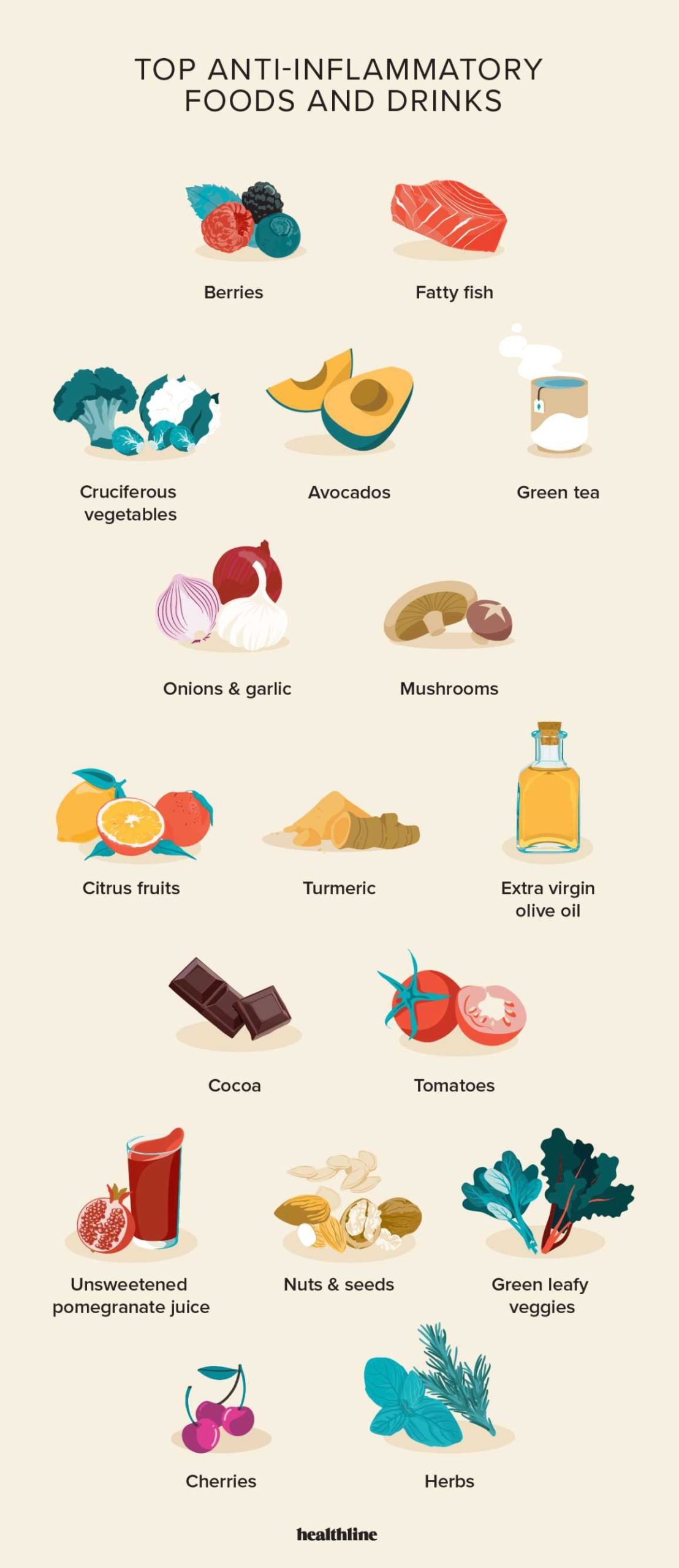
Tomatoes are a delicious way to fight inflammation and boost your health thanks to their high antioxidant content. Eating tomatoes regularly can help reduce redness, swelling, and discomfort caused by chronic inflammation, potentially improving overall well-being. Rich in lycopene, vitamin C, and other powerful compounds, they serve as natural allies in maintaining a healthier body. Incorporating tomatoes into your diet is a simple yet effective strategy to combat inflammation and support your immune system. The antioxidants in tomatoes work by neutralizing free radicals, which cause cellular damage and inflammation. So, if you’re looking for a tasty way to stay healthier and reduce inflammation naturally, adding more tomatoes to your meals might be just what you need.
Tomatoes are packed with antioxidants, particularly lycopene, that help diminish inflammation and protect your cells from damage. Their regular consumption can contribute significantly to reducing chronic inflammatory conditions and promoting better overall health.

Tomatoes Rich in Antioxidants That Reduce Inflammation
Understanding the Power of Tomatoes
Tomatoes are more than just a tasty addition to meals; they are packed with antioxidants that can help reduce inflammation in the body. These vibrant fruits contain a variety of compounds that support overall health and fight chronic diseases. Eating tomatoes regularly can contribute to better immune function and decrease the risk of inflammation-related health problems.
The Key Antioxidants in Tomatoes
Tomatoes are rich in several powerful antioxidants, including lycopene, vitamin C, vitamin E, and beta-carotene. These compounds work together to neutralize harmful free radicals that cause cell damage. Lycopene is especially notable for its ability to combat oxidative stress, which is linked to inflammation and aging.
Lycopene: The Star Antioxidant
Lycopene gives tomatoes their bright red color and is one of the most studied antioxidants found in tomatoes. It has strong anti-inflammatory properties and has been linked to a lower risk of chronic illnesses such as heart disease and certain cancers. The body absorbs lycopene best when tomatoes are cooked or processed, making tomato sauces and pastes excellent sources.
Role of Vitamin C and E in Reducing Inflammation
Vitamin C and E are essential antioxidants that help keep the immune system strong. Vitamin C, abundant in fresh tomatoes, reduces inflammation by neutralizing free radicals and decreasing the production of inflammatory molecules. Vitamin E supports cell membrane health and also helps protect tissues from oxidative damage.
The Benefits of Beta-Carotene and Other Phytochemicals
Beta-carotene, which the body converts to vitamin A, is another antioxidant present in tomatoes. It contributes to skin health and immune function while reducing inflammation. Additionally, tomatoes contain other phytochemicals like flavonoids and phenolic acids, which further support their anti-inflammatory effects.
How Tomatoes Help Combat Inflammation
The antioxidants in tomatoes work by inhibiting pathways that lead to chronic inflammation. Regular consumption can lower levels of inflammatory markers such as C-reactive protein and interleukin-6. This can help prevent or manage conditions like arthritis, cardiovascular diseases, and metabolic syndrome.
Incorporating Tomatoes Into Your Diet
Adding tomatoes into your meals is simple and delicious. Use fresh slices in salads, blend them into smoothies, or cook them into soups and sauces. Combining tomatoes with healthy fats like olive oil enhances the absorption of fat-soluble antioxidants like lycopene.
Tips for Maximizing Health Benefits
- Cook tomatoes to boost lycopene availability.
- Pair tomatoes with healthy fats for better absorption.
- Eat a variety of tomato types, including heirlooms, cherry, and Roma.
- Opt for organic tomatoes when possible to reduce pesticide exposure.
- Include tomatoes in your daily meals for consistent benefits.
Other Foods That Complement Tomatoes
Combining tomatoes with other anti-inflammatory foods can amplify their health effects. Consider adding garlic, olive oil, leafy greens, and berries to your diet. These foods contain additional antioxidants and phytochemicals that work synergistically to combat inflammation.
Potential Benefits for Specific Health Conditions
Consumption of tomato-rich foods may support those with arthritis by reducing joint inflammation. It can also promote heart health by lowering blood pressure and cholesterol levels. Furthermore, antioxidants in tomatoes might decrease the risk of certain cancers by protecting cellular DNA.
Choosing the Best Tomatoes for Maximum Nutrients
Select ripe, firm, and brightly colored tomatoes for the highest antioxidant content. Organic varieties often have higher levels of beneficial compounds and fewer pesticide residues. Proper storage, such as keeping tomatoes at room temperature, helps preserve their nutrient levels.
Summary of Nutritional Content
| Nutrient | Amount per 100 grams |
|---|---|
| Lycopene | 3.0 mg |
| Vitamin C | 14 mg |
| Vitamin A (beta-carotene) | 833 IU |
| Folate | 15 mcg |
| Potassium | 237 mg |
Eating tomatoes regularly provides a rich source of antioxidants that can lower inflammation and protect your cells from damage. Their versatile nature makes it easy to include them in a variety of meals and snacks. Prioritizing tomatoes in your diet can be a tasty way to support long-term health and reduce the risk of inflammation-related conditions.
Frequently Asked Questions
How do antioxidants in tomatoes help reduce chronic inflammation?
Antioxidants in tomatoes, such as lycopene and vitamin C, neutralize free radicals that cause cellular damage. By reducing oxidative stress, these compounds help lower the overall inflammation in the body, which can contribute to improved health and a lower risk of inflammatory-related diseases.
What specific nutrients in tomatoes contribute to their anti-inflammatory properties?
Tomatoes are rich in lycopene, vitamin C, beta-carotene, and other phytochemicals. Lycopene, in particular, has been shown to suppress inflammatory markers and reduce inflammatory responses, making these nutrients valuable for managing inflammation naturally.
Can regularly eating tomatoes help in managing conditions like arthritis?
Yes, consuming tomatoes regularly can help alleviate symptoms of inflammatory conditions like arthritis. The anti-inflammatory antioxidants found in tomatoes reduce joint inflammation and pain, potentially improving mobility and quality of life for individuals with such conditions.
Are cooked or raw tomatoes more effective for their anti-inflammatory benefits?
Cooking tomatoes enhances the bioavailability of lycopene, making it easier for the body to absorb. Both raw and cooked tomatoes offer health benefits, but cooking enhances lycopene’s effectiveness in reducing inflammation. Including a variety of preparations can maximize these benefits.
What are some practical ways to incorporate more anti-inflammatory tomatoes into a diet?
You can add fresh tomatoes to salads, prepare tomato-based sauces, enjoy roasted tomatoes as a side dish, or include them in soups. Combining tomatoes with healthy fats like olive oil improves nutrient absorption and boosts their anti-inflammatory effects.
Final Thoughts
Tomatoes rich in antioxidants that reduce inflammation offer numerous health benefits. They help combat oxidative stress, supporting overall wellness. Including tomatoes in your diet can improve heart health and decrease inflammation-related issues.
Their high content of lycopene and other antioxidants makes them a powerful addition to daily meals. These nutrients work together to protect cells and promote healing. Eating tomatoes regularly can contribute to a healthier lifestyle.
In summary, tomatoes rich in antioxidants that reduce inflammation provide essential nutrients that support your well-being. Incorporate them into your meals to enjoy their full health advantages.
As an Amazon Associate, We earn from qualifying purchases. When you purchase a product through Amazon links on pulsefitguide.com, we may earn a small commission at no extra cost to you. This helps support the site and keep our content free.