


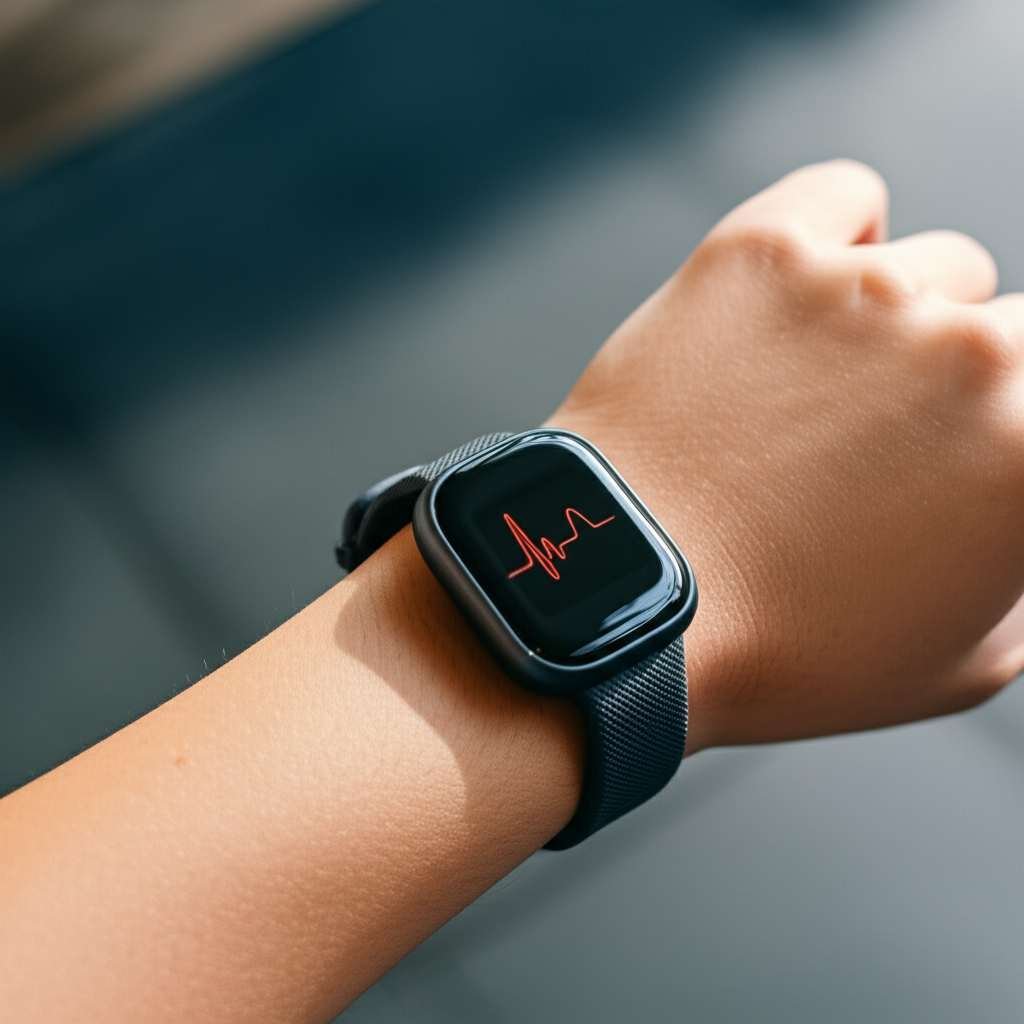
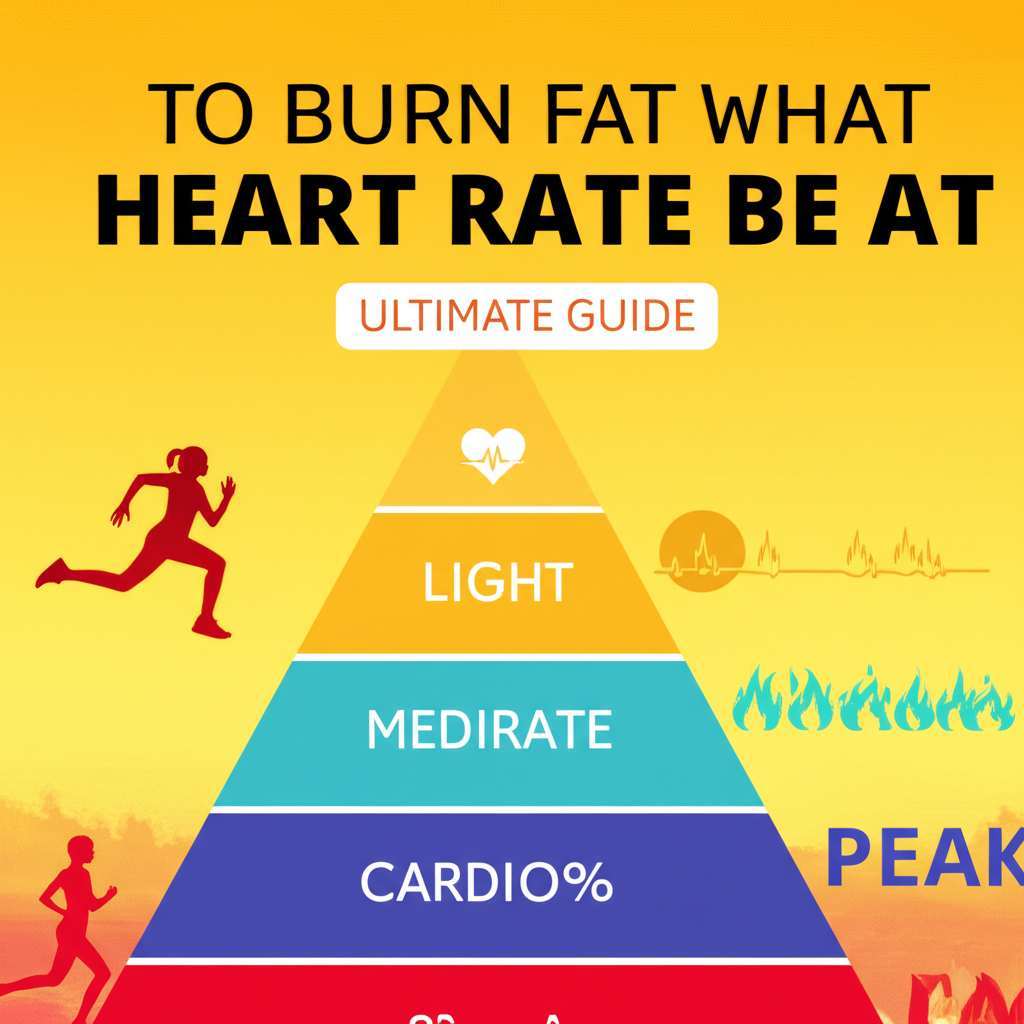
To burn fat effectively, aim for a heart rate zone that feels challenging but sustainable, typically around 60-80% of your maximum heart rate. This sweet spot keeps you burning calories efficiently without overdoing it!
Hey there, fitness friend! Feeling a little tired or like you’re not sure where to begin with your fitness journey? You’re not alone! So many of us want to feel stronger and healthier, but the “how” can feel like a big mystery. Well, get ready to unlock some simple secrets! We’re going to break down exactly what heart rate zone is best for burning fat. It’s not as complicated as it sounds, and I promise we’ll make it fun and easy to follow. Let’s get you moving and feeling amazing, one step at a time!
What’s the Big Deal About Heart Rate for Fat Burning?
Think of your heart rate as a speedometer for your body’s engine. When you’re exercising, your heart pumps faster to send oxygen and fuel to your muscles. The speed it pumps at tells us how hard your body is working. For burning fat, we want to find that perfect speed – not too slow, not too fast – where your body is happily tapping into its fat stores for energy. It’s like finding the “Goldilocks zone” for your workout!
Finding Your Fat-Burning Zone: It’s All About YOU!
Everyone’s body is different, so your fat-burning heart rate zone will be unique to you. The best way to figure this out is by knowing your maximum heart rate. Don’t worry, it’s super simple to estimate!
Step 1: Estimate Your Maximum Heart Rate (MHR)
This is the fastest your heart can beat during intense exercise. A common and easy way to estimate it is:
220 – Your Age = Estimated Maximum Heart Rate (MHR)
For example, if you’re 30 years old, your estimated MHR is 220 – 30 = 190 beats per minute (bpm).
Step 2: Calculate Your Fat-Burning Heart Rate Zone
The fat-burning zone is typically between 60% and 80% of your MHR. This is often called the “moderate-intensity” zone.
Lower end: MHR x 0.60
Higher end: MHR x 0.80
Let’s use our 30-year-old example with an MHR of 190 bpm:
Lower end: 190 x 0.60 = 114 bpm
Higher end: 190 x 0.80 = 152 bpm
So, for our 30-year-old friend, the ideal fat-burning heart rate zone is between 114 and 152 bpm.
How to Monitor Your Heart Rate
You don’t need fancy gadgets to check your heart rate! Here are a few easy ways:
- Manual Pulse Check: Find your pulse on your wrist or neck. Count the beats for 15 seconds and multiply by 4. It’s a bit tricky to do while moving, but great for checking before or after.
- Fitness Trackers/Smartwatches: These are super handy! They continuously monitor your heart rate during your workout. Just make sure it fits snugly.
- Heart Rate Monitors (Chest Straps): These are often the most accurate. They work with compatible devices or apps.
- Cardio Machines: Most treadmills, ellipticals, and bikes have built-in heart rate sensors. They’re a good guide, but sometimes less accurate than other methods.
Why This Zone Works Wonders for Fat Burning
Working out in your fat-burning zone means your body is using a higher percentage of fat for fuel. It’s also a sustainable intensity, meaning you can keep going for longer, burning more calories overall! Plus, it’s great for your heart health and stamina without feeling like you’re going to collapse.
Let’s Get Moving! Workout Ideas for Your Fat-Burning Zone
The best part? You can hit your fat-burning zone with tons of different activities! Here are some fun ways to get there:
Cardio Classics
These are your go-to for raising your heart rate and burning calories.
- Brisk Walking: Pick up the pace! You should be able to talk but not sing. Aim for 30-60 minutes most days.
- Jogging/Running: A bit more intense. If you can hold a conversation in short sentences, you’re likely in the zone.
- Cycling: Whether outdoors or on a stationary bike, adjust the resistance to keep your heart pumping.
- Swimming: A fantastic full-body workout that’s easy on the joints.
- Dancing: Put on your favorite tunes and move! Zumba or a good old-fashioned dance party works wonders.
- Elliptical Trainer: A low-impact option that still gives you a great cardio workout.
Strength Training for a Metabolic Boost
Don’t underestimate the power of lifting weights! While not always keeping your heart rate in the fat-burning zone the entire time, strength training builds muscle. More muscle means a faster metabolism, which helps you burn more calories even at rest!
- Bodyweight Exercises: Squats, lunges, push-ups, and planks are amazing.
- Dumbbell Workouts: Bicep curls, overhead presses, rows, and deadlifts.
- Resistance Bands: A super portable and versatile option.
Aim for exercises that work multiple muscle groups. When you’re doing your strength sets, your heart rate might dip slightly between sets, but the overall effect is fantastic for fat loss.
High-Intensity Interval Training (HIIT)
HIIT involves short bursts of super-intense exercise followed by brief recovery periods. While your heart rate will spike above the fat-burning zone during the intense bursts, the overall workout and the “afterburn effect” (where your body keeps burning calories at a higher rate post-workout) make it a powerful fat-burning tool.
Example HIIT Session:
- 30 seconds of jumping jacks (go all out!)
- 30 seconds of rest or light jogging in place
- Repeat this 10-15 times.
HIIT is very effective but also demanding. Start with 1-2 sessions per week to let your body recover.
Table: Workout Types and Their Fat-Burning Potential
Here’s a quick look at how different types of exercise can help you burn fat:
| Workout Type | How It Burns Fat | Best For | Example Activities |
|---|---|---|---|
| Moderate-Intensity Cardio (60-80% MHR) | Burns a high percentage of fat for fuel during the workout. Allows for longer duration, increasing total calorie burn. | Consistent calorie burn, cardiovascular health, stamina building. | Brisk walking, jogging, cycling, swimming, dancing. |
| Strength Training | Builds lean muscle mass. More muscle increases your resting metabolism, so you burn more calories 24/7. | Boosting metabolism, shaping the body, improving strength and bone density. | Weight lifting, bodyweight exercises, resistance bands. |
| High-Intensity Interval Training (HIIT) (Spikes above 80% MHR) | Burns a lot of calories in a short time. Creates a significant “afterburn effect” (EPOC) where your body continues to burn calories at an elevated rate after the workout. | Rapid calorie burn, time-efficient workouts, improving fitness quickly. | Sprints, burpees, jump squats, intense cycling intervals. |
The “Talk Test”: Your Simple Heart Rate Monitor
No tracker? No problem! The “talk test” is a super simple way to gauge your effort level.
- Easy Pace: You can sing a song. (This is below the fat-burning zone).
- Moderate Pace: You can talk comfortably in full sentences. (This is your sweet spot – the fat-burning zone!)
- Vigorous Pace: You can only speak a few words at a time. (This is the higher end, great for HIIT bursts, but hard to sustain).
So, when you’re out for a walk or jog, try to chat with a friend (or yourself!) and see if you can keep a conversation going. If you can, you’re probably right where you need to be for fat burning!
Tips to Maximize Your Fat Burning
Besides hitting your heart rate zone, here are some extra tips to help you on your journey:
- Consistency is Key: Aim for regular workouts. Even 30 minutes most days makes a huge difference.
- Mix It Up: Combine cardio and strength training for the best results. Your body will thank you!
- Listen to Your Body: Rest is just as important as exercise. Don’t push too hard if you’re feeling exhausted.
- Stay Hydrated: Drink plenty of water throughout the day, especially before, during, and after workouts.
- Fuel Smart: Eat a balanced diet. Focus on whole foods like fruits, vegetables, lean proteins, and whole grains.
- Get Enough Sleep: Aim for 7-9 hours. Sleep helps your body recover and keeps your hormones balanced, which is crucial for fat loss.
Fueling Your Fat-Burning Engine: Simple Meal Ideas
What you eat plays a huge role in fat burning! You don’t need complicated diets. Focus on nourishing your body with good stuff.
Quick & Easy Meal Ideas:
- Breakfast: Oatmeal with berries and nuts, or scrambled eggs with spinach and whole-wheat toast.
- Lunch: A big salad with grilled chicken or chickpeas, or a lentil soup with a side of whole-grain bread.
- Dinner: Baked salmon with roasted broccoli and quinoa, or lean ground turkey stir-fry with lots of colorful veggies.
- Snacks: Apple slices with peanut butter, a handful of almonds, Greek yogurt with fruit, or a hard-boiled egg.
Remember, it’s about balance! Enjoying treats in moderation is totally fine.
Common Mistakes to Avoid
We all make mistakes when starting out, and that’s okay! Here are a few common ones to watch out for:
- Only Doing Long, Slow Cardio: While good, it’s not the only way. Adding strength and some intensity helps more.
- Ignoring Strength Training: You’re missing out on major metabolism benefits!
- Not Eating Enough: Your body needs fuel to burn fat and build muscle. Drastically cutting calories can backfire.
- Not Enough Rest: Overtraining can lead to burnout and injury. Rest days are crucial for progress.
- Focusing Only on the Scale: Remember to celebrate non-scale victories like more energy, better sleep, or clothes fitting better!
Putting It All Together: A Sample Weekly Plan
Here’s a sample plan to get you started. Feel free to adjust it based on your fitness level and preferences!
| Day | Focus | Activity Examples | Heart Rate Goal |
|---|---|---|---|
| Monday | Cardio & Fat Burning | Brisk walk or light jog for 45 minutes. | 60-75% of MHR |
| Tuesday | Strength Training | Full body workout: squats, lunges, push-ups, rows, planks (3 sets of 10-12 reps). | Focus on form, HR may dip between sets. |
| Wednesday | Active Recovery or Light Cardio | Gentle yoga, stretching, or a leisurely walk for 30 minutes. | Below 60% of MHR. |
| Thursday | Cardio & Fat Burning | Cycling or elliptical for 40 minutes. | 65-80% of MHR |
| Friday | Strength Training | Focus on different muscle groups or try bodyweight circuits. | Focus on form. |
| Saturday | Fun Cardio or HIIT | Dance class, hiking, or a short HIIT session (15-20 mins). | HIIT: Spike above 80%; Cardio: 70-85% MHR. |
| Sunday | Rest or Light Activity | Complete rest or a very light walk. | Rest. |
This is just a template! The most important thing is to find activities you enjoy and stick with them.
Frequently Asked Questions (FAQ)
Got more questions? I’ve got you!
How long does it take to burn fat?
It varies for everyone! You’ll start burning fat from the first minute of your workout, but noticeable changes take consistent effort over weeks and months. Focus on building healthy habits, and the results will follow!
What’s the best time to work out?
The best time is whenever you can make it happen! Some people love morning workouts to kickstart their day, while others prefer evenings to de-stress. Listen to your body and find what works for your schedule.
Do I need a gym to lose weight?
Nope! You can burn fat effectively with bodyweight exercises at home, outdoor activities like walking or running, or using simple equipment. A gym can offer variety, but it’s not a requirement for success.
How can I stay motivated every day?
Find activities you enjoy! Set realistic goals, track your progress (even small wins!), find a workout buddy, and remember why you started. Celebrate your achievements, no matter how small!
What should I eat before or after exercise?
Before, a light snack with carbs (like a banana or a small piece of toast) can give you energy. After, aim for a meal or snack with protein and carbs to help your muscles recover (like chicken and rice or yogurt with fruit).
How much water should I drink daily?
A good general guideline is about 8 cups (64 ounces) of water a day. You’ll likely need more if you’re exercising, especially in warm weather. Listen to your thirst!
How many rest days should I take?
Rest days are super important for muscle repair and preventing burnout. Aim for 1-2 rest days per week, or more if you’re feeling sore or fatigued. Active recovery like a light walk on rest days is great too!
You’ve Got This!
Finding your fat-burning heart rate zone is all about understanding your body and choosing activities you enjoy. It’s not about being perfect, it’s about being consistent and making progress. By aiming for that sweet spot between 60-80% of your maximum heart rate, you’re setting yourself up for effective fat burning and a healthier, happier you. Remember to listen to your body, fuel it well, and celebrate every step of your journey. You’re doing great, and I’m here cheering you on!
You’ve got this — one step, one day at a time!
As an Amazon Associate, We earn from qualifying purchases. When you purchase a product through Amazon links on pulsefitguide.com, we may earn a small commission at no extra cost to you. This helps support the site and keep our content free.
