

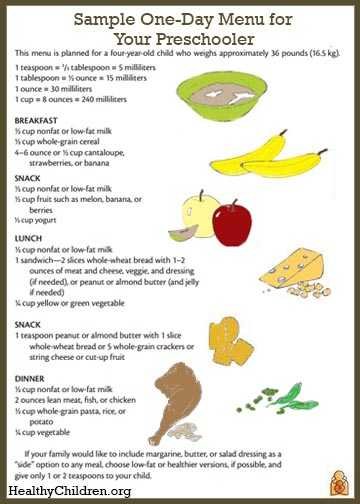
Start your day with a balanced breakfast, enjoy nutritious meals throughout the day, and finish with a light dinner to maintain energy and promote health. A well-structured daily meal schedule boosts your overall wellness and keeps you feeling satisfied.
A sample daily meal schedule for healthy eating includes a morning meal rich in protein and fiber, a nourishing lunch with plenty of vegetables and lean protein, a wholesome snack to keep energy levels steady, and a light dinner to support digestion before bed. Planning your meals this way helps ensure you get essential nutrients, manage portion sizes, and avoid unhealthy cravings.
Eating healthily doesn’t have to be complicated. By organizing your meals around simple, nutrient-dense choices and sticking to regular timings, you can enjoy better health and more energy every day. This guide provides a straightforward example to help you craft your own balanced daily eating plan.

Sample Daily Meal Schedule for Healthy Eating
Introduction to a Balanced Daily Meal Plan
A well-structured daily meal schedule helps you stay energized and maintain good health. It ensures your body gets the right nutrients at the right times. Creating a meal plan that includes breakfast, lunch, dinner, and snacks can make healthy eating easier and more enjoyable.
Key Principles of a Healthy Meal Schedule
Healthy eating involves balancing food groups such as fruits, vegetables, grains, proteins, and dairy. Consuming meals at regular intervals prevents hunger and overeating. Staying hydrated with water throughout the day supports digestion and overall wellness.
Breakfast: The Most Important Meal of the Day
A nutritious breakfast kick-starts your metabolism and provides energy for the day. Aim to include proteins, fiber, and healthy fats for sustained fullness. Good options include whole-grain oats, eggs, and fresh fruit.
Sample Breakfast Ideas
- Oatmeal topped with berries and nuts
- Whole-wheat toast with avocado and a boiled egg
- Greek yogurt with honey and sliced bananas
Breakfast should be quick to prepare but rich in essential nutrients. Avoid sugary cereals or pastries that cause energy crashes later in the day.
Mid-Morning Snack: Keep Your Energy Up
A healthy snack maintains blood sugar levels and curbs hunger until lunch. Opt for something light yet nutritious. Including protein and fiber makes snacks more satisfying.
Effective Snack Options
- A handful of mixed nuts and dried fruits
- Sliced vegetables with hummus
- Fresh fruit like apple slices or a banana
Avoid processed snacks high in sugar and salt. Hydrate with water or herbal teas for added benefits.
Lunch: The Heart of Your Daily Nutrition
A balanced lunch provides essential nutrients that support your afternoon activities. Incorporate proteins, complex carbohydrates, and plenty of vegetables. This meal should keep you full and energized without feeling sluggish.
Healthy Lunch Ideas
- Grilled chicken salad with mixed greens and vinaigrette
- Quinoa bowl with roasted vegetables and chickpeas
- Whole wheat wrap with turkey, lettuce, and tomatoes
Portion control is key. Try to include a variety of colors and food groups for maximum benefits.
Afternoon Snack: Preventing the 3 pm Slump
An afternoon snack helps avoid overeating at dinner. It should be nourishing yet light to keep energy levels stable. Combining protein with fiber is especially effective.
Snack Ideas for the Afternoon
- Yogurt with a sprinkle of granola
- Half an avocado on whole-grain crackers
- Sliced cucumber and carrots with tzatziki
Limit snacks that are high in sugar or unhealthy fats to support your health goals.
Dinner: End Your Day with Balance
Dinner should be satisfying and balanced but not too heavy before bedtime. Focus on lean proteins, whole grains, and vegetables. Light, nutrient-dense foods promote good sleep and recovery.
Healthy Dinner Suggestions
- Baked salmon with steamed broccoli and brown rice
- Stir-fried tofu with mixed vegetables and quinoa
- Grilled turkey burger with a side of roasted sweet potatoes
Allow yourself a small portion of healthy fats like olive oil or avocado. Avoid heavy, fried foods that can disrupt digestion.
Optional Night Snack
If you feel hungry before bed, choose something light and easy to digest. Think small portions of dairy or fruit. Avoid caffeine and sugary treats at night.
Quiet Night Snacking Ideas
- A small bowl of cottage cheese with pineapple
- Warm milk or herbal tea with a honey drizzle
- Fresh berries or sliced apple with almond butter
Night snacks should complement your sleep quality and overall dietary intake.
The Importance of Hydration Throughout the Day
Staying hydrated is essential for good health and digestion. Aim to drink at least 8 glasses of water daily, more if active. Incorporate herbal teas and infused water to add variety.
Additional Tips for Staying on Track
Plan meals ahead to avoid impulsive choices. Keep healthy foods accessible and limit processed foods in your home. Listening to your body’s hunger cues helps prevent overeating.
Sample Weekly Meal Schedule for Healthy Eating
Creating a weekly plan provides variety and ensures you cover all essential food groups. Include different proteins like fish, beans, and eggs. Incorporate a rainbow of fruits and vegetables daily.
Weekly Meal Planning Table
| Day | Breakfast | Lunch | Dinner | Snacks |
|---|---|---|---|---|
| Monday | Oatmeal with berries | Grilled chicken salad | Baked salmon with vegetables | Fruit and nuts |
| Tuesday | Egg and whole-wheat toast | Quinoa and veggie bowl | Turkey stir-fry | Yogurt and granola |
The Role of Portion Control and Mindful Eating
Portion control prevents overeating and supports weight management. Practice mindful eating by savoring each bite and paying attention to hunger cues. It helps build a positive relationship with food.
Conclusion: Making Healthy Eating a Habit
Sticking to a consistent meal schedule creates a foundation for long-term health. Focus on nourishing your body with a variety of nutritious foods and stay flexible. Remember, small, sustainable changes lead to lasting improvements in your well-being.
Mediterranean Diet Meal Plan | 7 days
Frequently Asked Questions
How can I ensure my meal portions are appropriate throughout the day?
To keep your meal portions balanced, start by using smaller plates and bowls, which naturally reduce serving sizes. Incorporate nutrient-dense foods such as vegetables, lean proteins, and whole grains to make your meals satisfying without overeating. Pay attention to your body’s hunger and fullness cues, eating slowly and stopping when you feel comfortably full to prevent excessive intake.
What are some healthy snack options to include between meals?
Choose snacks that provide a combination of protein, healthy fats, and fiber, such as a handful of nuts, Greek yogurt with fresh fruit, carrot sticks with hummus, or apple slices with almond butter. These options help maintain your energy levels, curb cravings, and contribute to your overall nutritional goals.
How can I adapt the meal schedule on busy days without sacrificing nutrition?
On hectic days, prepare quick and nutritious options like smoothies, overnight oats, or pre-portioned salads to save time. Keep healthy snacks readily available in your bag or workspace so you can eat mindfully even when you’re on the go. Planning your meals in advance helps you stay consistent and ensures you still meet your dietary needs despite a busy schedule.
Final Thoughts
A sample daily meal schedule for healthy eating provides a balanced approach to nutrition, helping you stay energized throughout the day. Starting with a nutritious breakfast, like oatmeal with fruit, kickstarts your metabolism. Lunch should include lean protein and vegetables to sustain your energy levels. Finish the day with a light dinner to promote better digestion and restful sleep.
Planning your meals in advance ensures you make healthier choices and avoid impulsive eating. Incorporating a variety of foods keeps your diet interesting and well-rounded. A structured meal schedule makes maintaining healthy habits easier and more consistent.
As an Amazon Associate, We earn from qualifying purchases. When you purchase a product through Amazon links on pulsefitguide.com, we may earn a small commission at no extra cost to you. This helps support the site and keep our content free.