


Looking to energize your day with just a quick workout? A full-body routine that you can do at home is perfect for fitting exercise into a busy schedule. The key is efficiency—targeting multiple muscle groups in a short amount of time to boost your strength and endurance without needing fancy equipment or a gym membership.
In just 15-20 minutes, you can get a comprehensive workout that hits all major muscle groups, increases your heart rate, and leaves you feeling accomplished. This approach is ideal for anyone new to fitness or those pressed for time who still want to stay consistent and active. Whether you’re aiming to burn calories, tone muscles, or boost energy levels, a quick full-body routine can be easily incorporated into your daily life right from your living room.

Quick Full Body Workout at Home: Your Easy Guide to Staying Fit Fast
Getting a full-body workout doesn’t mean you need a gym or fancy equipment. With just your body weight and a little space, you can do an effective workout right at home. This quick routine helps you build strength, improve flexibility, and boost your energy in less time.
Why Choose a Quick Full Body Workout at Home?
Many people have busy schedules and struggle to find time for exercise. A quick full-body workout takes only around 15 to 30 minutes but offers incredible benefits. You save time, money, and still get a balanced workout targeting all major muscle groups.
Plus, working out at home provides privacy and comfort, making it easier to stay consistent. Regular short sessions can lead to better posture, increased stamina, and weight management without the hassle of gym visits.
Key Benefits of a Quick Full Body Workout
- Efficiency: Covers all major muscles in a short period.
- Convenience: Can be done anytime, anywhere.
- Cost-effective: No gym membership needed.
- Flexibility: Adapt exercises to your fitness level.
- Motivation boost: Short sessions keep you motivated and prevent burnout.
Components of a Complete Full Body Routine
To maximize the effectiveness of your workout, include exercises that target different muscle groups: upper body, lower body, and core. Combining cardio with strength exercises increases calorie burn and improves endurance.
Warm-Up: Prepare Your Body
Always start with a 3 to 5-minute warm-up to loosen muscles and prevent injuries. Light jumping jacks, arm circles, or marching in place work well. Warming up boosts blood flow and makes your workout safer and more comfortable.
Sample Warm-Up Exercises
- Jumping Jacks – 1 minute
- Arm Circles – 30 seconds forward, 30 seconds backward
- High Knees Marching – 1 minute
- Torso Twists – 30 seconds
The Main Workout: Exercises for a Quick Full Body Routine
Upper Body Exercises
Focus on push-ups, tricep dips, and shoulder presses. These exercises strengthen your chest, arms, and shoulders.
- Push-Ups: Keep your hands shoulder-width apart, lower your body until your chest nearly touches the ground, then push back up. Do 10 to 15 reps.
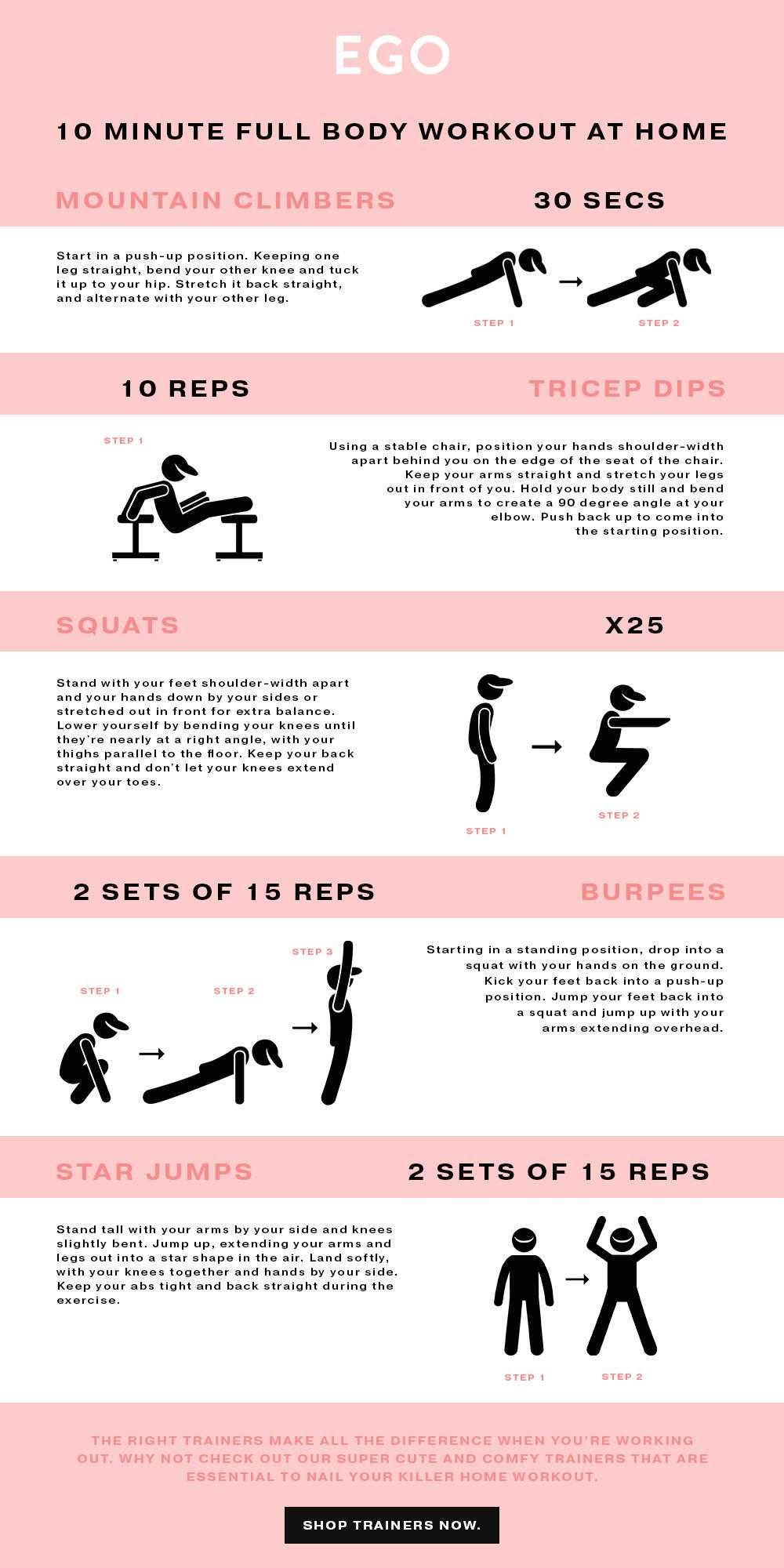
- Tricep Dips: Use a sturdy chair or bench. Place your hands behind you, lower your body by bending elbows, then push back up. Aim for 10 reps.
- Shoulder Taps: In a plank position, tap each shoulder with the opposite hand. Do 10 taps per side.
Lower Body Exercises
Legs and hips get strengthened with squats, lunges, and glute bridges.
- Squats: Stand with feet hip-width apart, bend knees, and lower hips as if sitting. Keep your back straight. Perform 15 reps.
- Lunges: Step forward with one leg, lower hips until both knees are at 90 degrees, then switch legs. Do 10 reps per leg.
- Glute Bridges: Lie on your back, knees bent, feet flat. Lift hips, squeezing glutes at the top. Complete 15 reps.
Core Exercises
Strong abs and back muscles support your entire body. Incorporate planks, sit-ups, and leg raises.
- Planks: Hold a push-up position, keeping your body straight. Maintain for 30 seconds to 1 minute.
- Sit-Ups: Lie on back, knees bent, hands behind head. Sit up towards your knees. Complete 15 reps.
- Leg Raises: Lie flat, lift legs to 90 degrees, then slowly lower. Aim for 10 to 15 reps.
Cardio Boosters for a Quick Routine
Adding short bursts of cardio increases the workout intensity. Incorporate jumping jacks, burpees, or mountain climbers for 30 seconds each between strength sets.
Sample Cardio Circuits
| Exercise | Duration |
|---|---|
| Jumping Jacks | 30 seconds |
| Mountain Climbers | 30 seconds |
| Burpees | 30 seconds |
| Rest | 1 minute |
| Repeat circuit 2 times |
Cool-Down and Stretching
Finish your workout with 5 minutes of stretching to relax muscles and improve flexibility. Target hamstrings, calves, shoulders, and back.
Stretching Tips
- Hold each stretch for at least 15 seconds.
- Breathe deeply to relax muscles.
- Focus on areas you worked the most for better recovery.
Creating a Weekly Schedule
For best results, aim for three to four sessions a week. Keep each session between 15 and 30 minutes to maintain consistency. Mix up exercises to prevent plateaus and keep it interesting.
Advanced Tips to Make Your Workout More Effective
- Increase repetitions or sets gradually as you get stronger.
- Minimize rest time between exercises to boost intensity.
- Use household items as weights, like water bottles or cans, for added resistance.
- Record your progress to stay motivated and see improvements.
Safety Tips for Your Home Workout
Always listen to your body and avoid pushing through pain. Wear comfortable clothing and ensure your workout space is free of hazards. If you have health concerns, consult with a professional before starting a new exercise routine.
A quick full-body workout at home offers a practical way to stay fit without investing hours or money. Consistency is key, so stick to your plan and gradually challenge yourself. With a little effort, you’ll notice improvements in strength, energy, and overall health.
Full Body Workout Without Equipment
Frequently Asked Questions
What are some effective exercises I can include in a quick full-body workout at home?
Include exercises such as push-ups, squats, lunges, planks, and burpees. These movements target multiple muscle groups, providing a comprehensive workout in a short amount of time. You can also incorporate jumping jacks or mountain climbers to increase cardio intensity.
How long should a quick full-body workout at home last for optimal benefits?
A workout lasting around 15 to 30 minutes can offer significant benefits, especially if you focus on high-intensity intervals. Shorter sessions can fit into busy schedules and still promote strength, endurance, and mobility.
What equipment is necessary for a quick full-body workout at home?
You can perform most exercises using just your body weight. However, adding items like resistance bands, dumbbells, or a chair can enhance workouts and provide additional resistance for better muscle engagement.
How many times per week should I do a quick full-body workout?
Aim for 3 to 4 sessions per week to allow your muscles enough time to recover. Consistency is key to seeing improvements, so schedule workouts on days that suit your routine and ensure adequate rest between sessions.
Can I modify exercises to suit my fitness level?
Yes, you can modify exercises by adjusting the number of repetitions, reducing range of motion, or performing easier variations. For example, perform knee push-ups instead of standard push-ups or hold a plank on your knees until you build strength.
Final Thoughts
A quick full body workout at home offers an efficient way to stay fit without equipment or a gym membership. Focus on simple exercises like squats, push-ups, and planks to engage multiple muscle groups. Incorporate short rest periods to keep your energy up and maximize results. This approach keeps your routine manageable and effective, fitting easily into your daily schedule.
As an Amazon Associate, We earn from qualifying purchases. When you purchase a product through Amazon links on pulsefitguide.com, we may earn a small commission at no extra cost to you. This helps support the site and keep our content free.
