

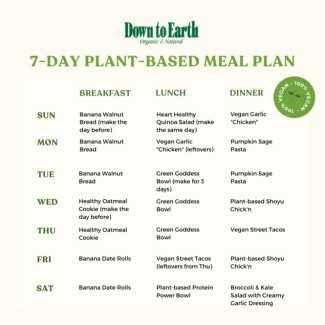
Looking to shed pounds while enjoying delicious, plant-based meals? The secret lies in a balanced, nutrient-rich structure that keeps you full and energized. A well-designed plant-based weight loss meal plan focuses on whole foods, proper portion sizes, and a variety of vegetables, fruits, whole grains, and plant proteins to promote fat loss without sacrificing flavor or nutrition.
In a nutshell, a plant-based weight loss meal structure emphasizes consuming high-fiber, low-calorie foods that support satiety and metabolic health. Incorporating a mix of colorful vegetables, legumes, grains, and healthy fats helps you stay full longer while reducing calorie intake. Such a meal plan encourages sustainable weight loss and better overall health by fueling your body with natural, wholesome ingredients.
Starting a plant-based weight loss journey can be straightforward and enjoyable when you focus on creating balanced, colorful meals. This approach not only supports your weight loss goals but also enhances your energy levels and improves your overall well-being. By understanding the core components of a plant-based meal structure, you can make smarter food choices that help you reach your ideal weight while nourishing your body with nature’s best offerings.

Plant Based Weight Loss Meal Structure
Creating a **plant-based weight loss meal structure** involves choosing the right foods and organizing your meals in a way that promotes healthy weight loss. This approach focuses on whole, unprocessed foods that are rich in nutrients but low in calories. By following a balanced meal plan, you can enjoy lasting results and improve your overall health.
Understanding the Basics of a Plant Based Diet for Weight Loss
A plant-based diet emphasizes fruits, vegetables, whole grains, legumes, nuts, and seeds. These foods are naturally low in calories but high in fiber, which helps you feel full longer. This diet reduces the intake of processed foods and animal products, contributing to weight loss and better health.
Fiber plays a critical role in weight management. It slows digestion and helps control appetite, preventing overeating. Additionally, plant foods contain essential vitamins, minerals, and antioxidants that support your body’s metabolism.
Key Components of a Plant Based Weight Loss Meal Structure
Fruits and Vegetables
Fruits and vegetables should form the foundation of your meals. They are low in calories and high in nutrients and fiber. Aim to include a variety of colors on your plate to get a broad range of nutrients.
Examples include berries, apples, leafy greens, carrots, sweet potatoes, and bell peppers. These foods help satisfy sweet cravings naturally and keep you full longer.
Whole Grains
Whole grains provide complex carbohydrates that fuel your body sustainably. They digest slowly, which maintains your energy levels and keeps hunger at bay. Incorporate brown rice, quinoa, oats, barley, and whole wheat products into your meals.
Control portion sizes of grains to avoid excess calorie intake, especially if weight loss is your goal.
Legumes and Protein Sources
Legumes like beans, lentils, chickpeas, and peas are rich sources of plant-based protein. Protein helps build muscle and keeps you feeling satisfied. Include these in your meals several times a week.
To diversify your protein intake, add tofu, tempeh, edamame, or nuts in moderation. These foods complement your diet and promote a feeling of fullness.
Healthy Fats
While fats are calorie-dense, healthy fats support overall health and help absorb vital nutrients. Include sources such as avocados, seeds, nuts, and olive oil.
Use these fats sparingly and measure portions to prevent unnecessary calorie consumption while enjoying their benefits.
Balancing Macronutrients in Your Meal Structure
Protein
In a weight loss-focused plant-based meal, aim for a good source of protein in every meal. Combining legumes, nuts, seeds, and whole grains ensures you meet your protein needs. This balance supports muscle preservation during weight loss.
Carbohydrates
Focus on complex carbohydrates from whole grains, vegetables, and fruits. They provide steady energy and help maintain blood sugar levels. Limit refined carbs like white bread and sweets to reduce calorie intake.
Fats
Integrate healthy fats into your meals in controlled portions. They aid in satiety and nutrient absorption. Remember, fats are calorie-dense, so moderation is key.
Sample Meal Structure for a Day
| Meal | Core Components | Sample Foods |
|---|---|---|
| Breakfast | Whole grains, fruits, healthy fats | Oatmeal topped with berries and chia seeds, a handful of walnuts |
| Lunch | Vegetables, legumes, whole grains, healthy fats | Quinoa salad with chickpeas, cucumbers, cherry tomatoes, olive oil dressing |
| Dinner | Vegetables, protein, complex carbs | Stir-fried tofu with broccoli, bell peppers, and brown rice |
| Snacks | Fruits, nuts, seeds | Apple slices with almond butter, mixed nuts, carrot sticks with hummus |
Tips for Structuring Plant Based Meals for Effective Weight Loss
- Prioritize vegetables with every meal for volume and nutrients.
- Use herbs and spices to add flavor without extra calories.
- Opt for whole, unprocessed foods and avoid refined ingredients.
- Plan ahead to maintain portion control and prevent unnecessary snacking.
- Stay hydrated and incorporate herbal teas or water throughout the day.
Meal Prep Ideas to Support Your Plant Based Weight Loss Goals
Batch Cooking
Prepare large quantities of grains and legumes at the start of the week. Store in containers for quick assembly of meals.
Veggie Packs
Chop vegetables in advance and keep them ready for salads, stir-fries, or snacks. This reduces cooking time and encourages healthy choices.
Portioning Snacks
Divide nuts, seeds, and dried fruits into small containers or bags. This helps control intake and avoids overeating.
Integrating Exercise with Your Meal Structure
Pair a plant-based meal plan with regular physical activity. Exercise supports metabolism and accelerates weight loss. Aim for a mix of cardio and strength training for best results.
Monitoring Progress and Adjusting Your Meal Structure
Track your meals and weight loss progress through journaling or apps. Adjust portions and food choices based on your results and how you feel.
Remember, flexibility helps in creating sustainable habits. Allow yourself occasional treats without guilt to stay motivated.
Adopting a **plant-based weight loss meal structure** requires understanding the importance of balanced, nutrient-rich foods. Incorporate a variety of fruits, vegetables, whole grains, legumes, and healthy fats to keep your meals satisfying and nutritious. Keep portion control in mind and plan your meals ahead to support your weight loss goals effectively. Consistency combined with regular physical activity will help you see steady progress and improve your overall well-being.
Plant-Based Weight Loss: Lose Weight with these Proven Tips and Meal Ideas! | WFPB
Frequently Asked Questions
What are some key components of a balanced plant-based weight loss meal plan?
A balanced plant-based weight loss meal plan includes a variety of vegetables, fruits, whole grains, legumes, nuts, and seeds. Prioritizing fiber-rich foods helps promote fullness and supports digestion. Incorporating plant-based proteins like beans, lentils, and tofu ensures adequate protein intake, which is essential for muscle maintenance and satiety. Limiting processed foods and added sugars helps reduce calorie intake and supports weight management goals.
How can portion control be managed within a plant-based meal structure?
Managing portion sizes is crucial when following a plant-based diet for weight loss. Use smaller plates and bowls to help control serving sizes visually. Focus on filling half of your plate with non-starchy vegetables, which are low in calories but high in nutrients. Pay attention to hunger cues and avoid eating out of boredom. Preparing meals in advance can also help prevent overeating by controlling portion sizes and reducing impulsive snacking.
What are some practical tips for creating satisfying plant-based meals that support weight loss?
To make plant-based meals satisfying, include a good source of protein and healthy fats, which help increase satiety. Incorporate a variety of colorful vegetables for texture and flavor. Use herbs, spices, and citrus to enhance taste without adding extra calories. Focus on whole, minimally processed ingredients and avoid relying heavily on refined grains and sugars. Planning meals ahead of time can help ensure nutrient balance and prevent unhealthy choices.
How does meal timing influence a plant-based weight loss strategy?
Consistent meal timing can help regulate appetite and prevent binge eating. Eating at regular intervals every 3-4 hours maintains steady energy levels and reduces the temptation to snack excessively. Incorporate nutrient-dense snacks like nuts, seeds, or fruit between main meals if needed. Being mindful of late-night eating is also important, as consuming heavy meals close to bedtime can hinder weight loss efforts.
Can snack choices impact the effectiveness of a plant-based weight loss plan?
Yes, snack choices play a significant role. Opt for nutrient-dense snacks such as fresh fruit, raw vegetables with hummus, or a handful of nuts. Avoid high-calorie, processed snacks that contain added sugars or unhealthy fats. Balanced snacks provide necessary energy and help control hunger, preventing overeating during main meals. Incorporating snacks thoughtfully can support consistent energy levels and promote gradual, healthy weight loss.
Final Thoughts
A well-structured plant based weight loss meal plan emphasizes balance and variety. Incorporate fiber-rich vegetables, whole grains, and healthy fats to stay full longer and support digestion. Limit processed foods and added sugars to optimize results.
Consuming nutrient-dense meals helps control cravings and maintain energy levels. The plant based weight loss meal structure provides a sustainable approach to shedding pounds without sacrificing flavor or satisfaction. Stick with this structure to achieve your health goals effectively.
As an Amazon Associate, We earn from qualifying purchases. When you purchase a product through Amazon links on pulsefitguide.com, we may earn a small commission at no extra cost to you. This helps support the site and keep our content free.