

Looking to shed pounds while enjoying delicious, wholesome meals? A plant-based meal plan tailored for weight loss can be both effective and satisfying. By focusing on nutrient-dense vegetables, fruits, legumes, and whole grains, you can create a sustainable routine that helps you reach your goals without feeling deprived. These plans promote natural weight loss through portion control, high fiber content, and reduced calorie intake, all while nourishing your body. Whether you’re a seasoned vegan or just curious about incorporating more plant foods into your diet, a well-balanced plan can make a significant difference. In this article, we’ll explore how to design a plant-based meal plan that supports weight loss, offering practical tips and sample meals to get you started on your health journey.
A plant-based meal plan for weight loss emphasizes whole, minimally processed foods rich in fiber and nutrients, helping you feel full longer while reducing calorie intake. It promotes healthy fat sources and balanced portions to support sustainable weight management. With the right planning, you can enjoy tasty, nutritious meals that aid your weight loss goals without sacrificing flavor or satisfaction.

Plant Based Meal Plan Designed for Weight Loss
Understanding the Basics of a Plant Based Meal Plan for Weight Loss
A plant based meal plan focuses on foods derived mostly from plants. It includes vegetables, fruits, grains, nuts, seeds, and legumes. This type of diet can naturally help with weight loss because it tends to be lower in calories and saturated fats.
Eating more plant foods can improve digestion and boost energy levels. These foods are rich in fiber, which helps you feel full longer and reduces overeating. Plus, a plant based plan reduces intake of processed foods that often contain unhealthy fats and added sugars.
Why Choose a Plant Based Diet for Weight Loss
A plant based diet supports weight loss in many ways. It encourages eating whole foods, which are nutrient-dense and filling. These foods help control cravings and reduce calorie intake overall.
Research shows that plant based eaters tend to have lower body mass indexes. They also experience improvements in blood sugar levels and cholesterol, promoting overall health. This diet is also sustainable in the long term, making it easier to maintain weight loss.
Key Components of a Plant Based Meal Plan
A successful plan includes a variety of food groups to meet nutritional needs. The main components are:
- Vegetables: leafy greens, cruciferous vegetables, colorful vegetables
- Fruits: berries, apples, bananas, citrus fruits
- Whole grains: oats, brown rice, quinoa, barley
- Legumes: lentils, chickpeas, black beans, kidney beans
- Nuts and seeds: almonds, walnuts, chia seeds, flaxseeds
- Plant oils: olive oil, avocado oil (used in moderation)
Balancing these components ensures you get enough protein, fiber, vitamins, and minerals. Incorporating a variety of foods also keeps meals interesting and satisfying.
Sample Daily Meal Plan for Weight Loss
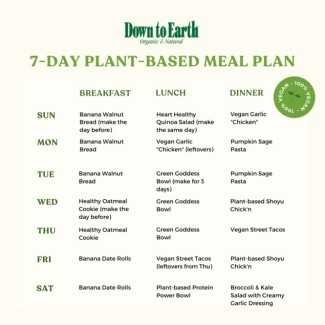
Here’s an example of how a day on a plant based weight loss plan could look:
Breakfast
- Oatmeal topped with fresh berries and a sprinkle of chia seeds
- A glass of unsweetened almond milk or herbal tea
Mid-morning Snack
- Apple slices with a tablespoon of almond butter
Lunch
- Mixed greens salad with cherry tomatoes, cucumbers, bell peppers, and chickpeas
- Dressed with olive oil and lemon juice
- Whole wheat pita on the side
Afternoon Snack
- Carrot sticks with hummus
Dinner
- Stir-fried vegetables with tofu and brown rice
- Seasoned with garlic, ginger, and low-sodium soy sauce
Evening Snack (Optional)
- Banana with a small handful of walnuts
This plan provides balanced nutrition while keeping calories in check. Adjust portions according to your caloric needs and activity level.
Meal Preparation and Planning Tips
Planning meals ahead can make sticking to your plant based weight loss plan easier. Try these tips:
- Prepare large batches of grains and legumes to use in multiple meals.
- Keep ready-cut veggies in the fridge for quick salads and stir-fries.
- Use herbs and spices to add flavor without extra calories.
- Plan your weekly menu to avoid last-minute unhealthy choices.
- Use a shopping list based on your meal plan to stay on track and reduce impulse buying.
Meal prep saves time and ensures you always have healthy options available. It also helps control portion sizes, which is key for weight loss.
Healthy Snack Ideas for a Plant Based Weight Loss Plan
Snacking can support your weight loss goals if you choose the right foods. Some healthy plant based snack options are:
- Mixed nuts and seeds (in moderation)
- Fresh fruit like oranges, pears, or grapes
- Vegetable sticks with hummus or guacamole
- Air-popped popcorn with nutritional yeast
- Whole grain crackers with avocado spread
Avoid processed snacks high in sugar or unhealthy fats. Instead, focus on whole, fiber-rich foods that keep you full longer.
Dealing with Challenges and Staying Motivated
Sticking to a plant based plan can be tough at first. Set realistic goals and celebrate small wins to stay motivated.
Find support from friends or online communities focused on plant based eating. Remember, consistency is key, and occasional treats are okay as long as they fit into your overall plan.
If cravings hit, drink water, stay busy, or choose a healthy snack. Keep your meals colorful and flavorful to make eating enjoyable.
Incorporating Exercise for Better Results
Combine your meal plan with regular physical activity for the best weight loss results. Even simple activities like walking or yoga can boost your progress.
Exercise helps burn calories, builds muscle, and improves mood. Aim for at least 150 minutes of moderate activity per week, and include strength training twice weekly.
Staying active makes healthy eating easier and more effective. Find activities you enjoy to stay motivated and committed.
Monitoring Progress and Making Adjustments
Track your food intake, weight, and how you feel regularly. Use apps or journals to keep yourself accountable.
If progress slows, review your meal portions and activity level. Small tweaks can help continue your weight loss journey.
Be patient and stay positive. Remember, a plant based meal plan supports not just weight loss, but overall health and wellness.
Additional Resources and Tools
Use cookbooks, online recipes, and meal planning apps to diversify your meals. Incorporate seasonal produce to keep costs low and flavors fresh.
Attend local cooking classes or workshops on plant based diets. Learning new skills keeps your meal routine exciting and sustainable.
Consult with a dietitian or nutritionist for personalized advice. They can help tailor your meal plan to meet specific needs.
By staying informed and prepared, you can enjoy a delicious, healthy, and weight-loss-friendly plant based diet every day.
How I lost 50 LBS eating this easy plant based meal everyday!
Frequently Asked Questions
What are the main benefits of following a plant-based plan for weight management?
Adopting a plant-based meal plan can help you manage your weight by focusing on nutrient-dense foods that are naturally lower in calories and fats. It promotes satiety through high fiber content, which reduces overeating. Additionally, this approach often leads to improved digestion, increased energy levels, and better overall health, making it easier to stay consistent with your weight management goals.
How can I ensure I get enough protein on a plant-based weight loss plan?
To meet your protein needs on a plant-based diet, incorporate foods such as beans, lentils, chickpeas, tofu, tempeh, nuts, and seeds. Combining different plant sources during the day ensures you’re getting all essential amino acids. Planning balanced meals with these ingredients provides sufficient protein to support muscle maintenance and overall health while on your weight loss journey.
What are some common mistakes to avoid when following a plant-based meal plan for weight loss?
Avoid relying heavily on processed vegan foods, which can be high in added sugars, unhealthy fats, and calories. Overlooking portion sizes can also hinder progress; even healthy foods can contribute to weight gain if consumed excessively. Additionally, neglecting to include a variety of food groups may lead to nutrient deficiencies. Focus on whole, minimally processed foods and monitor your intake to stay on track.
How can I stay satisfied and prevent hunger between meals on this type of plan?
Incorporate high-fiber foods like vegetables, whole grains, and legumes to promote fullness. Including healthy fats from sources such as avocados, nuts, and seeds can also help satisfy hunger. Drinking plenty of water and choosing snacks like fresh fruit, nuts, or veggie sticks helps maintain energy levels and curbs cravings throughout the day.
Are there specific meal prep tips to make following a plant-based weight loss plan easier?
Plan your meals ahead of time to ensure a variety of nutrient-dense options and reduce the temptation to choose less healthy foods. Prepare ingredients or complete meals in advance, such as roasted vegetables, cooked grains, or batch-made salads, to save time during busy days. Keeping healthy snacks readily available can also help you stay on track and avoid impulsive eating choices.
Final Thoughts
A plant based meal plan designed for weight loss offers nutritious, low-calorie options that keep you full and energized. Incorporating a variety of vegetables, fruits, nuts, and legumes ensures essential nutrients and fiber intake. This approach promotes sustainable weight management without sacrificing flavor or satisfaction. Following this plan helps you stay committed to healthy habits while enjoying delicious meals.
As an Amazon Associate, We earn from qualifying purchases. When you purchase a product through Amazon links on pulsefitguide.com, we may earn a small commission at no extra cost to you. This helps support the site and keep our content free.