

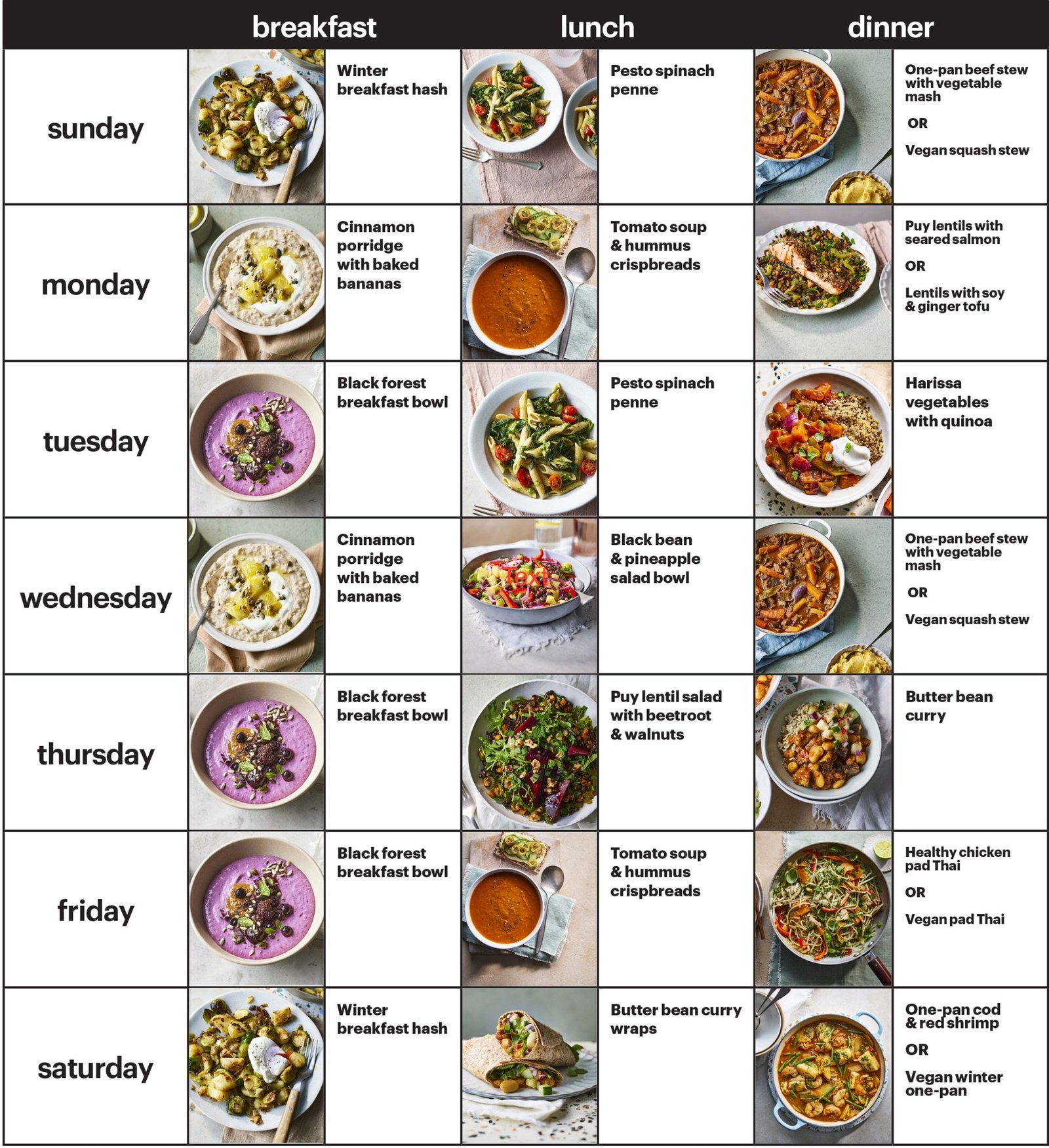
A well-designed nutrition meal plan for weight loss can make a real difference in reaching your goals. **The key is focusing on balanced, nutrient-dense foods that keep you full and energized.** Simplifying your eating habits and choosing wholesome ingredients lead to steady progress. With a clear plan, you’ll find it easier to stay motivated and avoid unnecessary snacking. This guide offers practical tips to create a meal plan that works for your lifestyle and supports lasting weight management.

Nutrition Meal Plan for Weight Loss
Creating a nutrition meal plan for weight loss can feel overwhelming at first, but once you understand the basics, it becomes much easier and even enjoyable. The key is to focus on balanced, nutritious meals that keep you full and energized while helping you shed unwanted pounds. In this guide, we will explore everything you need to know about designing an effective weight loss meal plan, from understanding caloric needs to choosing the right foods and building your daily menu.
Understanding Caloric Needs for Weight Loss
Before starting any meal plan, it’s important to understand how many calories your body needs each day. Calories measure the energy you get from food and drinks. To lose weight, your body must burn more calories than you consume, creating a calorie deficit.
- Basal Metabolic Rate (BMR): This is the energy your body uses at rest to keep vital functions working, like breathing and circulation.
- Daily Activity Level: Walking, working, exercising—all these activities increase the calories you burn daily.
- Calorie Deficit: To lose weight steadily, aim for a daily deficit of about 500 to 750 calories, leading to a weight loss of approximately one to one and a half pounds per week.
Use online calculators to estimate your BMR and total daily energy expenditure (TDEE). Based on this, you can set a realistic calorie target for your meal plan.
Essential Nutrients for Effective Weight Loss
A successful nutrition meal plan must include a variety of nutrients that support your health and help you lose weight safely. Focus on incorporating these key elements:
Protein
Protein helps build and repair tissues, keeps you full longer, and supports muscle health during weight loss. Good sources include:
- Lean meats like chicken and turkey
- Fish such as salmon and cod
- Eggs and low-fat dairy products
- Legumes, beans, and lentils
- Nuts and seeds (in moderation)
Complex Carbohydrates
Complex carbs provide lasting energy and are rich in fiber, which aids digestion and keeps you feeling satisfied. Examples:
- Whole grains like brown rice, oats, quinoa
- Starchy vegetables such as sweet potatoes and squash
- Legumes and beans
- Fruits like berries, apples, and pears
Healthy Fats
Fats are vital for hormone production and overall health, but focus on healthy fats found in:
- Avocados
- Nuts and seeds
- Olive and coconut oil
- Fatty fish like salmon and mackerel
Vitamins and Minerals
Include a variety of colorful fruits and vegetables to ensure you get enough nutrients that support immune function, energy, and overall well-being.
Constructing Your Weight Loss Meal Plan
Designing a meal plan that fits your lifestyle, preferences, and calorie needs can help you stay consistent and motivated. Here are some tips:
Balance Your Meals
Each meal should contain a proper mix of protein, complex carbs, healthy fats, and fiber. This balance boosts energy, controls appetite, and supports metabolism.
Portion Control
Use measuring cups or a food scale to keep portions in check. Even healthy foods can contribute to weight gain if eaten in large quantities.
Meal Timing and Frequency
Instead of skipping meals, aim for three main meals and one to two healthy snacks per day. Regular eating helps prevent overeating later.
Stay Hydrated
Drink plenty of water throughout the day, as thirst sometimes masks hunger. Staying hydrated also supports digestion and energy levels.
Sample Daily Meal Plan for Weight Loss
Here’s a simple example to guide your meal choices:
| Meal | Food Choices | Key Nutrients |
|---|---|---|
| Breakfast | Oatmeal with berries and a spoon of almond butter | Fiber, antioxidants, healthy fats, protein |
| Mid-Morning Snack | Greek yogurt with a handful of nuts | Protein, healthy fats, probiotics |
| Lunch | Grilled chicken salad with mixed greens and olive oil vinaigrette | Lean protein, fiber, healthy fats, vitamins |
| Afternoon Snack | Sliced apple with peanut butter | Fiber, healthy fats, natural sugars |
| Dinner | Baked salmon, steamed broccoli, and quinoa | Omega-3 fats, fiber, protein, vitamins |
Remember, you can tweak this plan based on your preferences and nutritional needs.
Healthy Food Choices to Avoid
While building your meal plan, stay mindful of foods that can hinder your weight loss efforts:
- Sugary drinks like soda and energy drinks
- Refined carbohydrates such as white bread and pastries
- Fast foods high in unhealthy fats and calories
- Sweets, candies, and baked goods with added sugar
- Processed snacks and chips
Choosing whole, unprocessed foods not only helps control calorie intake but also ensures you get more nutrients.
Tips for Sticking to Your Nutrition Meal Plan
Maintaining discipline can be challenging, but these strategies make it easier:
- Plan your meals and snacks ahead of time
- Prepare meals in bulk to save time and avoid unhealthy temptations
- Keep healthy snacks accessible to prevent reaching for junk food
- Keep a food journal to track your intake and stay accountable
- Set realistic goals and reward yourself for progress
Finding enjoyment in healthy foods and understanding their benefits can motivate you to stick with your plan long-term.
Incorporating Exercise with Your Meal Plan
While nutrition plays a vital role, regular physical activity complements your efforts. Even simple activities like walking, cycling, or swimming boost calorie burn and improve overall health. Combining a balanced diet with consistent exercise accelerates weight loss and enhances your well-being.
Adjusting Your Meal Plan as You Progress
Your nutritional needs may change over time. As you lose weight, you might need to adjust your caloric intake or macronutrient ratios. Regularly assess your progress and consult with a healthcare provider or registered dietitian to optimize your meal plan.
Building a nutrition meal plan for weight loss involves understanding your body’s needs, choosing the right foods, and maintaining consistency. Focus on variety, balance, and portion control, and remember to enjoy the process. With patience and commitment, you’ll reach your goals while nourishing your body properly.
Frequently Asked Questions
How can I ensure my meal plan provides all essential nutrients while losing weight?
To maintain a balanced diet during weight loss, include a variety of nutrient-dense foods such as fruits, vegetables, lean proteins, whole grains, and healthy fats. Incorporate different colors and types of produce to cover a broad spectrum of vitamins and minerals. Pay attention to portion sizes, and avoid overly restrictive eating. Consider consulting a nutritionist to tailor the plan to your specific needs, ensuring you meet your nutritional requirements while working toward your weight loss goals.
What are some simple ways to stay consistent with a meal plan for weight loss?
Staying consistent becomes easier when you prepare meals ahead of time and keep healthy snacks readily available. Set specific meal times and stick to them to develop a routine. Keep your grocery shopping focused on healthy ingredients, and plan your weekly menus to prevent last-minute temptations. Tracking your meals can also help you stay accountable. Remember to be flexible when needed and focus on progress rather than perfection.
How can I adapt my meal plan to accommodate a busy schedule?
Opt for quick and easy recipes that can be prepared in advance, such as salads, stir-fries, or overnight oats. Use batch cooking techniques to prepare multiple meals at once, saving time during busy days. Keep healthy, portable snacks like nuts, fruit, or yogurt on hand to avoid unhealthy vending options. Prioritize meal planning to streamline grocery shopping and cooking, ensuring you stay on track even during hectic periods.
What role do portion sizes play in a meal plan for weight loss?
Controlling portion sizes helps manage calorie intake without feeling deprived. Use measuring tools or visual cues to serve appropriate amounts of each food group. Eating smaller, frequent meals can also help regulate hunger and prevent overeating. Be mindful of serving sizes when dining out or eating packaged foods, and listen to your body’s hunger signals to avoid consuming excess calories.
How can I incorporate flexibility into my meal plan without hindering my weight loss progress?
Include occasional treats or indulgent foods in moderation to maintain enjoyment and prevent feelings of deprivation. Swap ingredients or modify recipes to fit your preferences while keeping the overall calorie and nutrient goals in mind. Allow yourself the freedom to adjust meals based on social plans or cravings, and view your meal plan as a flexible guide rather than a strict rulebook. This approach helps sustain your habits over the long term.
Final Thoughts
A well-structured nutrition meal plan for weight loss can make a significant difference. Prioritize balanced meals with lean proteins, whole grains, and plenty of vegetables. Hydrate adequately and avoid processed foods to support your goals.
Consistency and portion control are key to success. Incorporate healthy snacks and stay mindful of calorie intake without feeling deprived. Adjust the plan as needed to stay motivated.
In summary, a thoughtful approach to your nutrition meal plan for weight loss ensures sustainable progress. Focus on nourishing your body, stay committed, and watch your goals become reality.
As an Amazon Associate, We earn from qualifying purchases. When you purchase a product through Amazon links on pulsefitguide.com, we may earn a small commission at no extra cost to you. This helps support the site and keep our content free.