


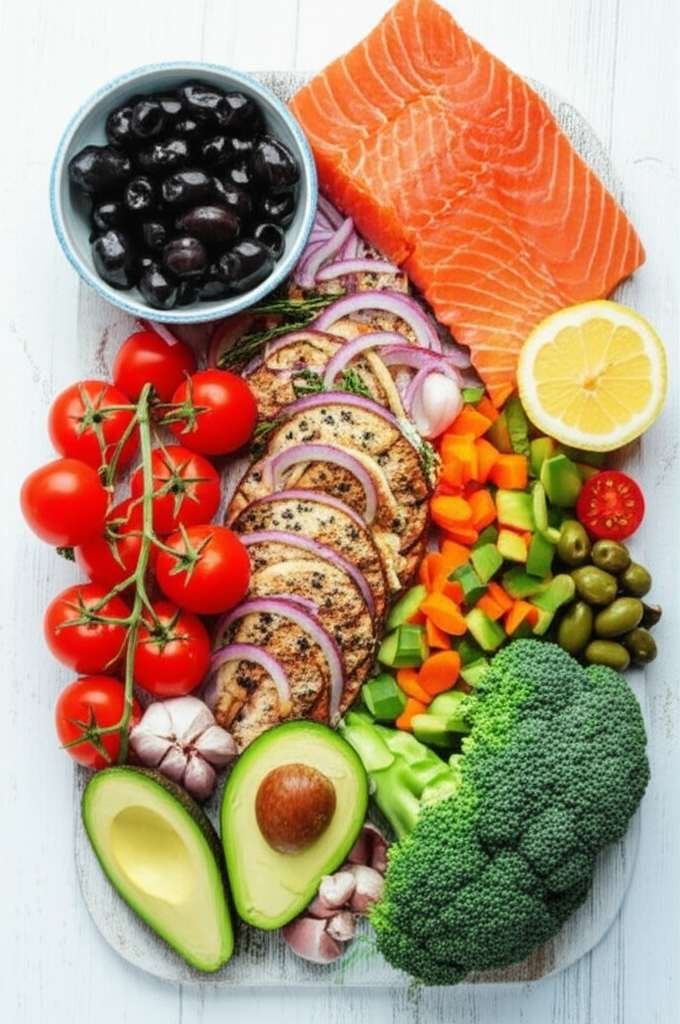
Unlock effortless weight loss with delicious Mediterranean diet recipes! Focus on fresh, whole foods like fruits, veggies, healthy fats, and lean proteins to naturally shed pounds and boost your health. This beginner-friendly guide makes success simple and sustainable.
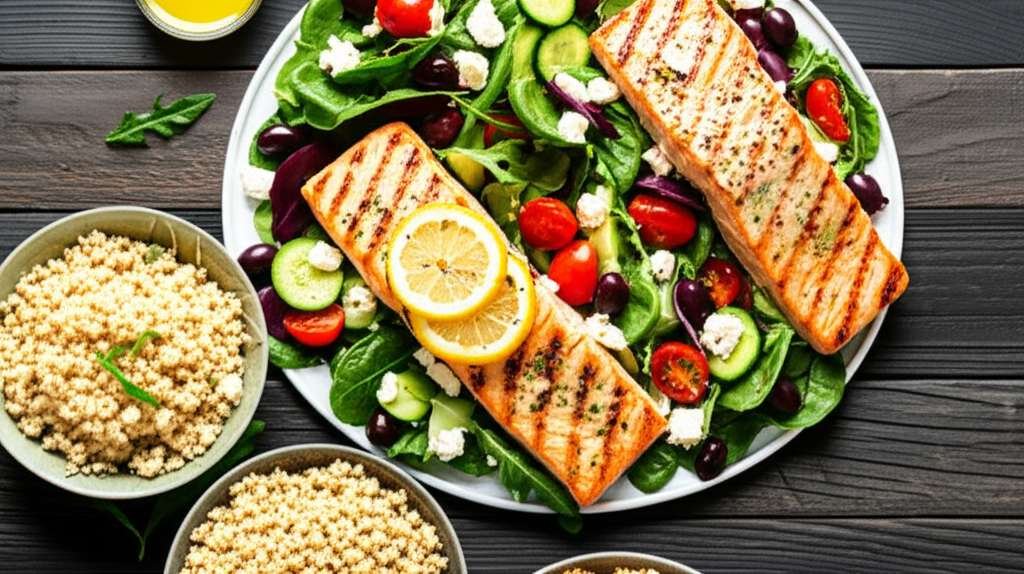
Feeling like weight loss is a puzzle you can’t quite solve? You’re not alone. Many of us find it confusing and frustrating to figure out what really works for our bodies.
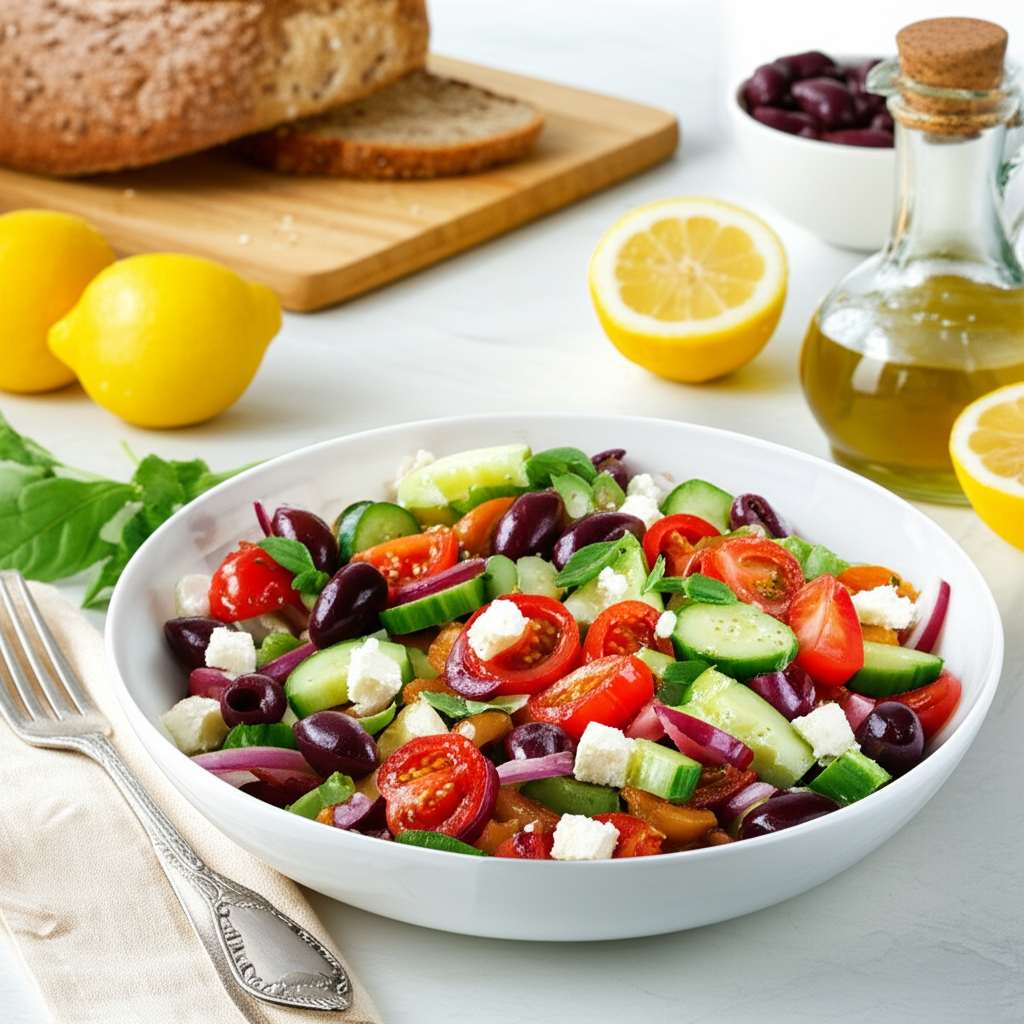
But what if I told you there’s a delicious and simple way to reach your weight loss goals? It involves enjoying amazing food and building healthy habits that feel natural, not forced.
This guide is your friendly coach, breaking down how the Mediterranean diet can be your secret weapon for effortless success. Get ready to discover tasty recipes and easy steps that will make you feel confident and in control of your journey.
What is the Mediterranean Diet, Really?
Think of the Mediterranean diet not as a strict diet, but as a lifestyle inspired by the eating patterns of people in countries bordering the Mediterranean Sea. These are places like Greece, Italy, and Spain, where people tend to live long, healthy lives.
The core idea is to fill your plate with delicious, nutrient-rich foods that are naturally satisfying. It’s all about enjoying fresh, seasonal ingredients and celebrating good food with others.
Key Components of the Mediterranean Diet
The beauty of this way of eating is its emphasis on whole, unprocessed foods. It’s less about counting calories and more about choosing quality ingredients that nourish your body.
- Abundant Fruits and Vegetables: These are the stars of the show, providing vitamins, minerals, and fiber. Think colorful bell peppers, juicy tomatoes, leafy greens, and sweet berries.
- Whole Grains: Opt for foods like whole wheat bread, brown rice, oats, and quinoa. They offer sustained energy and keep you feeling full.
- Healthy Fats: Olive oil is the hero here, used for cooking and dressings. Nuts, seeds, and avocados are also fantastic sources of good fats.
- Lean Proteins: Fish and seafood are enjoyed regularly. Poultry, beans, lentils, and eggs are also important protein sources.
- Dairy in Moderation: Yogurt and cheese are typically included, often in smaller portions.
- Herbs and Spices: These are used generously to flavor food instead of relying on salt.
- Red Wine in Moderation (Optional): If you drink alcohol, a small glass of red wine with meals is traditionally included.
- Limited Red Meat and Sweets: These are eaten less often, making them occasional treats rather than staples.
Why the Mediterranean Diet Works for Weight Loss
You might be wondering, “How can eating delicious food actually help me lose weight?” The Mediterranean diet is effective for weight loss for several science-backed reasons, and it’s not about deprivation.
It focuses on nutrient-dense foods that keep you feeling full and satisfied, naturally reducing overall calorie intake without feeling hungry. This makes it a much more enjoyable and sustainable approach than restrictive diets.
Here’s a quick look at why it’s a winner:
- High Fiber Content: Fruits, vegetables, and whole grains are packed with fiber. Fiber helps you feel full longer, reduces cravings, and aids digestion. According to the American Heart Association, fiber plays a crucial role in maintaining a healthy weight.
- Healthy Fats Promote Satiety: Fats from olive oil, nuts, and avocados are slow to digest, helping you feel satisfied after meals. This prevents overeating and snacking on less healthy options.
- Focus on Whole Foods: Processed foods often contain empty calories and can lead to overconsumption. The Mediterranean diet prioritizes whole, unprocessed ingredients, which are naturally lower in calories and higher in nutrients.
- Reduced Inflammation: Chronic inflammation can be linked to weight gain. The anti-inflammatory properties of foods like olive oil, fish, and colorful produce can help your body function better, supporting healthy weight management.
- Improved Blood Sugar Control: The emphasis on complex carbohydrates and fiber helps stabilize blood sugar levels. This prevents energy crashes and cravings that can lead to unhealthy food choices.
Getting Started: Your Effortless Mediterranean Diet Plan
Starting a new way of eating can seem daunting, but the Mediterranean diet is designed for simplicity. We’ll break it down into easy, actionable steps.
The goal is to gradually incorporate these delicious foods into your daily life. Don’t worry about perfection; focus on making small, consistent changes that feel manageable and enjoyable.
Step 1: Stock Your Kitchen Wisely
The first step to effortless success is having the right ingredients on hand. When your pantry and fridge are stocked with Mediterranean staples, healthy eating becomes incredibly easy.
Think of your kitchen as your personal Mediterranean oasis. Make a grocery list that focuses on fresh produce, healthy fats, and whole grains.
Must-Have Mediterranean Staples:
- Healthy Fats: Extra virgin olive oil, olives, avocados, nuts (almonds, walnuts), seeds (chia, flax, sunflower).
- Produce: A wide variety of fresh fruits and vegetables like tomatoes, cucumbers, bell peppers, leafy greens (spinach, kale), onions, garlic, lemons, berries, apples, and oranges.
- Whole Grains: Whole wheat bread, whole wheat pasta, brown rice, quinoa, oats, barley.
- Lean Proteins: Canned tuna or salmon (in water or olive oil), dried or canned beans (chickpeas, lentils), eggs, plain Greek yogurt.
- Flavor Boosters: Fresh herbs (basil, parsley, oregano, rosemary), spices, vinegar (balsamic, red wine), honey.
Step 2: Build Your Meals Around Veggies and Healthy Fats
The foundation of any Mediterranean meal is plant-based goodness. Aim to make vegetables the largest portion of your plate.
Pairing them with healthy fats helps with nutrient absorption and keeps you feeling satisfied. This simple principle makes planning meals much easier.
For breakfast, consider a bowl of Greek yogurt with berries and a sprinkle of nuts. Lunch could be a large salad packed with mixed greens, tomatoes, cucumbers, olives, and grilled chicken or chickpeas, all drizzled with olive oil and lemon juice.
Step 3: Embrace Simple Cooking Methods
The Mediterranean way of cooking is all about highlighting the natural flavors of fresh ingredients. You don’t need complicated techniques or fancy equipment.
Simple methods like grilling, baking, roasting, and sautéing are perfect. They preserve nutrients and create delicious textures.
For example, roasting vegetables like broccoli or bell peppers with a drizzle of olive oil, salt, pepper, and herbs brings out their natural sweetness. Baking fish with lemon slices and herbs is another quick and healthy option.
Step 4: Hydrate Smartly
Staying hydrated is crucial for overall health and can play a role in weight management by helping you feel full. Water is your best friend.
Sipping water throughout the day can curb hunger pangs and support your body’s natural processes. It’s a simple habit with big benefits.
While water is primary, herbal teas and even a moderate amount of coffee are also good choices. The Mediterranean diet also traditionally includes red wine in moderation with meals, but this is optional and depends on individual health and preferences.
Effortless Mediterranean Diet Recipes for Weight Loss
Now for the fun part – the food! These recipes are designed to be simple, delicious, and perfect for anyone starting their weight loss journey with the Mediterranean diet.
We’ll focus on easy-to-find ingredients and minimal preparation time, making healthy eating a breeze.
Breakfast Ideas: Quick & Energizing Starts
Start your day with a meal that fuels you without weighing you down. These options are packed with protein and fiber to keep you full until lunch.
Greek Yogurt Parfait with Berries and Nuts
This is a go-to for a reason: it’s incredibly quick, customizable, and satisfying.
- Ingredients: 1 cup plain Greek yogurt, 1/2 cup mixed berries (fresh or frozen), 2 tablespoons chopped almonds or walnuts, 1 teaspoon honey (optional).
- Instructions: Layer Greek yogurt, berries, and nuts in a bowl or glass. Drizzle with honey if desired.
Scrambled Eggs with Spinach and Feta
A savory option that’s packed with protein and healthy greens.
- Ingredients: 2 large eggs, 1 cup fresh spinach, 1 tablespoon crumbled feta cheese, 1 teaspoon olive oil, salt and pepper to taste.
- Instructions: Heat olive oil in a non-stick skillet over medium heat. Add spinach and sauté until wilted. Whisk eggs with salt and pepper, pour over spinach, and scramble until cooked through. Stir in feta cheese.
Lunch Recipes: Light, Fresh, and Satisfying
Lunch should be energizing, not energy-draining. These recipes are perfect for a quick meal at home or packed for on-the-go.
Lentil Salad with Lemon-Herb Vinaigrette
Lentils are a powerhouse of fiber and protein, making this salad incredibly filling and nutritious.
- Ingredients: 1 cup cooked brown or green lentils, 1/2 cup chopped cucumber, 1/2 cup chopped bell pepper (any color), 1/4 cup chopped red onion, 2 tablespoons chopped fresh parsley. For the dressing: 3 tablespoons extra virgin olive oil, 1 tablespoon lemon juice, 1 teaspoon dried oregano, salt and pepper to taste.
- Instructions: In a bowl, combine lentils, cucumber, bell pepper, red onion, and parsley. In a separate small bowl, whisk together olive oil, lemon juice, oregano, salt, and pepper. Pour dressing over the lentil mixture and toss to combine.
Tuna Salad Lettuce Wraps (Mediterranean Style)
A lighter take on tuna salad, using healthy fats and fresh veggies.
- Ingredients: 1 can (5 oz) tuna packed in olive oil or water, drained; 1/4 cup chopped celery, 2 tablespoons chopped red onion, 1 tablespoon capers (optional), 1 tablespoon plain Greek yogurt, 1 teaspoon Dijon mustard, juice of 1/4 lemon, salt and pepper to taste. Large lettuce leaves (like romaine or butter lettuce) for serving.
- Instructions: In a bowl, flake the tuna. Add celery, red onion, and capers (if using). In a small separate bowl, mix Greek yogurt, Dijon mustard, and lemon juice. Add this mixture to the tuna and stir gently to combine. Season with salt and pepper. Spoon the tuna salad into lettuce leaves to serve.
Dinner Recipes: Flavorful and Wholesome
These dinner recipes are designed to be comforting, delicious, and packed with nutrients. They’re simple enough for a weeknight but impressive enough for guests.
Baked Salmon with Roasted Asparagus and Lemon
This classic combination is rich in omega-3 fatty acids and antioxidants.
- Ingredients: 2 salmon fillets (about 4-6 oz each), 1 bunch asparagus, trimmed, 2 tablespoons extra virgin olive oil, 1 lemon, sliced, 1 clove garlic, minced, salt and pepper to taste, fresh dill or parsley for garnish (optional).
- Instructions: Preheat oven to 400°F (200°C). Toss asparagus with 1 tablespoon olive oil, salt, and pepper on a baking sheet. Place salmon fillets on the same baking sheet. Drizzle salmon with remaining olive oil, sprinkle with minced garlic, salt, and pepper. Top each fillet with lemon slices. Bake for 12-15 minutes, or until salmon is cooked through and asparagus is tender. Garnish with fresh herbs if desired.
Chicken and Vegetable Skewers with Tzatziki Sauce
Grilling or baking these skewers makes for a fun and healthy meal.
- Ingredients: 1 lb boneless, skinless chicken breast, cut into 1-inch cubes; 1 red onion, cut into chunks; 1 zucchini, sliced; 1 bell pepper (any color), cut into chunks; 2 tablespoons olive oil; 1 teaspoon dried oregano; salt and pepper to taste. For Tzatziki Sauce: 1/2 cup plain Greek yogurt, 1/4 cucumber (grated and squeezed dry), 1 clove garlic (minced), 1 tablespoon fresh dill (chopped), 1 teaspoon lemon juice.
- Instructions: In a bowl, toss chicken cubes with 1 tablespoon olive oil, oregano, salt, and pepper. In a separate bowl, toss vegetables with remaining 1 tablespoon olive oil, salt, and pepper. Thread chicken and vegetables alternately onto skewers (if using wooden skewers, soak them in water for 30 minutes first). Grill or bake at 400°F (200°C) for 15-20 minutes, turning occasionally, until chicken is cooked through and vegetables are tender. For the Tzatziki sauce, combine all sauce ingredients in a small bowl. Serve skewers with tzatziki sauce for dipping.
One-Pan Lemon Herb Roasted Chicken and Veggies
Minimal cleanup, maximum flavor! This is a weeknight dinner dream.
- Ingredients: 1.5 lbs chicken thighs or breasts, bone-in or boneless; 1 lb mixed vegetables (e.g., broccoli florets, cherry tomatoes, red onion wedges, bell pepper chunks, zucchini slices); 3 tablespoons extra virgin olive oil; juice of 1 lemon; 2 cloves garlic, minced; 1 tablespoon mixed dried herbs (like oregano, thyme, rosemary); salt and pepper to taste.
- Instructions: Preheat oven to 400°F (200°C). In a large bowl, toss chicken and vegetables with olive oil, lemon juice, minced garlic, dried herbs, salt, and pepper until well coated. Spread the mixture in a single layer on a large baking sheet. Roast for 30-40 minutes (for chicken breasts) or 40-45 minutes (for bone-in chicken thighs), or until chicken is cooked through and vegetables are tender and slightly caramelized.
Tips for Success and Staying Motivated
Embarking on a weight loss journey is a marathon, not a sprint. Staying motivated and consistent is key to long-term success with the Mediterranean diet.
Remember that every small step you take contributes to your overall progress. Celebrate your wins, no matter how small, and be kind to yourself on days when things feel challenging.
Making it a Lifestyle, Not a Diet
The beauty of the Mediterranean diet is its sustainability. It’s not about temporary restrictions but about adopting enjoyable, healthy eating habits for life.
- Focus on the Positives: Instead of thinking about what you can’t eat, focus on all the delicious and vibrant foods you can enjoy.
- Plan Ahead: Meal prepping, even just for a few days, can save you time and prevent impulsive unhealthy choices.
- Listen to Your Body: Pay attention to hunger and fullness cues. The Mediterranean diet encourages mindful eating.
- Involve Others: Share your journey with friends or family. Cooking and eating together can make healthy choices more enjoyable.
- Be Patient: Sustainable weight loss takes time. Trust the process and focus on gradual, consistent progress.
Dealing with Cravings and Challenges
Cravings are normal, especially when you’re making changes. The key is to have strategies in place to manage them.
If a craving hits, try drinking a glass of water first. Sometimes thirst can be mistaken for hunger. If you’re truly hungry, reach for a healthy Mediterranean snack like a handful of almonds, some fruit, or a small bowl of Greek yogurt.
Don’t view occasional treats as failures. If you indulge, simply get back on track with your next meal. The Mediterranean diet allows for flexibility and enjoyment.
Frequently Asked Questions About the Mediterranean Diet for Weight Loss
Here are some common questions beginners have about using the Mediterranean diet for weight loss.
Q1: Is the Mediterranean diet suitable for vegetarians or vegans?
A: Absolutely! While traditional Mediterranean diets include fish and poultry, it’s easily adapted. Vegetarians can focus on beans, lentils, tofu, eggs, and dairy. Vegans can replace dairy with plant-based alternatives and ensure adequate intake of legumes, nuts, and seeds for protein and nutrients.
Q2: How much weight can I expect to lose on the Mediterranean diet?
A: Weight loss varies greatly depending on individual factors like starting weight, activity level, and adherence to the diet. The Mediterranean diet promotes gradual, sustainable weight loss, typically 1-2 pounds per week, which is considered healthy and maintainable.
Q3: Do I have to give up pasta and bread?
A: Not at all! The key is to choose whole-grain versions of pasta and bread. These provide more fiber and nutrients than refined grains, helping you feel fuller for longer. Enjoy them in moderation as part of balanced meals.
Q4: What are the best snacks on the Mediterranean diet?
A: Excellent Mediterranean snacks include a handful of nuts (like almonds or walnuts), fresh fruit (apples, oranges, berries), raw vegetables with hummus, a small bowl of Greek yogurt, or a hard-boiled egg. These options provide fiber, protein, and healthy fats to keep you satisfied.
Q5: Can I drink alcohol on the Mediterranean diet?
A: Traditionally, moderate consumption of red wine with meals is part of the Mediterranean lifestyle. However, alcohol can add extra calories. If you choose to drink, do so in moderation (up to one drink per day for women, up to two for men) and be mindful of its caloric impact on your weight loss goals.
Q6: Is olive oil really that healthy?
A: Yes, extra virgin olive oil is a cornerstone of the Mediterranean diet and is considered very healthy. It’s rich in monounsaturated fats and antioxidants, which have anti-inflammatory properties and can benefit heart health. Use it as your primary cooking fat and in dressings.
Conclusion: Your Journey to Effortless Success
You now have a clear roadmap to embracing the Mediterranean diet for effortless weight loss. It’s not about strict rules or deprivation, but about enjoying delicious, nourishing food that supports your health and well-being.
By focusing on fresh produce, whole grains, healthy fats, and lean proteins, you’re setting yourself up for sustainable success. The simple recipes and practical tips provided are designed to fit seamlessly into your busy life.
Remember, consistency is more important than perfection. Celebrate your progress, listen to your body, and enjoy the journey of discovering how vibrant and satisfying healthy eating can be. You’ve got this!
As an Amazon Associate, We earn from qualifying purchases. When you purchase a product through Amazon links on pulsefitguide.com, we may earn a small commission at no extra cost to you. This helps support the site and keep our content free.
