

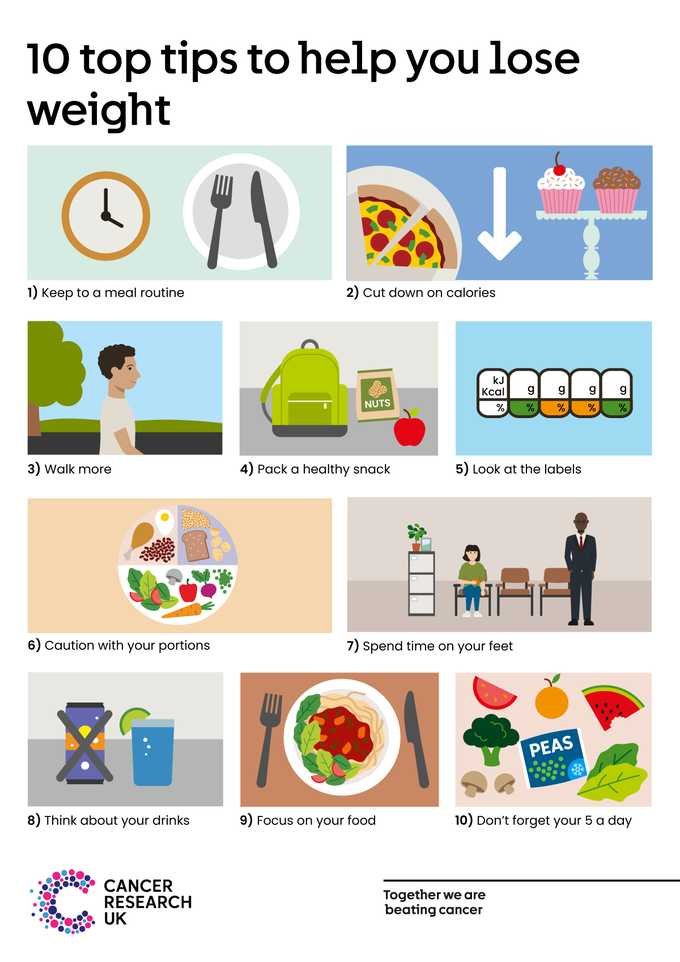
Eating at the right times can make all the difference in maintaining a healthy weight. The key is to synchronize your meal schedule with your body’s natural rhythms to boost metabolism and prevent overeating. Simple adjustments like regular meal intervals and mindful fasting can help you stay energized and in control of your weight.
Consistent meal timing, combined with balanced nutrition, supports your body’s ability to regulate hunger and fullness, making it easier to achieve and sustain a healthy weight. Developing a strategic eating pattern tailored to your lifestyle helps avoid unnecessary snacking and promotes better digestion.
Starting today, adopting meal timing strategies can transform your approach to healthy living. Now, let’s explore effective methods to optimize your meal schedule for long-term wellness and weight management success.

Meal Timing Strategies to Support Healthy Weight
Understanding the Importance of Meal Timing
Meal timing plays a significant role in managing weight and overall health. When we eat during the day affects how our body processes food and stores fat. Proper timing can boost metabolism, improve energy levels, and help prevent overeating.
How Circadian Rhythms Influence Meal Timing
Our body follows a natural 24-hour cycle called the circadian rhythm. This cycle impacts how we process food, with our digestion being more efficient earlier in the day. Aligning meal times with these rhythms can promote better digestion and weight management.
Benefits of Eating During Daylight Hours
Eating meals during daylight hours supports the body’s natural metabolic processes. Studies show that consuming most calories earlier in the day can help regulate blood sugar and insulin levels. This practice can lead to greater weight loss and reduced risk of obesity.
The Concept of Intermittent Fasting and Meal Scheduling
Intermittent fasting involves limiting food intake to specific hours of the day. Popular methods include the 16/8 technique, where you fast for 16 hours and eat during an 8-hour window. This approach can naturally reduce calorie intake and improve metabolic health.
How to Implement a Time-Restricted Eating Pattern
- Choose an 8 to 10-hour window during which you’ll eat all your meals. For example, from 10 a.m. to 6 p.m.
- Avoid snacking outside this window to optimize benefits.
- Combine with balanced, nutritious meals to support sustained energy and satiety.
Meal Frequency and Its Impact on Weight
The number of meals you consume each day influences energy balance and hunger. Some prefer three main meals, while others opt for smaller, more frequent snacks.
Benefits of Eating Smaller, Frequent Meals
- Helps maintain steady blood sugar levels
- Prevents overeating at any one meal
- Supports consistent energy throughout the day
Pros and Cons of Fewer Larger Meals
Eating fewer, larger meals can save time and reduce snacking. However, it may lead to increased hunger and overeating later. Finding an optimal balance based on personal needs is key.
Timing of Carbohydrates and Protein Intake
Strategic distribution of macronutrients can influence weight control. Consuming more carbohydrates earlier in the day and focused protein intake in the evening supports muscle maintenance and satiety.
Why Prioritize Carbohydrates in the Morning
Carbohydrates provide quick energy and support activity levels. Eating carbs earlier can replenish glycogen stores and help prevent late-day cravings.
When to Consume Protein for Optimal Effect
- Spread protein intake across meals to support muscle repair and feeling full longer
- Include protein sources such as lean meats, beans, and dairy in your evening meal to aid recovery and maintain satiety overnight
Aligning Meal Times with Sleep Patterns
Eating too close to bedtime can interfere with sleep quality and hormone balance related to weight regulation. It’s best to have your last meal at least two to three hours before going to bed.
Creating a Dinner Schedule for Better Sleep and Weight Control
- Finish eating by 7 p.m. if you sleep around 10 p.m.
- Avoid heavy, greasy, or sugary foods late in the evening
- Establish a calming pre-sleep routine to reinforce healthy habits
Snacking and Meal Timing
Choosing healthy snacks and timing them appropriately can prevent unwanted weight gain. Random snacking often leads to excess calorie intake, so planning snack times helps control hunger.
Healthy Snack Options and When to Eat Them
- Mid-morning: a handful of nuts or fruit
- Afternoon: Greek yogurt or vegetable sticks with hummus
- Pre-workout: a banana or energy bar
Tips for Managing Hunger Between Meals
- Eat high-fiber foods to stay full longer
- Drink plenty of water, as thirst can be mistaken for hunger
- Maintain consistent meal times to regulate hunger cues
Sample Meal Timing Plans for Different Lifestyles
Different routines require tailored strategies for optimal results. Here are a few ideas:
Early Riser Schedule
- 7:00 a.m.: Breakfast rich in protein and healthy fats
- 12:30 p.m.: Lunch with complex carbs and vegetables
- 6:00 p.m.: Dinner focused on lean proteins and greens
Late Nighter Schedule
- 9:00 a.m.: Light breakfast to start the day
- 1:00 p.m.: Main meal with carbs, protein, and vegetables
- 5:30 p.m.: Light dinner or snack to avoid late-night eating
Tracking and Adjusting Your Meal Timing
Monitoring your habits allows you to fine-tune your eating schedule for better weight control. Use a journal or app to note how your body responds.
Signs to Watch For
- Persistent hunger outside meal times
- Energy dips or crashes
- Unintentional weight change
Adapting Your Schedule
If you’re consistently hungry or losing too much weight, consider adjusting meal times or portions. Small tweaks can make a big difference in maintaining a healthy weight.
Related Topics for Further Exploration
To deepen your understanding, consider exploring topics like meal prepping, portion control, hydration strategies, and the role of physical activity in weight management. These elements complement meal timing and support healthy weight maintenance.
With the right approach to meal timing, your body can better regulate weight and improve overall health. Experiment with different schedules to find what works best for your lifestyle and stick with them for steady progress.
Meal Timing to Lose Weight | When to Eat Your Meals
Frequently Asked Questions
How can meal timing improve overall satiety and prevent overeating?
Eating at regular intervals helps regulate hunger hormones and maintain stable blood sugar levels. When you schedule meals consistently, your body adapts to expected eating times, reducing the likelihood of intense hunger that leads to overeating. Incorporating balanced meals with adequate protein and fiber further promotes feelings of fullness, making it easier to control portion sizes and avoid snacking on unhealthy foods.
What role does fasting or time-restricted eating play in supporting healthy weight management?
Time-restricted eating involves limiting food intake to specific windows each day, which can help decrease overall calorie consumption. This approach aligns with your body’s circadian rhythms, potentially enhancing metabolic efficiency. When you follow a consistent fasting schedule, your body adapts better to burn stored fat for energy, supporting weight loss efforts without feeling deprived.
How should meal timing be adjusted based on physical activity levels?
Scheduling meals around your workout sessions can optimize energy levels and recovery. Eating a balanced meal containing carbohydrates and protein before exercise fuels your activity, while having a nutritious post-workout meal helps replenish glycogen stores and repair muscles. Adjusting meal times to complement your activity schedule ensures you sustain energy and support healthy weight management.
Can spacing meals evenly throughout the day aid in better metabolic health?
Yes, spreading meals evenly prevents prolonged fasting periods and prevents blood sugar dips that trigger excessive hunger. Regular, balanced meals help maintain steady energy levels and support metabolic processes. This approach reduces the temptation to indulge in high-calorie snacks and promotes a more controlled intake, facilitating healthy weight control.
What are the benefits of having a consistent meal routine for long-term weight management?
Maintaining a regular meal schedule establishes predictable hunger cues and stabilizes metabolic rhythms. It helps prevent impulsive eating and reinforces healthier choices. Over time, a consistent routine supports habit formation, making it easier to sustain a balanced diet and achieve lasting weight management goals.
Final Thoughts
Meal timing strategies to support healthy weight can significantly improve your outcomes. Eating at regular intervals helps regulate hunger and stabilizes blood sugar levels. Incorporate balanced meals and avoid late-night snacking to promote better digestion and energy use. Consistent meal timing can enhance your overall health and aid in maintaining a healthy weight.
As an Amazon Associate, We earn from qualifying purchases. When you purchase a product through Amazon links on pulsefitguide.com, we may earn a small commission at no extra cost to you. This helps support the site and keep our content free.