

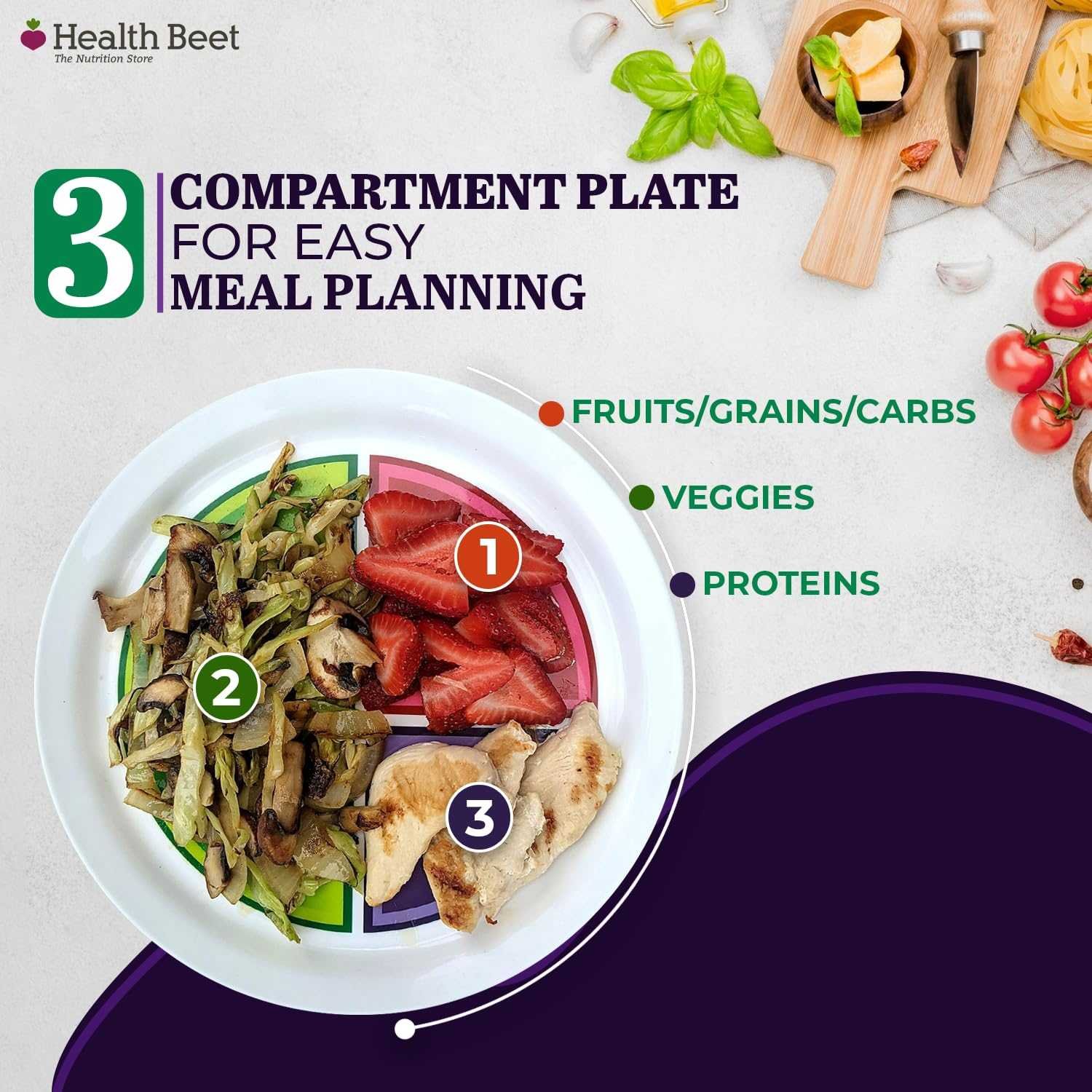
Looking for a simple way to stay healthy without feeling deprived? The key lies in creating a meal plan that emphasizes portion control and balanced macros. This approach helps you enjoy your favorite foods while managing your intake of carbs, proteins, and fats effectively. A well-structured meal plan can boost your energy, support weight management, and improve overall well-being. By focusing on appropriate serving sizes and selecting nutrient-dense foods, you can achieve your health goals without unnecessary stress or complicated diets. Whether you’re aiming for weight loss, muscle gain, or simply better health, a balanced meal plan tailored to your needs can make all the difference. Keep reading to discover how to craft a nutritious, satisfying plan that works for you.

Meal plan with portion control and balanced macros
Understanding the importance of portion control and balanced macros
Proper portion control helps prevent overeating and supports healthy weight management. It ensures that your body gets just the right amount of nutrients without excess calories. Balanced macros — carbohydrates, proteins, and fats — are essential for energy, muscle building, and overall health.
What are macros and why are they important?
Macros are the three main types of nutrients in food that provide energy. Carbohydrates give quick energy, proteins help repair and build tissues, and fats support cell functions and hormone production. Balancing these macros means consuming each in the right proportion based on your specific health goals.
Setting your macro goals based on your lifestyle
Your ideal macro ratio depends on your age, activity level, health goals, and personal preferences. For example, someone aiming to lose weight might focus on reducing carbs and increasing proteins. On the other hand, athletes may need higher carbs for energy and recovery.
How to create a meal plan with portion control
Start by calculating your daily calorie needs using an online calculator. Then, divide these calories into balanced portions of carbs, proteins, and fats. Use measuring tools like cups or a food scale to ensure accurate portion sizes. Planning meals ahead can help you stick to your targets and avoid impulsive eating.
Tools and tips for effective portion control
- Meal prep containers: Use these to divide meals into controlled portions in advance.
- Food scales: A kitchen scale helps you measure food precisely, especially for proteins and fats.
- Measuring cups: Ideal for carbs like rice, pasta, and vegetables.
- Visual cues: Use your hand as a guide, such as a palm-sized portion for proteins or a fist for carbs.
Sample macro-balanced meal plan
| Meal | Food | Portion Size | Macros (Approximate) |
|---|---|---|---|
| Breakfast | Oatmeal with berries and almonds | 1 cup cooked oats, ½ cup berries, 10 almonds | Carbohydrates: 45g, Proteins: 8g, Fats: 10g |
| Snack | Greek yogurt with honey | 1 cup yogurt, 1 tsp honey | Carbohydrates: 20g, Proteins: 15g, Fats: 0g |
| Lunch | Grilled chicken, quinoa, steamed vegetables | 4 oz chicken, ½ cup cooked quinoa, 1 cup vegetables | Carbohydrates: 40g, Proteins: 35g, Fats: 6g |
| Snack | Apple with peanut butter | 1 medium apple, 1 tbsp peanut butter | Carbohydrates: 30g, Proteins: 4g, Fats: 8g |
| Dinner | Baked salmon, sweet potato, broccoli | 4 oz salmon, ½ medium sweet potato, 1 cup broccoli | Carbohydrates: 35g, Proteins: 30g, Fats: 12g |
Adjusting your meal plan as needed
Track your progress weekly to see if you are meeting your goals. If you’re not losing weight or feeling fatigued, consider adjusting portion sizes or macros. Remember, consistency is key, and small changes can lead to better results over time.
Incorporating variety for a sustainable plan
Eat a wide range of foods to ensure you get all necessary vitamins and minerals. Mixing different proteins like fish, lean beef, eggs, and plant-based options keeps your meals interesting. Include a rainbow of vegetables and a variety of grains to cover your nutritional bases.
The role of hydration and meal timing
Drink plenty of water throughout the day to support digestion and nutrient absorption. Eating at regular intervals prevents hunger spikes and maintains energy levels. Spreading out meals every three to four hours helps your body process nutrients efficiently.
Common mistakes to avoid in meal planning
Avoid underestimating portion sizes, which can lead to overeating. Don’t skip meals, especially breakfast, as it sets the tone for healthy eating. Be cautious with processed foods and added sugars, which can disrupt your macro balance.
Benefits of a meal plan with portion control and balanced macros
By following this approach, you can improve your energy levels, support healthy weight loss or gain, and enhance overall well-being. It also helps develop better eating habits and promotes discipline in your food choices.
Tips for sticking to your meal plan
Prepare meals in advance to reduce temptation, and keep healthy snacks accessible. Use reminders or journal your progress to stay motivated. Allow flexibility for occasional treats to prevent feelings of deprivation.
Integrating physical activity with your meal plan
Combine your balanced diet with regular exercise for optimal results. Physical activity boosts metabolism and helps you build lean muscle, which further supports a healthy body composition. Adjust your macros if your activity level changes.
Creating a meal plan with portion control and balanced macros requires planning and consistency, but the benefits are well worth the effort. Focus on nutrient-dense foods, control your portions, and tailor your macros to your goals. This approach supports a healthier lifestyle and encourages smarter food choices in the long run. Remember, small changes today can lead to lasting health improvements tomorrow.
HOW TO COUNT MACROS (how to figure out YOUR own macros)
Frequently Asked Questions
How can I ensure my meal portions align with my daily nutritional needs?
To match your meal portions with your daily requirements, start by calculating your caloric needs based on factors like age, activity level, and health goals. Use measuring tools such as cups and a food scale to serve accurate portions. Incorporate a variety of food groups to balance macronutrients, ensuring you get adequate protein, healthy fats, and complex carbohydrates. Planning your meals in advance helps maintain consistency and prevents overeating.
What are effective strategies for balancing macronutrients across meals?
Distribute your macronutrients evenly throughout the day by planning each meal with appropriate portions of proteins, carbs, and fats. Incorporate lean proteins like chicken or fish, complex carbs like vegetables and whole grains, and healthy fats such as nuts and olive oil. Using a food diary can help track your intake and make adjustments to keep your macro ratios aligned with your health goals.
How can I adjust my meal plan if I notice I am not meeting my macro targets?
If your current plan doesn’t align with your macro goals, evaluate portion sizes and food choices. Increase or decrease portions of specific food groups to better meet your targets. Incorporate more nutrient-dense options like lean meats, vegetables, or healthy fats if needed. Regularly monitoring your intake through a tracking app can guide you to make precise adjustments over time.
Are there any tips for preparing balanced meals quickly without sacrificing portion control?
Opt for batch cooking and pre-portioned ingredients to save time during busy days. Use simple recipes that combine protein, carbs, and fats in one dish, such as salads or stir-fries. Keep measuring tools handy to ensure each meal maintains proper portion sizes. Planning your meals ahead of time minimizes the risk of overeating and helps maintain macro balance efficiently.
How does incorporating a variety of food sources benefit my macro-balanced meal plan?
Eating a diverse range of food sources ensures you receive a broad spectrum of essential nutrients and prevents nutritional deficiencies. Variety also makes your meals more appealing and sustainable in the long term. By rotating different protein sources, grains, fruits, and vegetables, you support overall health while maintaining the macro balance necessary for your fitness and wellness goals.
Final Thoughts
A meal plan with portion control and balanced macros ensures you get the right nutrients without overeating. It promotes steady energy levels and supports overall health.
Adopting this approach helps you stay consistent and enjoy your meals without guilt. This method simplifies healthy eating and makes it sustainable over time.
Focusing on balanced macros and proper portions can lead to better weight management and improved well-being. In summary, a meal plan with portion control and balanced macros offers a practical and effective path to a healthier lifestyle.
As an Amazon Associate, We earn from qualifying purchases. When you purchase a product through Amazon links on pulsefitguide.com, we may earn a small commission at no extra cost to you. This helps support the site and keep our content free.