

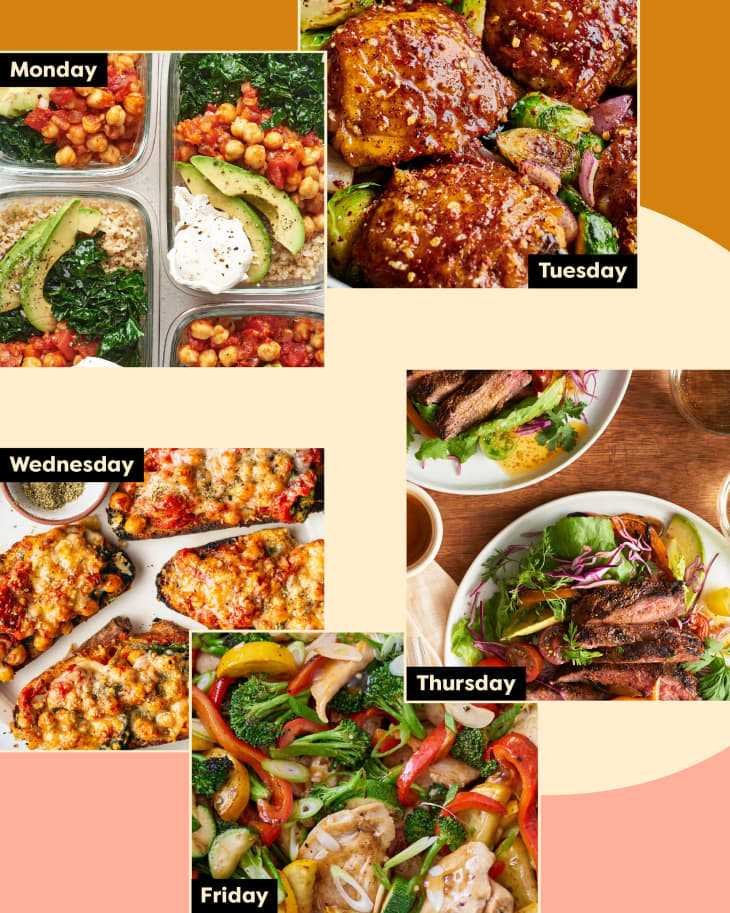
Looking to fuel your body with the perfect balance of nutrients? A meal plan featuring lean proteins, colorful vegetables, and complex carbs can be your secret weapon for energy, weight management, and overall health. The key is choosing the right foods that satisfy your hunger while providing essential nutrients without excess calories. By focusing on high-quality protein sources like chicken, fish, and legumes, paired with nutrient-dense vegetables and slow-digesting carbs such as sweet potatoes, brown rice, or whole grains, you create a satisfying and balanced diet. This approach helps keep your metabolism active and your digestive system happy. Whether you’re aiming to lose weight, build muscle, or just eat healthier, a thoughtfully crafted meal plan with these components makes reaching your goals easier and more enjoyable.
A meal plan centered around lean proteins, vegetables, and complex carbs provides balanced nutrition that supports your energy levels and fitness goals. It emphasizes whole, minimally processed foods to keep you full and satisfied while nourishing your body efficiently. This simple yet effective approach promotes sustainable healthy eating habits and enhances overall well-being.

Comprehensive Meal Plan with Lean Protein, Vegetables, and Complex Carbohydrates
Understanding the Building Blocks of a Healthy Meal Plan
A balanced meal plan focuses on including **lean proteins**, a variety of **vegetables**, and **complex carbohydrates**. These components provide essential nutrients needed for energy, muscle repair, and overall health. Incorporating these foods into daily meals helps maintain a healthy weight and promotes long-term wellness.
The Importance of Lean Protein in Your Diet
**Lean proteins** offer high-quality amino acids necessary for muscle growth and repair without excess fat. Sources include **chicken breast**, **turkey**, **fish**, **tofu**, and **legumes**. Eating enough lean protein can help manage hunger and maintain muscle mass, especially when combined with exercise.
Healthy Vegetables: Nutrients and Benefits
Vegetables are rich in **vitamins**, **minerals**, **fiber**, and **antioxidants**. They support immune function and digestive health while adding color and flavor to meals. Incorporate a variety of **leafy greens**, **cruciferous vegetables**, **bell peppers**, and **root vegetables** for a diverse nutrient profile.
Why Complex Carbohydrates Are Essential
Unlike simple sugars, **complex carbs** provide a steady release of energy and help control blood sugar levels. Examples include **brown rice**, **quinoa**, **sweet potatoes**, **whole wheat bread**, and **oats**. These foods also supply dietary fiber, which improves digestion and promotes satiety.
Creating a Meal Plan: Daily Structure and Tips
Start each day with a **protein-rich breakfast**, such as **oatmeal with nuts** or **egg whites with vegetables**. For lunch and dinner, aim for **half of your plate to be vegetables**, with **lean protein** and **complex carbs** filling the remaining space. Plan snacks around **nuts**, **fruit**, or **Greek yogurt** to keep energy levels stable.
Sample Meal Schedule
| Meal | Food Suggestions |
|---|---|
| Breakfast | Scrambled egg whites with spinach and whole wheat toast |
| Mid-morning Snack | A small handful of almonds and an apple |
| Lunch | Grilled chicken salad with mixed greens, cherry tomatoes, and quinoa |
| Afternoon Snack | Greek yogurt with berries and a sprinkle of granola |
| Dinner | Baked salmon, roasted sweet potatoes, steamed broccoli |
Meal Prep Strategies for Success
Preparing meals ahead of time makes it easier to stick to your plan. Cook **big batches of grains**, **roast vegetables**, and **grill proteins** on weekends. Store portions in containers for quick access throughout the week, reducing temptation for unhealthy choices.
Incorporating Variety for Sustainability
Switch up your **protein sources** by including **seafood**, **lean beef**, and **plant-based proteins** like **lentils** and **tofu**. Rotate vegetables to include **colorful options** such as **carrots**, **zucchini**, and **bell peppers**. This diversity prevents boredom and ensures a broad spectrum of nutrients.
Adjusting Portion Sizes According to Goals
Your **portion sizes** should align with your activity level and health goals. Use **hand guides** or **measuring cups** to keep servings in check. Larger portions of **lean proteins** and **whole grains** support muscle growth, while smaller amounts of **starches** assist in weight management.
Sample Meal Plan for a Week
- Monday: Grilled turkey burger with sweet potato fries and a mixed greens salad
- Tuesday: Baked cod with brown rice and sautéed spinach
- Wednesday: Tofu stir-fry with broccoli, bell peppers, and quinoa
- Thursday: Chicken and vegetable soup with whole wheat bread
- Friday: Salmon with roasted asparagus and wild rice
- Saturday: Lentil and vegetable chili with a side of cornbread
- Sunday: Egg and vegetable scramble with whole grain toast
Additional Nutritional Tips
– Focus on **whole foods** and minimize processed items.
– Use **herbs and spices** to flavor dishes naturally without added salt.
– Stay hydrated with **water**, herbal teas, or infused waters.
– Limit added sugars and saturated fats for optimal health.
Addressing Special Dietary Needs and Preferences
Vegetarian or vegan adaptations include **legumes**, **tofu**, **tempeh**, and **seitan** as protein sources. For those with food allergies or sensitivities, substitute ingredients wisely while maintaining the balance of lean proteins, vegetables, and complex carbs.
Monitoring and Adjusting Your Meal Plan
Track your intake using apps or food journals to ensure you’re meeting your nutrient goals. Adjust portions and food choices based on **energy levels**, **hunger cues**, and **progress towards health objectives**. Flexibility helps sustain long-term adherence.
Final Thoughts on a Meal Plan with Lean Protein, Vegetables, and Complex Carbohydrates
Designing a meal plan around these three key food groups promotes **balanced nutrition**, **weight management**, and **overall well-being**. Consistency, variety, and mindful portioning create a sustainable approach that supports a healthy lifestyle. Tailor your plan to accommodate personal tastes and lifestyle demands for best results.
The #1 Diet to Lose Fat (FOR GOOD!)
Frequently Asked Questions
How can I plan meals that balance lean proteins, vegetables, and complex carbs effectively?
To create well-balanced meals, start by selecting lean protein sources such as chicken breast, turkey, or fish. Incorporate a variety of colorful vegetables like spinach, bell peppers, or broccoli to ensure a range of nutrients. Add complex carbohydrates such as quinoa, brown rice, or sweet potatoes to provide sustained energy. Aim for portion sizes that support your daily calorie needs and include different food groups in each meal for variety and nutritional completeness.
What are some healthy snack options that include lean protein, vegetables, and complex carbs?
Healthy snacks can include Greek yogurt with sliced vegetables like cucumber or cherry tomatoes and a handful of nuts or whole grain crackers with hummus and veggie sticks. Boiled eggs paired with raw bell pepper slices or a small serving of cottage cheese with carrot sticks also make excellent options. These choices supply essential nutrients and keep your energy levels stable throughout the day.
How can I modify my meal plan to accommodate dietary restrictions while maintaining balance?
If you have dietary restrictions, substitute ingredients to meet your needs. For example, if you’re vegetarian, opt for plant-based protein sources like lentils, chickpeas, or tofu. Replace certain vegetables with those you tolerate better, and choose whole grains like oats or barley as your complex carbs. Focus on maintaining a variety of nutrient-rich foods to ensure your diet remains balanced and satisfying.
What tips can help me prepare meals that include these components efficiently?
Plan your meals ahead of time by batching cooking and pre-chopping vegetables to save time. Keep lean proteins like grilled chicken or fish in the fridge for easy access. Use versatile ingredients that can be incorporated into multiple dishes, such as quinoa or sweet potatoes. Cooking in bulk and using simple seasonings helps create quick, nutritious meals without sacrificing flavor.
How can I ensure portion control while following a meal plan with these food groups?
Use measuring cups and a food scale to serve appropriate portions of proteins, vegetables, and carbs. Visual cues, like filling half your plate with vegetables, can guide you. Pay attention to hunger and fullness cues, and avoid oversized servings. Planning meals in advance helps you stay on track and ensures each component aligns with your nutritional goals.
Final Thoughts
A meal plan with lean protein vegetables and complex carbs offers balanced nutrition and sustained energy. It simplifies healthy eating and ensures you get essential nutrients without excess calories. Incorporating variety keeps meals interesting and supports overall wellness. This approach makes healthy choices easier and more enjoyable.
As an Amazon Associate, We earn from qualifying purchases. When you purchase a product through Amazon links on pulsefitguide.com, we may earn a small commission at no extra cost to you. This helps support the site and keep our content free.