

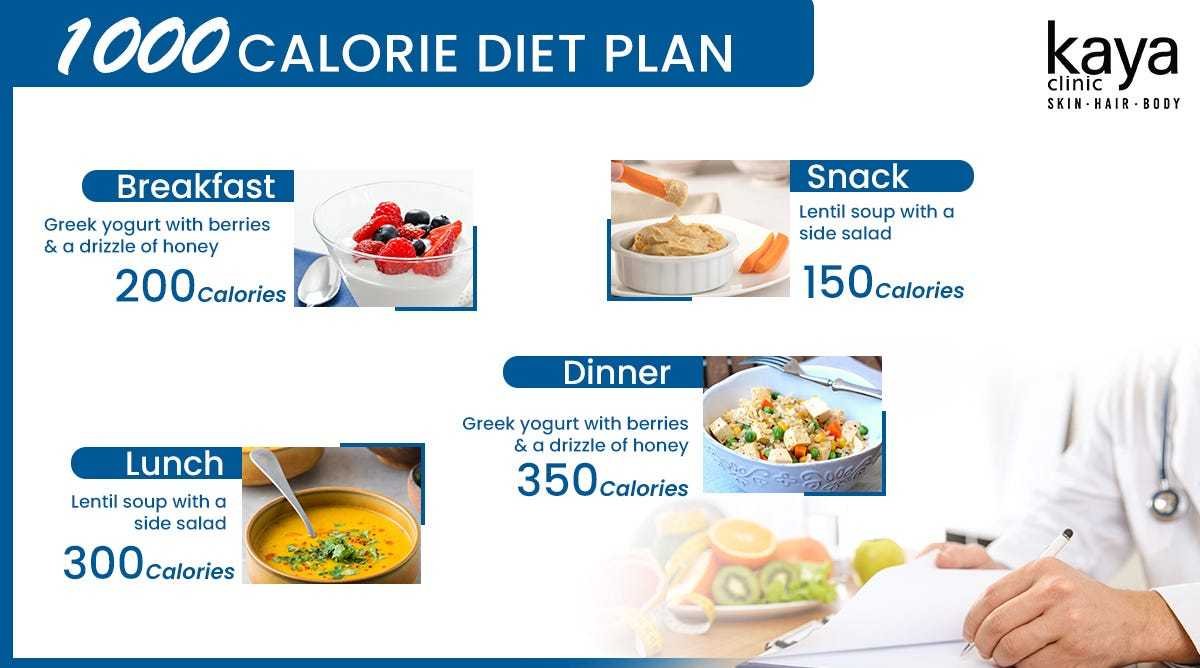
A well-crafted meal plan that combines calorie deficit with nutrient-dense foods can be your best ally in shedding excess weight while nourishing your body. By focusing on foods that are low in calories but rich in vitamins, minerals, and fiber, you can enjoy satisfying meals that keep you full and energized without overeating. The key is balancing calorie reduction with the intake of wholesome, nutrient-rich ingredients to support overall health and sustainable weight loss.
In essence, a successful meal plan with a calorie deficit and nutrient-rich foods involves selecting wholesome options like vegetables, lean proteins, whole grains, and healthy fats while maintaining a moderate calorie intake. This approach not only promotes fat loss but also ensures your body receives essential nutrients for long-term wellbeing.
If you’re looking to lose weight effectively without sacrificing nutrition, creating a meal plan that emphasizes calorie control alongside nutrient density is your best strategy. It encourages healthier habits, minimizes cravings, and supports your fitness goals in a way that feels sustainable and enjoyable.

Meal Plan with Calorie Deficit and Nutrient Rich Foods
Understanding the Importance of a Calorie Deficit
A calorie deficit occurs when you consume fewer calories than your body burns daily. It is a key factor in weight loss because your body starts to use stored fat for energy. Creating a calorie deficit doesn’t mean you have to eat less food overall; it means choosing foods that keep you full and satisfied while reducing your calorie intake.
Choosing Nutrient-Dense Foods for Better Results
Nutrient-rich foods provide essential vitamins, minerals, fiber, and antioxidants without excess calories. They help you meet your nutritional needs while maintaining a calorie deficit. Incorporating these foods into your meals can improve overall health and support weight loss efforts.
How to Balance Calories and Nutrients
Balancing calorie intake with nutrient density involves selecting foods that are low in unhealthy fats and added sugars but high in nutrients. For example, replacing processed snacks with fruits, vegetables, and lean proteins helps you stay within your calorie limits while nourishing your body.
Key Components of a Nutrient Rich Meal Plan
- Lean Proteins: Chicken breast, turkey, fish, tofu, and legumes provide high-quality protein essential for muscle repair and satiety.
- Whole Grains: Brown rice, quinoa, oats, and whole wheat bread offer fiber and sustained energy releases.
- Fruits and Vegetables: Rich in vitamins, minerals, fiber, and antioxidants that promote overall health.
- Healthy Fats: Avocado, nuts, seeds, and olive oil contribute to satiety and provide essential fatty acids.
Sample Daily Meal Plan with Calorie Deficit and Nutrient Dense Foods
| Meal | Food Items | Approximate Calories |
|---|---|---|
| Breakfast | Oatmeal topped with berries and a handful of almonds | 350 |
| Mid-morning Snack | Apple slices with natural peanut butter | 200 |
| Lunch | Grilled chicken salad with mixed greens, cherry tomatoes, cucumbers, and olive oil vinaigrette | 450 |
| Afternoon Snack | Greek yogurt with honey and chia seeds | 200 |
| Dinner | Baked salmon, steamed broccoli, and quinoa | 600 |
| Total | around 1800 calories |
Tips for Maintaining a Calorie Deficit with Nutrient Rich Foods
- Plan meals ahead: Prepare your meals to avoid impulsive eating and ensure balanced portions.
- Focus on fiber: Foods high in fiber, like vegetables and whole grains, help keep you full longer, curbing overeating.
- Drink plenty of water: Staying hydrated can prevent confusing thirst with hunger and reduce calorie intake.
- Limit processed foods: These often contain hidden sugars and unhealthy fats, which can sabotage your calorie deficit goals.
- Portion control: Use smaller plates and measure servings to avoid overeating.
Incorporating Variety for Sustainable Weight Loss
Eating a variety of nutrient-dense foods prevents boredom and ensures you receive a broad spectrum of nutrients. Rotate different fruits, vegetables, protein sources, and grains to keep your meals interesting and balanced.
Using Meal Planning Tools and Apps
Meal planning apps can help track your calorie intake and nutrient levels, making it easier to stay on target. They often provide recipes, grocery lists, and progress tracking to support your weight loss journey.
Addressing Common Challenges
Many people find it difficult to stick to a calorie deficit long-term. Setting realistic goals, staying flexible, and allowing occasional treats can help maintain motivation. Remember, consistency is more important than perfection.
If cravings are hard to manage, opt for healthier alternatives or reduce portion sizes rather than banning favorite foods entirely. The goal is to create a sustainable, enjoyable eating pattern that supports your health and weight goals.
Additional Considerations for a Nutrient Rich, Calorie Deficit Meal Plan
- Mindful eating: Slow down and focus on your food to recognize true hunger and fullness cues.
- Exercise integration: Combining your meal plan with regular physical activity boosts calorie burn and enhances health benefits.
- Adjusting calories as needed: Regularly review your progress and modify your intake to ensure steady weight loss while meeting nutritional needs.
Creating a meal plan that combines a calorie deficit with nutrient-rich foods ensures healthy weight loss and ongoing wellbeing. Focus on balanced, varied meals packed with essential nutrients, and incorporate mindful habits to achieve your goals sustainably. Remember, making small, consistent changes can lead to lasting results and a healthier lifestyle.
The #1 Diet to Lose Fat (FOR GOOD!)
Frequently Asked Questions
How can I ensure I get enough nutrients while maintaining a calorie deficit?
To meet your nutritional needs, focus on including a variety of nutrient-dense foods such as vegetables, fruits, lean proteins, whole grains, and healthy fats. Incorporate colorful produce to maximize vitamin and mineral intake, and choose lean meats, fish, beans, and nuts for protein sources. Planning balanced meals helps you stay within your calorie goals while supporting overall health and energy levels.
What are some tips for portion control in a calorie-restricted meal plan?
Use smaller plates and bowls to naturally limit portion sizes. Measure your servings until you become familiar with appropriate amounts, and pay attention to hunger cues to prevent overeating. Preparing meals in advance and tracking your intake can also help you stick to your calorie goals without sacrificing nutrient quality.
How can I incorporate variety into my meal plan without increasing calorie intake?
Rotate different types of foods within each food group, such as swapping chicken for fish or different vegetables and grains. This approach ensures a broad spectrum of nutrients while keeping meals interesting. Focus on low-calorie, nutrient-rich ingredients and experiment with herbs and spices to enhance flavor without added calories.
What are some high-protein foods I can include to support satiety and muscle maintenance?
Include sources like lean meats, poultry, fish, eggs, dairy products, legumes, and plant-based options such as tofu and tempeh. Protein-rich foods help keep you full longer and support muscle preservation during calorie reduction, making them essential components of a nutrient-dense, calorie-controlled diet.
How can I plan my meals to prevent nutrient deficiencies on a calorie deficit diet?
Plan balanced meals that combine different food groups to cover essential vitamins and minerals. Incorporate a variety of colorful fruits and vegetables, whole grains, and protein sources. Consider supplementing with fortified foods or supplements if needed, and regularly review your diet to identify and address any gaps in nutrients.
Final Thoughts
A meal plan with calorie deficit and nutrient rich foods supports weight loss while keeping your body nourished. Focus on whole, unprocessed foods like vegetables, lean proteins, and healthy fats to maximize nutrient intake without excess calories. Incorporate varied meals to keep your diet balanced and enjoyable. Consistently following this approach helps you achieve your health goals and promotes overall well-being.
As an Amazon Associate, We earn from qualifying purchases. When you purchase a product through Amazon links on pulsefitguide.com, we may earn a small commission at no extra cost to you. This helps support the site and keep our content free.